Laurel Negro
Cordia megalantha
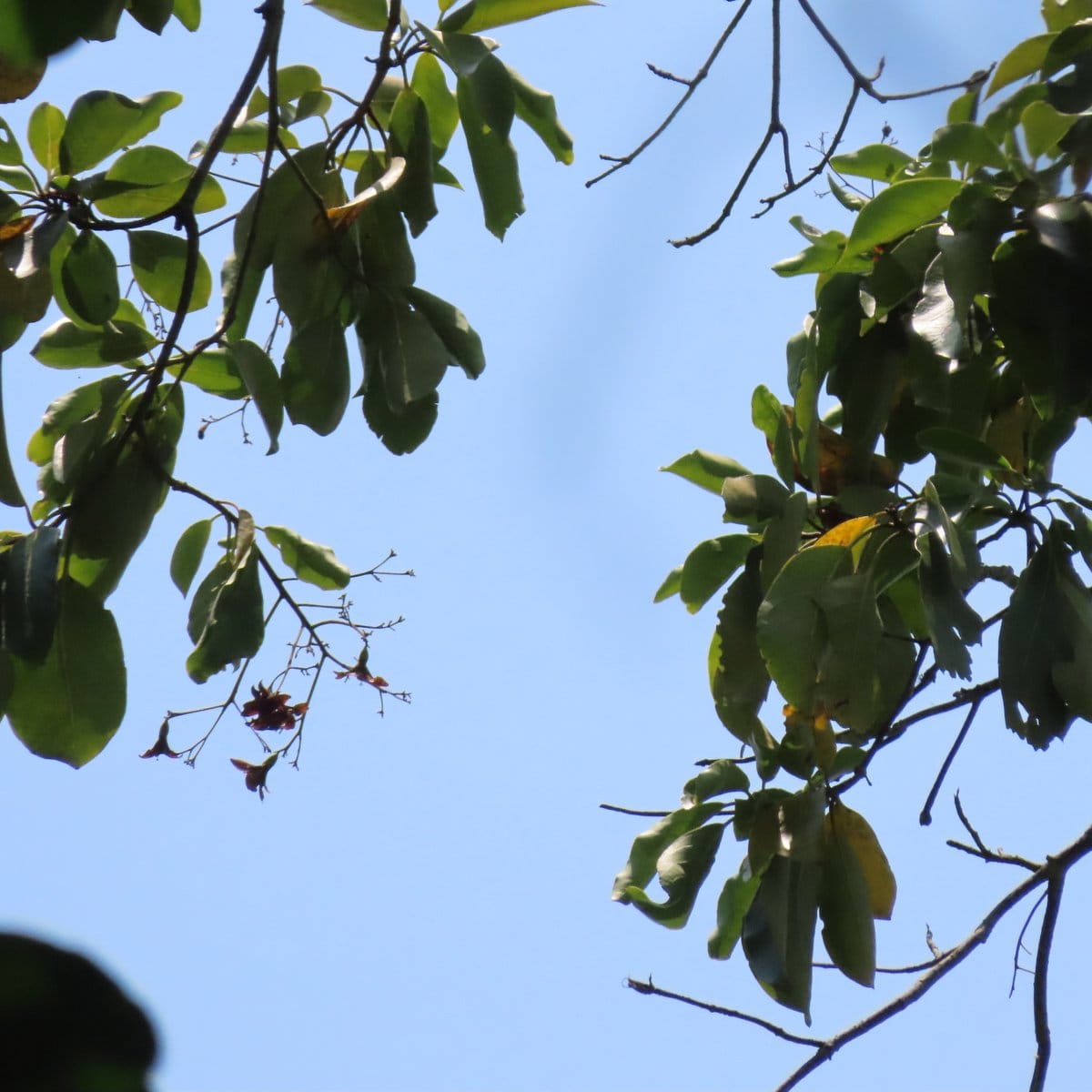
Quick facts
Native Region
Central America and Mexico
Max Height
30-45 meters (100-150 feet)
Family
Cordiaceae
Conservation
VU — Vulnerable
Uses
Safety Information
Toxicity Details
Non-toxic. Member of Cordiaceae family (Cordia and allies; formerly placed in Boraginaceae s.l.). No toxic compounds of concern. Safe tree overall.
Skin Contact Risks
No skin irritation. Safe to handle.
Allergenic Properties
Very low allergen risk. Not known to cause significant allergic reactions.
Wildlife & Pet Risks
Safe for wildlife and livestock.
Season
Flowering
Jan-Mar
Fruiting
Mar-May
How to identify
Laurel Negro
Laurel Negro (Cordia megalantha), also known as Black Laurel, is one of the most prized native timber trees of Costa Rica's Pacific slope. Its dense, dark heartwood produces furniture and construction timber of exceptional quality, comparable to imported precious woods.
Quick Reference
iNaturalist Observations
Community-powered species data
📸 Photo Gallery
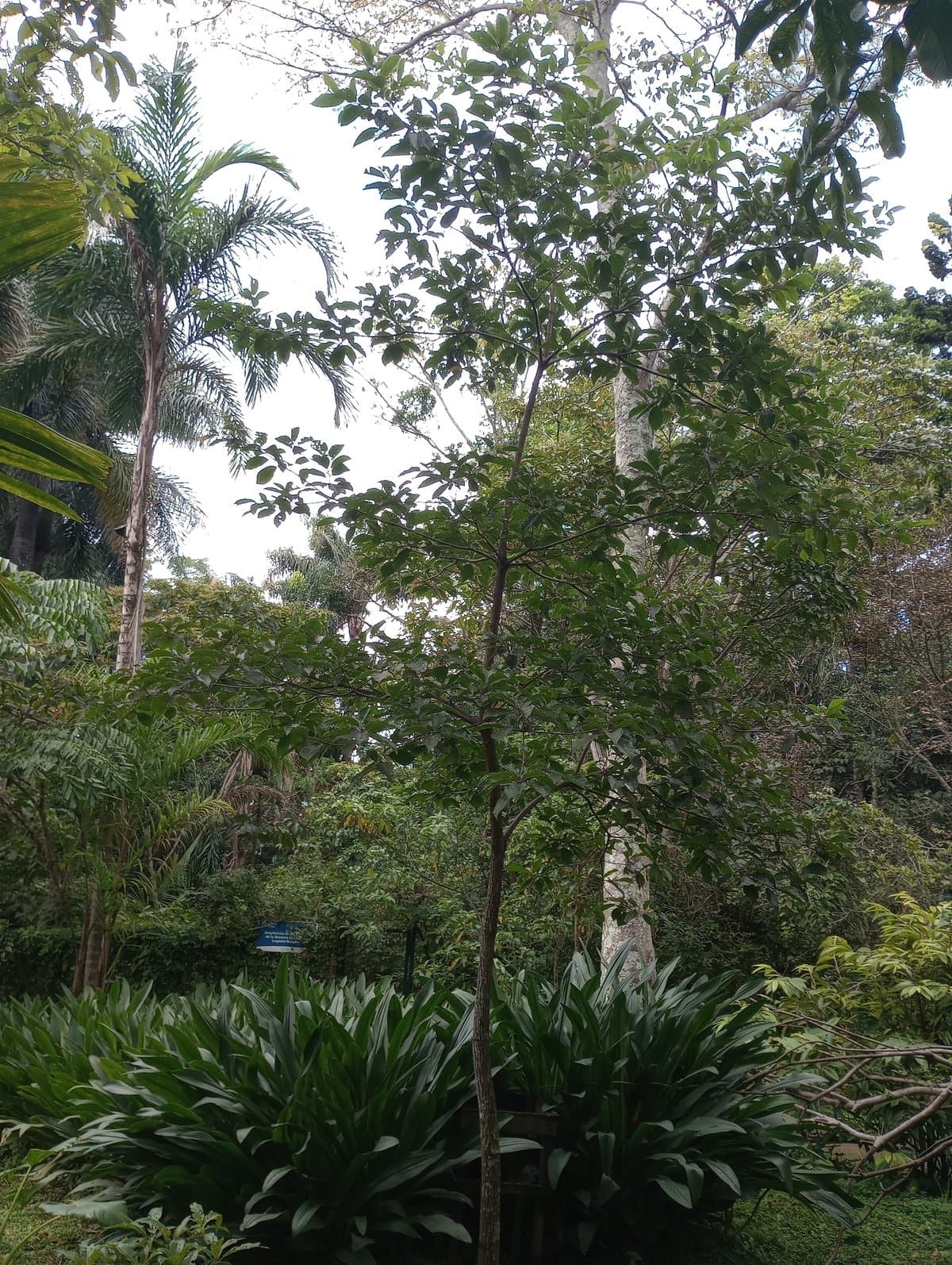
Whole tree
📷 (c) delmer jonathan, some rights reserved (CC BY-NC)(CC BY-NC)
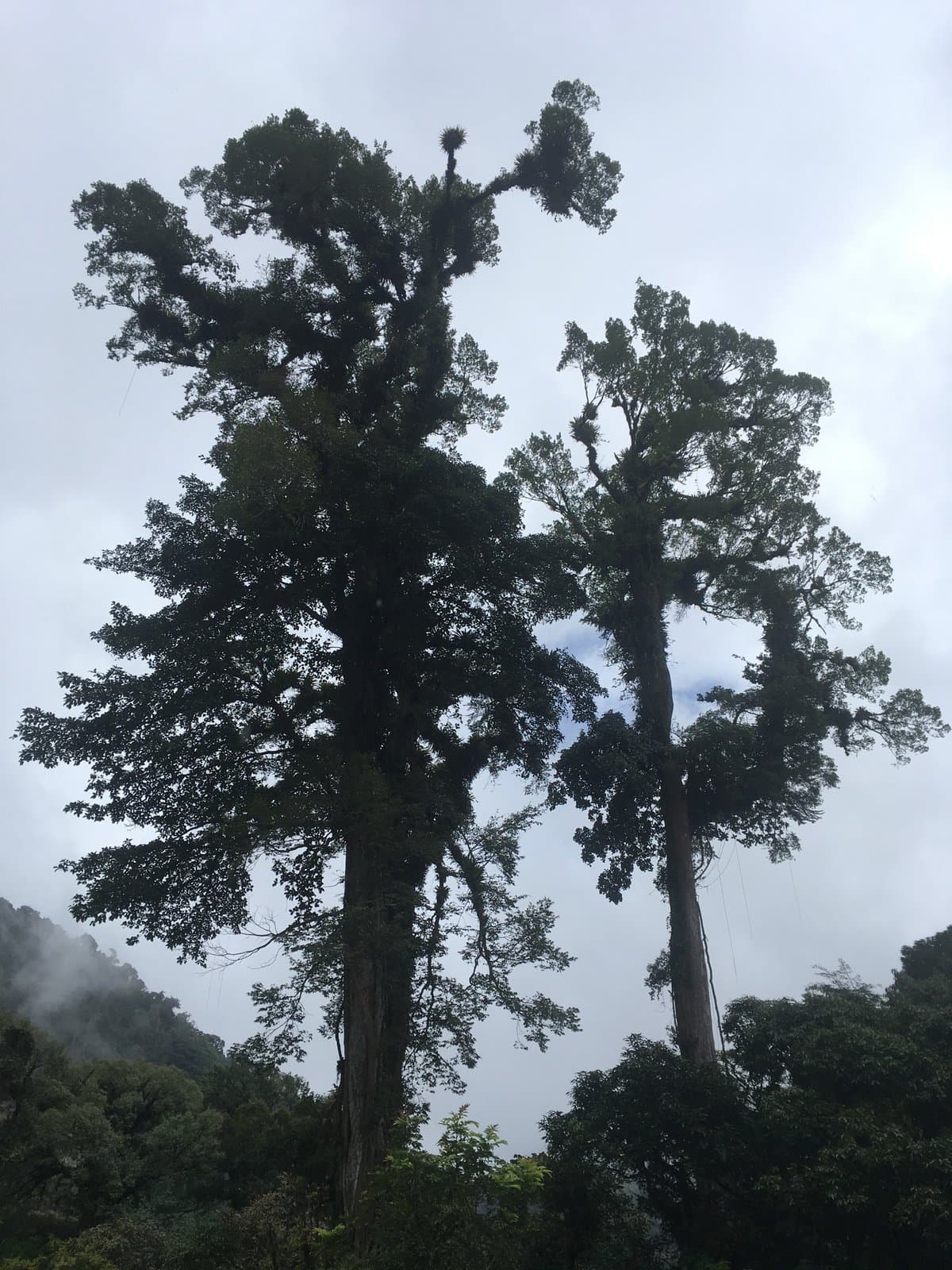
View source ↗Whole tree
📷 (c) Francisco Jose Gomez Marin, some rights reserved (CC BY-NC)(CC BY-NC)
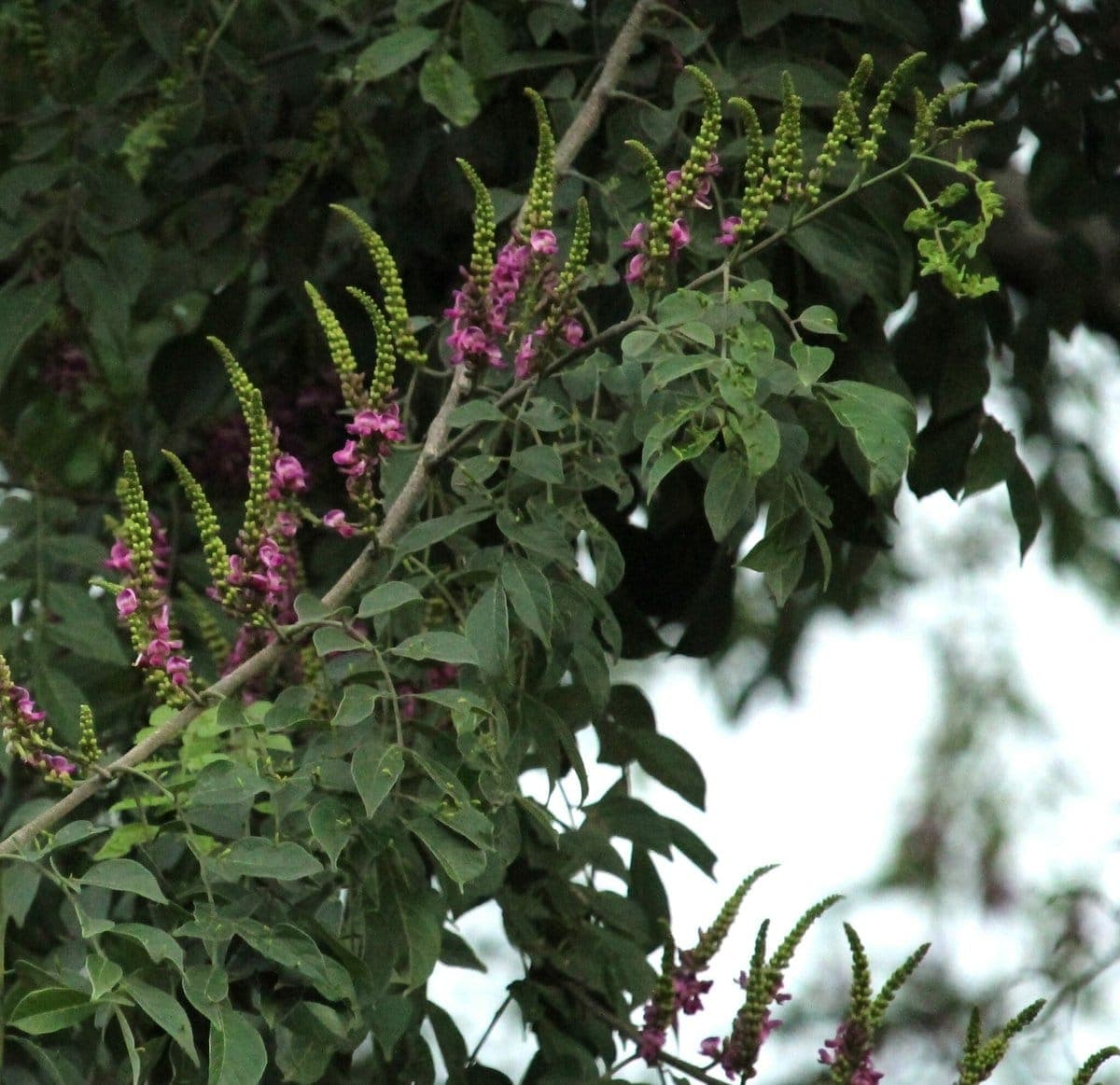
View source ↗Whole tree
📷 (c) Francisco Jose Gomez Marin, some rights reserved (CC BY-NC)(CC BY-NC)
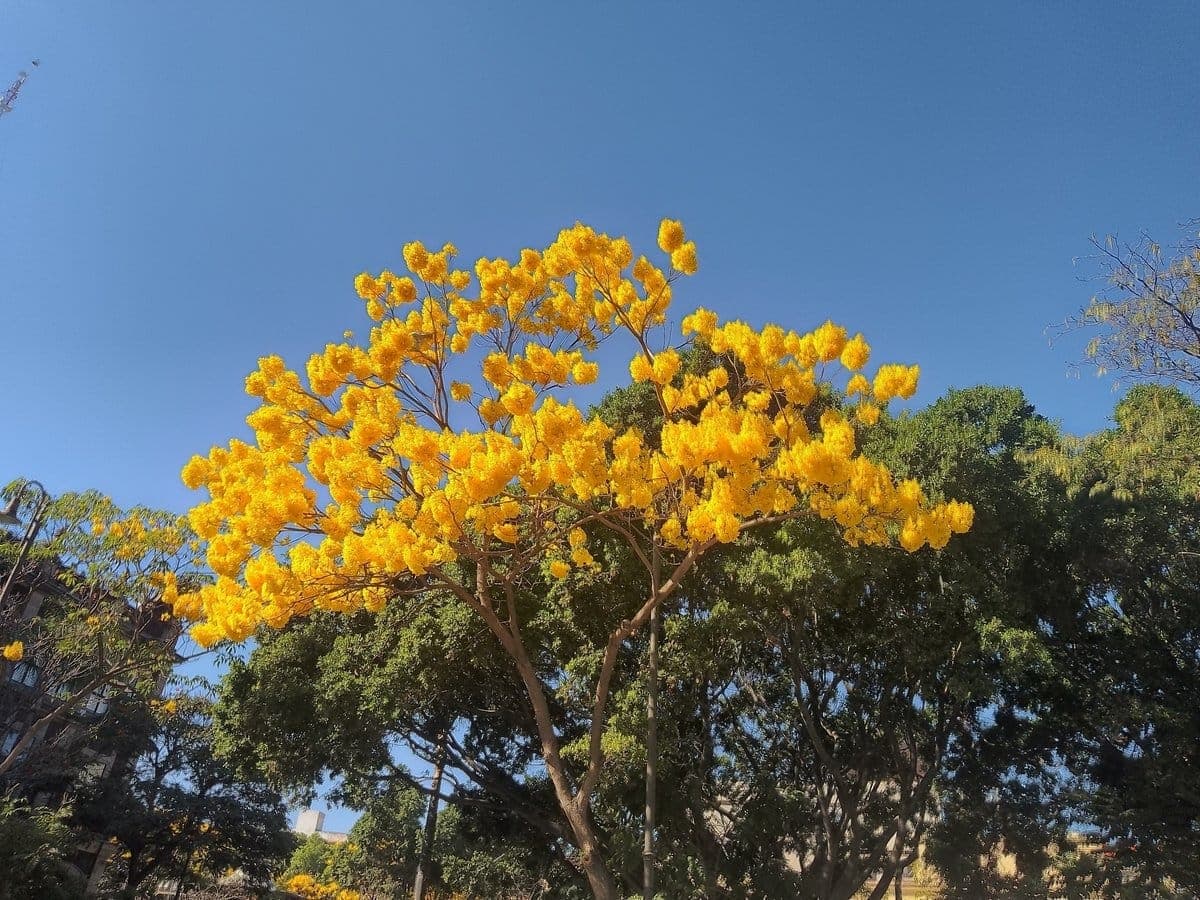
View source ↗Whole tree
📷 (c) Alexis López Hernández, some rights reserved (CC BY)(CC BY)
View source ↗Photos sourced from iNaturalist's community science database. Browse all observations →↗
Taxonomy & Classification
Geographic Distribution
Geographic Distribution
Where to Find Laurel Negro in Costa Rica
Primary Habitats:
Elevation: Sea level to ~1,200 m
Habitat & Ecology
Ecological Role
Laurel Negro provides multiple ecosystem services:
Wildlife Associations
Animals dependent on Laurel Negro:
Laurel Negro has been heavily logged due to its valuable timber. Wild populations are now uncommon, and the species is considered vulnerable. Sustainable plantation forestry is being developed.
Botanical Description
Wood Properties
Appearance
Physical Properties
Laurel Negro heartwood is among the finest native timbers of Central America. Its dark color, high density, and excellent workability place it in the same class as imported tropical hardwoods.
Uses
Conservation Status
Conservation Concerns
Threats to Laurel Negro:
Growing Laurel Negro
Similar Species
Where to See Laurel Negro Trees
Best Locations in Costa Rica
Protected Areas:
Tips:
External Resources
Community observations, photos, and distribution data
Global observations
Taxonomic information and specimens
Missouri Botanical Garden
Global biodiversity occurrence data and distribution maps
Conservation status and species assessment
References
📚 Scientific References & Further Reading
Jiménez, Q., et al. (2002). Árboles maderables de Costa Rica. Editorial INBio, Costa Rica
Holdridge, L.R. & Poveda, L.J. (1975). Árboles de Costa Rica Vol. 1. Centro Científico Tropical
The Laurel Negro (Cordia megalantha) represents the finest traditions of Costa Rican woodworking. Its dark, lustrous heartwood has graced fine furniture for generations, and today sustainable forestry efforts are working to ensure this magnificent species continues to thrive for future craftsmen and forests alike.
🌳 ¡Pura Vida!
Safety Information Disclaimer
Safety information is provided for educational purposes only. Individual reactions may vary significantly based on age, health status, amount of exposure, and individual sensitivity. Always supervise children around plants. Consult a medical professional or certified arborist for specific concerns. The Costa Rica Tree Atlas is not liable for injuries or damages resulting from interaction with trees described in this guide.
• Always supervise children around plants
• Consult medical professional if unsure
• Seek immediate medical attention if poisoning occurs
Information compiled from authoritative toxicology sources, scientific literature, and medical case reports.
Help improve this page
Know something about this tree? Share local knowledge, suggest a correction, or submit a photo to improve this guide for everyone.