Teak
Tectona grandis
Quick facts
Native Region
South and Southeast Asia
Max Height
30-45 meters
Family
Lamiaceae
Conservation
EN — Endangered
Uses
Safety Information
Toxicity Details
The living tree is non-toxic. All parts including leaves, flowers, and seeds are safe if ingested in normal amounts. However, teak is well-known for causing significant occupational health issues in woodworkers.
Skin Contact Risks
Fresh plant parts generally safe. Some individuals may experience mild skin irritation from leaves or sap. Wood sawdust can cause dermatitis in sensitive individuals.
Allergenic Properties
WOOD DUST HAZARD: Teak wood dust is a potent respiratory sensitizer and allergen. Woodworkers commonly develop allergic reactions including asthma, rhinitis, and dermatitis. Dust contains quinones (tectoquinone) that cause sensitization. Long-term exposure can lead to chronic respiratory issues. Proper dust collection and respiratory protection REQUIRED when working with teak wood. Not a concern for living tree.
Wildlife & Pet Risks
Safe for wildlife and livestock. Leaves are browsed by deer and livestock without harm.
Season
Flowering
Jun-Aug
Fruiting
Jan-Feb, Nov-Dec
How to identify
Teak
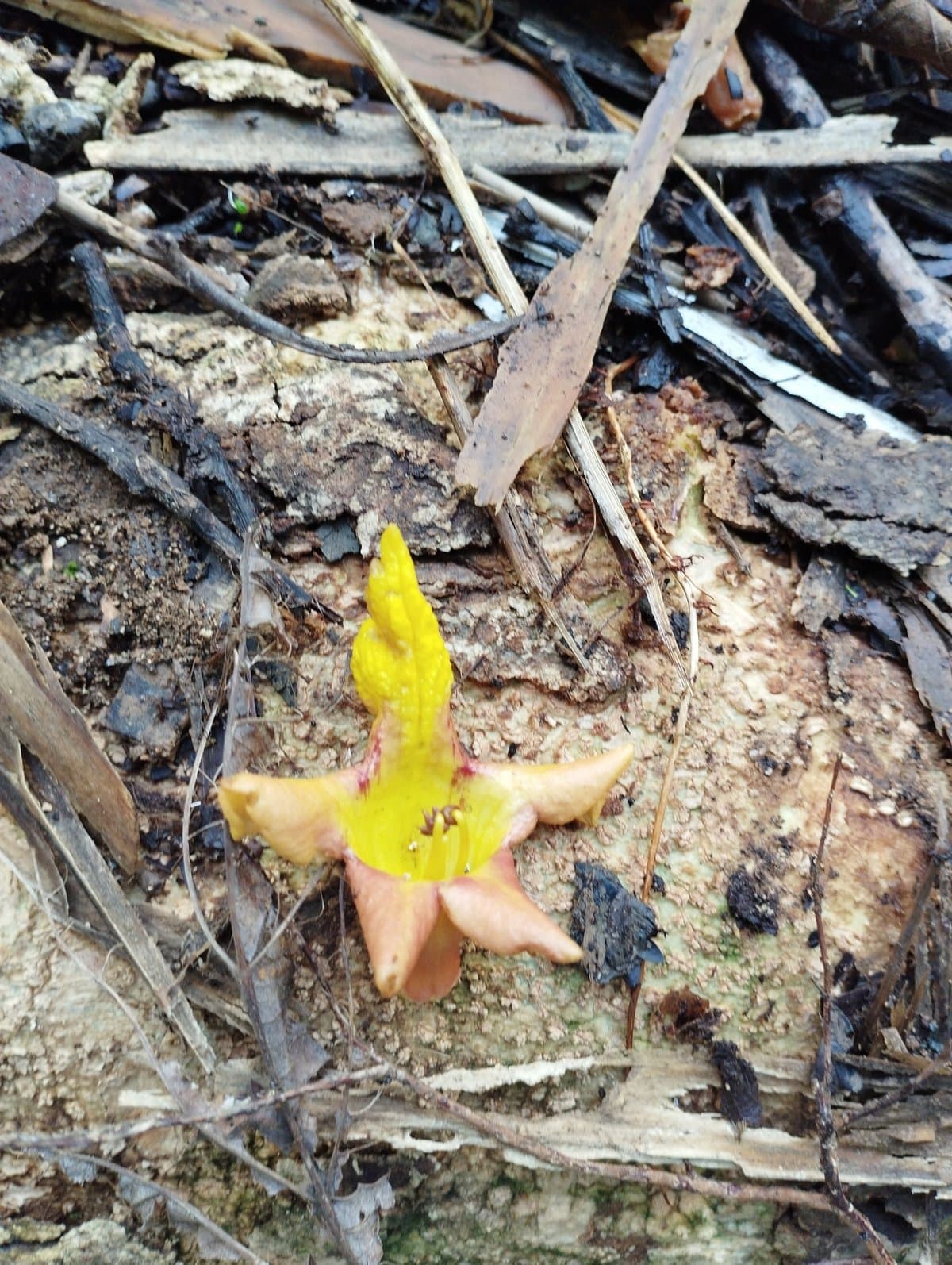
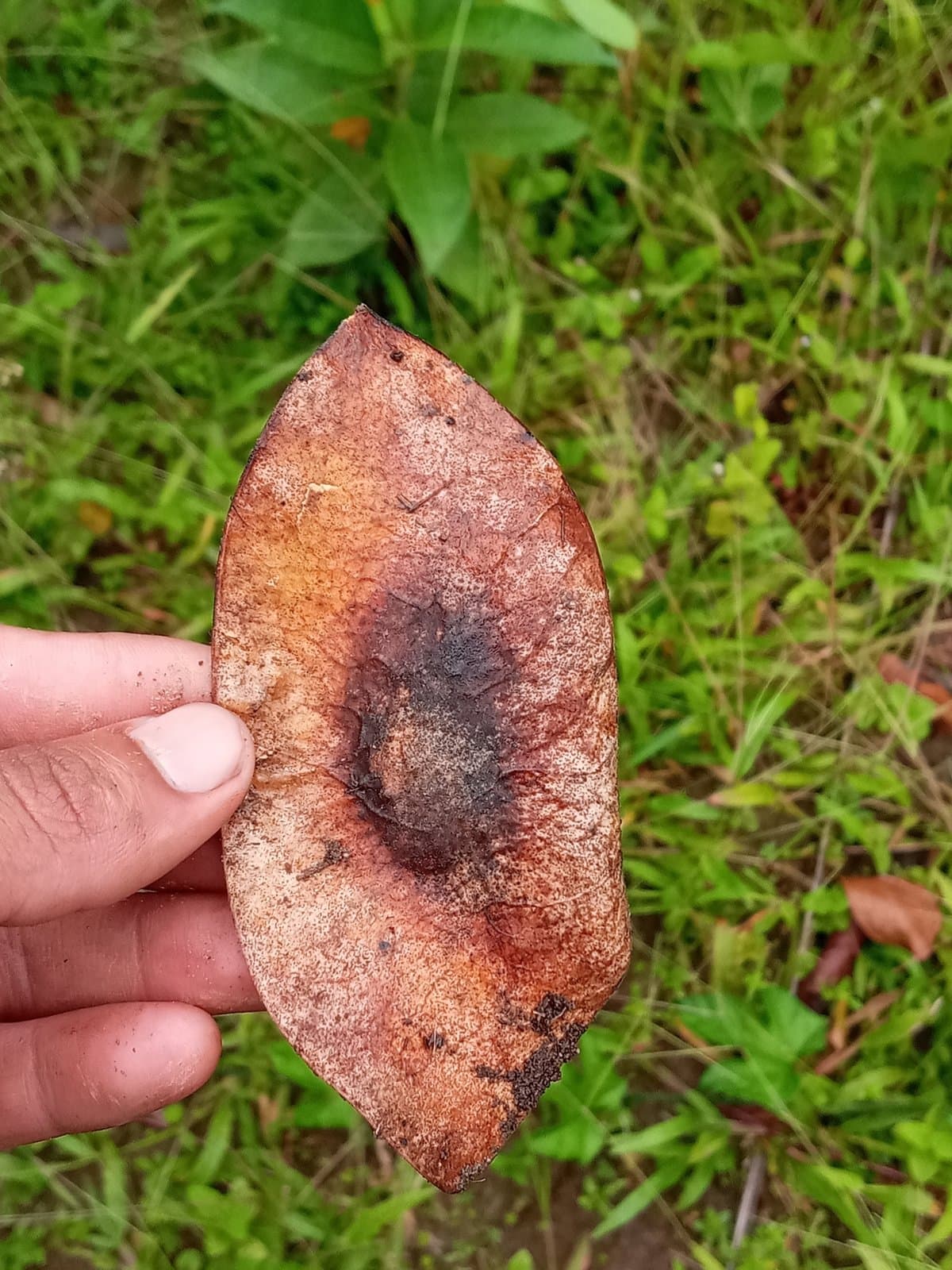
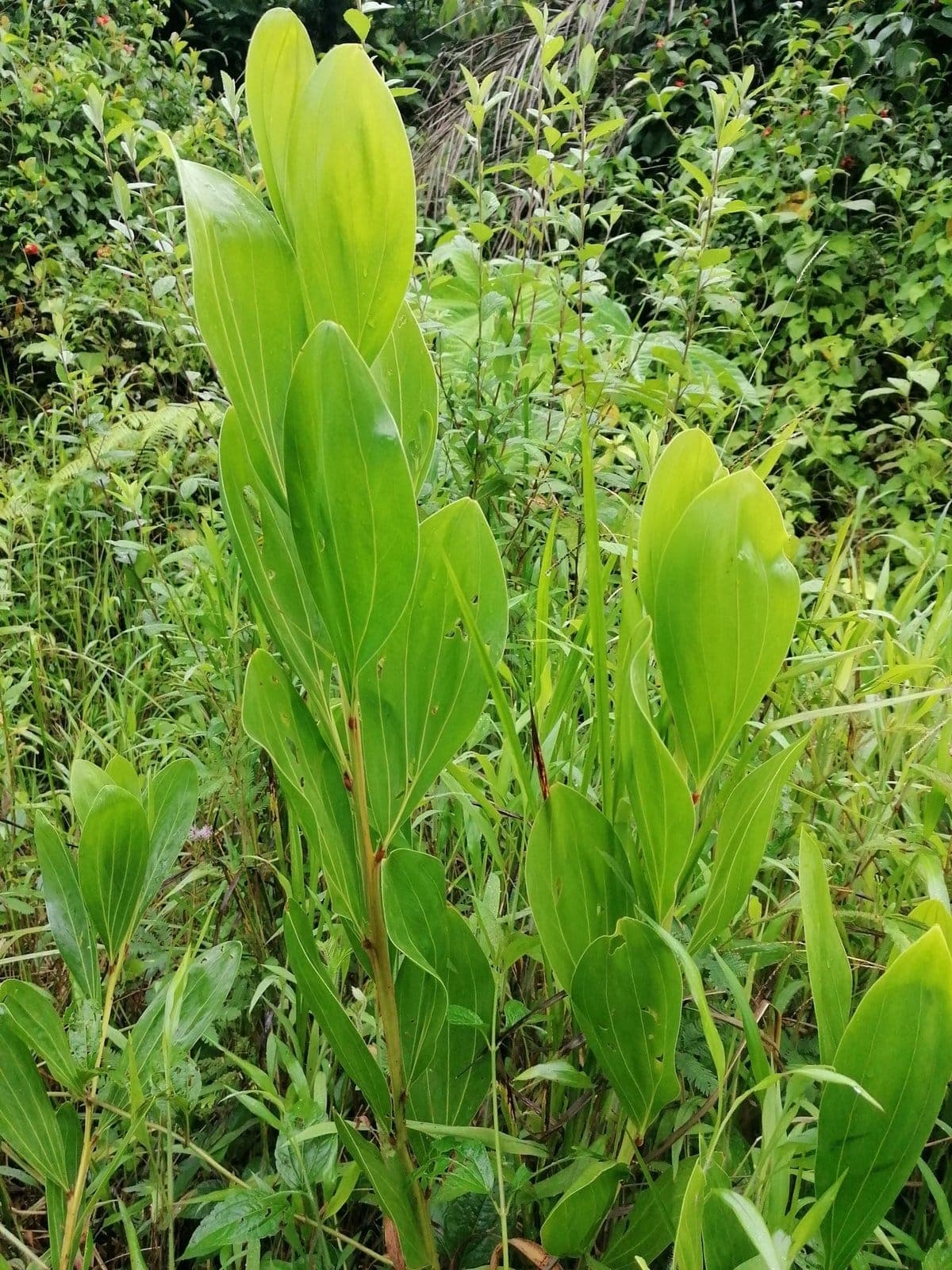
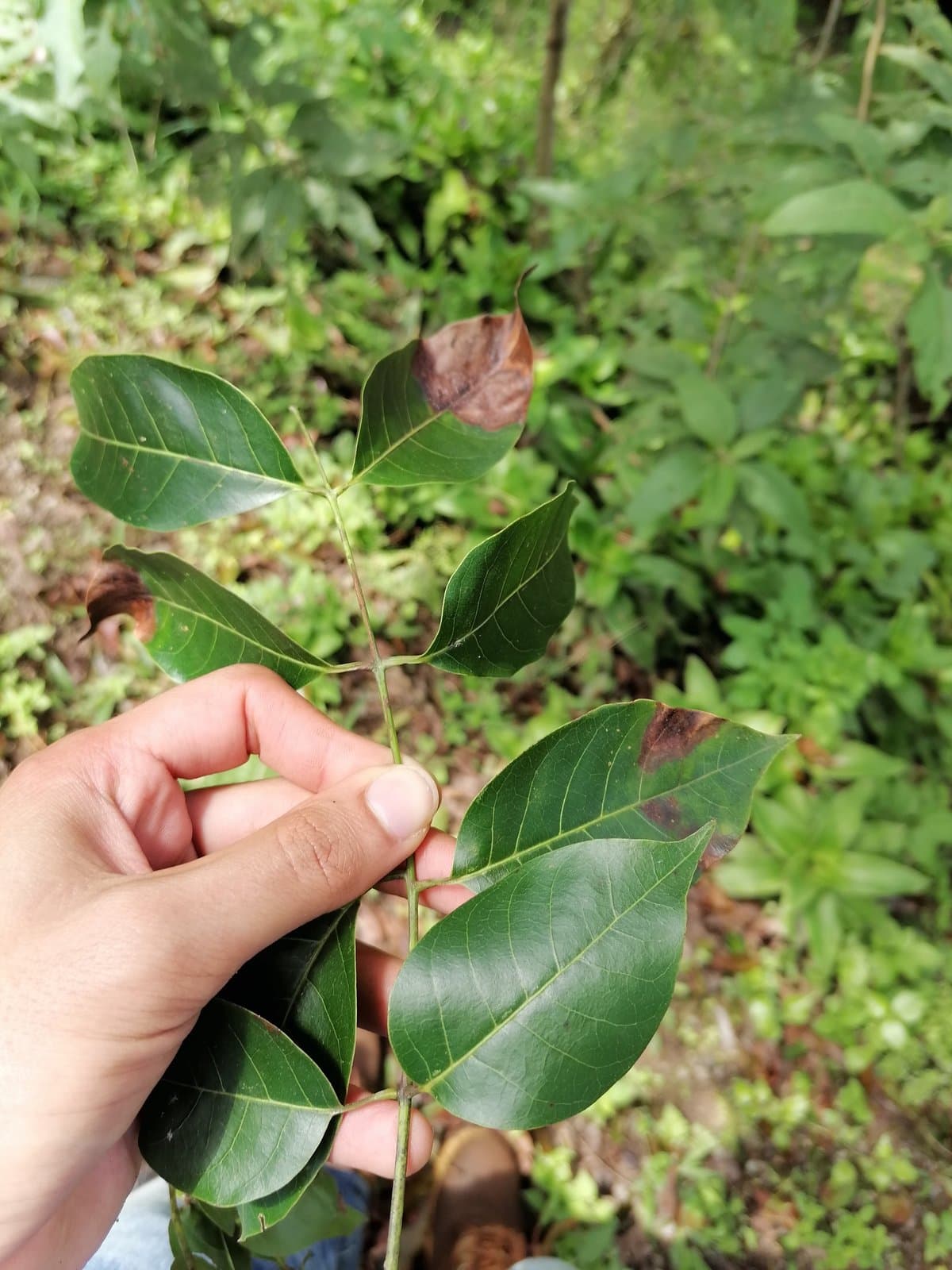
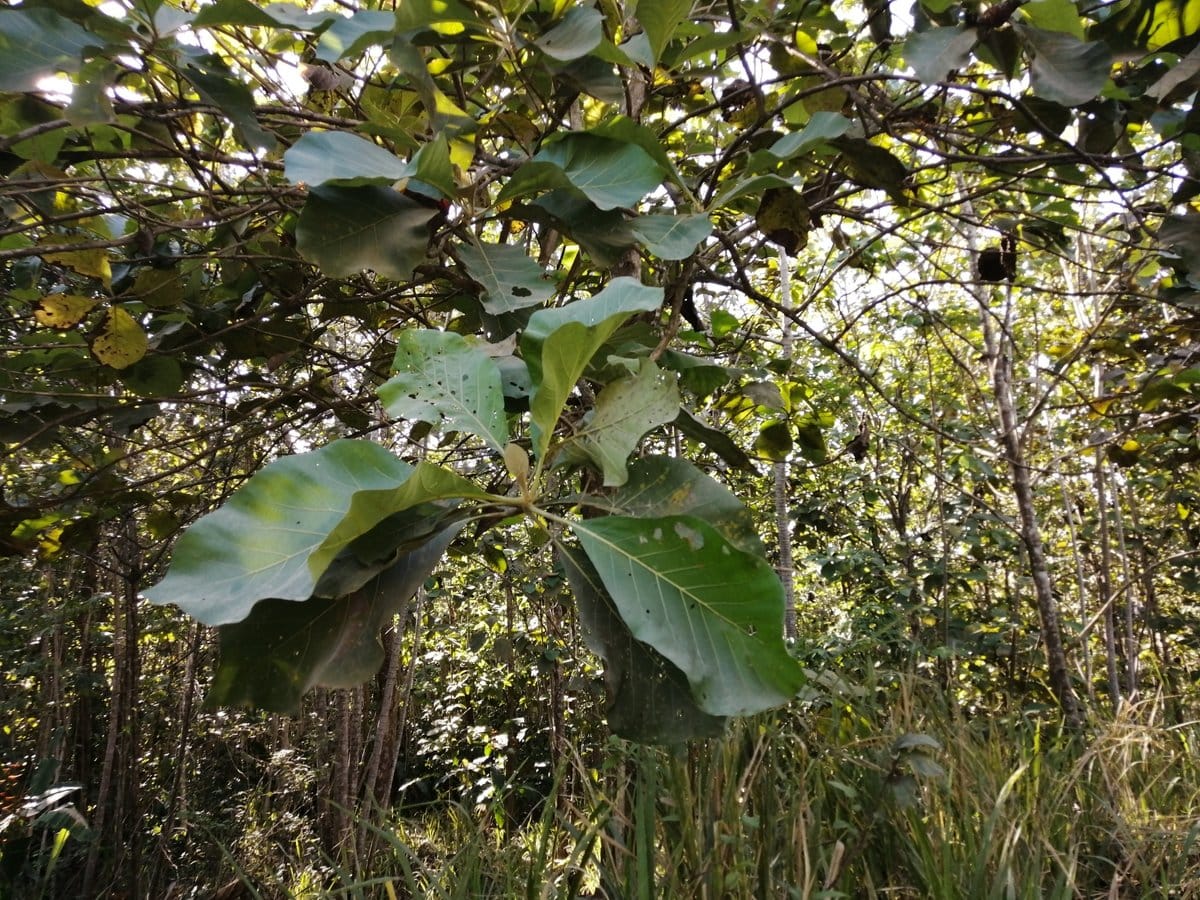
Teak (Tectona grandis) is arguably the world's most prized tropical hardwood, renowned for its exceptional durability, natural resistance to rot and insects, and beautiful golden-brown color. Though native to Asia, Costa Rica has become a major producer of plantation teak, with extensive forests in Guanacaste and the Northern Zone.
Quick Reference
iNaturalist Observations
Community-powered species data
📸 Photo Gallery
Whole tree
📷 (c) oceansunfish77, some rights reserved (CC BY-NC)(CC BY-NC)
View source ↗Leaves
📷 (c) oceansunfish77, some rights reserved (CC BY-NC)(CC BY-NC)
View source ↗Whole tree
📷 (c) Fabrício Mil Homens Riella, some rights reserved (CC BY)(CC BY-NC)
View source ↗Leaves
📷 (c) Fabrício Mil Homens Riella, some rights reserved (CC BY)(CC BY-NC)
View source ↗Whole tree
📷 (c) Bill, some rights reserved (CC BY-NC)(CC BY-NC)
View source ↗Photos sourced from iNaturalist's citizen science database. View all observations →↗
Taxonomy & Classification
Geographic Distribution
Geographic Distribution
Where to Find Teak in Costa Rica
Plantation Regions:
Elevation: Sea level to ~800 m
Habitat & Ecology
Plantation Ecology
Teak plantations in Costa Rica:
Wildlife Associations
Animals in teak plantations:
While teak provides economic value, pure plantations support far less biodiversity than native forests. Sustainable forestry practices in Costa Rica increasingly incorporate wildlife corridors and mixed plantings.
Botanical Description
Wood Properties
Appearance
Physical Properties
Teak's legendary durability comes from its high natural oil content and silica deposits. It resists rot, fungi, termites, and marine borers like no other wood, making it ideal for boats, outdoor furniture, and any exposed application.
Uses
Conservation Status
Conservation Status: Complex
Wild vs. Plantation teak:
While wild teak is endangered in its native range, plantation-grown teak from Costa Rica and other countries provides a sustainable alternative. Look for FSC (Forest Stewardship Council) certification when purchasing.
Growing Teak
Similar Species
Where to See Teak Trees
Best Locations in Costa Rica
Plantation Areas:
Tips:
External Resources
Community observations, photos, and distribution data
Global observations
Detailed wood properties and identification
Wood Database
Global biodiversity occurrence data and distribution maps
Conservation status and species assessment
References
📚 Scientific References & Further Reading
Pandey, D. & Brown, C. (2000). Teak: A global overview. Unasylva 51(201): 3-13
Kollert, W. & Cherubini, L. (2012). Teak resources and market assessment. FAO Planted Forests and Trees Working Paper FP/47/E
Teak (Tectona grandis) represents the pinnacle of tropical hardwoods—its combination of beauty, durability, and workability is unmatched. While wild populations are endangered in Asia, Costa Rica's sustainable plantations demonstrate how responsible forestry can meet global demand while creating economic opportunity. Every teak deck and piece of outdoor furniture from Costa Rica represents a renewable harvest rather than forest destruction.
🌳 ¡Pura Vida!
Safety Information Disclaimer
Safety information is provided for educational purposes only. Individual reactions may vary significantly based on age, health status, amount of exposure, and individual sensitivity. Always supervise children around plants. Consult a medical professional or certified arborist for specific concerns. The Costa Rica Tree Atlas is not liable for injuries or damages resulting from interaction with trees described in this guide.
• Always supervise children around plants
• Consult medical professional if unsure
• Seek immediate medical attention if poisoning occurs
Information compiled from authoritative toxicology sources, scientific literature, and medical case reports.
Help improve this page
Know something about this tree? Share local knowledge, suggest a correction, or submit a photo to improve this guide for everyone.