Botarrama
Vochysia ferruginea
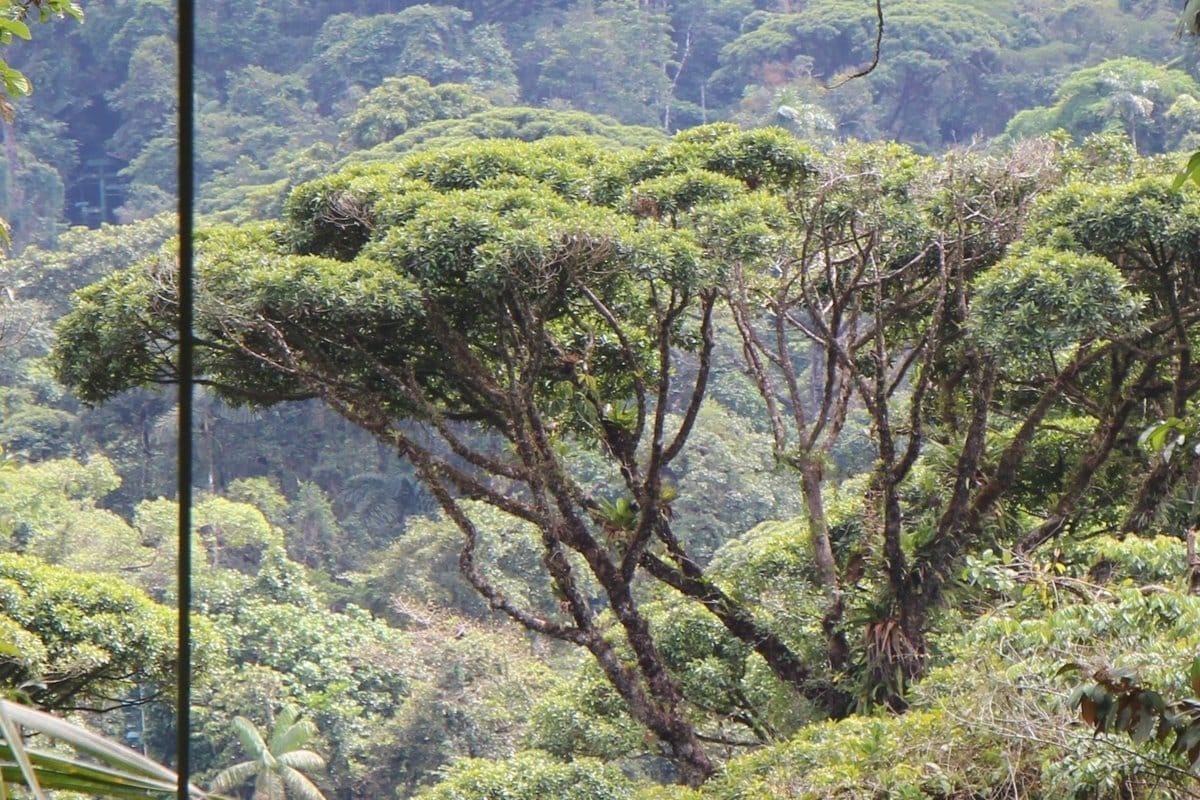
Quick facts
Native Region
Central and South America
Max Height
30-40 meters (100-130 feet)
Family
Vochysiaceae
Conservation
LC — Least Concern
Uses
Safety Information
Toxicity Details
Non-toxic. No known poisonous properties.
Skin Contact Risks
No known skin irritation. Safe to handle.
Season
Flowering
Apr-Jun
Fruiting
Jul-Sep
How to identify
Botarrama
Botarrama (Vochysia ferruginea), also known as Mayo or Chancho Colorado, is one of the most successful native reforestation species in Costa Rica. This fast-growing pioneer rapidly colonizes degraded lands, creating the forest structure that allows slower-growing species to establish.
Quick Reference
iNaturalist Observations
Community-powered species data
📸 Photo Gallery
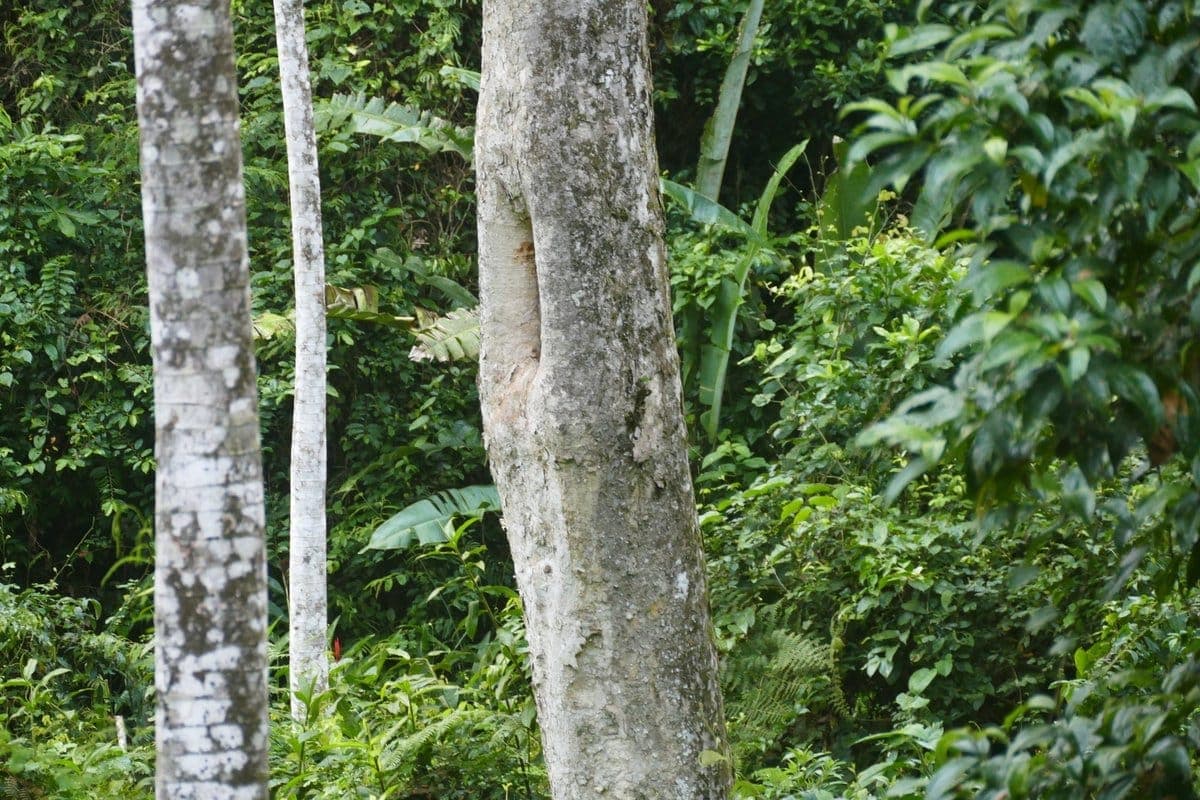
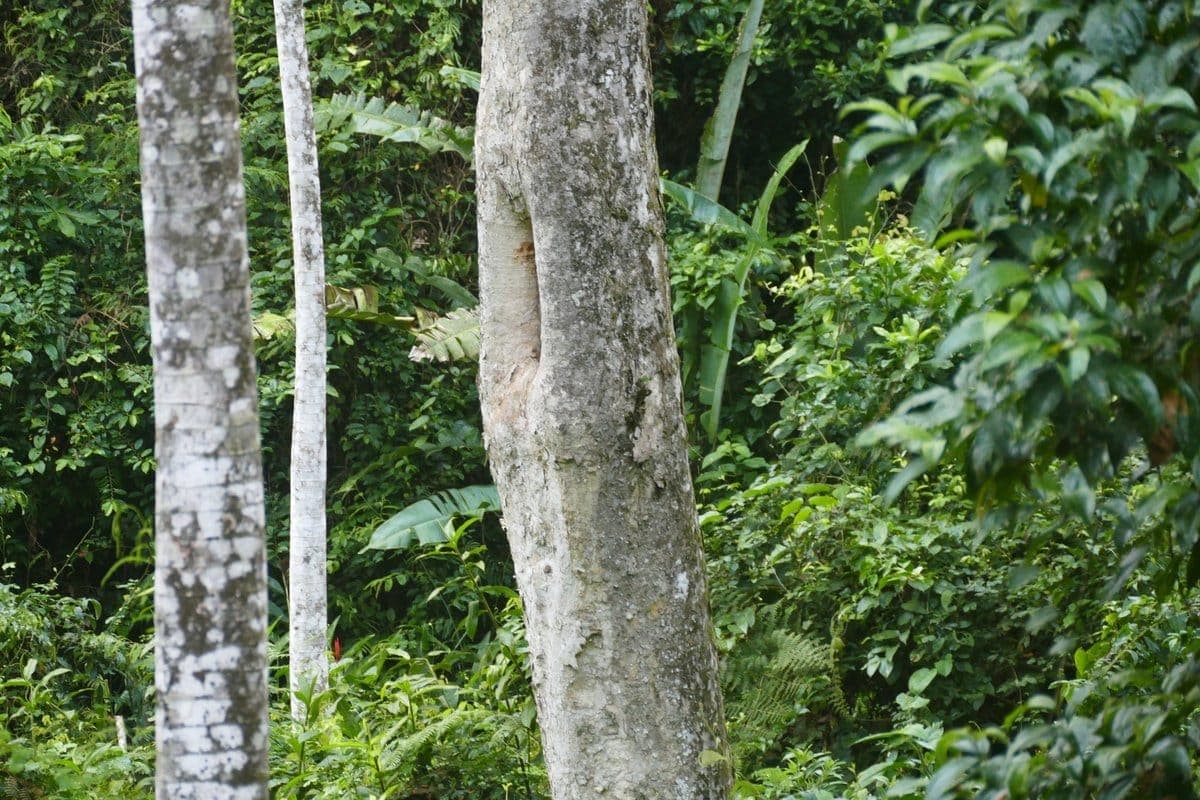
Whole tree
📷 (c) Francisco Mendoza, some rights reserved (CC BY-NC)(CC BY-NC)
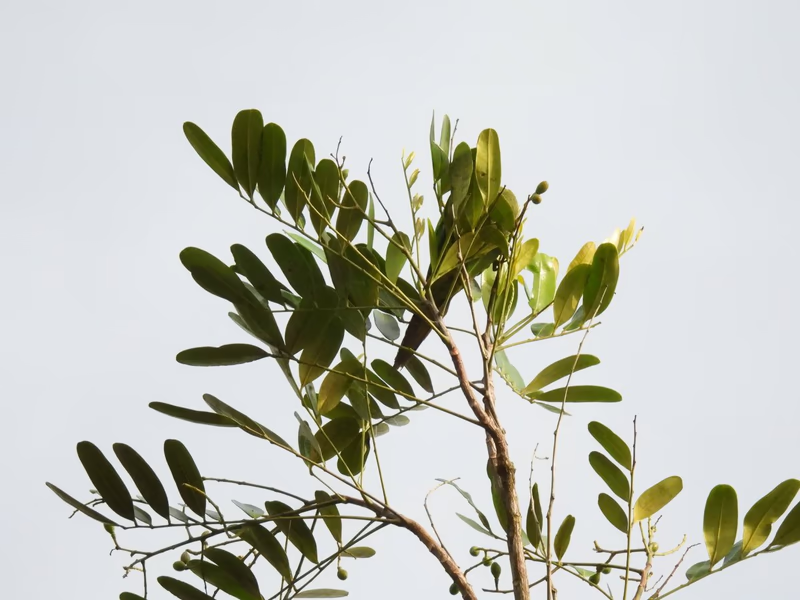
View source ↗Leaves
📷 (c) Francisco Mendoza, some rights reserved (CC BY-NC)(CC BY-NC)
View source ↗Flowers
📷 (c) Karen and Dave at Ballena Royale in Escaleras, some rights reserved (CC BY-NC)(CC BY-NC)
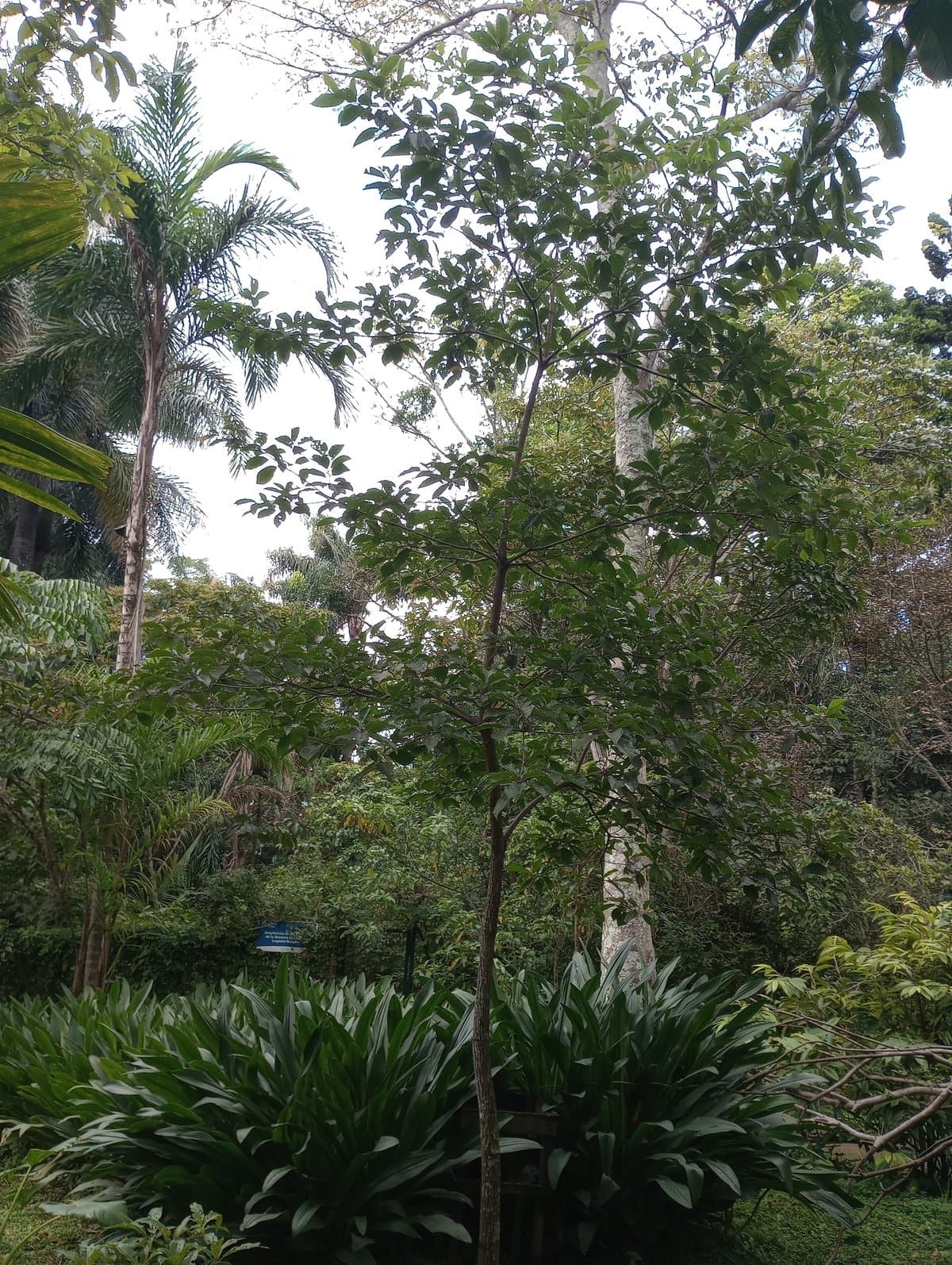
View source ↗Whole tree
📷 (c) Jerry Kosanovich, some rights reserved (CC BY-NC)(CC BY-NC)
View source ↗Leaves
📷 (c) Francisco Mendoza, some rights reserved (CC BY-NC)(CC BY-NC)
View source ↗Photos sourced from iNaturalist's community science database. Browse all observations →↗
Taxonomy & Classification
Geographic Distribution
Geographic Distribution
Where to Find Botarrama in Costa Rica
Primary Habitats:
Elevation: Sea level to ~1,500 m
Habitat & Ecology
Ecological Role
Botarrama is a keystone pioneer species:
Wildlife Associations
Animals dependent on Botarrama:
Botarrama is arguably Costa Rica's most important native reforestation species. Its rapid growth on degraded soils makes it invaluable for ecosystem restoration and carbon sequestration projects.
Botanical Description
Wood Properties
Appearance
Physical Properties
Uses
Conservation Status
Conservation Status: Secure
Botarrama is not threatened:
Growing Botarrama
Similar Species
Where to See Botarrama Trees
Best Locations in Costa Rica
Easy to Find:
Tips:
External Resources
Community observations, photos, and distribution data
Global observations
Tropical agricultural research and reforestation
Costa Rica research center
Global biodiversity occurrence data and distribution maps
Conservation status and species assessment
References
📚 Scientific References & Further Reading
Butterfield, R.P. (1994). Forestry in Costa Rica: Status, research priorities, and the role of La Selva Biological Station. In: La Selva: Ecology and Natural History of a Neotropical Rain Forest
Finegan, B. & Delgado, D. (2000). Structural and floristic heterogeneity in a 30-year-old Costa Rican rain forest restored on pasture through natural secondary succession. Restoration Ecology 8(4): 380-393
The Botarrama (Vochysia ferruginea) may not produce precious timber, but its value to Costa Rica's forests is immeasurable. As a pioneer species, it transforms degraded pastures back into functioning forests, creating habitat for wildlife and storing carbon. In an era of forest restoration, few trees are more important.
🌳 ¡Pura Vida!
Safety Information Disclaimer
Safety information is provided for educational purposes only. Individual reactions may vary significantly based on age, health status, amount of exposure, and individual sensitivity. Always supervise children around plants. Consult a medical professional or certified arborist for specific concerns. The Costa Rica Tree Atlas is not liable for injuries or damages resulting from interaction with trees described in this guide.
• Always supervise children around plants
• Consult medical professional if unsure
• Seek immediate medical attention if poisoning occurs
Information compiled from authoritative toxicology sources, scientific literature, and medical case reports.
Help improve this page
Know something about this tree? Share local knowledge, suggest a correction, or submit a photo to improve this guide for everyone.