Aceituno
Simarouba amara
Quick facts
Native Region
Central and South America, Caribbean
Max Height
25-35 meters
Family
Simaroubaceae
Conservation
LC — Least Concern
Uses
Safety Information
Toxicity Details
Aceituno contains quassinoids (bitter compounds) primarily in the bark, which have medicinal properties but can cause mild stomach upset if consumed in large quantities. The bark is traditionally used medicinally for treating fever, malaria, and intestinal parasites - these same compounds that make it medicinal also make large doses mildly toxic. However, the tree itself poses minimal risk. Seeds contain oils and are edible when processed, though raw seeds may cause mild digestive discomfort due to bitter compounds. Not typically consumed by children due to bitter taste.
Skin Contact Risks
No skin irritation. Safe to handle all parts of the tree including bark, leaves, and fruit.
Wildlife & Pet Risks
Safe for pets and livestock. The bitter compounds in bark may deter animals from excessive consumption but pose no serious risk. Wildlife including birds and mammals consume the seeds without issue.
Season
Flowering
Mar-May
Fruiting
May-Aug
How to identify
Aceituno
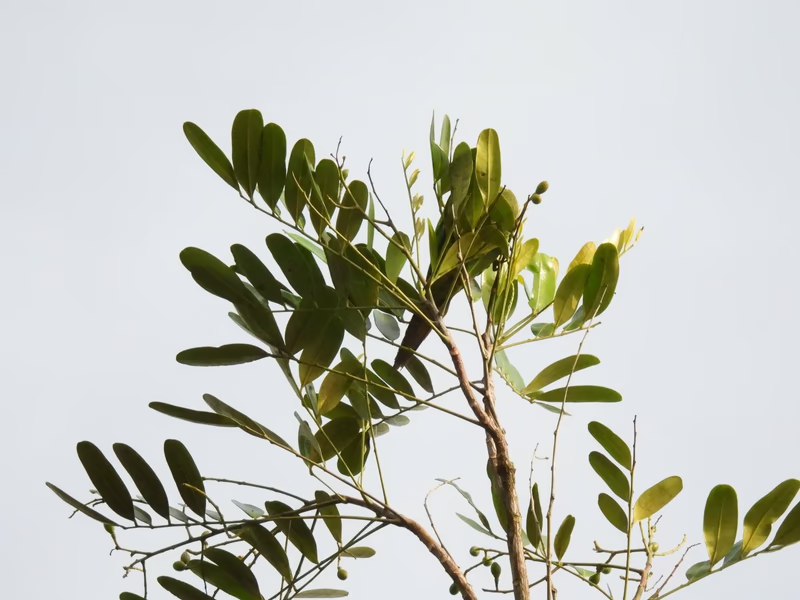
The Aceituno (Simarouba amara), also known as Paradise Tree or Bitterwood, is a remarkable fast-growing rainforest tree valued across the Americas for its potent medicinal properties, lightweight wood, and oil-rich seeds. Indigenous peoples have used its bitter bark for centuries to treat fevers, parasites, and digestive ailments.
Quick Reference
iNaturalist Observations
Community-powered species data
📸 Photo Gallery
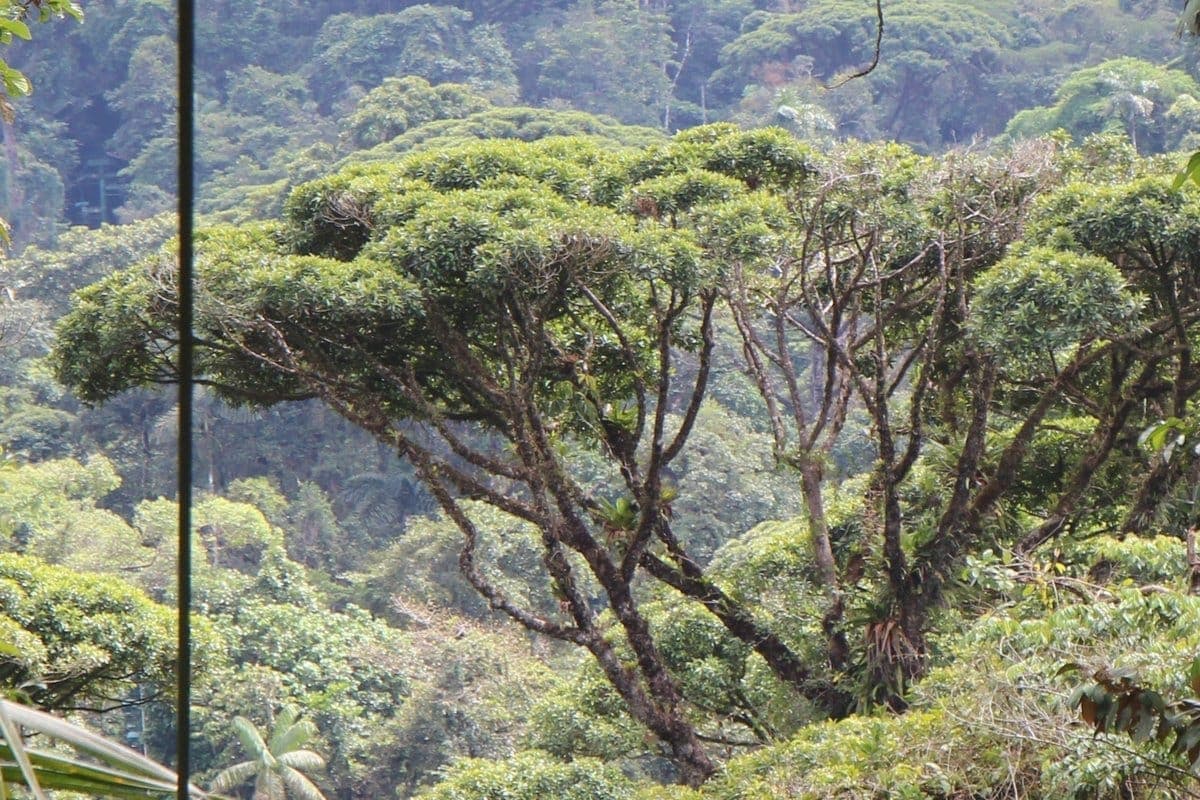
Whole tree
📷 (c) Howard Friedman, some rights reserved (CC BY-NC)(CC BY-NC)
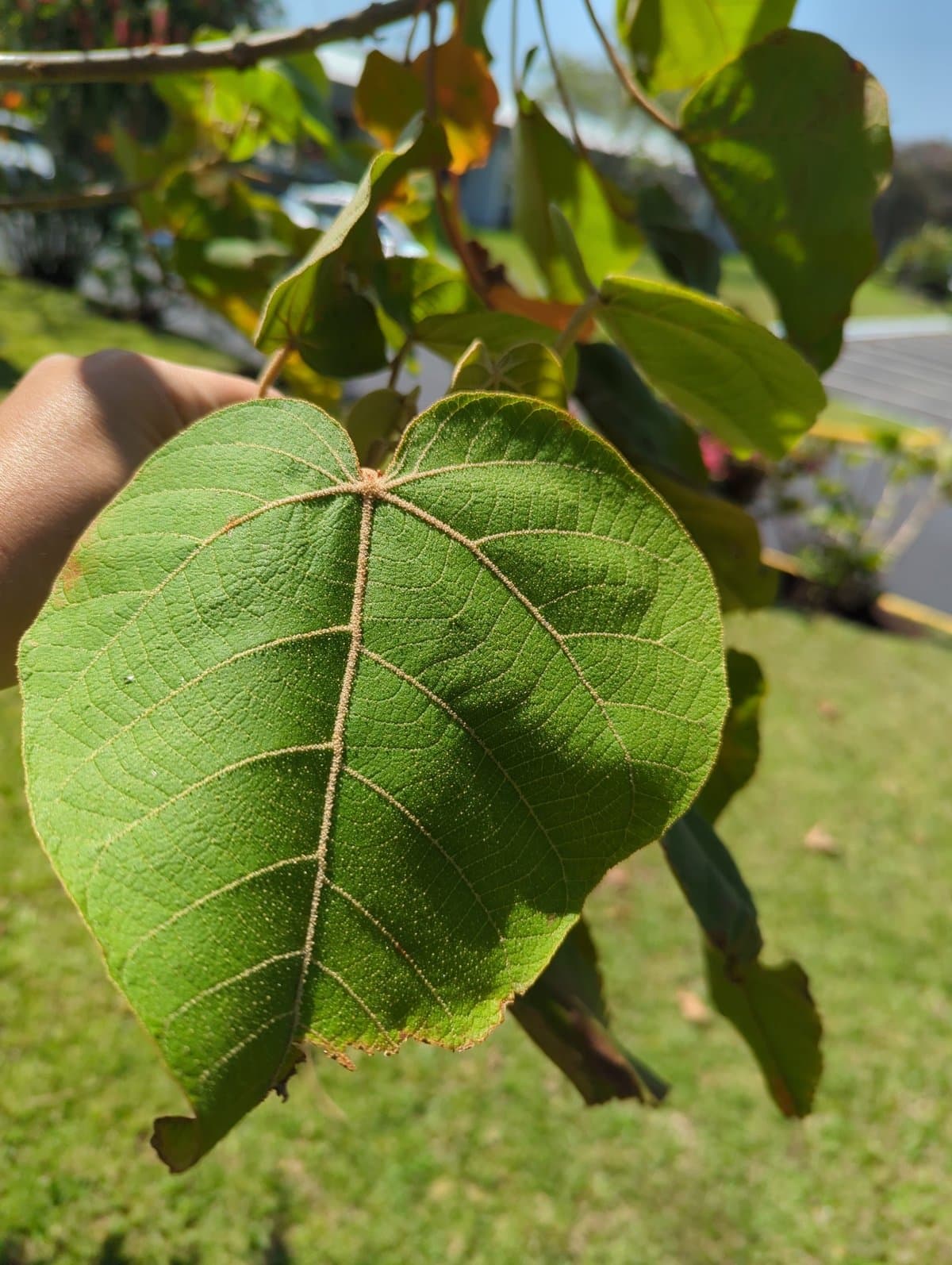
View source ↗Leaves
📷 (c) Howard Friedman, some rights reserved (CC BY-NC)(CC BY-NC)
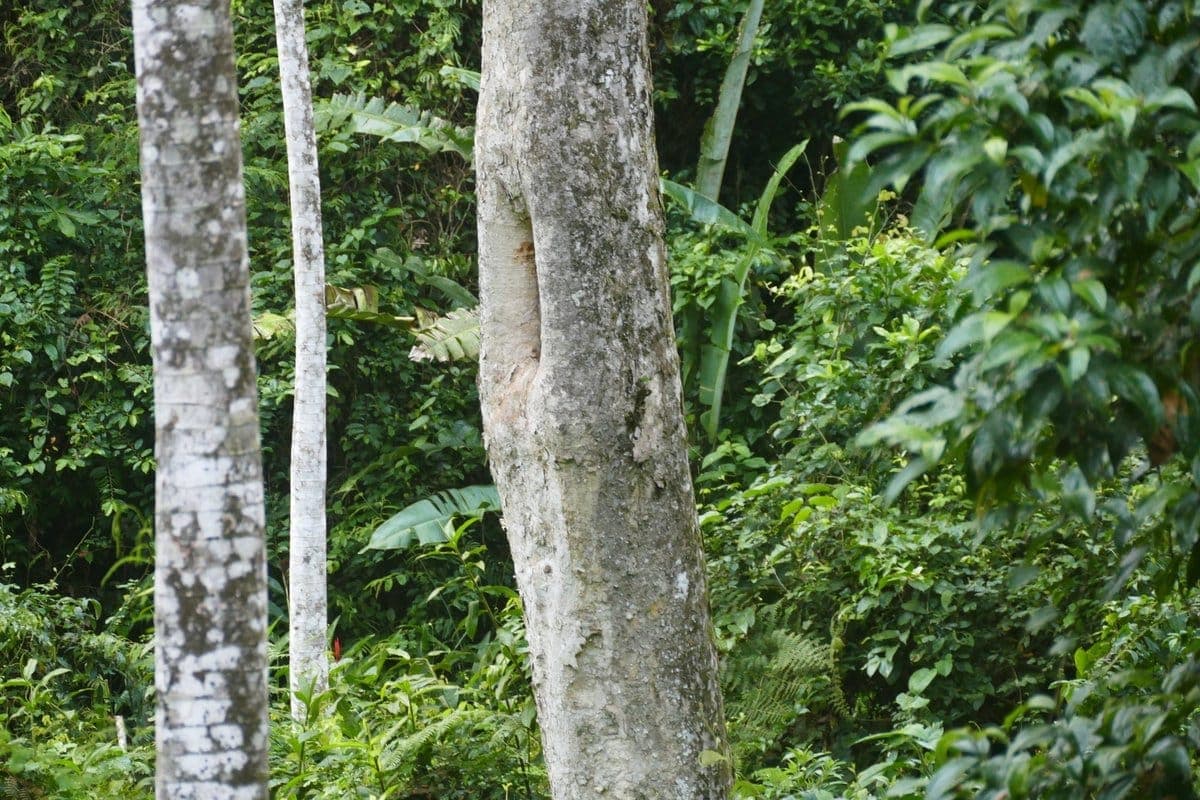
View source ↗Whole tree
📷 (c) Lena Struwe, some rights reserved (CC BY-SA)(CC BY-SA)
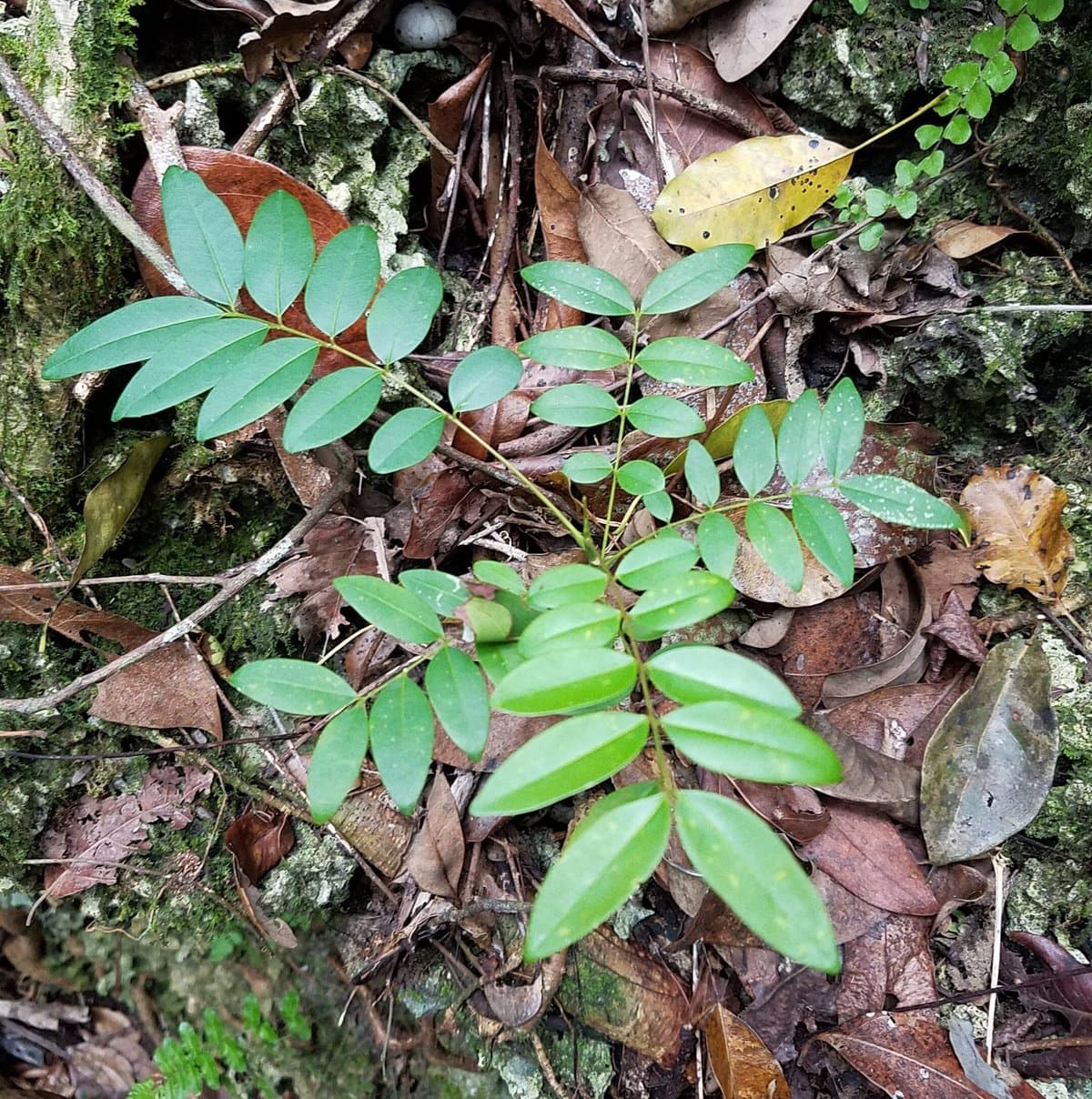
View source ↗Leaves
📷 (c) Howard Friedman, some rights reserved (CC BY-NC)(CC BY-NC)
View source ↗Whole tree
📷 (c) Nate Hartley, some rights reserved (CC BY-NC)(CC BY-NC)
View source ↗Photos sourced from iNaturalist's citizen science database. View all observations →↗
Taxonomy & Classification
Geographic Distribution
Geographic Distribution
Where to Find Aceituno in Costa Rica
Primary Habitats:
Elevation: Sea level to ~1,000 m
Habitat & Ecology
Ecological Role
Aceituno plays multiple ecological roles:
Wildlife Associations
Animals attracted to Aceituno:
Aceituno is classified as a light-demanding pioneer species, meaning it rapidly colonizes gaps and disturbed areas. This trait makes it invaluable for reforestation—it quickly creates shade that allows slower-growing, shade-tolerant species to establish underneath.
Botanical Description
Wood Properties
Appearance
Physical Properties
Despite being a soft, lightweight wood, Aceituno is naturally resistant to termites and other insects thanks to its bitter quassinoid compounds. This makes it more durable than its density would suggest.
Uses
Conservation Status
Conservation Status: Stable
Aceituno populations are healthy:
Growing Aceituno
Similar Species
Where to See Aceituno Trees
Best Locations in Costa Rica
Protected Areas:
Tips:
External Resources
Community observations, photos, and distribution data
Global observations
Detailed cultivation and use information
Ferns Info
Global biodiversity occurrence data and distribution maps
Conservation status and species assessment
References
📚 Scientific References & Further Reading
Polonsky, J. (1985). Quassinoid bitter principles II. Fortschritte der Chemie organischer Naturstoffe 47: 221-264
Arriaga, F.J. et al. (2005). Properties and potential uses of Simarouba amara. Forest Products Journal 55(7): 62-67
The Aceituno (Simarouba amara) exemplifies how nature's pharmacy and sustainable forestry can work together. Its intensely bitter bark has healed people across the Americas for centuries, while its fast growth and adaptability make it a champion for reforestation. As interest grows in its oil-rich seeds for biofuel, this humble pioneer tree may play an even larger role in sustainable land use.
🌳 ¡Pura Vida!
Safety Information Disclaimer
Safety information is provided for educational purposes only. Individual reactions may vary significantly based on age, health status, amount of exposure, and individual sensitivity. Always supervise children around plants. Consult a medical professional or certified arborist for specific concerns. The Costa Rica Tree Atlas is not liable for injuries or damages resulting from interaction with trees described in this guide.
• Always supervise children around plants
• Consult medical professional if unsure
• Seek immediate medical attention if poisoning occurs
Information compiled from authoritative toxicology sources, scientific literature, and medical case reports.
Help improve this page
Know something about this tree? Share local knowledge, suggest a correction, or submit a photo to improve this guide for everyone.