Caña Agria
Costus spicatus
Quick facts
Native Region
Tropical Americas
Max Height
2-3 meters (6-10 feet)
Family
Costaceae
Conservation
NE — Not Evaluated
Uses
Safety Information
Toxicity Details
Low toxicity. Young stems and rhizomes are edible. Traditional medicinal use shows low acute toxicity. Generally safe when used appropriately.
Skin Contact Risks
No known skin irritation. Safe to handle.
Season
Flowering
May-Sep
Fruiting
Jul-Oct
How to identify
Caña Agria (Spiral Ginger)
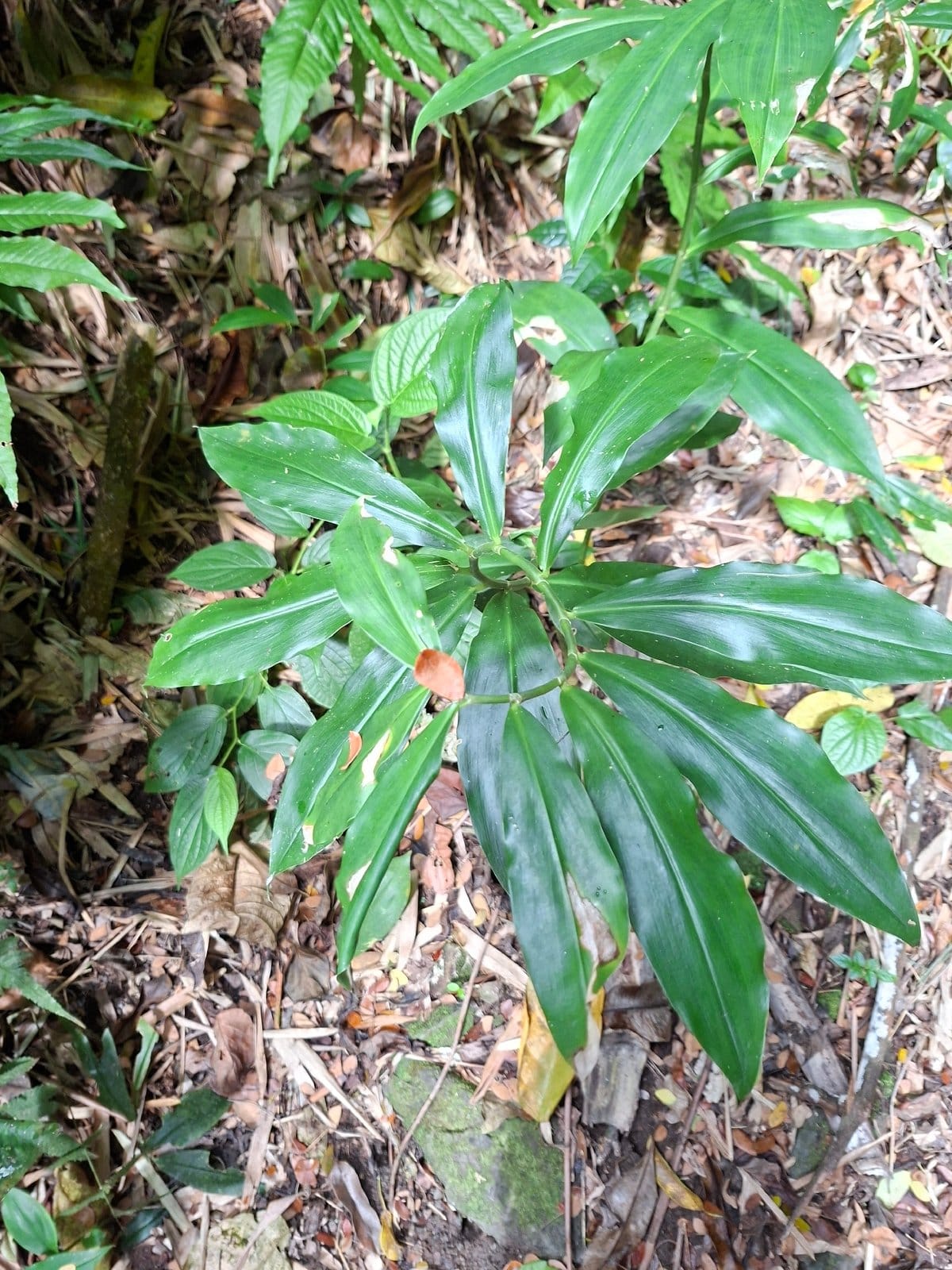
Caña Agria (Costus spicatus) is one of Costa Rica's most important traditional medicinal plants. Instantly recognizable by its spiraling stem arrangement—a natural work of geometry—this wild ginger relative has been used by indigenous peoples and rural communities for centuries to treat kidney and urinary tract issues. Its sour, refreshing stems also make a delicious natural beverage.
Quick Reference
iNaturalist Observations
Community-powered species data
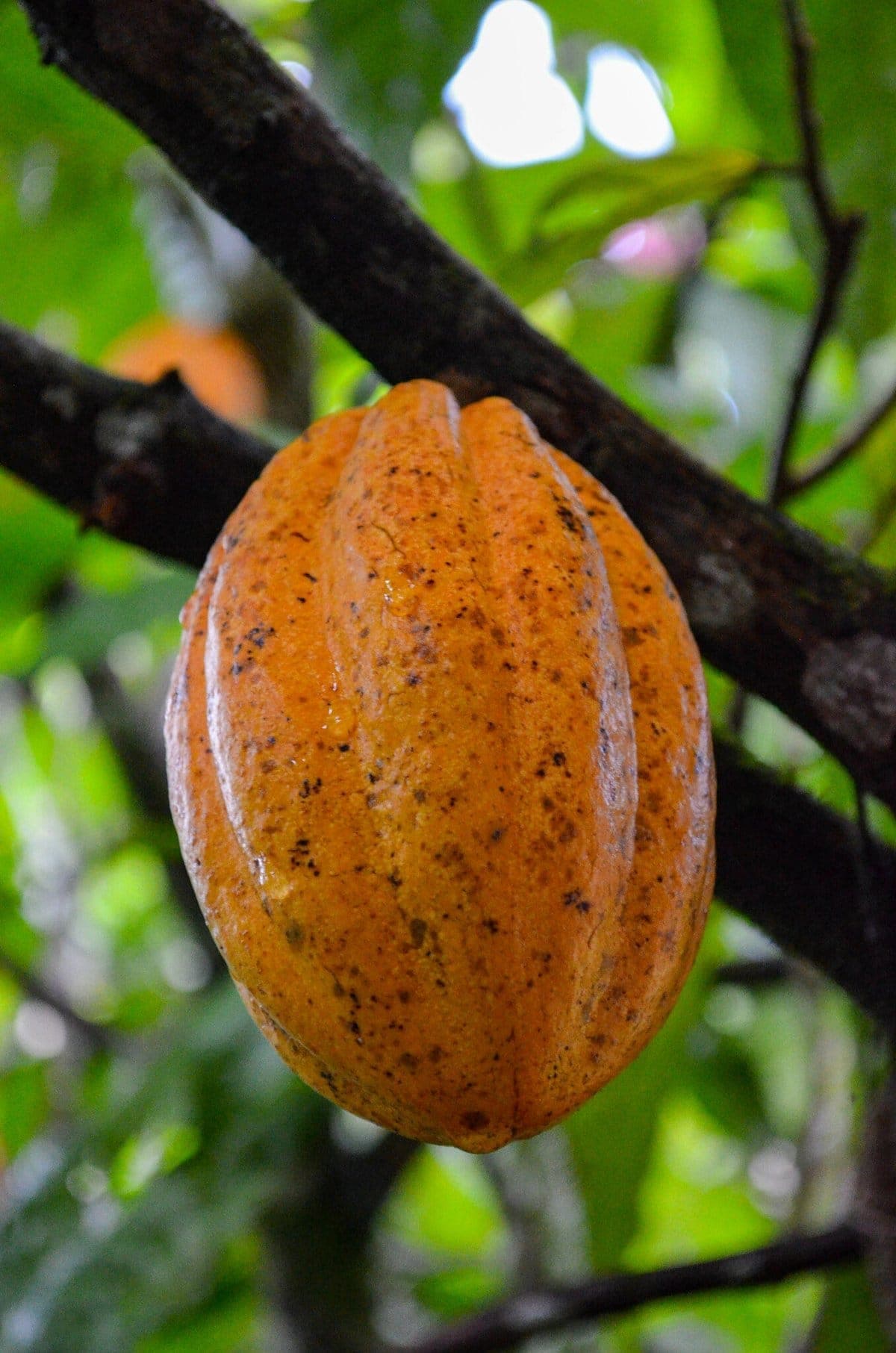
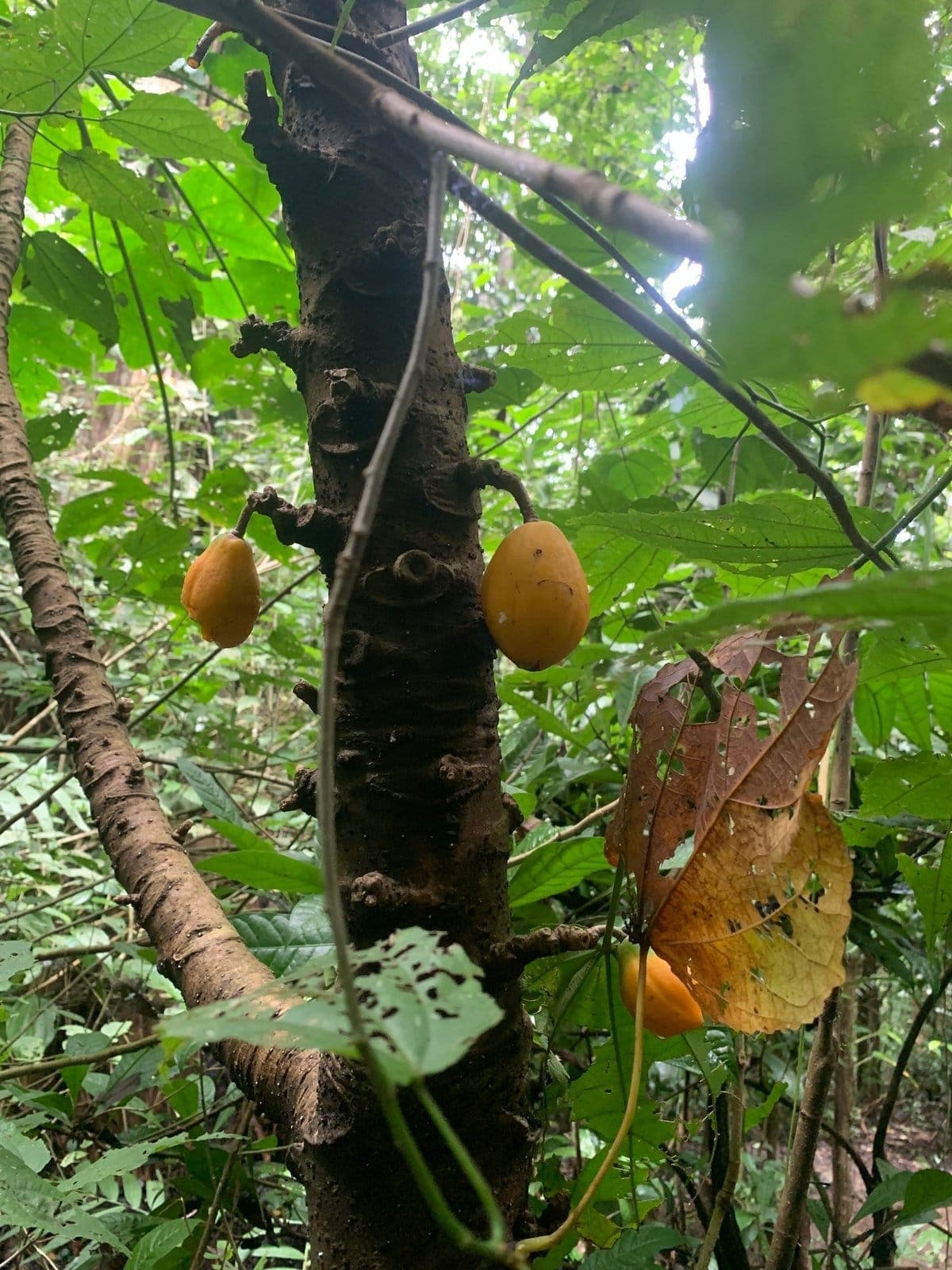
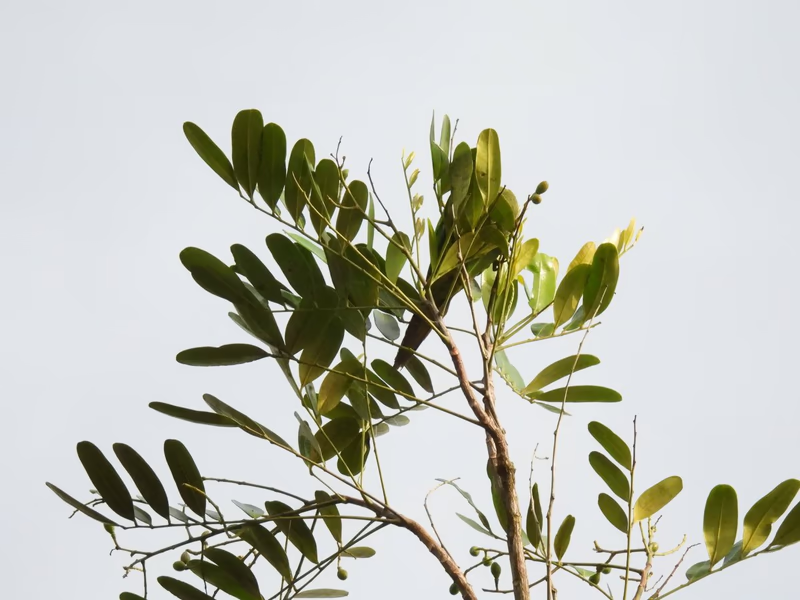
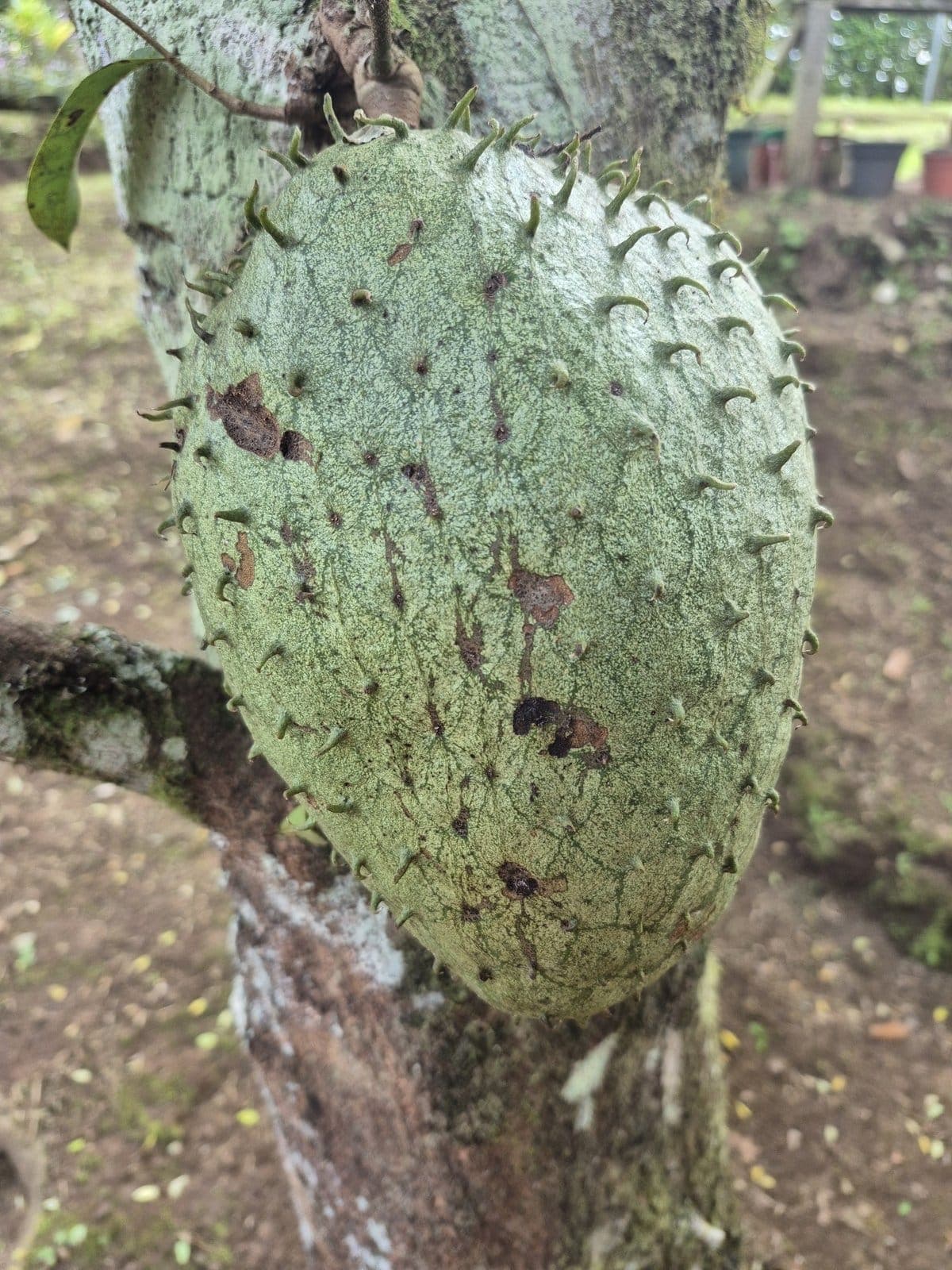
📸 Photo Gallery
Whole tree
📷 (c) Florian Guilhabert, some rights reserved (CC BY-NC)(CC BY-NC)
View source ↗Leaves
📷 (c) Florian Guilhabert, some rights reserved (CC BY-NC)(CC BY-NC)
View source ↗Whole tree
📷 (c) Alexandre MATHIEU, some rights reserved (CC BY-NC)(CC BY-NC)
View source ↗Leaves
📷 (c) Alexandre MATHIEU, some rights reserved (CC BY-NC)(CC BY-NC)
View source ↗Whole tree
📷 (c) Achille Lenglin, some rights reserved (CC BY-NC)(CC BY-NC)
View source ↗Photos sourced from iNaturalist community science database. View all observations →↗
Taxonomy and Classification
- Costus: From Arabic "qust" or Greek "kostos," an ancient name for aromatic roots - spicatus: Latin for "with spikes," referring to the flower spike - Caña Agria: Spanish for "sour cane" - describes the taste - Also called Sour Cane, Spiral Flag, or Indian Head Ginger
Common Names
Physical Description
Overall Form
Caña Agria is an herbaceous perennial that grows in spreading clumps. Its most distinctive feature is the spiraling arrangement of leaves around the stem—a natural helix that inspired its "spiral ginger" name. The stems are succulent, filled with watery, sour-tasting liquid.
Distinctive Features
Leaves
- Arrangement: Spiral around stem
- Shape: Lance-shaped, pointed
- Size: 15-35 cm long
- Color: Glossy dark green
- Texture: Smooth, waxy
- Base: Sheathing the stem
Stems
- Type: Succulent, cane-like
- Color: Green to reddish
- Interior: Watery, sour juice
- Arrangement: Forms clumps
- Spiral: Distinctive pattern
- Taste: Distinctly sour/acidic
Flowers
- Size: 3-4 cm long
- Color: Orange to yellow-orange
- Shape: Tubular, lipped
- Arrangement: In cone-like spike
- Bracts: Red, overlapping
- Timing: Rainy season
Fruit
- Type: Capsule
- Color: White when mature
- Seeds: Black, arillate
- Size: Small
- Contains: Multiple seeds
- Dispersal: Birds
The Spiral Mystery
Nature's Geometry
The spiraling leaf arrangement of Caña Agria follows a mathematical pattern related to the Fibonacci sequence—the same pattern seen in pinecones, sunflowers, and galaxies. This arrangement maximizes light capture for each leaf while minimizing overlap, demonstrating nature's elegant engineering.
Spiral Benefits
- Maximum light exposure
- Minimal self-shading
- Efficient water runoff
- Strong stem structure
- Heat dissipation
- Air circulation
Similar Patterns
- Pinecones
- Sunflower heads
- Pineapple skin
- Romanesco broccoli
- Nautilus shells
- Galaxy arms
Traditional Medicine
Centuries of Healing
Caña Agria's most celebrated use is for kidney and urinary tract health. Rural Costa Ricans and indigenous communities have long prepared the sour stem juice as a diuretic and treatment for kidney stones, urinary infections, and inflammation. Scientific studies are beginning to validate these traditional uses.
Medicinal Applications
While Caña Agria has traditional medicinal uses, always consult healthcare providers before using herbal remedies, especially for serious conditions. Traditional uses are not substitutes for modern medical treatment.
Scientific Research
Studied Properties
- Diuretic effects
- Anti-inflammatory action
- Antioxidant capacity
- Antimicrobial activity
- Blood glucose effects
- Nephroprotective potential
Active Compounds
- Flavonoids
- Tannins
- Saponins
- Oxalic acid (sour taste)
- Various phenolic compounds
- Terpenoids
Culinary Uses
Refreshing Beverages
The sour stems of Caña Agria make a delicious, refreshing drink. The juice is simply squeezed from fresh stems, sweetened with sugar, and served cold— perfect for hot tropical days. It's like natural lemonade with a unique, slightly gingery flavor. Some compare it to a cross between lemon and rhubarb.
Beverage Preparation
- Cut fresh stems
- Peel outer layer
- Blend or squeeze juice
- Strain if desired
- Add sugar to taste
- Serve cold over ice
Flavor Profile
- Distinctly sour/acidic
- Slightly herbaceous
- Hint of ginger-like notes
- Refreshing and thirst-quenching
- Pairs well with sweeteners
- Natural electrolytes
Distribution in Costa Rica
Caña Agria grows throughout Costa Rica's lowland and mid-elevation forests, typically in moist, shaded areas along streams, forest edges, and disturbed areas. It's especially common in Caribbean lowlands but found on both slopes. Look for it in wet forest understory and along trail edges.
Regional Distribution
Ecological Role
Forest Understory
Habitat Function
- Understory structure
- Ground cover in gaps
- Erosion control
- Moisture retention
- Microhabitat provision
- Stream bank stabilization
Wildlife Interactions
- Hummingbird pollinated
- Seed dispersal by birds
- Butterfly nectar source
- Cover for small animals
- Bee visitors
- Ant associations
Pollination Ecology
The tubular orange flowers of Caña Agria are perfectly designed for hummingbird pollination. The flower shape, color, and nectar placement match hummingbird feeding behavior. Hermit hummingbirds are particularly important pollinators in the forest understory where this plant thrives.
Growing Information
Cultivation Requirements
Garden Use
- Shaded tropical gardens
- Medicinal plant collections
- Naturalistic plantings
- Stream-side planting
- Container culture (large)
- Botanical gardens
Care Tips
- Keep soil consistently moist
- Protect from direct sun
- Divide clumps every 2-3 years
- Remove dead stems
- Apply organic mulch
- Protect from cold
Interesting Facts
Related Species
External Resources
Community observations, photos, and distribution data
Nomenclature, type specimens, and taxonomic references
Global occurrence records and distribution mapping
Kew Gardens accepted taxonomy and distribution
Conservation status and species assessment
References
📚 Scientific References & Further Reading
Zamora, N., Jiménez, Q., & Poveda, L. (2004). Árboles de Costa Rica Vol. III. INBio, Santo Domingo de Heredia
Holdridge, L.R. & Poveda, L. (1975). Árboles de Costa Rica Vol. I. Centro Científico Tropical, San José
Al-Nahain, A., Jahan, R., & Rahmatullah, M. (2014). Zingiber montanum: A potential plant with pleiotropic pharmacological and medicinal properties. Journal of Medicinal Plants Studies 2(2): 55–60
León, J. & Poveda, L. (2000). Los Nombres Comunes de las Plantas en Costa Rica. Editorial Guayacán, San José
Safety Information Disclaimer
Safety information is provided for educational purposes only. Individual reactions may vary significantly based on age, health status, amount of exposure, and individual sensitivity. Always supervise children around plants. Consult a medical professional or certified arborist for specific concerns. The Costa Rica Tree Atlas is not liable for injuries or damages resulting from interaction with trees described in this guide.
• Always supervise children around plants
• Consult medical professional if unsure
• Seek immediate medical attention if poisoning occurs
Information compiled from authoritative toxicology sources, scientific literature, and medical case reports.
Help improve this page
Know something about this tree? Share local knowledge, suggest a correction, or submit a photo to improve this guide for everyone.