Caoba
Swietenia macrophylla
Quick facts
Native Region
Mexico to Bolivia and Brazil
Max Height
35-45 meters (115-150 feet)
Family
Meliaceae
Conservation
EN — Endangered
Uses
Safety Information
Toxicity Details
The living tree, leaves, flowers, seeds, and bark are non-toxic to humans and animals. Safe for planting in residential areas, parks, and gardens where children and pets are present. No ingestion toxicity concerns. The tree itself poses no poisoning hazard.
Skin Contact Risks
Direct contact with the living tree (leaves, bark, flowers) is safe for most people with minimal irritation risk. However, wood dust can cause acute skin reactions including rash, itching, and dermatitis in woodworkers. Fresh sap may cause mild irritation in sensitive individuals. Overall, casual contact with the living tree is very low risk.
Allergenic Properties
Mahogany wood dust is a SERIOUS RESPIRATORY SENSITIZER and HIGH allergen for woodworkers. Repeated exposure can lead to: asthma, chronic bronchitis, allergic alveolitis (lung tissue inflammation), conjunctivitis, rhinitis, skin rashes, and respiratory distress. Symptoms may worsen with each exposure as sensitization develops. Some workers develop life-threatening reactions after years of exposure. The dust contains compounds that trigger both immediate irritant reactions (sneezing, skin/eye irritation) and chronic sensitization (asthma, pneumonia). ALL wood dust is hazardous to lungs regardless of species. CRITICAL: Use dust collection systems, N95 or P100 respirators, eye protection, gloves, and covered skin. Maintain excellent workshop ventilation. Even hobbyists should adopt professional safety protocols. Finished mahogany furniture poses no risk to end users.
Season
Flowering
Apr-Jun
Fruiting
Jan, Nov-Dec
How to identify
Caoba (Big-leaf Mahogany)
Caoba (Swietenia macrophylla), known worldwide as Big-leaf Mahogany, is arguably the most famous tropical hardwood on Earth. Its reddish-brown wood, prized for its beauty, workability, and durability, has driven centuries of exploitation that pushed the species to the brink. Today, it stands as a symbol of both the destructive potential of the timber trade and the promise of sustainable forestry when managed properly.
Quick Reference
iNaturalist Observations
Community-powered species data
📸 Photo Gallery
Whole tree
📷 (c) Jo Jiménez, some rights reserved (CC BY-NC)(CC BY-NC)
View source ↗Leaves
📷 (c) Jo Jiménez, some rights reserved (CC BY-NC)(CC BY-NC)
View source ↗Whole tree
📷 (c) nirelharmon, some rights reserved (CC BY-NC)(CC BY-NC)
View source ↗Leaves
📷 (c) Jo Jiménez, some rights reserved (CC BY-NC)(CC BY-NC)
View source ↗Whole tree
📷 (c) Stephanie Lyon, some rights reserved (CC BY-NC)(CC BY-NC)
View source ↗Photos sourced from iNaturalist's community science database. Browse all observations →↗
Taxonomy & Classification
The genus Swietenia contains only three species: Big-leaf Mahogany (S. macrophylla) of the continental Neotropics, Cuban Mahogany (S. mahagoni) of the Caribbean islands, and Pacific Coast Mahogany (S. humilis) of Central America's dry Pacific slope. All three are threatened by overexploitation, but Big-leaf Mahogany, with its larger size and wider range, has been the primary target of the timber industry.
Common Names
Physical Description
Overall Form
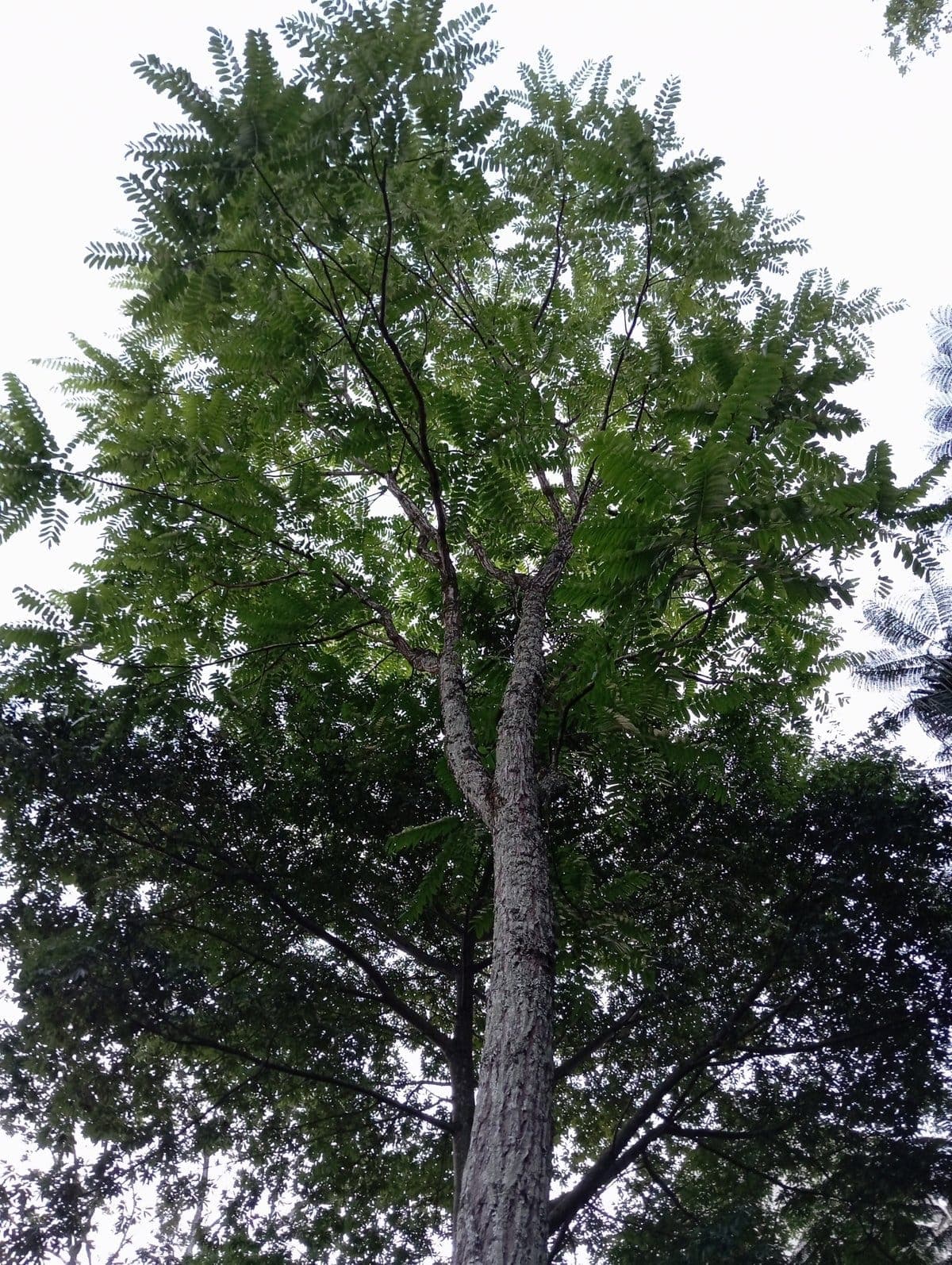
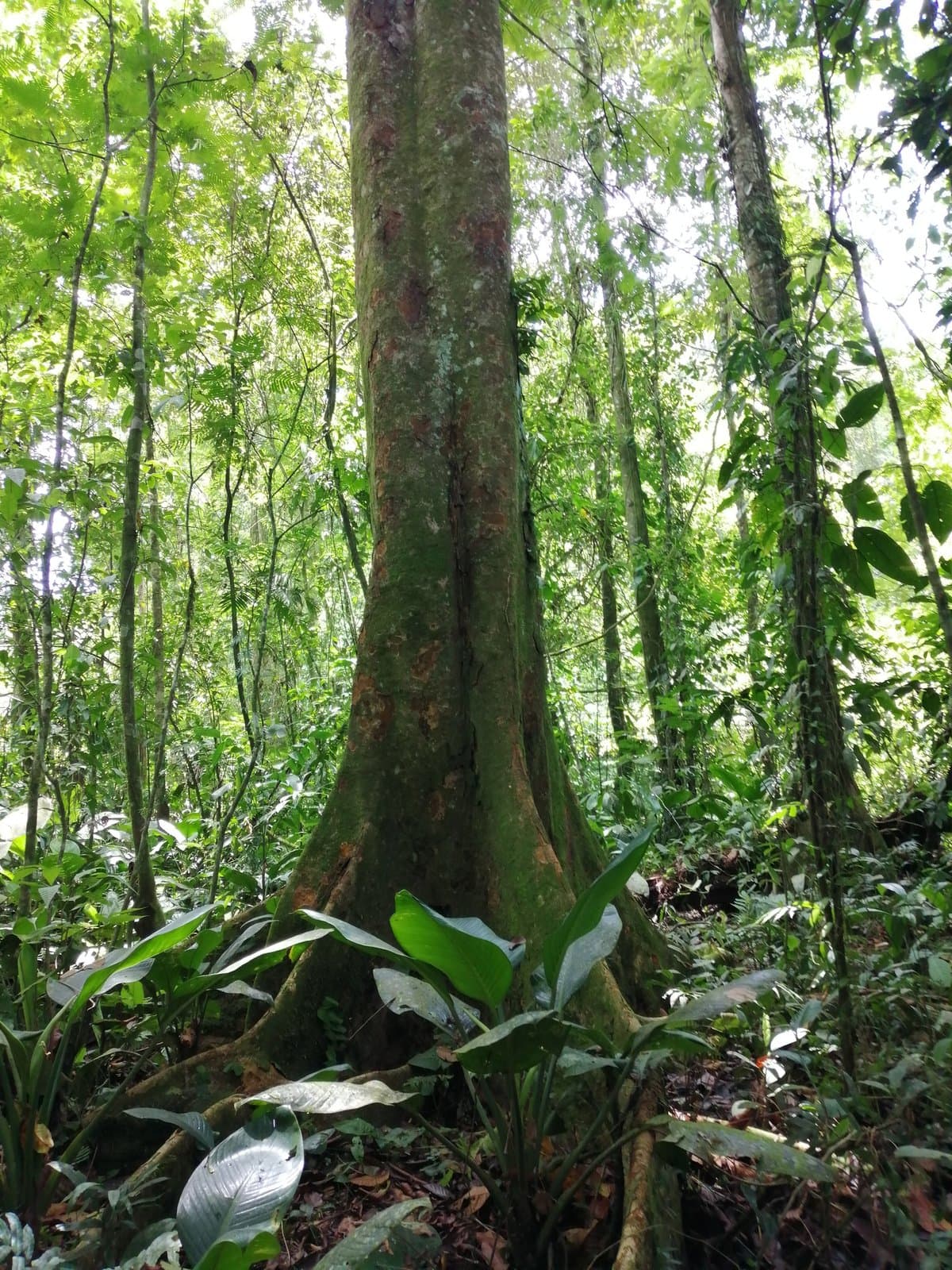
The Caoba is a large deciduous tree with a tall, straight trunk and a broad, spreading crown. Mature trees are emergent giants, rising above the surrounding forest canopy with distinctive large buttress roots.
Distinctive Features
Trunk & Bark
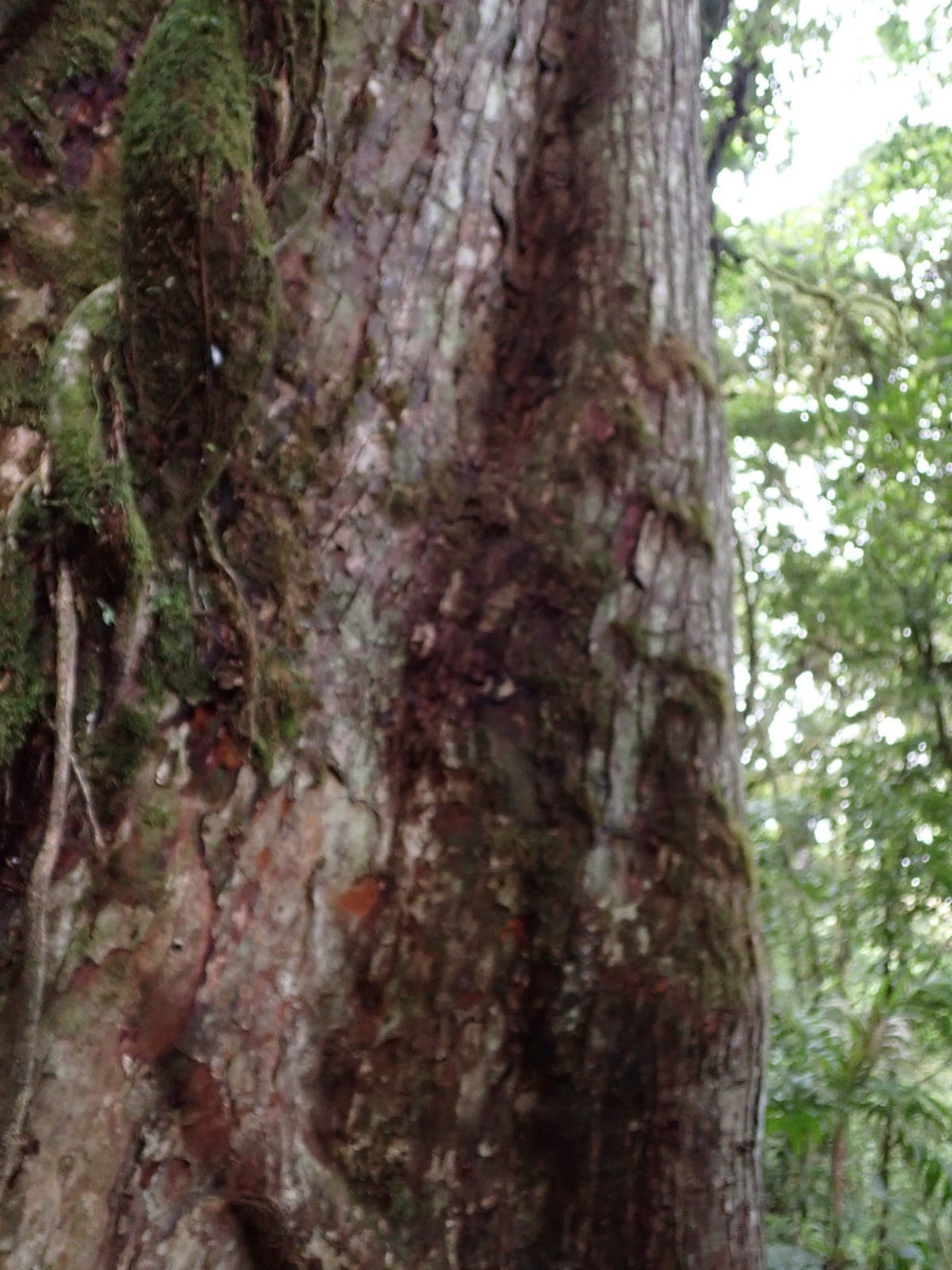
- Bark: Deep gray-brown, fissured in rectangular plates
- Wood: Reddish-brown, fine-grained, lustrous
- Form: Straight cylindrical trunk, clear of branches
- Buttresses: Well-developed, spreading 3-5 m
- Heartwood: Darkens with age to deep red-brown
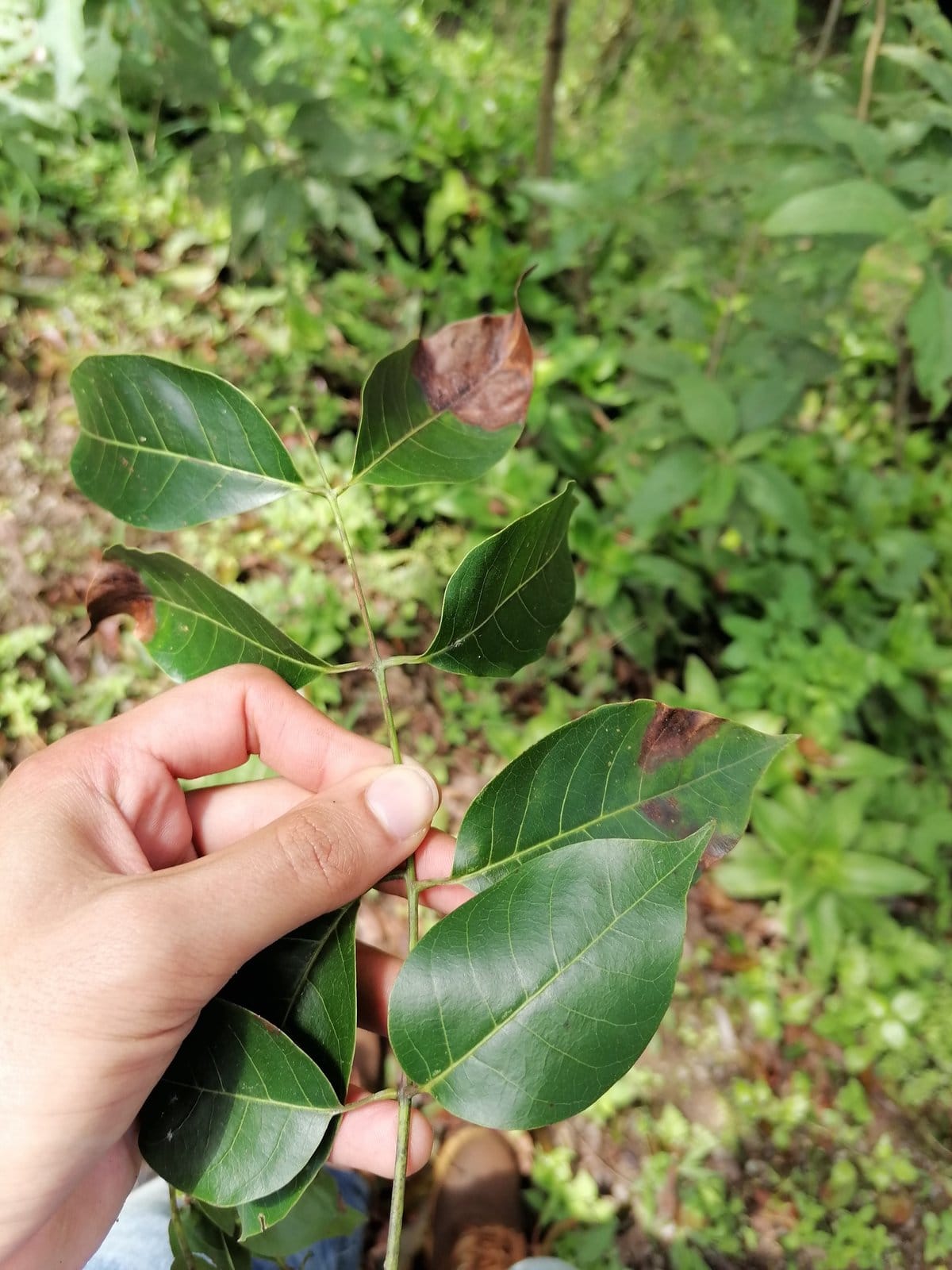
Leaves
- Type: Paripinnate compound (even number leaflets)
- Leaflets: 6-16, opposite
- Leaflet Shape: Asymmetric, lanceolate
- Size: Leaves 20-45 cm total length
- Color: Dark glossy green above, paler below
- Timing: Semi-deciduous, drops leaves in dry season
Flowers
- Color: Greenish-yellow
- Size: Small (6-9 mm)
- Arrangement: Axillary panicles
- Season: April to June (Costa Rica)
- Gender: Functionally unisexual
- Pollination: Primarily by bees
Fruits & Seeds
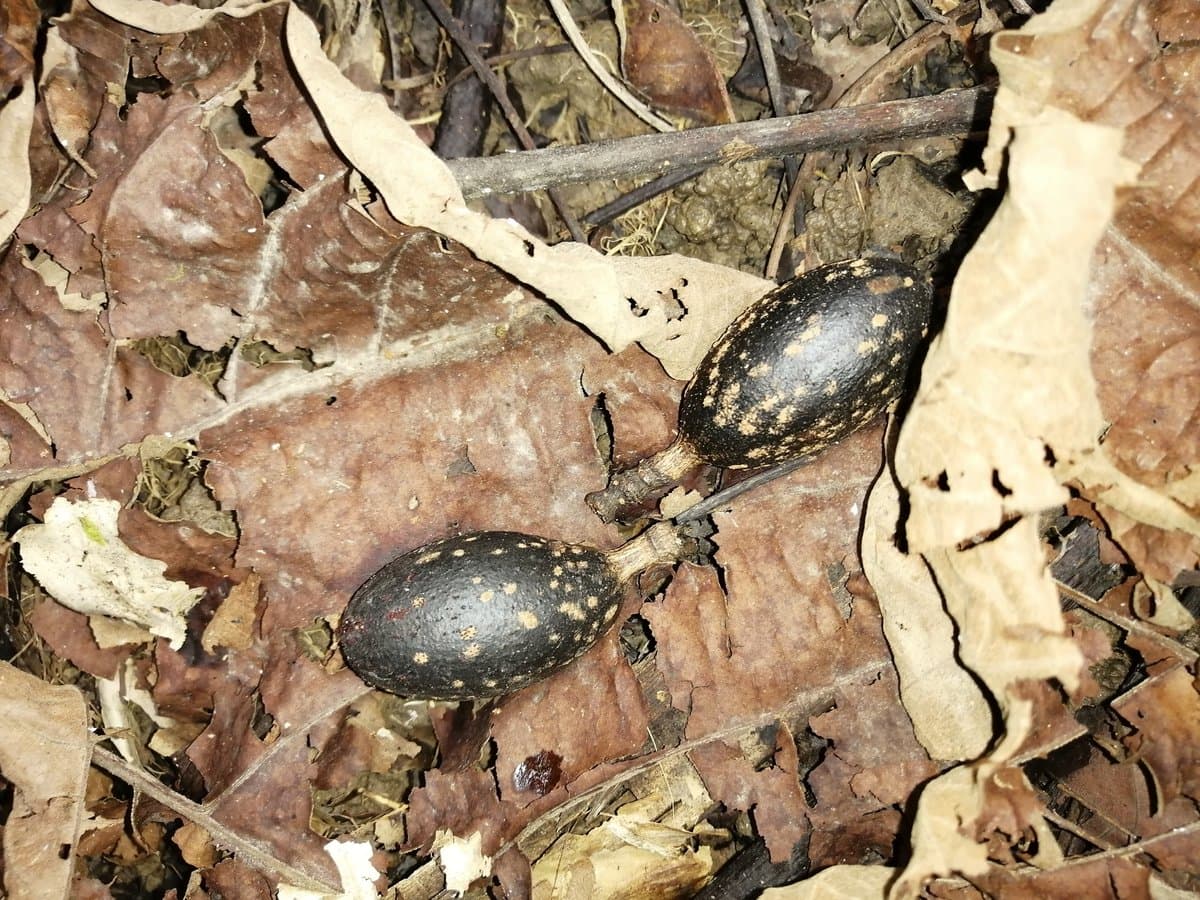
- Type: Large woody capsule
- Size: 12-20 cm long, 6-10 cm diameter
- Shape: Ovoid, erect on branch
- Opening: Splits into 5 valves from base
- Seeds: 35-70 per capsule, winged
- Season: January to March (dispersal)
The Caoba fruit capsule is unmistakable—a large, woody, egg-shaped structure that stands erect on the branch. When it opens from the base, it resembles a wooden flower, releasing dozens of winged seeds that spin as they fall. These empty capsules can persist on the tree for months, making them useful for identification year-round.
Distribution & Habitat
Native Range
Geographic Distribution
Distribution in Costa Rica
Caoba originally occurred throughout Costa Rica's lowland forests on both slopes, but centuries of selective logging have made it extremely rare in the wild. Today, most Caoba sightings are in protected areas or plantations.
Preferred Habitat
Ecological Significance
Forest Ecology
In pristine forests, Caoba trees are ecological giants. Their emergent crowns create important canopy structure, their flowers provide nectar during lean periods, and their massive seed production feeds numerous wildlife species. The loss of large Caoba trees has cascading effects throughout the forest ecosystem.
Wildlife Interactions
Seed Ecology
- Wind: Primary dispersal agent
- Parrots: Consume and destroy many seeds
- Squirrels: Predators and occasional dispersers
- Howler Monkeys: Consume young seeds
- Insects: Various seed predators
Pollinators
- Bees: Primary pollinators
- Moths: Secondary pollinators
- Small insects: Various visitors
Tree Associations
- Epiphytes: Support abundant orchids, bromeliads
- Lianas: Provide connections in canopy
- Cavity nesters: Old trees provide nest sites
- Bats: Roost in hollow trunks
Pest Interactions
- Shoot Borer: Hypsipyla grandella
- Same pest as Cedro Amargo
- Major limitation for plantations
- Natural forests: Less severely affected
Cultural & Economic Importance
Sources: CITES — Swietenia macrophylla species page↗, IUCN Red List — Swietenia macrophylla↗, FSC↗
The World's Premier Hardwood
Centuries of Demand
Mahogany has been the gold standard for fine furniture since the 17th century. Its combination of beauty, workability, stability, and durability is unmatched by any other tropical hardwood. From colonial ship building to Queen Anne furniture to modern luxury interiors, mahogany has shaped tastes and driven economies for over 400 years. A single large mahogany log can be worth $10,000 or more.
Historical Timeline
Uses Table
Conservation Status
Current Assessment
Conservation Status
The Crisis
Big-leaf Mahogany illustrates the consequences of unsustainable extraction: - Caribbean populations: Commercially extinct by 1900 - Central American populations: Severely depleted by mid-1900s - South American populations: Now the primary target, declining rapidly - Overall: 70%+ population decline over 3 generations (150 years) Despite CITES listing, illegal logging continues throughout its range. Large, high-quality trees are increasingly rare in natural forests.
CITES Protection
CITES Appendix II
Since 2003, all international trade in Big-leaf Mahogany requires CITES documentation proving legal and sustainable harvest. This includes: - Export permits from country of origin - Non-detriment findings (sustainable harvest verified) - Chain of custody documentation - Import verification in destination countries This regulation has helped reduce illegal trade but enforcement varies widely.
How You Can Help
Cultivation & Propagation
Growing Caoba
Propagation Methods
From Seeds
- Collect seeds from mature capsules (Jan-Mar)
- Seeds have short viability (weeks)
- Sow immediately, light coverage
- Keep moist; germination in 2-4 weeks
- Transplant at 30-50 cm height
- Requires full sun
Plantation Challenges
- Shoot borer (Hypsipyla grandella) attacks
- Pure plantations highly vulnerable
- Mixed planting improves outcomes
- No fully effective control method
Growing Conditions
Best Practices
- Plant under nurse trees to reduce borer attack
- Mixed species plantations recommended
- Enrichment planting in existing forest
- Select sites carefully (fertile, well-drained)
Identification Guide
How to Identify Caoba
Where to See Caoba in Costa Rica
External Resources
Community observations and photos
Conservation status details
Trade regulation information
Sustainable forestry certification
Global biodiversity occurrence data and distribution maps
References
📚 Scientific References & Further Reading
Grogan, J. & Barreto, P. (2005). Big-leaf mahogany on CITES Appendix II: Big challenge, big opportunity. Conservation Biology
Lamb, F.B. (1966). Mahogany of Tropical America: Its Ecology and Management
Snook, L.K. (1996). Catastrophic disturbance, logging and the ecology of mahogany. ITTO Tropical Forest Update
The story of Big-leaf Mahogany is not over. With proper management, sustainable harvesting, and plantation development, this magnificent species can continue to provide value while recovering in natural forests. When you choose certified sustainable mahogany, you support this future. When you see a wild Caoba tree in Costa Rica, you're witnessing a survivor—treasure the experience and support the conservation efforts that made it possible.
Safety Information Disclaimer
Safety information is provided for educational purposes only. Individual reactions may vary significantly based on age, health status, amount of exposure, and individual sensitivity. Always supervise children around plants. Consult a medical professional or certified arborist for specific concerns. The Costa Rica Tree Atlas is not liable for injuries or damages resulting from interaction with trees described in this guide.
• Always supervise children around plants
• Consult medical professional if unsure
• Seek immediate medical attention if poisoning occurs
Information compiled from authoritative toxicology sources, scientific literature, and medical case reports.
Help improve this page
Know something about this tree? Share local knowledge, suggest a correction, or submit a photo to improve this guide for everyone.