Cedro Amargo
Cedrela odorata
Quick facts
Native Region
Mexico to Argentina and the Caribbean
Max Height
30-40 meters (100-130 feet)
Family
Meliaceae
Conservation
VU — Vulnerable
Uses
Safety Information
Toxicity Details
The tree itself poses no toxicity hazard. Leaves, bark, flowers, and seeds are non-toxic to humans and animals. The tree is safe for planting in gardens, parks, and areas accessible to children and pets. No ingestion toxicity reported.
Skin Contact Risks
Direct contact with living plant parts (leaves, bark, flowers) is generally safe with minimal irritation risk. However, some sensitive individuals may experience mild skin reactions from prolonged contact with fresh bark or sap. Overall skin contact risk for most people is very low.
Allergenic Properties
Wood dust from Cedro Amargo is a MODERATE TO HIGH allergen for woodworkers and carpenters. Documented reactions include asthma, sneezing, coughing, respiratory irritation, nasal inflammation, skin blistering, and dermatitis. In rare cases, nasal cancer has been linked to chronic exposure. The aromatic oils (thujone, phenols) in freshly cut wood can trigger respiratory symptoms in sensitive individuals. Always wear protective equipment (dust mask, gloves, eye protection) when cutting, sanding, or machining this wood. Ensure good ventilation in workshops. For most people encountering the living tree or finished wood products (furniture, cigar boxes), allergen risk is minimal.
Season
Flowering
Mar-May
Fruiting
Jun-Aug
How to identify
Cedro Amargo
Cedro Amargo (Cedrela odorata), known as Spanish Cedar in English, is one of the most prized timber trees in the Western Hemisphere. Despite its common name, it is not a true cedar but a member of the mahogany family. Its aromatic, rot-resistant wood has been treasured for centuries for fine furniture, cigar boxes, and boat building, making it a tree of immense cultural and economic significance throughout Latin America.
Quick Reference
iNaturalist Observations
Community-powered species data
📸 Photo Gallery
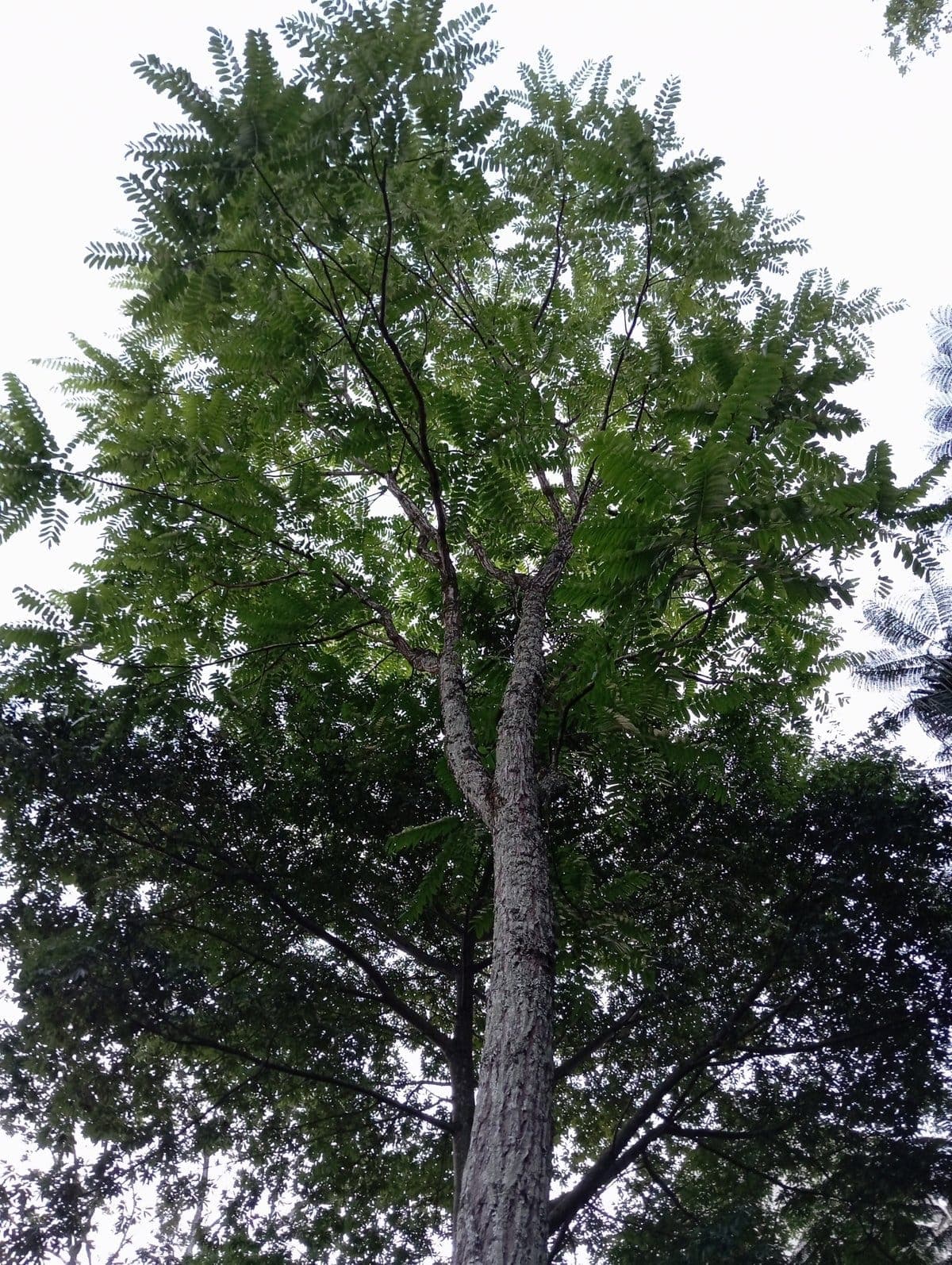
Whole tree
📷 (c) veroalpizar, some rights reserved (CC BY-NC)(CC BY-NC)
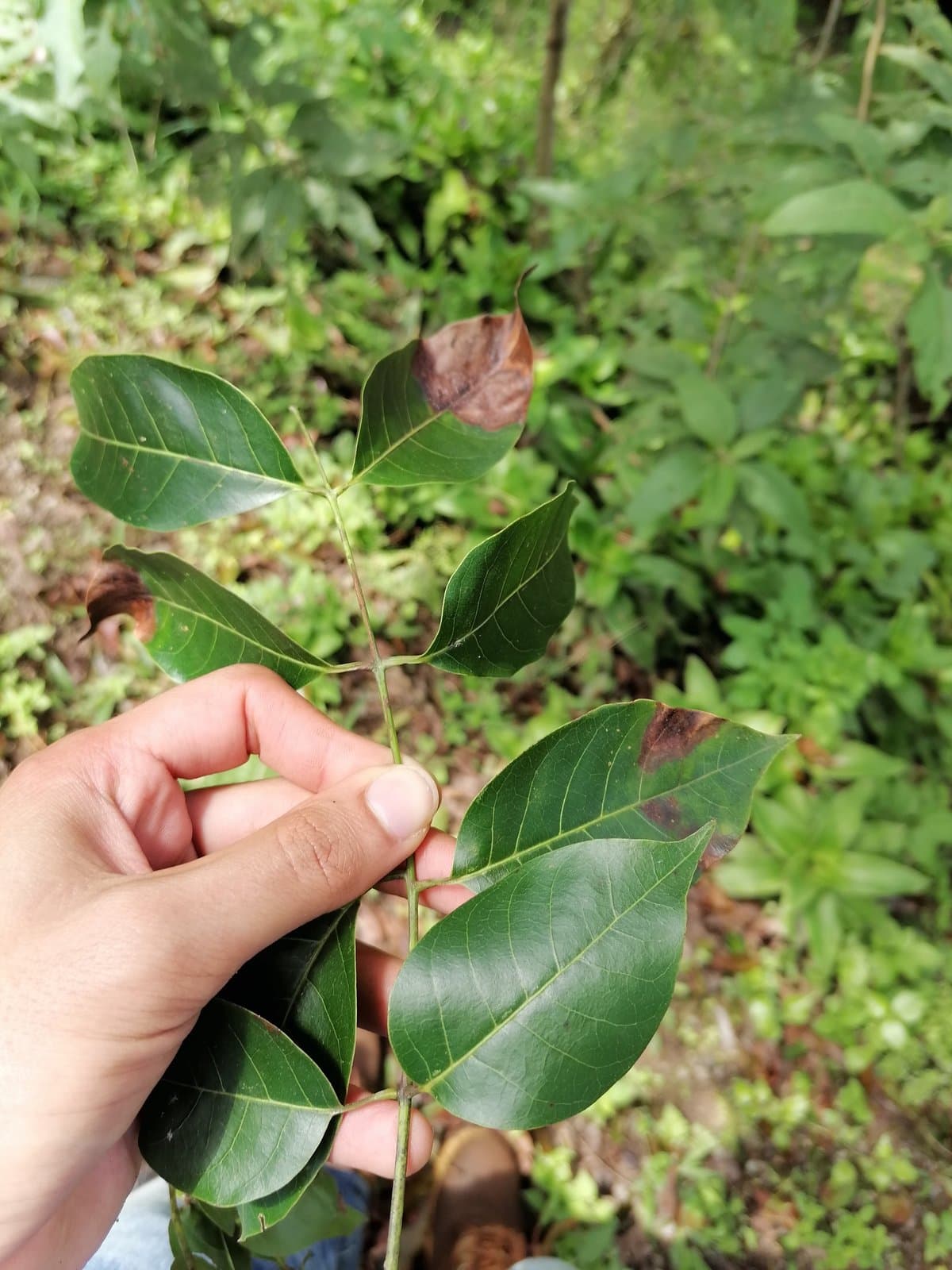
View source ↗Leaves
📷 (c) Fabrício Mil Homens Riella, some rights reserved (CC BY)(CC BY)
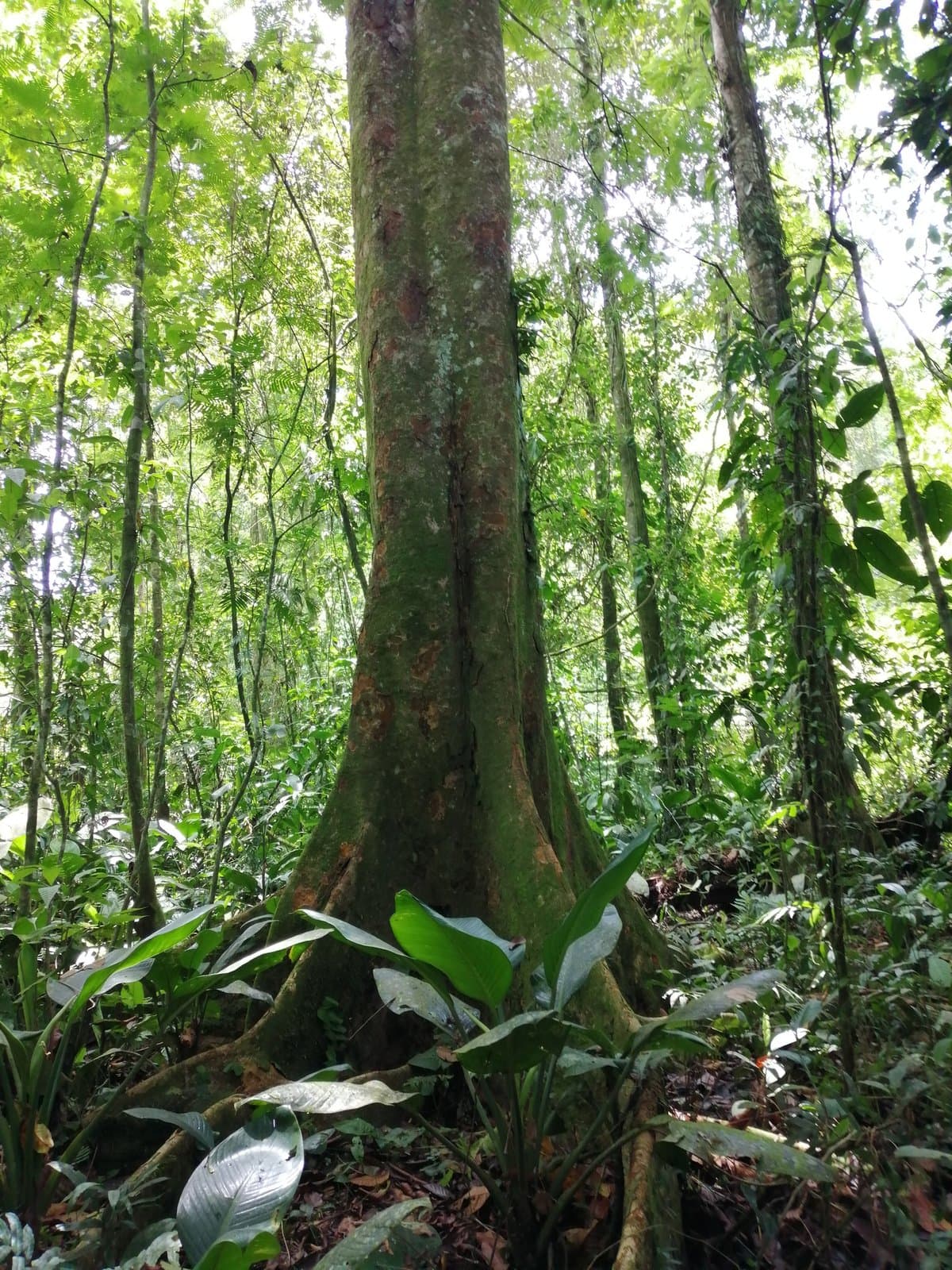
View source ↗Whole tree
📷 (c) elijah__edwards, some rights reserved (CC BY-NC)(CC BY-NC)
View source ↗Leaves
📷 (c) Fabrício Mil Homens Riella, some rights reserved (CC BY)(CC BY)
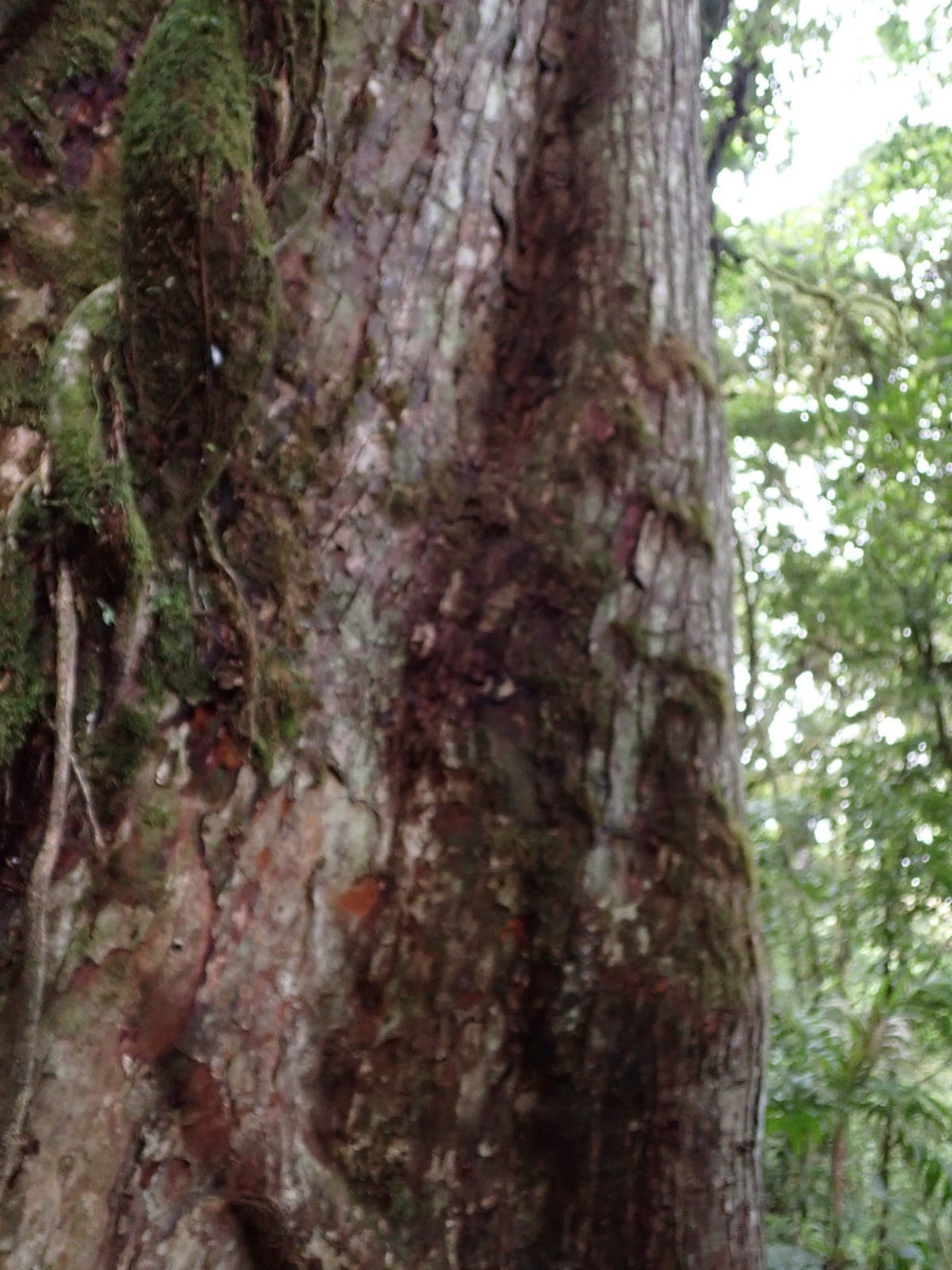
View source ↗Whole tree
📷 (c) Fabrício Mil Homens Riella, some rights reserved (CC BY)(CC BY)
View source ↗Photos sourced from iNaturalist's community science database. Browse all observations →↗
Taxonomy & Classification
Despite being called "Spanish Cedar" or "Cedro," Cedrela odorata is not related to true cedars (Cedrus species) of the Mediterranean and Himalayas. It belongs to the mahogany family (Meliaceae), alongside big-leaf mahogany (Swietenia macrophylla). The "cedar" name comes from the similar aromatic, insect-repelling properties of its wood.
Common Names
Physical Description
Overall Form
The Cedro Amargo is a large deciduous tree with a straight trunk and an open, spreading crown. It is known for its rapid growth and the distinctive aromatic quality of its wood and crushed leaves.
Distinctive Features
Trunk & Bark
- Bark: Gray-brown, deeply fissured and scaly
- Wood: Pinkish-brown, aromatic, lightweight
- Form: Straight cylindrical trunk
- Buttresses: Small to moderate
- Fragrance: Distinctly aromatic, "cedarwood" scent
Leaves
- Type: Pinnately compound
- Leaflets: 10-22, opposite
- Leaflet Shape: Lanceolate to elliptic
- Size: Leaves 30-60 cm total length
- Scent: Crush leaves for garlic/onion-like odor
- Timing: Deciduous in dry season
Flowers
- Color: Cream to greenish-white
- Size: Small (5-6 mm)
- Arrangement: Terminal panicles, 20-40 cm
- Season: April to June (Costa Rica)
- Fragrance: Sweet, attracts bees
- Gender: Functionally unisexual on same tree
Fruits & Seeds
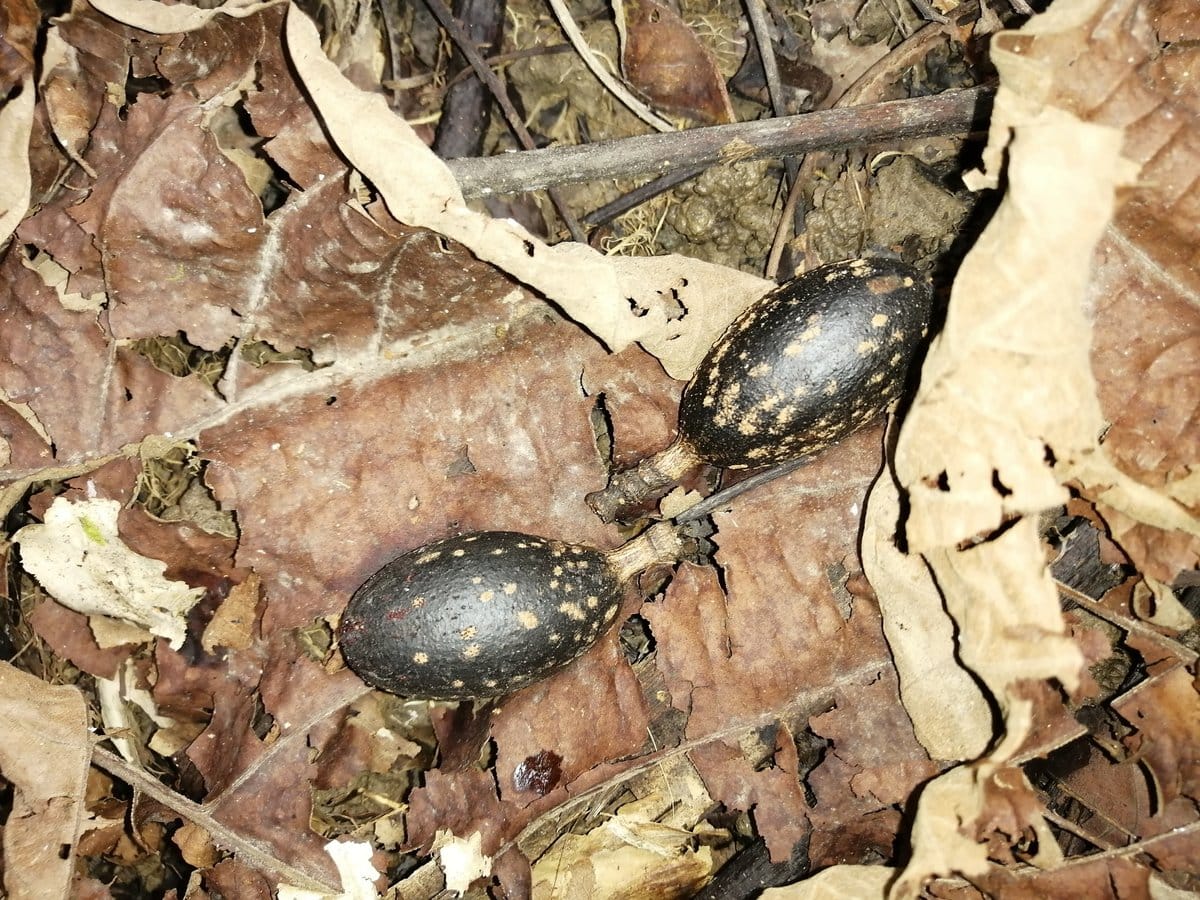
- Type: Woody capsule
- Size: 2.5-5 cm long
- Shape: Oblong-ellipsoid
- Opening: Splits into 5 valves
- Seeds: Winged, wind-dispersed
- Season: October to February
The easiest way to identify Cedro Amargo in the field is to crush a leaf and smell it. The distinctive garlic-onion odor is unmistakable and quite different from the pleasant cedar scent of the wood. The deeply fissured bark on mature trees is also diagnostic.
Distribution & Habitat
Native Range
Geographic Distribution
Distribution in Costa Rica
Cedro Amargo occurs throughout Costa Rica, from the dry forests of Guanacaste to the wet lowlands of the Caribbean. However, centuries of exploitation have made large individuals increasingly rare outside protected areas.
Preferred Habitat
Ecological Significance
Forest Regeneration
Cedro Amargo is a light-demanding species that thrives in forest gaps and disturbed areas. This pioneer behavior, combined with rapid growth, makes it valuable for reforestation and forest restoration projects. It can grow 2-3 meters per year in optimal conditions.
Wildlife Interactions
Pollinators
- Bees: Primary pollinators
- Moths: Nocturnal pollination
- Wind: Contributes to pollen movement
- Small insects: Various visitors
Seed Dispersers
- Wind: Primary dispersal mechanism
- Gravity: Seeds fall from parent tree
- Water: Can float to new locations
Pest Interactions
- Shoot Borer: Hypsipyla grandella is a serious pest
- Moth larvae: Bore into growing tips
- Impact: Causes multiple stem growth
- Management: Major challenge for plantations
Other Wildlife
- Cavity nesters: Use old trees
- Epiphytes: Host orchids, bromeliads
- Insects: Support various species
The mahogany shoot borer (Hypsipyla grandella) is the main obstacle to Cedro plantations throughout Latin America. The moth larvae bore into the terminal shoot, killing it and causing the tree to develop multiple stems, dramatically reducing timber value. No effective control has been found despite decades of research.
Cultural & Economic Importance
The Ultimate Cigar Wood
Cigar Box Heritage
Cedro Amargo has been the wood of choice for premium cigar boxes and humidors for over 200 years. Its aromatic properties help maintain proper humidity while its natural oils repel tobacco beetles. Cuban cigars, Dominican cigars, and fine cigars worldwide are stored and aged in Spanish cedar. A single high-quality Cedro log can be worth thousands of dollars for this market.
Historical Uses
Uses Table
Conservation Status
Current Assessment
Conservation Status
Conservation Concerns
Cedro Amargo has been commercially exploited for over 500 years. The largest, finest specimens have been systematically removed from forests throughout its range. Today: - Large trees are rare even in protected areas - Genetic diversity may be compromised - Natural regeneration is slow in many areas - Illegal logging continues despite protections The species is not at immediate risk of extinction due to its wide range and fast growth, but ecologically and commercially important populations are severely depleted.
Conservation Actions
Cultivation & Propagation
Growing Cedro Amargo
Propagation Methods
From Seeds (Standard Method)
- Collect seeds from mature capsules (Oct-Feb)
- Seeds lose viability quickly (weeks to months)
- Sow immediately in nursery beds
- Light soil coverage only
- Germination in 15-25 days
- Transplant at 30-40 cm height
- Full sun required
Plantation Challenges
- Shoot borer attacks young trees
- Mixed planting reduces attack rates
- Enrichment planting in existing forest recommended
Growing Conditions
Plantation Strategies
- Plant with nurse trees for shoot borer management
- Mixed species plantations more successful
- Enrichment planting in secondary forest
- Select resistant genotypes when available
Advanced Care Guidance
Identification Guide
How to Identify Cedro Amargo
Where to See Cedro Amargo in Costa Rica
External Resources
Community observations and photos
Conservation status details
Trade regulation information
Global biodiversity occurrence data and distribution maps
References
📚 Scientific References & Further Reading
Pennington, T.D. & Muellner, A.N. (2010). A monograph of Cedrela (Meliaceae)
Holdridge, L.R. & Poveda, L.J. (1975). Árboles de Costa Rica Vol. 1
CITES (2023). Review of Significant Trade: Cedrela odorata
When you see a large Cedro Amargo tree today, you're looking at a survivor. Centuries of exploitation have made large specimens rare treasures. These remaining giants are living heritage—links to forests that once produced the wood that built colonial churches, stored the world's finest cigars, and launched countless boats. Support conservation efforts to ensure future generations can experience these magnificent trees.
Safety Information Disclaimer
Safety information is provided for educational purposes only. Individual reactions may vary significantly based on age, health status, amount of exposure, and individual sensitivity. Always supervise children around plants. Consult a medical professional or certified arborist for specific concerns. The Costa Rica Tree Atlas is not liable for injuries or damages resulting from interaction with trees described in this guide.
• Always supervise children around plants
• Consult medical professional if unsure
• Seek immediate medical attention if poisoning occurs
Information compiled from authoritative toxicology sources, scientific literature, and medical case reports.
Help improve this page
Know something about this tree? Share local knowledge, suggest a correction, or submit a photo to improve this guide for everyone.