Ceiba
Ceiba pentandra
Quick facts
Native Region
Central America, South America, Caribbean, and West Africa
Max Height
60-70 meters (200-230 feet)
Family
Malvaceae
Conservation
LC — Least Concern
Indigenous Names
Names used by the indigenous peoples of Costa Rica, preserving traditional ecological knowledge.
Bribri
- Alàkölpa— Great tree, axis of the world(Source: Jara & García, 2003)
Cabécar
- Kpàlpa— The great tree(Source: Constenla Umaña, 1998)
Maleku
- Maíra tojífa— Sacred tree of Maíra(Source: Constenla Umaña, 1998)
Uses
Safety Information
Toxicity Details
The tree itself has low toxicity. Seeds are embedded in kapok fiber and are not typically eaten - they contain oils that may cause mild gastrointestinal upset if consumed in quantity but are not considered highly toxic. The main concerns are physical rather than chemical toxicity.
Skin Contact Risks
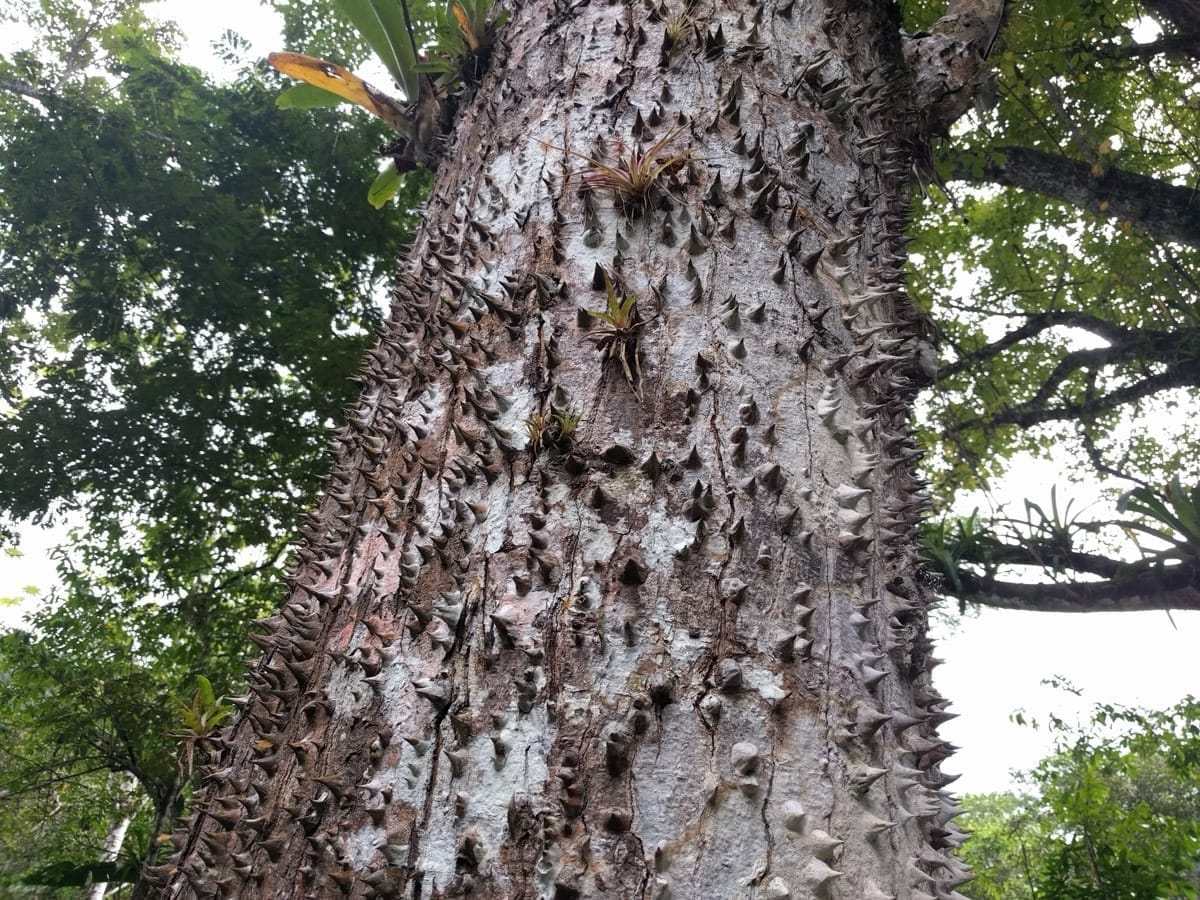
Young trees have SHARP CONICAL SPINES on trunk and branches that can cause painful puncture wounds. Spines are particularly prominent on juvenile trees and lower trunk; older trees often lose spines on upper portions. Wear thick gloves and long sleeves when working near young ceiba trees. The KAPOK FIBER from seed pods can cause skin and respiratory irritation in sensitive individuals - the fine fibers act as mechanical irritants. Handling kapok may cause itching and discomfort.
Allergenic Properties
Kapok fiber can cause respiratory irritation and allergic reactions when inhaled. The fine, silky fibers can irritate airways causing coughing and difficulty breathing. Some individuals may develop sensitivity to kapok. Historically used in pillows and life jackets but largely replaced due to allergy concerns. Pollen may cause allergic reactions in sensitive individuals during flowering season.
Structural Hazards
MASSIVE FALLING BRANCHES: This is one of the world's tallest tropical trees, reaching 60-70 meters with a broad crown. Large branches can fall without warning, especially during storms or as tree ages. NEVER plant near buildings, power lines, or high-traffic areas. Requires substantial space and professional assessment. BUTTRESS ROOTS: Develops massive buttress roots that can damage sidewalks, foundations, and underground utilities. SPINES: Trunk covered in sharp pyramidal spines (especially when young) that pose injury risk.
Wildlife & Pet Risks
Generally safe for wildlife. Seeds are eaten by various birds and mammals. Not toxic to pets, but spines could injure curious animals. Keep pets away from young spiny trees.
Season
Flowering
Jan-Mar
Fruiting
Mar-May
How to identify
Ceiba
Ceiba (Ceiba pentandra), also known as the Kapok Tree, is one of the most culturally significant trees in Mesoamerica. The ancient Maya revered it as the sacred World Tree (Ya'axché) — the axis connecting Xibalba (the underworld), the earthly realm, and the thirteen heavens above.
Quick Reference
iNaturalist Observations
Community-powered species data
📸 Photo Gallery
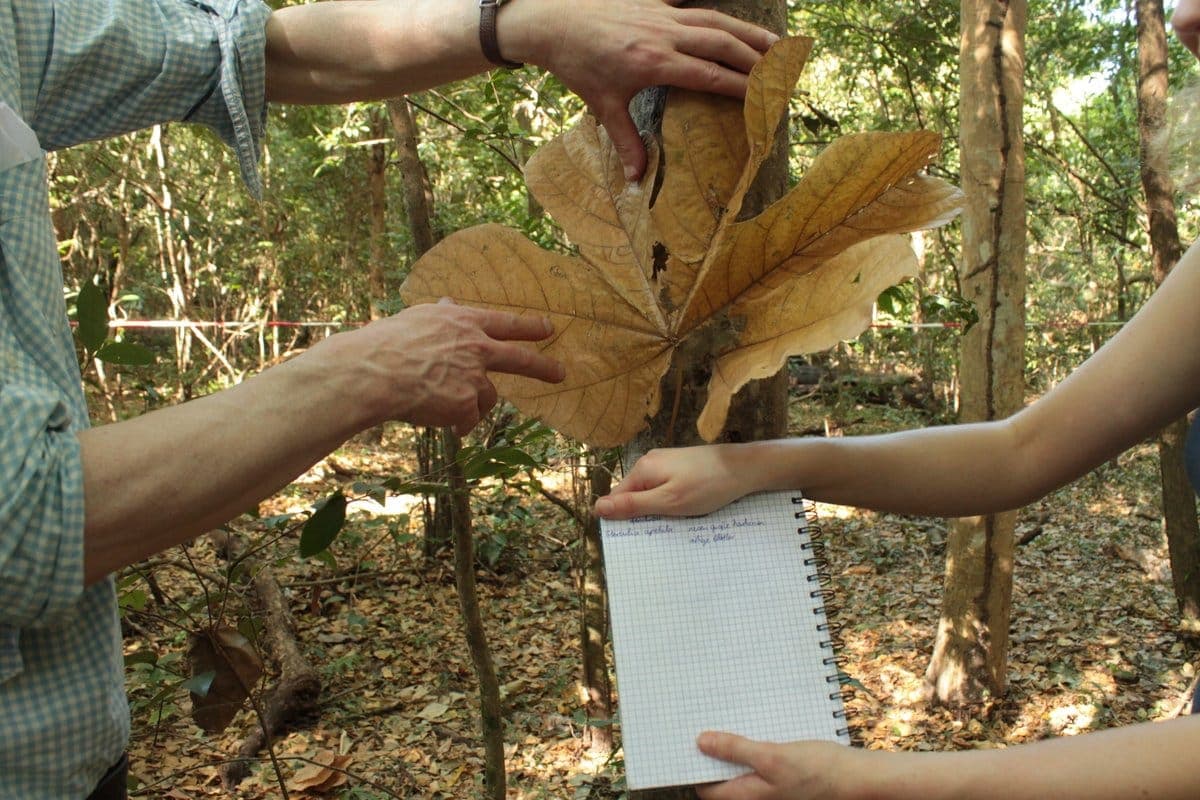
Whole tree
📷 (c) sergiovillegas, some rights reserved (CC BY-NC)(CC BY-NC)
View source ↗Leaves
📷 (c) sergiovillegas, some rights reserved (CC BY-NC)(CC BY-NC)
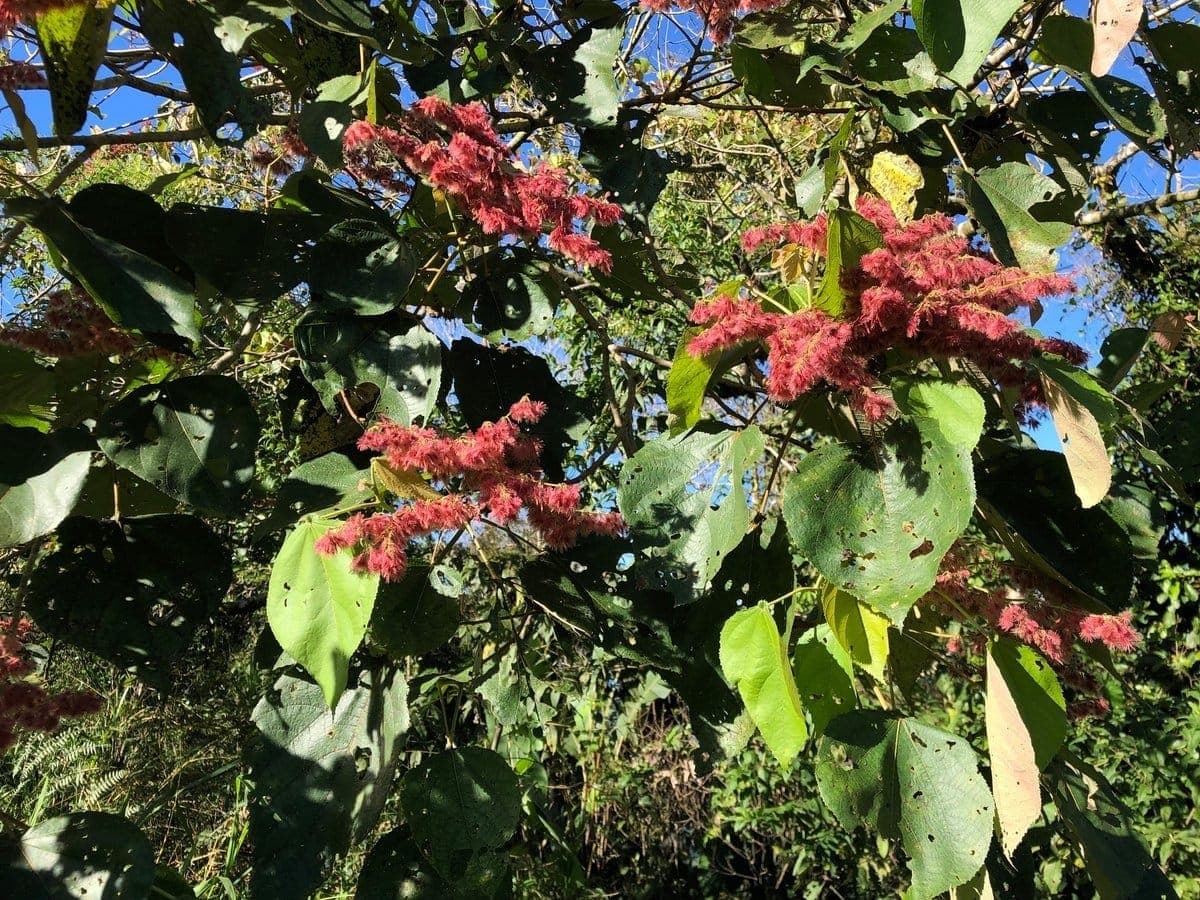
View source ↗Bark
📷 (c) John Brew, some rights reserved (CC BY)(CC BY-NC)
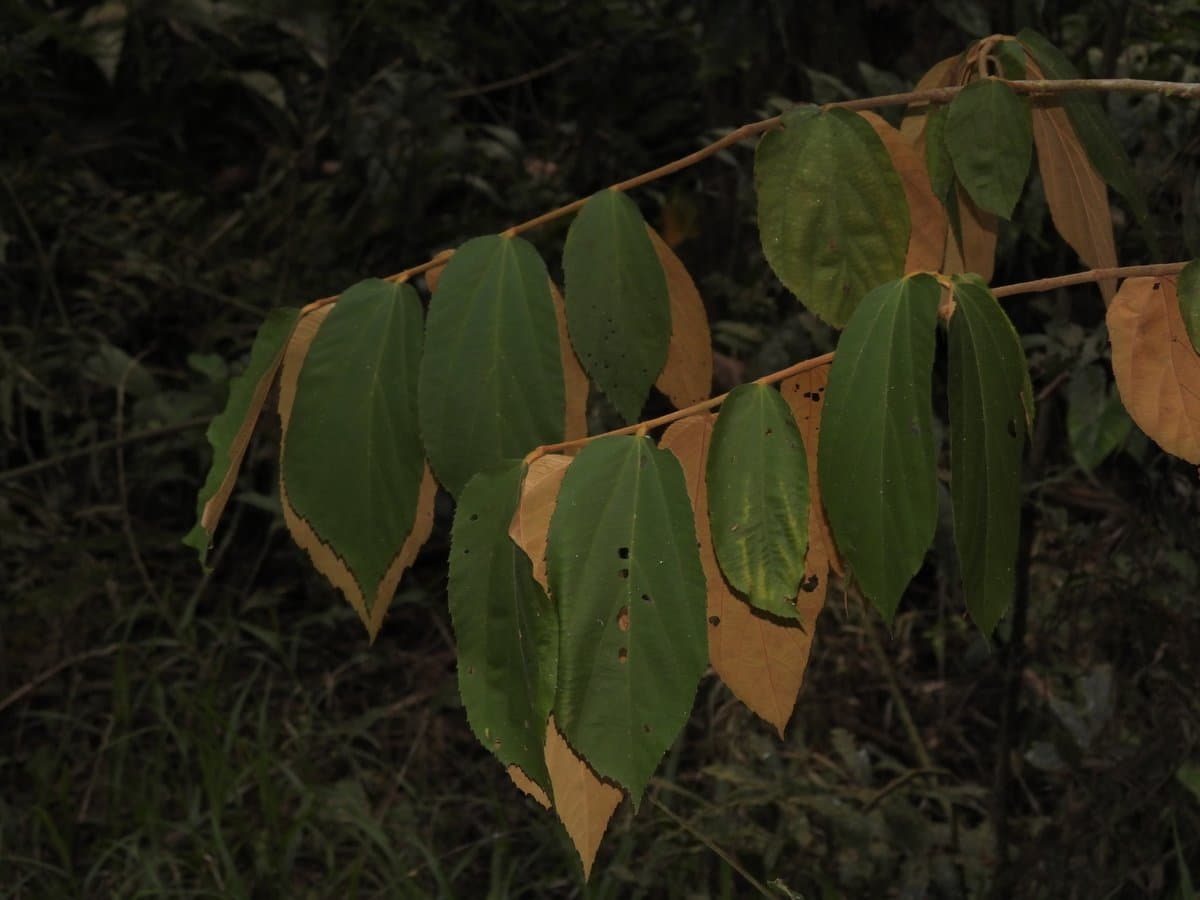
View source ↗Whole tree
📷 (c) Bryan Finegan, some rights reserved (CC BY-NC)(CC BY-NC)
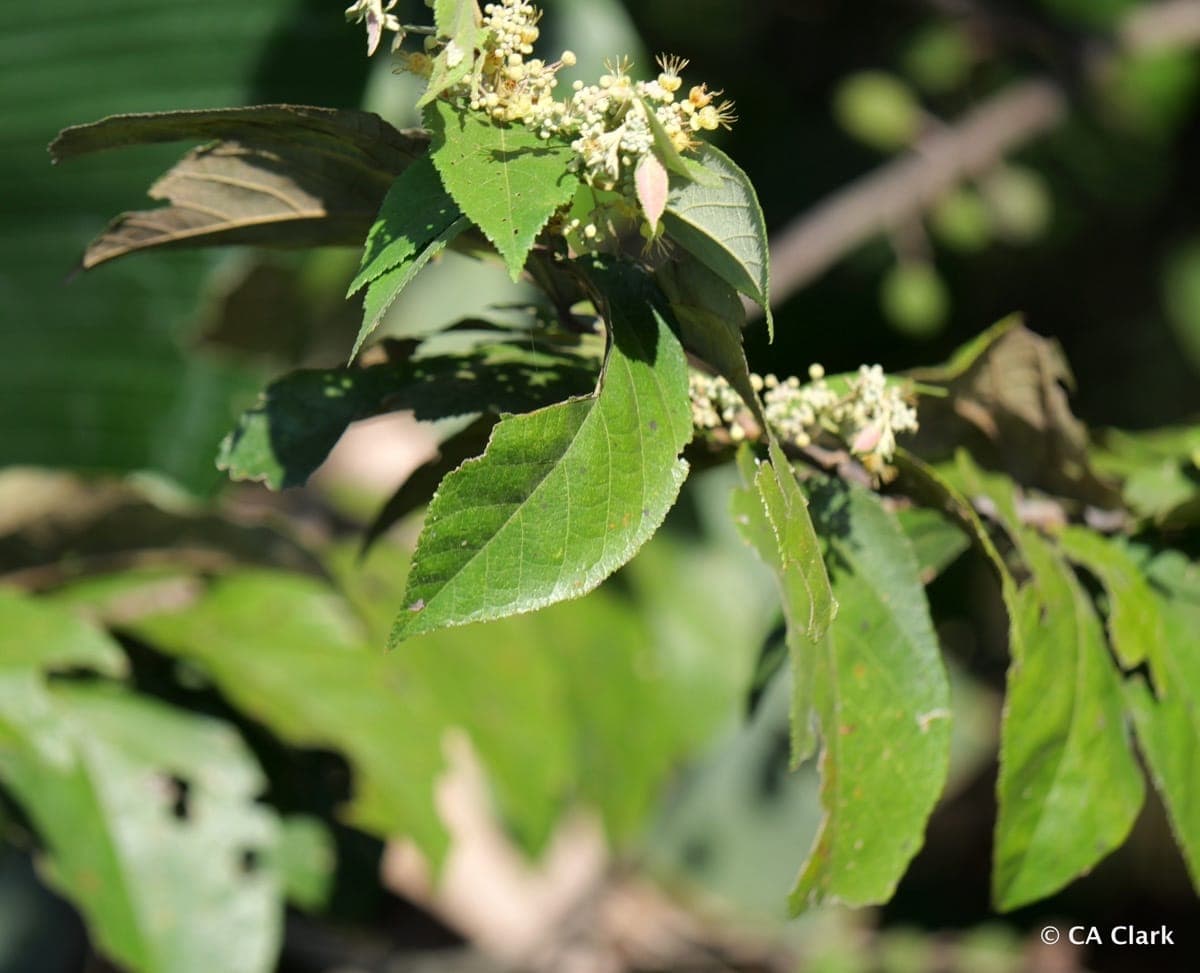
View source ↗Leaves
📷 (c) Bryan Finegan, some rights reserved (CC BY-NC)(CC BY-NC)
View source ↗Photos sourced from iNaturalist's community science database. Browse all 4,200+ observations →↗
Taxonomy & Classification
Geographic Distribution
Geographic Distribution
Where to Find Ceiba in Costa Rica
Primary Habitats:
Elevation: Sea level to ~1,000 m (prefers lowlands)
Habitat & Ecology
Ecological Role
The Ceiba is an emergent giant that plays critical roles:
Wildlife Associations
Animals dependent on Ceiba:
Unlike most trees, Ceiba flowers open at night and are pollinated primarily by nectar-feeding bats. The large, white to pinkish flowers produce copious nectar and have a musky odor attractive to bats. A single large Ceiba in flower can support entire bat populations!
Botanical Description
Wood Properties
Appearance
Unlike most trees featured here, Ceiba wood is not commercially valuable for construction or furniture. It's extremely soft, lightweight, and not durable. However, its very softness made it ideal for traditional dugout canoes — easy to carve when fresh.
Physical Properties
Applications
Before synthetic materials, kapok was essential for life preservers and flotation devices — its natural water resistance and incredible buoyancy saved countless lives. Kapok pillows are still prized for their natural, hypoallergenic properties.
Cultural & Spiritual Significance
Sources: IUCN Red List — Ceiba pentandra search↗, Plants of the World Online (Kew) — Ceiba pentandra↗, USDA Forest Service — Ceiba pentandra↗
To the ancient Maya, the Ceiba was the most sacred of all trees — the Ya'axché (Green Tree). It represented the axis mundi, the cosmic axis connecting:
The Ceiba's spreading branches were seen as supporting the sky, while its roots reached into the realm of the dead. Maya rulers were often depicted with the World Tree, and Ceibas were planted in town plazas as sacred centers.
Living Heritage
Cultural significance across Mesoamerica:
Many Central American towns have ancient Ceiba trees in their central plazas — often centuries old and treated as living monuments. In Costa Rica, notable specimens exist in Limón, Guápiles, and throughout the Atlantic lowlands.
Sustainability & Conservation
The Ceiba pentandra is listed as "Least Concern" globally due to its wide distribution across multiple continents. However, large old-growth specimens are increasingly rare due to forest clearing, and individual heritage trees are often protected by local law.
Current Status
Why Large Ceibas Matter
While the species is not endangered, individual giant Ceibas are irreplaceable:
Growing Ceiba
Where to See Ceiba Trees
Recommended Locations in Costa Rica
National Parks & Reserves:
Urban & Accessible:
External Resources
Community observations, photos, and distribution data
4,200+ observations worldwide
Global biodiversity records and specimen data
Global Biodiversity Information Facility
Authoritative taxonomic information from Kew
Royal Botanic Gardens, Kew
Silvics manual entry for Ceiba pentandra
USDA Forest Service
Conservation status and species assessment
References
📚 Scientific References & Further Reading
Lobo, J.A., et al. (2005). Effects of pollination by bats and other visitors on reproductive success of Ceiba pentandra. Biotropica 37(3):329-339
Francis, J.K. (1991). Ceiba pentandra (L.) Gaertn. Kapok. USDA Forest Service SO-ITF-SM-39[Link ↗]
Miller, M.E. & Martin, S. (2004). Courtly Art of the Ancient Maya. Thames & Hudson
Pennington, T.D. & Sarukhán, J. (2005). Árboles tropicales de México. UNAM/Fondo de Cultura Económica, Mexico City
The Ceiba (Ceiba pentandra) stands as one of the most magnificent and spiritually significant trees of the American tropics. Rising to heights of 70 meters with buttresses that seem to grow from another world, flowering in spectacular displays that draw bats from across the forest, and holding a central place in Maya cosmology as the World Tree — the Ceiba represents the very essence of tropical grandeur.
When you stand beneath an ancient Ceiba, you stand at the center of a Maya universe.
🌳 Ya'axché — The Green Tree
Safety Information Disclaimer
Safety information is provided for educational purposes only. Individual reactions may vary significantly based on age, health status, amount of exposure, and individual sensitivity. Always supervise children around plants. Consult a medical professional or certified arborist for specific concerns. The Costa Rica Tree Atlas is not liable for injuries or damages resulting from interaction with trees described in this guide.
• Always supervise children around plants
• Consult medical professional if unsure
• Seek immediate medical attention if poisoning occurs
Information compiled from authoritative toxicology sources, scientific literature, and medical case reports.
Help improve this page
Know something about this tree? Share local knowledge, suggest a correction, or submit a photo to improve this guide for everyone.