Fruta de Pan
Artocarpus altilis
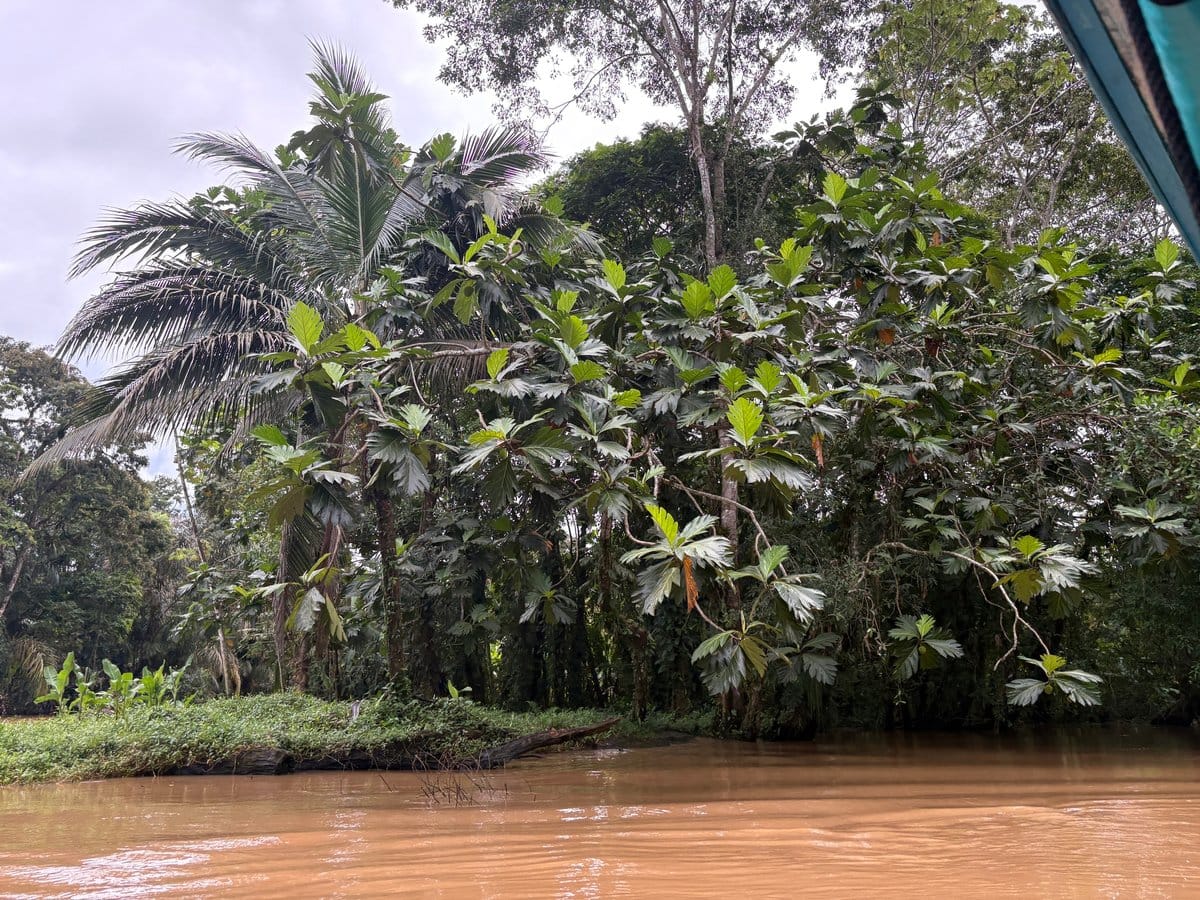
Quick facts
Native Region
Pacific Islands (naturalized in Caribbean)
Max Height
15-25 meters (50-82 feet)
Family
Moraceae
Conservation
NE — Not Evaluated
Uses
Safety Information
Toxicity Details
Breadfruit tree is essentially non-toxic. The RIPE fruit is safe, nutritious, and widely consumed (cooked like potato or baked like bread). However, UNRIPE fruit and raw fruit can cause throat irritation due to latex content. The fruit must be cooked before eating. The white latex/sap is mildly irritating if consumed. Indigenous Pacific Islanders and Caribbean peoples have safely consumed breadfruit for millennia when properly prepared (cooked).
Skin Contact Risks
The milky latex can cause skin irritation and allergic reactions in sensitive individuals. Some people develop contact dermatitis from handling the fruit or sap. Wear gloves when harvesting if you have latex sensitivity.
Allergenic Properties
MODERATE allergen risk. The tree is in the Moraceae family (fig/mulberry family) and produces latex. Some individuals allergic to latex may react to breadfruit sap. Cross-reactivity with other latex-containing plants is possible. Pollen may cause respiratory allergies in susceptible individuals.
Wildlife & Pet Risks
Safe for domestic animals and wildlife. Fruit is sometimes fed to pigs and chickens (cooked). Bats and birds eat the fruit safely.
Season
Flowering
Mar-May
Fruiting
Jun-Oct
How to identify
Fruta de Pan (Breadfruit)
Fruta de Pan (Artocarpus altilis) is gaining recognition as a sustainable food crop for the 21st century. This highly productive tree arrived in the Caribbean from the Pacific Islands and has become a beloved staple in Costa Rica's Afro-Caribbean communities.
Quick Reference
iNaturalist Observations
Community-powered species data
📸 Photo Gallery
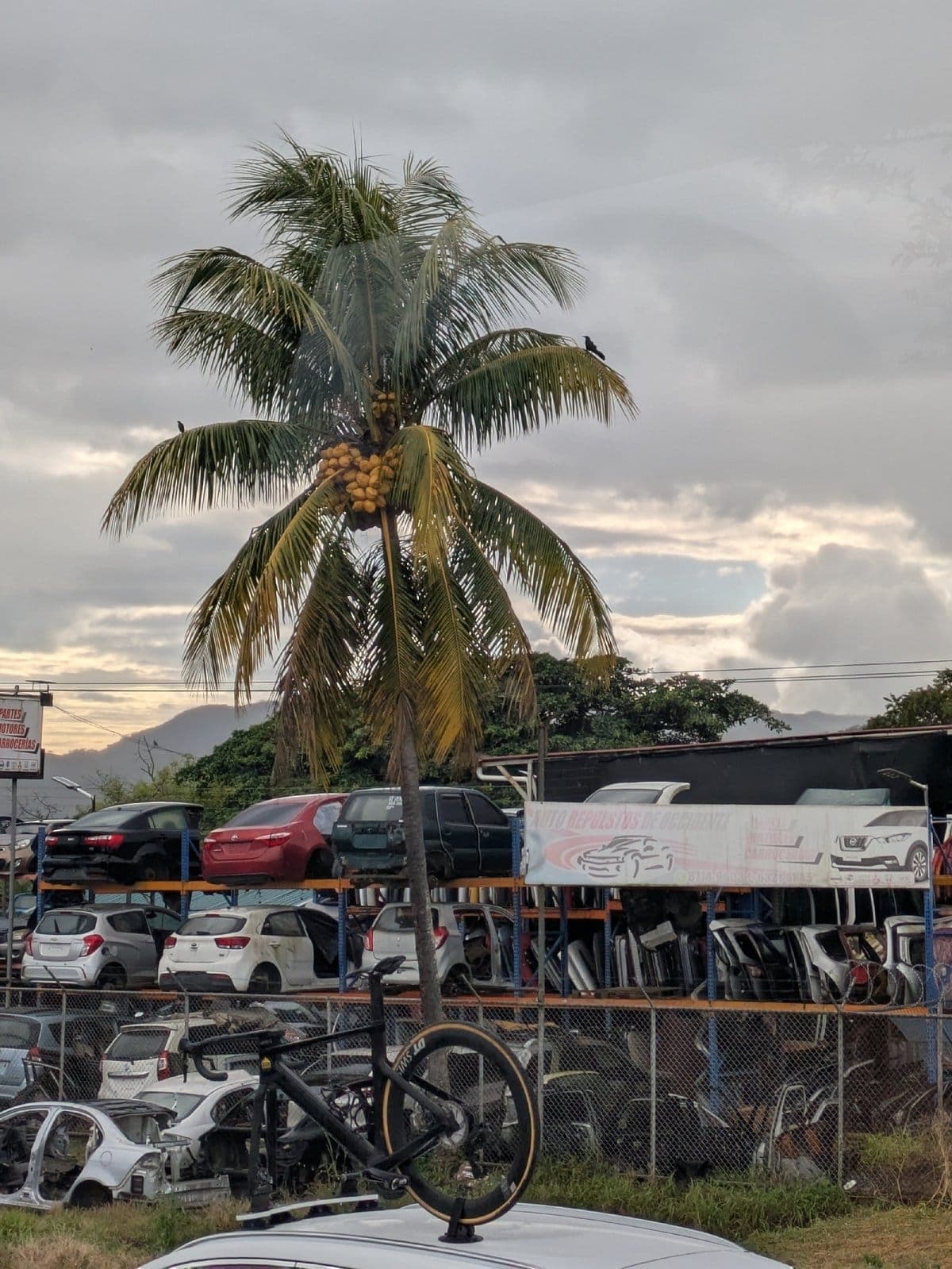
Whole tree
📷 (c) D.J. McNeil, some rights reserved (CC BY-NC)(CC BY-NC)
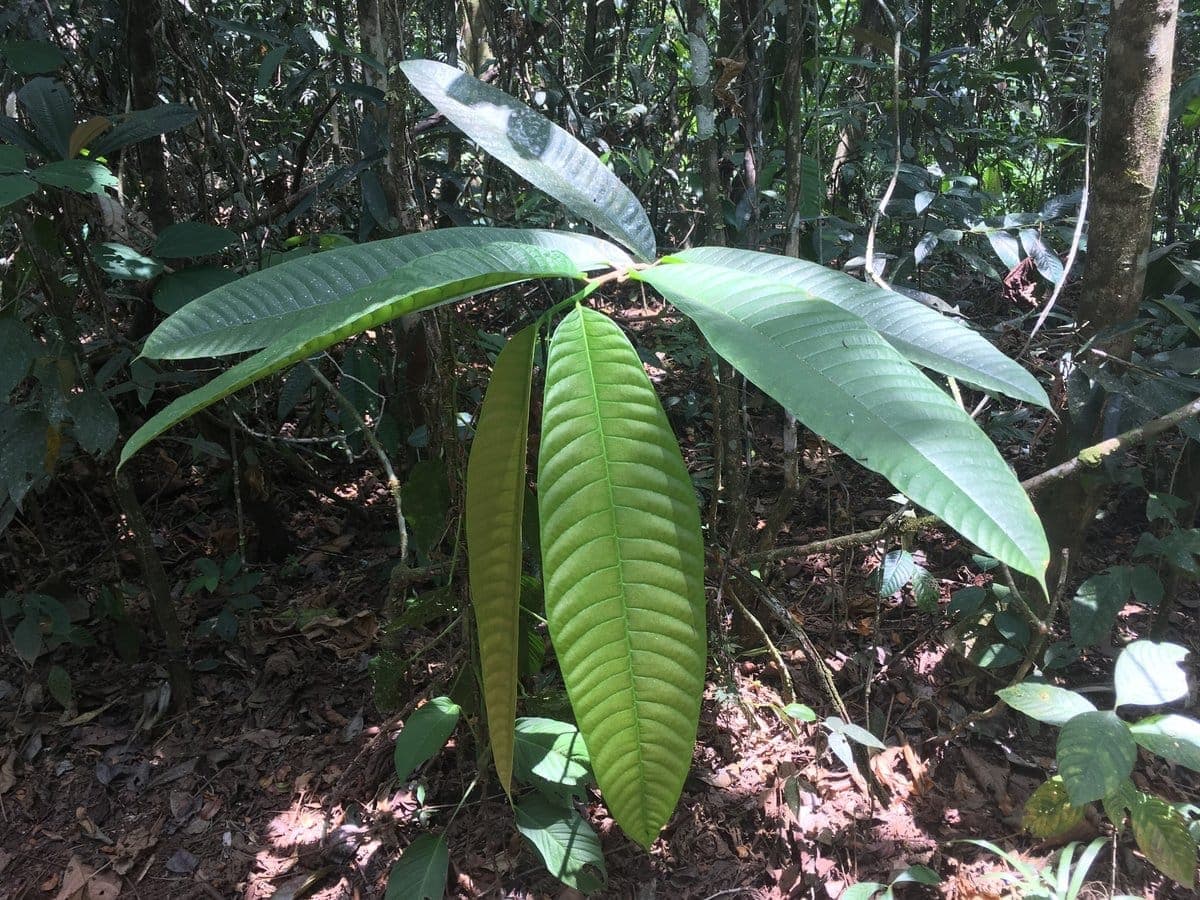
View source ↗Leaves
📷 (c) Christopher Rustay, some rights reserved (CC BY-NC)(CC BY-NC)
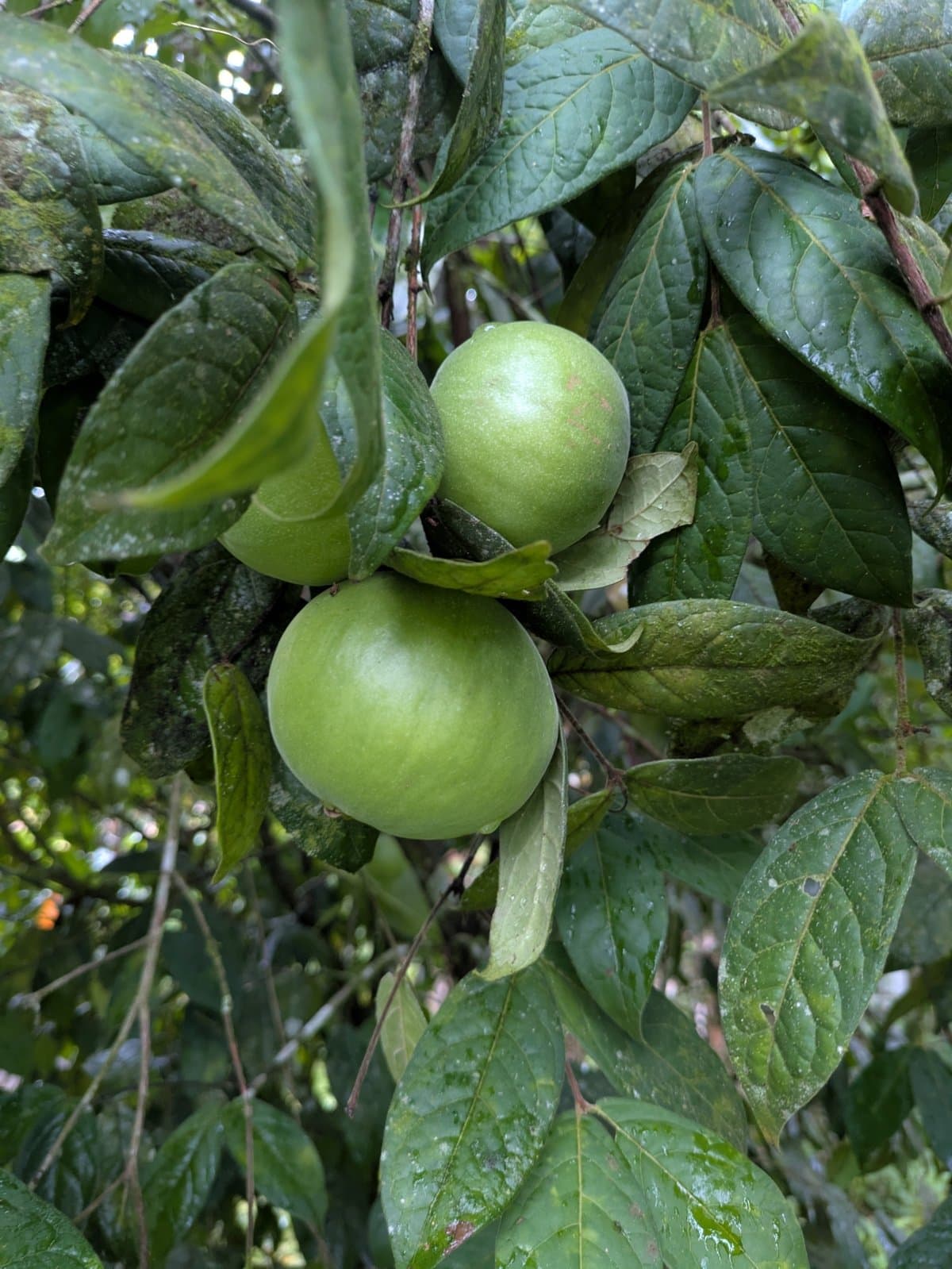
View source ↗Whole tree
📷 (c) Christopher Rustay, some rights reserved (CC BY-NC)(CC BY-NC)
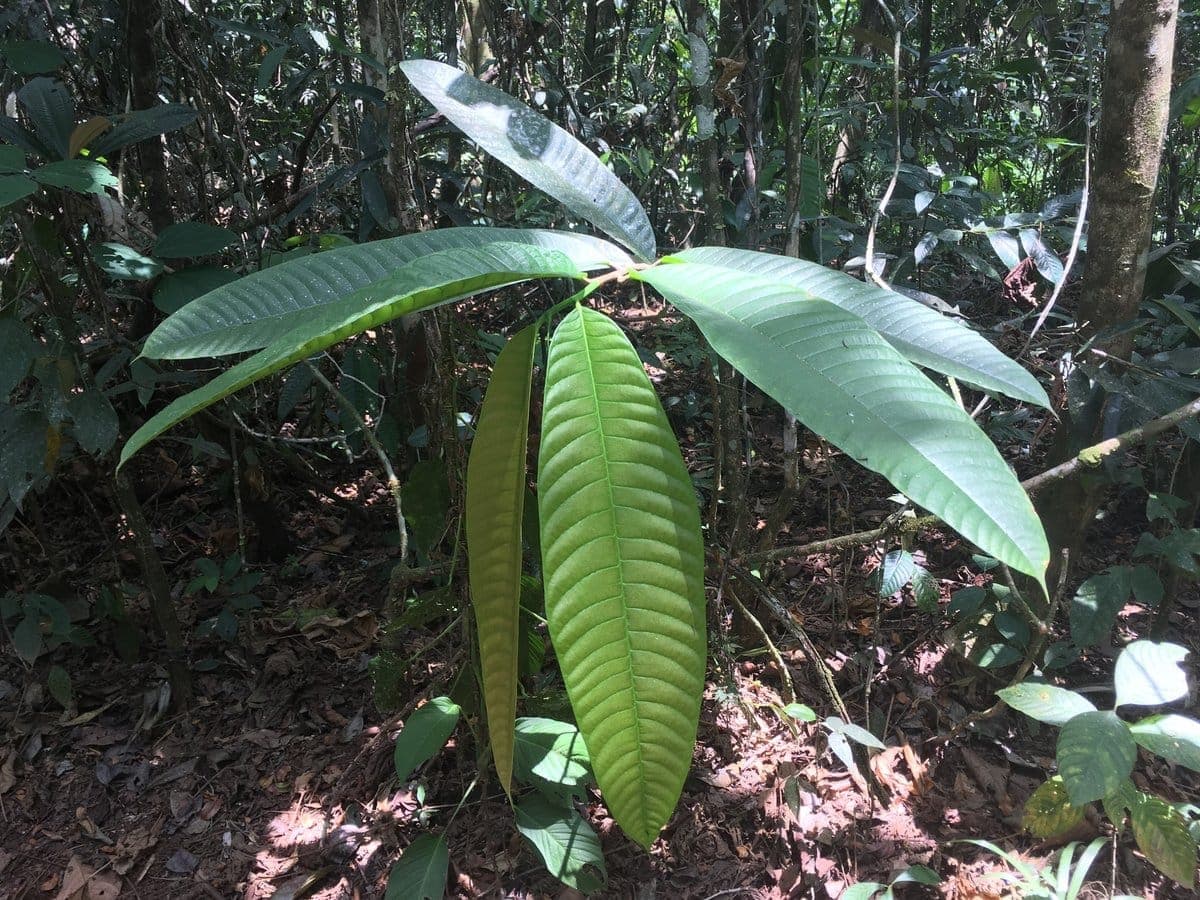
View source ↗Leaves
📷 (c) Christopher Rustay, some rights reserved (CC BY-NC)(CC BY-NC)
View source ↗Whole tree
📷 (c) probreviceps, some rights reserved (CC BY-NC)(CC BY-NC)
View source ↗Photos sourced from iNaturalist's community science database. Browse all observations →↗
Taxonomy & Classification
Geographic Distribution
Geographic Distribution
Where to Find Breadfruit in Costa Rica
Primary Habitats:
Elevation: Sea level to ~800 m (best below 500 m)
Habitat & Ecology
Growth Characteristics
Breadfruit trees are fast-growing and highly productive:
Wildlife Associations
Animals that interact with breadfruit:
Breadfruit is increasingly recognized as an important food security crop for climate change adaptation. A single tree can produce enough food to feed a family, requires minimal inputs, and sequesters carbon.
Botanical Description
Uses & Applications
Breadfruit can be prepared in countless ways: roasted whole, fried as chips, boiled and mashed, baked into bread, fermented, or dried into flour. It's nutrient-rich, providing carbohydrates, fiber, vitamins, and minerals.
Cultural Significance
Breadfruit in Costa Rica
Caribbean Heritage:
Breadfruit's arrival in the Caribbean is tied to the infamous HMS Bounty mutiny of 1789. Captain William Bligh was transporting breadfruit plants from Tahiti to Jamaica when the crew mutinied. Bligh later succeeded on a second voyage, establishing breadfruit throughout the Caribbean.
Growing Breadfruit
Where to See Breadfruit Trees
Best Locations in Costa Rica
Caribbean Coast:
How to Identify:
Harvest, Storage, and Kitchen Workflow
For households using breadfruit regularly, quality depends on timing and handling. Fruit picked at mature-green stage stores briefly and cooks with better texture than fully soft fruit.
Keep fruit shaded and ventilated after harvest. In humid lowlands, process within 24-48 hours to avoid rapid softening and flavor loss.
External Resources
Community observations, photos, and distribution data
Global observations
Research and conservation of breadfruit
National Tropical Botanical Garden
Global biodiversity occurrence data and distribution maps
Conservation status and species assessment
References
📚 Scientific References & Further Reading
Ragone, D. (1997). Breadfruit: Artocarpus altilis (Parkinson) Fosberg. International Plant Genetic Resources Institute, Rome
Jones, A.M.P. et al. (2011). Nutritional and morphological diversity of breadfruit. Economic Botany 65(3):264-270
The Fruta de Pan (Artocarpus altilis) embodies the cultural connections between the Pacific Islands and the Caribbean. In Costa Rica's Limón Province, breadfruit trees stand as living reminders of Afro-Caribbean heritage, providing nutritious food and connecting communities to their ancestors who brought this remarkable tree across the oceans.
🍞 ¡Pura Vida!
Safety Information Disclaimer
Safety information is provided for educational purposes only. Individual reactions may vary significantly based on age, health status, amount of exposure, and individual sensitivity. Always supervise children around plants. Consult a medical professional or certified arborist for specific concerns. The Costa Rica Tree Atlas is not liable for injuries or damages resulting from interaction with trees described in this guide.
• Always supervise children around plants
• Consult medical professional if unsure
• Seek immediate medical attention if poisoning occurs
Information compiled from authoritative toxicology sources, scientific literature, and medical case reports.
Help improve this page
Know something about this tree? Share local knowledge, suggest a correction, or submit a photo to improve this guide for everyone.