Higuerón
Ficus insipida
Quick facts
Native Region
Mexico to Argentina
Max Height
30-40 meters (100-130 feet)
Family
Moraceae
Conservation
LC — Least Concern
Uses
Safety Information
Toxicity Details
The figs (fruit) are safe for wildlife and can be eaten by humans, though they are small and bland. The white latex (sap) from cut branches or damaged bark contains ficin enzyme and other compounds that can cause mild gastrointestinal upset if ingested in quantity. Not seriously toxic to humans or pets. Indigenous peoples used the latex medicinally.
Skin Contact Risks
The white latex can cause mild to moderate skin irritation and dermatitis in sensitive individuals. The ficin enzyme in the sap can break down proteins and may cause minor skin reactions. Most people can handle the tree without issues. Eye contact with latex causes irritation - wash immediately. Reactions are typically mild and resolve quickly. Far less irritating than other Ficus species.
Allergenic Properties
People with latex allergy may have cross-reactivity with fig latex (latex-fruit syndrome). Ficin enzyme can cause allergic reactions in sensitive individuals. Some people may develop oral allergy syndrome from eating figs. Generally well tolerated by most people. Commercial fig products (from F. carica) are more allergenic than this species.
Season
Flowering
All
Fruiting
All
How to identify
Higuerón (Wild Fig)
The Higuerón (Ficus insipida), also known as Wild Fig or Chilamate, is one of the most ecologically vital trees in the American tropics. Producing abundant figs throughout the year when other fruits are scarce, it serves as a keystone species that supports an extraordinary diversity of wildlife— from tiny bats to tapirs, from toucans to jaguars. A single fruiting Higuerón is a feeding station for the entire forest community.
Quick Reference
iNaturalist Observations
Community-powered species data
📸 Photo Gallery
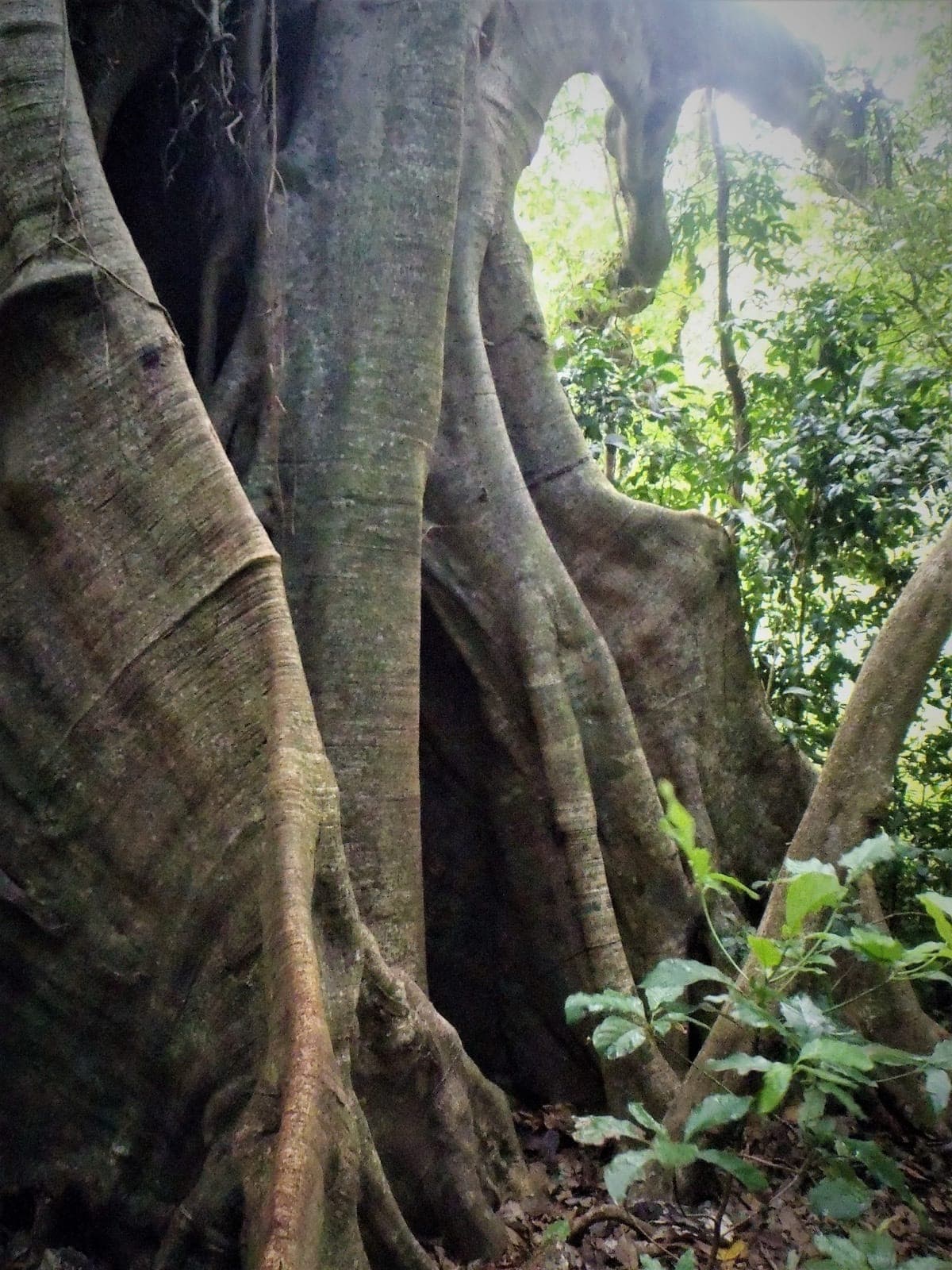
Whole tree
📷 (c) R.E.Llanos, some rights reserved (CC BY-NC-SA)(CC BY-NC)
View source ↗Leaves
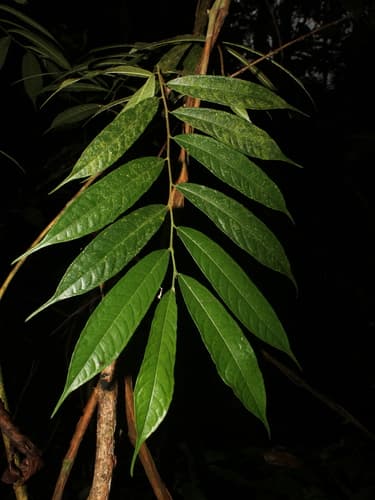
📷 (c) R.E.Llanos, some rights reserved (CC BY-NC-SA)(CC BY-NC)
View source ↗Whole tree
📷 (c) Jo Jiménez, some rights reserved (CC BY-NC)(CC BY-NC)
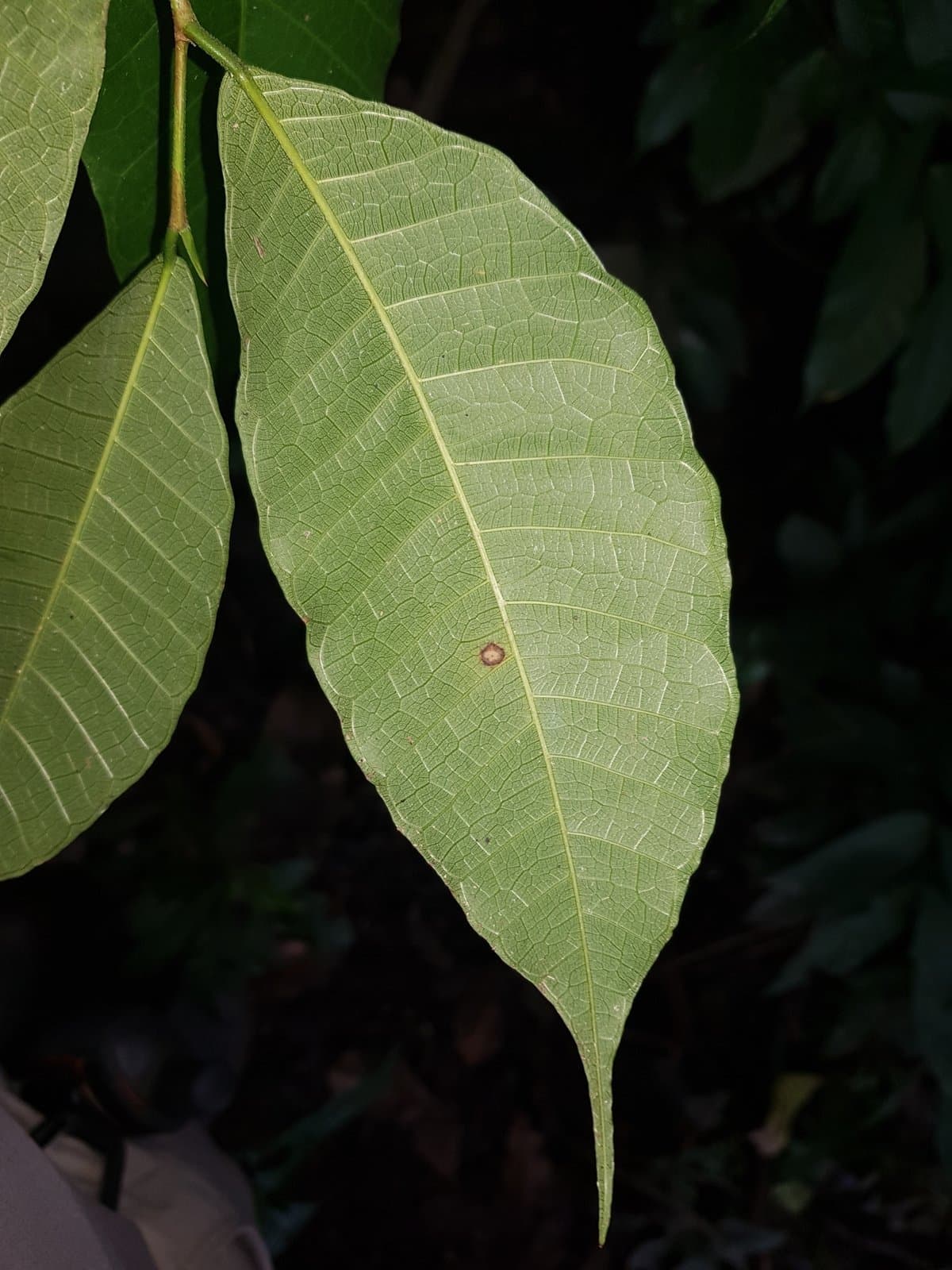
View source ↗Leaves
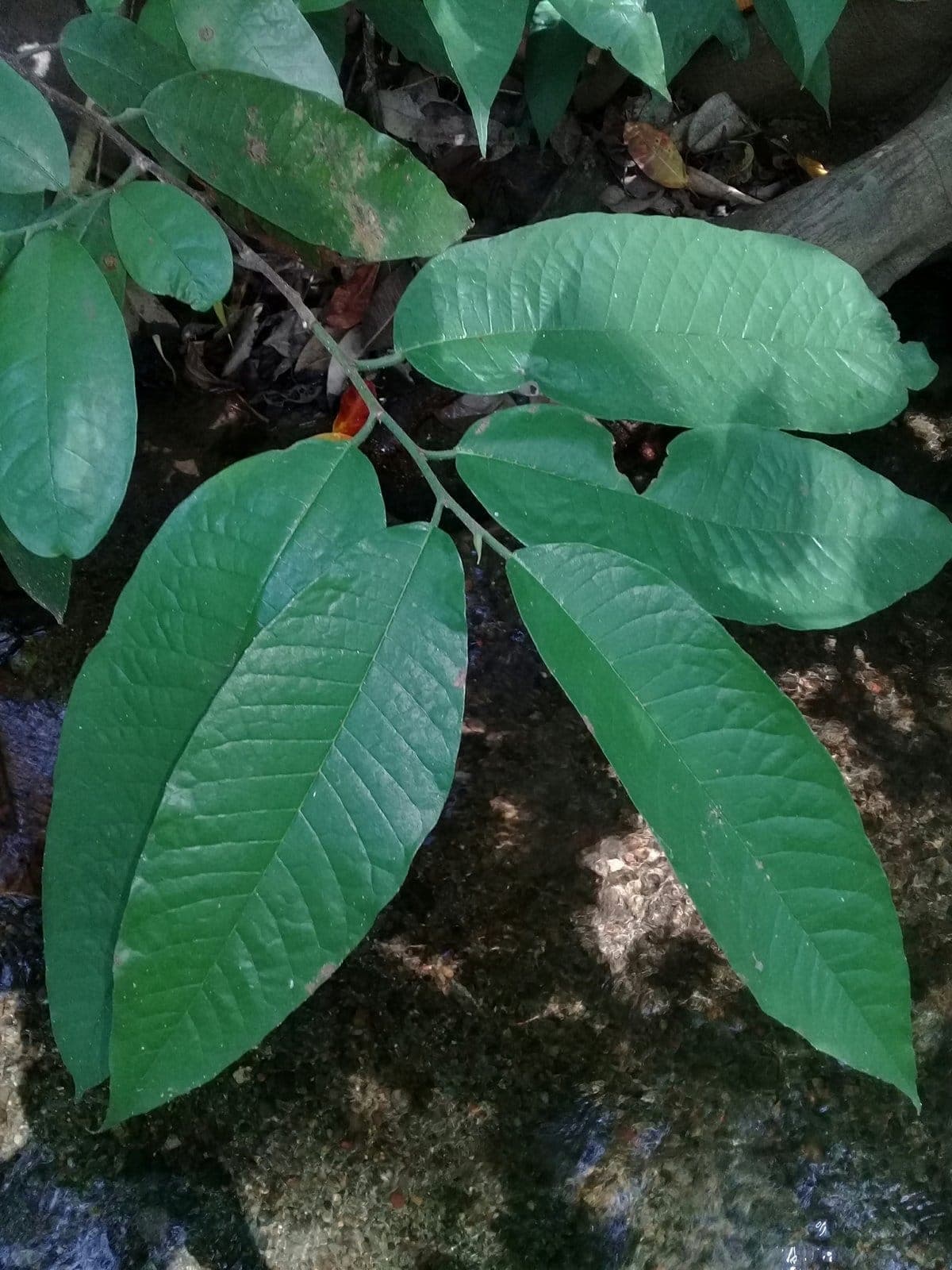
📷 (c) Jo Jiménez, some rights reserved (CC BY-NC)(CC BY-NC)
View source ↗Whole tree
📷 (c) emilypanchuk, some rights reserved (CC BY-NC)(CC BY-NC)
View source ↗Photos sourced from iNaturalist's community science database. Browse all observations →↗
Taxonomy & Classification
The genus Ficus is one of the largest in the plant kingdom, with over 850 species worldwide. Figs are famous for their unique pollination relationship with tiny fig wasps—each fig species has its own specific wasp pollinator. The "fruit" is actually an inside-out flower cluster (syconium) containing hundreds of tiny flowers inside.
Common Names
Physical Description
Overall Form
The Higuerón is a massive tree that can begin life as an epiphyte (strangler fig) or grow from ground level (hemi-epiphyte). It develops a spreading crown, massive trunk often with fused aerial roots, and produces abundant latex when cut.
Distinctive Features
Trunk & Structure
- Trunk: Massive, often irregularly shaped
- Aerial Roots: Dramatic, may fuse together
- Buttresses: Spreading, web-like
- Growth Habit: Strangler or free-standing
- Latex: Abundant white latex when cut
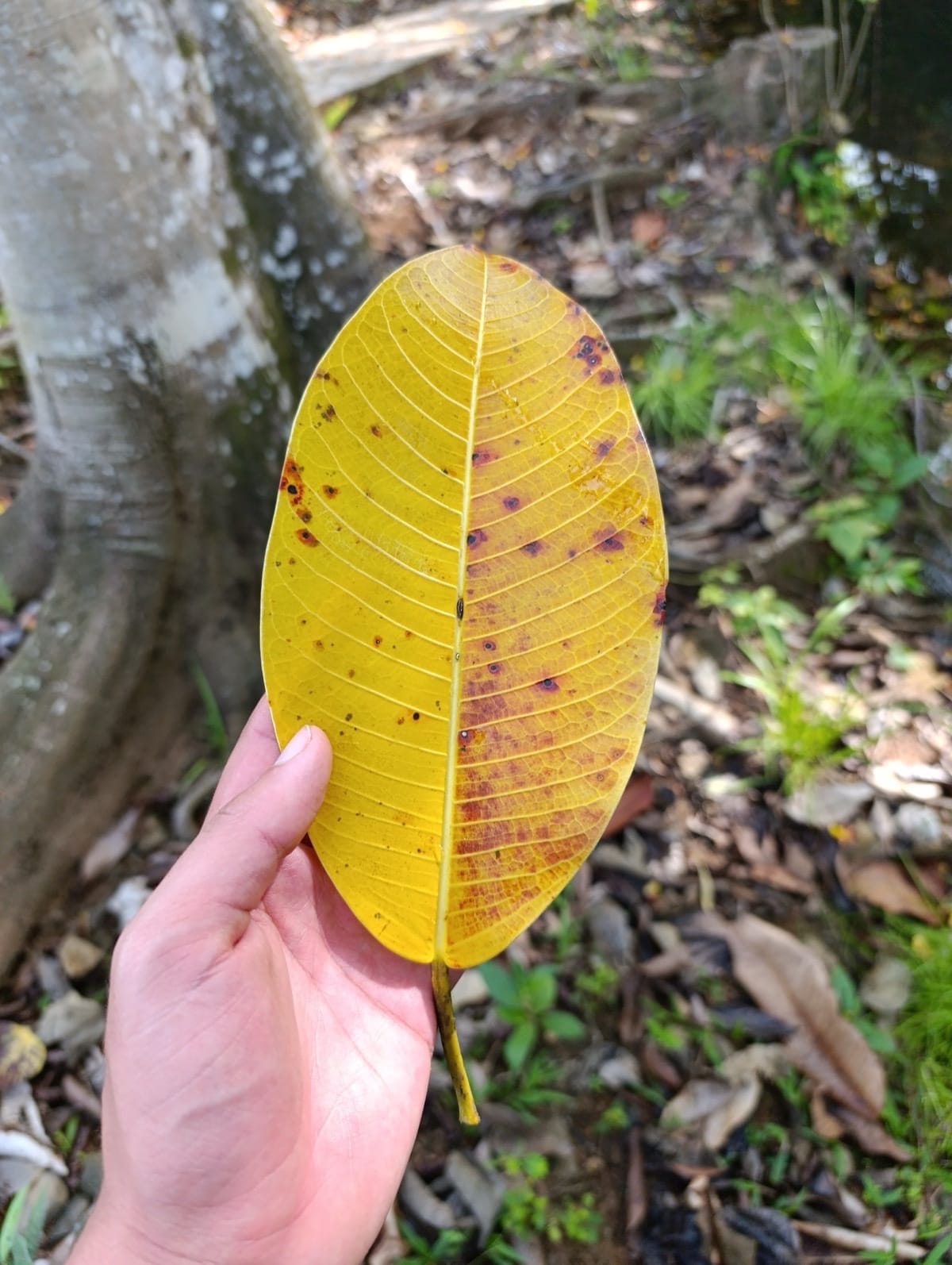
Leaves
- Type: Simple, alternate
- Shape: Elliptic to oblong
- Size: 10-25 cm long, 5-10 cm wide
- Texture: Leathery, glossy
- Margin: Entire
- Stipules: Prominent at growing tips
Figs (Syconia)
- Type: Syconium (inverted flower cluster)
- Size: 2-4 cm diameter
- Color: Green to yellowish-green when ripe
- Position: In leaf axils along branches
- Season: Year-round (asynchronous)
- Taste: Insipid (species name reference)
Reproduction
- Pollination: Specific fig wasp (Tetrapus species)
- Dispersal: Birds, bats, primates, fish, tapirs
- Germination: Often in tree crowns (epiphytic start)
- Strategy: Can strand host tree as strangler
Many Higuerón trees begin life when a bird or bat deposits a seed in another tree's canopy. The fig germinates there, sending roots down the host trunk while growing toward the sunlight. Over decades, these roots fuse around the host, eventually killing it and leaving the fig standing as a hollow giant— hence the name "strangler fig." However, many also grow directly from the ground.
Distribution & Habitat
Native Range
Geographic Distribution
Distribution in Costa Rica
The Higuerón is found throughout Costa Rica's lowland and mid-elevation forests on both slopes. It is one of the most widespread figs in the country and one of the most important for wildlife.
Preferred Habitat
Ecological Significance
The Keystone Species
Figs like the Higuerón are considered keystone species—organisms whose impact on their ecosystem is disproportionately large relative to their abundance. A single Higuerón can produce one million or more figs per year, and because different individual trees fruit at different times, there is almost always a Higuerón fruiting somewhere in the forest. This year-round fruit availability makes them critical for wildlife survival.
Wildlife Interactions
Mammals
- Howler Monkeys: Major consumers
- Spider Monkeys: Favorite food
- Capuchins: Regular visitors
- Bats: Many species, major dispersers
- Tapirs: Consume fallen figs
- Peccaries: Ground foragers
- Agoutis: Fallen fig consumers
- Kinkajous: Nocturnal visitors
Birds
- Toucans: All species visit fruiting trees
- Parrots: Major consumers
- Cotingas: Fruit specialists
- Trogons: Regular visitors
- Tanagers: Abundant at fruiting trees
- Guans & Curassows: Important visitors
- Many more: 60+ bird species documented
Other
- Fish: Eat fallen figs in flooded forests
- Iguana: Consume figs
- Wasps: Essential pollinators
Ecosystem Services
Cultural & Economic Importance
Traditional Uses
Living Cultural Heritage
The Higuerón has been important to indigenous peoples throughout its range. Its bark was used to make paper and cloth in pre-Columbian times, and the latex has traditional medicinal applications. Large Higueron trees are often protected as landmarks and sacred trees in rural communities, and their presence indicates healthy forest ecosystems.
Uses Table
The Fig-Wasp Partnership
Conservation Status
Current Assessment
Conservation Status
Conservation Importance
While the Higuerón itself is not threatened, its conservation importance cannot be overstated: - Protecting Higuerones protects ecosystems: The wildlife dependent on figs represents a large portion of tropical biodiversity
- Fragmentation impact: Isolated Higuerones may lose their wasp pollinators - Climate change: Timing mismatches between trees and wasps are a concern - Corridor value: Figs in agricultural landscapes maintain connectivity Conservation strategies increasingly recognize the need to protect fig trees as part of landscape-level planning.
Cultivation & Propagation
Growing Higuerón
Propagation Methods
From Seeds
- Extract seeds from ripe figs
- Seeds are tiny—mix with sand to sow
- Surface sow (need light)
- Keep consistently moist
- Germination in 2-4 weeks
- Very slow initial growth
From Cuttings (Easier)
- Large branch cuttings (30-60 cm)
- Can be planted directly as living posts
- Root quickly in wet season
- Much faster establishment than seed
Growing Conditions
Planting Considerations
- Allow abundant space for development
- Excellent for riparian restoration
- Can damage foundations if planted too close
- Aerial roots may require management in urban settings
Identification Guide
How to Identify Higuerón
Where to See Higuerón in Costa Rica
External Resources
Community observations and photos
Comprehensive fig-wasp research
Taxonomic information
Global biodiversity occurrence data and distribution maps
Conservation status and species assessment
References
📚 Scientific References & Further Reading
Shanahan, M., et al. (2001). Fig-eating by vertebrate frugivores: a global review. Biological Reviews
Terborgh, J. (1986). Keystone plant resources in the tropical forest. Conservation Biology
Janzen, D.H. (1979). How to be a fig. Annual Review of Ecology and Systematics
Any time you find a fruiting Higuerón is an excellent time for wildlife viewing! In Costa Rica, the best strategy is to ask local guides or lodge staff about currently fruiting fig trees. Once you find one, arrive at dawn for the best bird activity, stay through the morning for monkeys and toucans, and return at dusk to see bats arriving. A single fruiting Higuerón can provide one of the most rewarding wildlife experiences in the neotropics.
Safety Information Disclaimer
Safety information is provided for educational purposes only. Individual reactions may vary significantly based on age, health status, amount of exposure, and individual sensitivity. Always supervise children around plants. Consult a medical professional or certified arborist for specific concerns. The Costa Rica Tree Atlas is not liable for injuries or damages resulting from interaction with trees described in this guide.
• Always supervise children around plants
• Consult medical professional if unsure
• Seek immediate medical attention if poisoning occurs
Information compiled from authoritative toxicology sources, scientific literature, and medical case reports.
Help improve this page
Know something about this tree? Share local knowledge, suggest a correction, or submit a photo to improve this guide for everyone.