Indio Desnudo
Bursera simaruba
Quick facts
Native Region
Florida to Brazil
Max Height
20-30 meters
Family
Burseraceae
Conservation
LC — Least Concern
Uses
Safety Information
Toxicity Details
Indio Desnudo (Gumbo-Limbo) is NON-TOXIC to humans and pets. There are NO reported cases of poisoning from ingestion of bark, leaves, fruit, or sap. The tree is SAFE for planting in residential areas, parks, schools, and playgrounds where children and pets are present. Birds and wildlife safely consume the fruits. The tree is widely planted in community spaces, schools, and family gardens throughout Central America with no toxicity concerns. Completely safe for children and pets to play near.
Skin Contact Risks
The aromatic resin/sap has a turpentine-like smell and is historically used for glue, varnish, and incense. SKIN CONTACT is SAFE for most people with no irritation. The characteristic peeling bark (which gives the tree its 'sunburnt tourist' or 'indio desnudo' nickname) is harmless to touch. Like any plant resin, very sensitive individuals might possibly experience mild contact dermatitis from prolonged exposure to large amounts of sap, but this is RARE and NOT severe. Overall skin contact risk: NONE for normal interaction.
Allergenic Properties
NO significant allergen risk. The resin is not a respiratory sensitizer. Flowers are insect-pollinated, not wind-pollinated, so no airborne pollen concerns. No documented wood dust allergies or respiratory issues from working with the wood. Bees use the resin for propolis safely. Overall allergen risk: NONE.
Season
Flowering
Mar-Apr
Fruiting
May-Jun
How to identify
Indio Desnudo (Gumbo-Limbo)
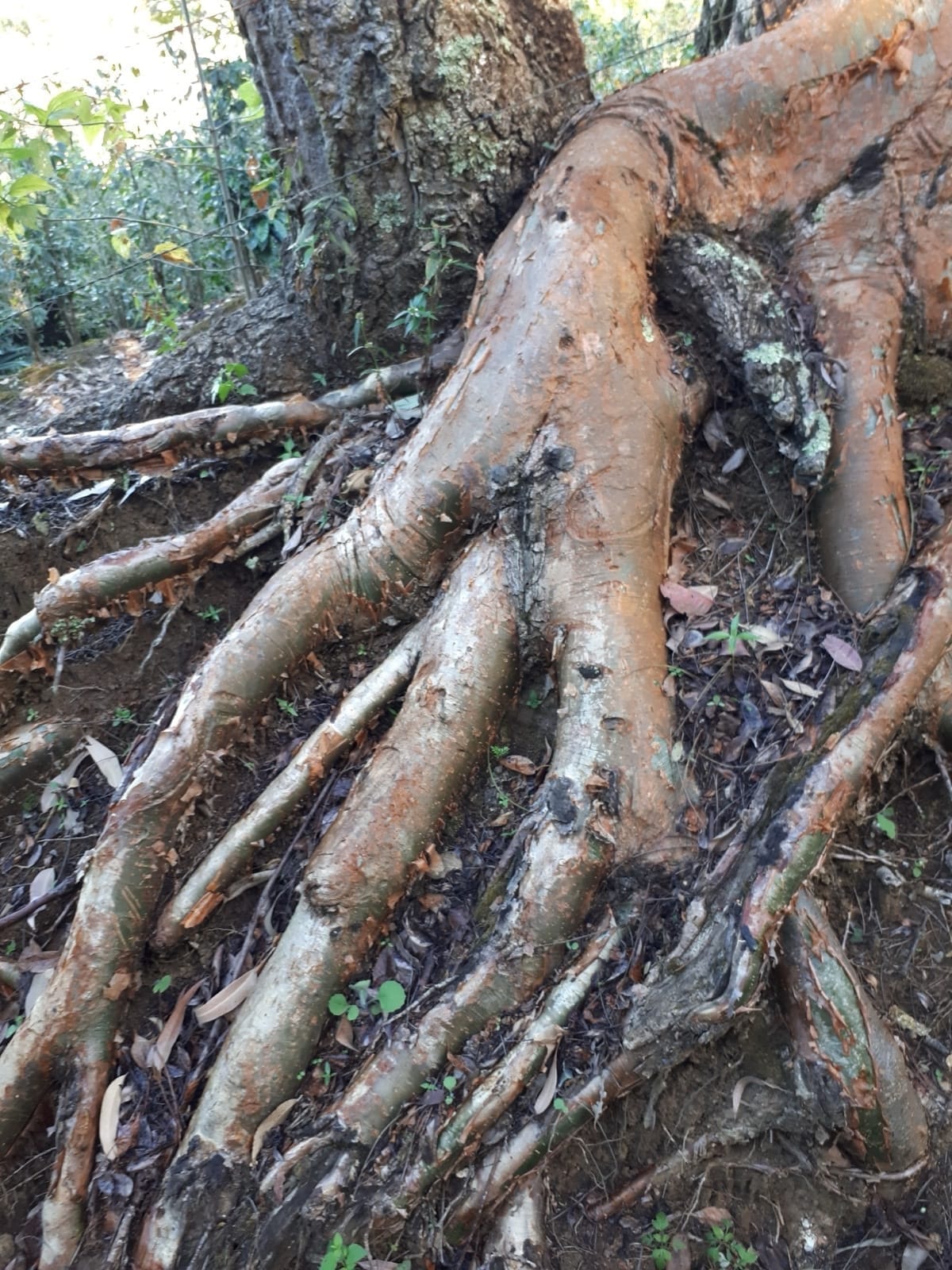
The Indio Desnudo (Bursera simaruba), also known as the Gumbo-Limbo or Tourist Tree (because its bark peels and turns red "like sunburned tourists"), is one of the most distinctive trees in the Neotropics. Its peeling reddish-bronze bark revealing smooth green layers beneath is unmistakable. This drought-tolerant, salt-tolerant pioneer thrives from Florida beaches to Costa Rican dry forests, propagates easily from large cuttings, and has been used for living fences and traditional medicine for millennia.
Quick Reference
iNaturalist Observations
Community-powered species data
📸 Photo Gallery
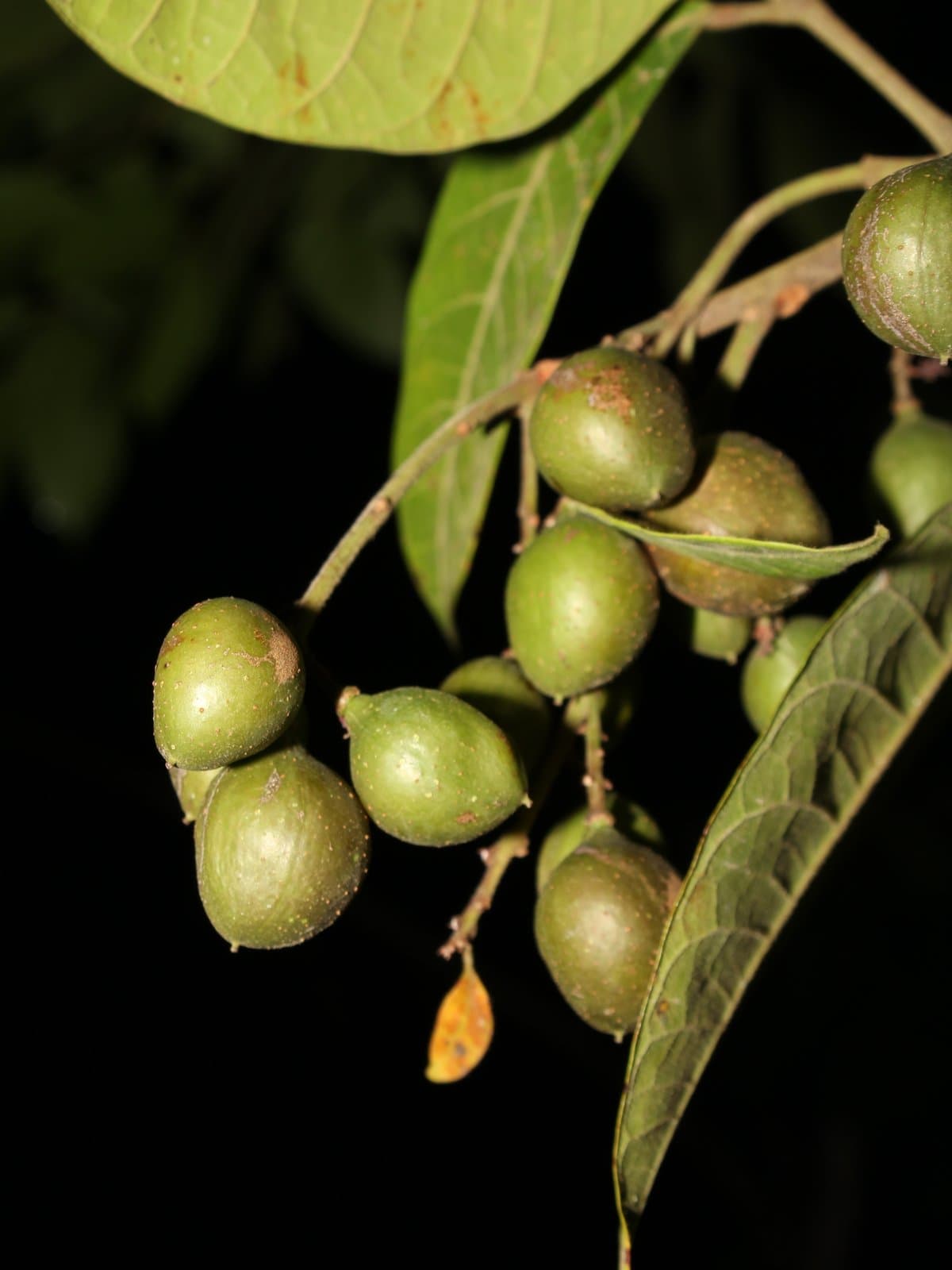
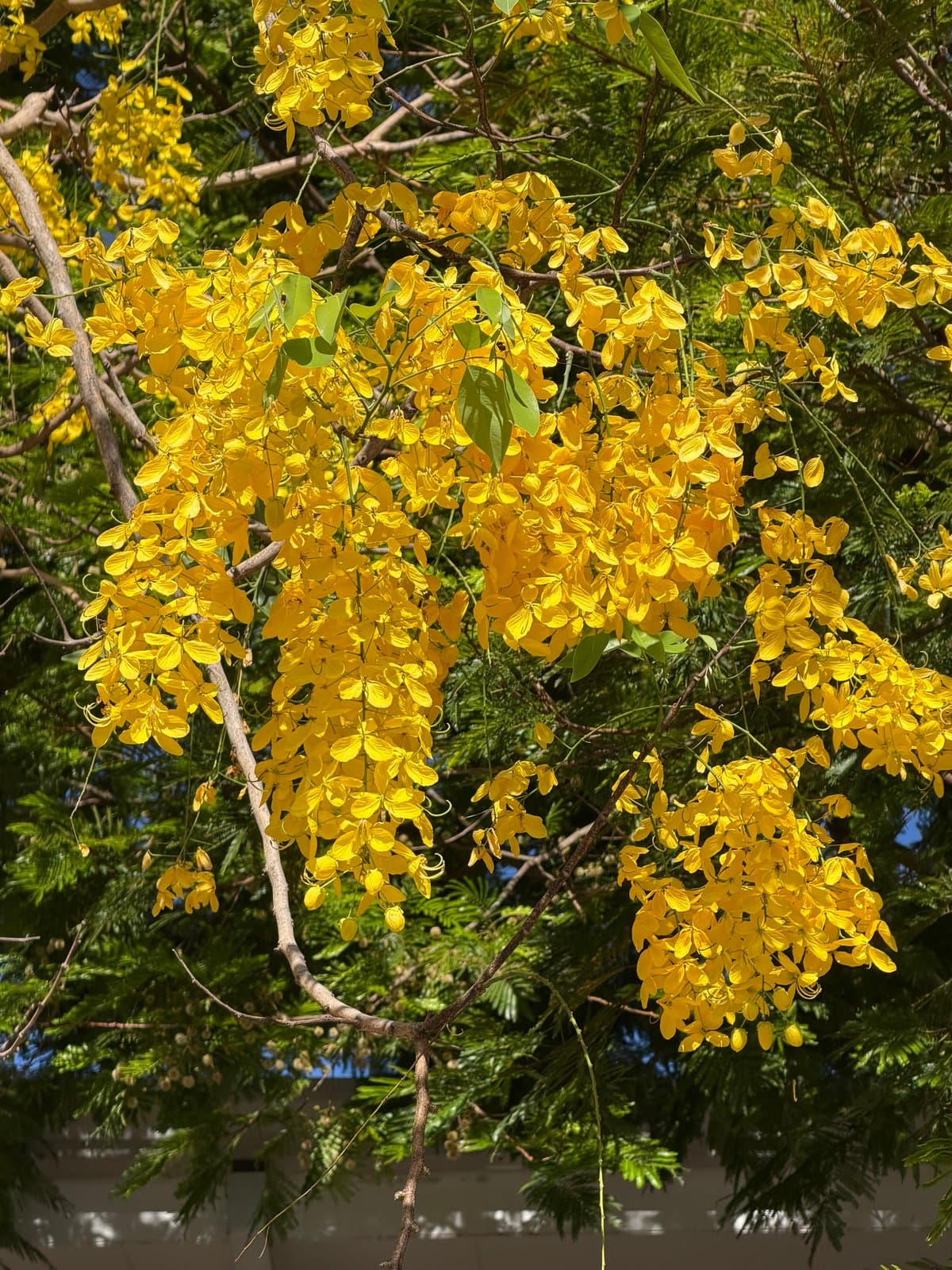
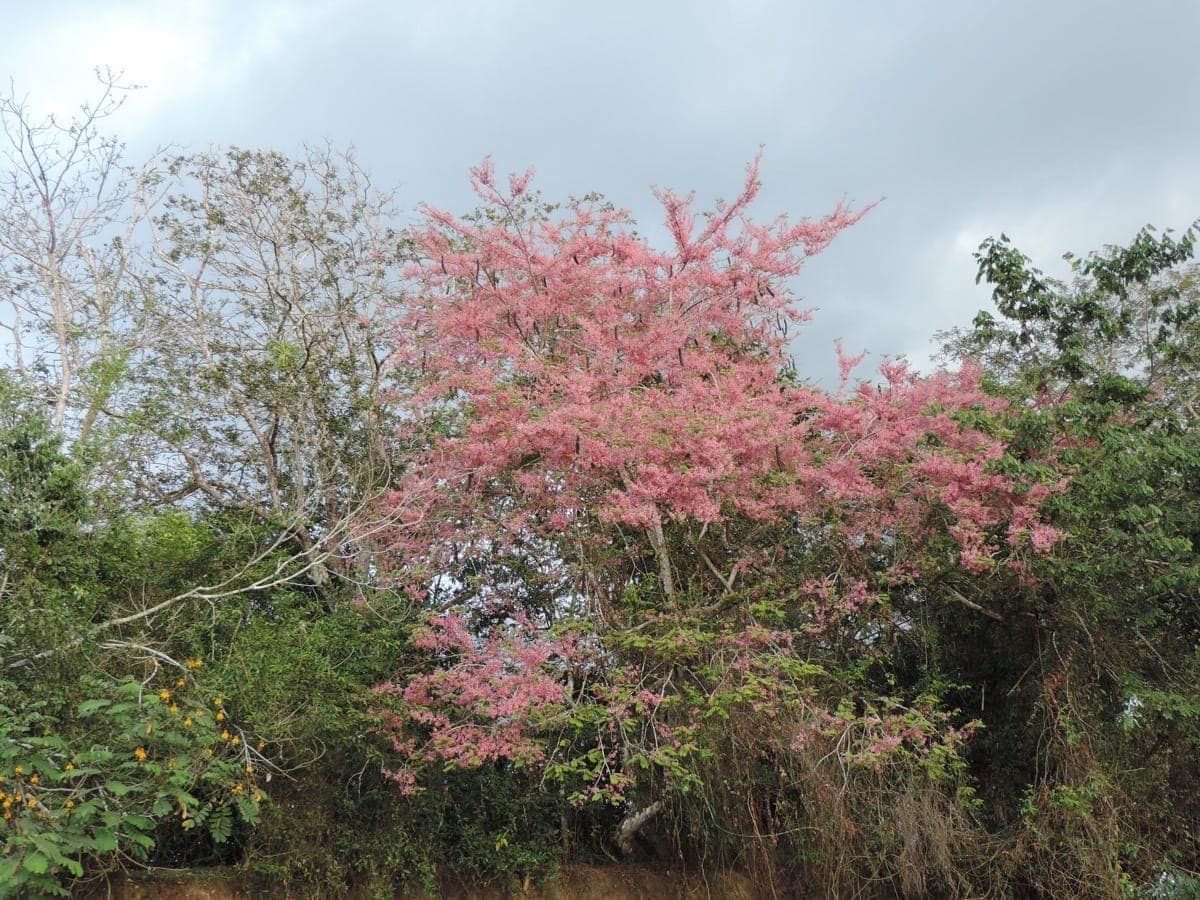
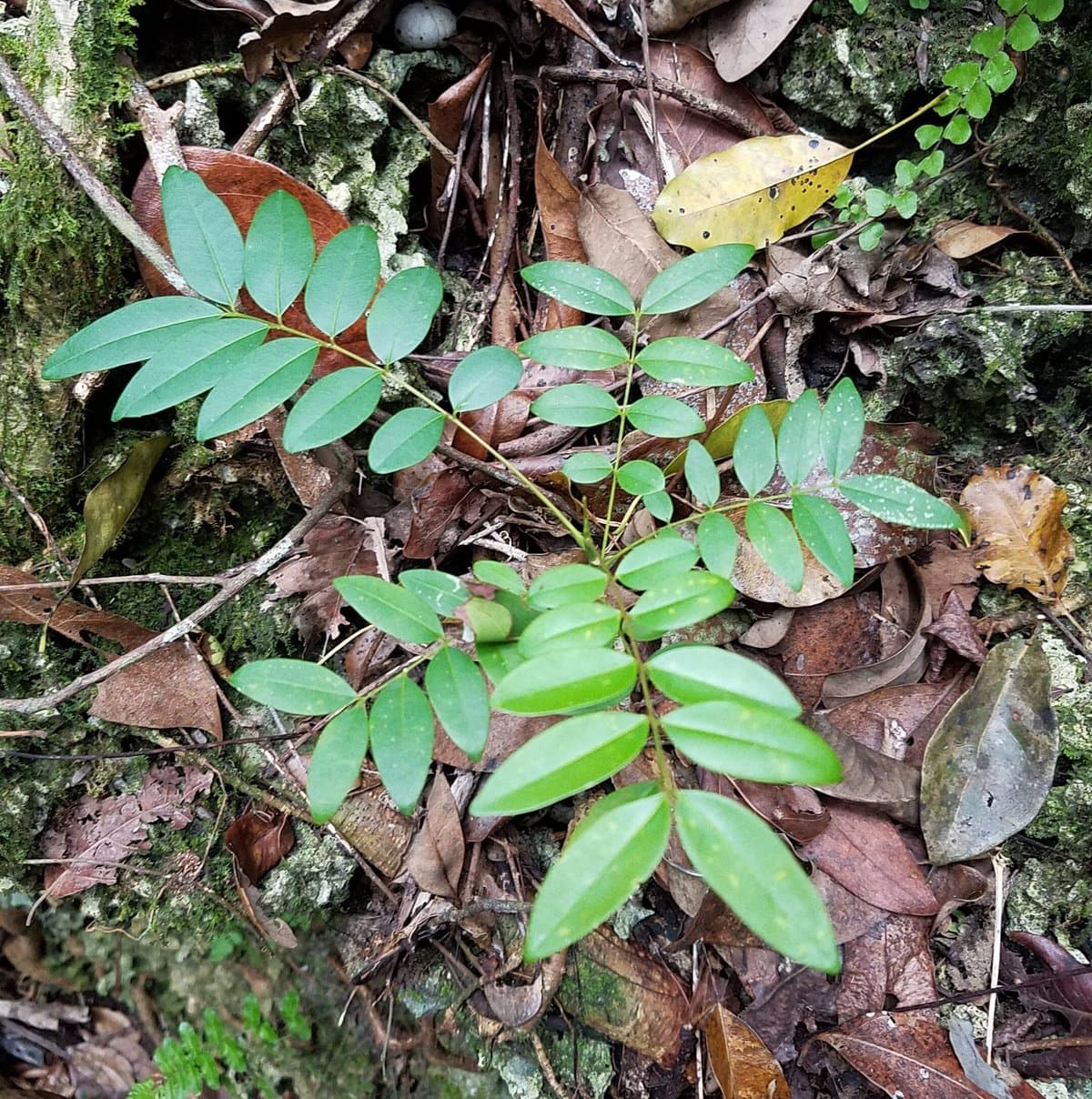
Whole tree
📷 (c) maw0162, some rights reserved (CC BY-NC)(CC BY-NC)
View source ↗Leaves
📷 (c) maw0162, some rights reserved (CC BY-NC)(CC BY-NC)
View source ↗Whole tree
📷 (c) Marco Acuña, some rights reserved (CC BY-NC)(CC BY-NC)
View source ↗Leaves
📷 (c) Ana Isabel, some rights reserved (CC BY-NC)(CC BY-NC)
View source ↗Whole tree
📷 (c) Ana Isabel, some rights reserved (CC BY-NC)(CC BY-NC)
View source ↗Photos sourced from iNaturalist's community science database. View all observations →↗
Taxonomy and Classification
The Burseraceae (torchwood family) includes many resin-producing trees, including: - Frankincense (Boswellia species) - Myrrh (Commiphora species) - Copal (various Bursera species) Indio Desnudo produces an aromatic resin similar to copal, connecting Costa Rica's forests to ancient resin-burning traditions across the tropics.
Common Names
Physical Description
General Form
Indio Desnudo is a medium-sized deciduous tree with a distinctive short trunk that often branches low, creating a spreading, irregular crown. The entire tree appears to glow reddish-bronze when the bark is actively peeling, which is most of the year. The aromatic resin, thick fleshy leaves, and ability to root from cuttings make it unmistakable.
Distinctive Features
The Famous Bark
- Color: Reddish-bronze, copper, cinnamon
- Texture: Paper-thin outer layers peel continuously
- Under-Bark: Smooth, bright green (photosynthetic!)
- Function: Water retention, photosynthesis when leafless
- Feel: Cool and smooth to touch
- Resin: Aromatic, sticky when cut
Trunk & Branches
- Form: Often short, branching low
- Branches: Thick, spreading, sometimes contorted
- Bark Peeling: Most prominent on younger portions
Leaves
- Type: Pinnately compound
- Leaflets: 5-9, alternate
- Size: Leaflets 4-8 cm long
- Texture: Thick, somewhat succulent
- Deciduous: Drops leaves in dry season
- Odor: Aromatic when crushed
Flowers & Fruits
- Flowers: Small, yellowish-green, inconspicuous
- Arrangement: Panicles
- Timing: Early dry season before leaves
- Fruits: Small drupes, red when ripe
- Seeds: Bird-dispersed
- Attractiveness: Birds love the fruits
The peeling bark is a brilliant drought adaptation: 1. Photosynthetic bark: The green under-layer photosynthesizes even when the tree has dropped its leaves in dry season 2. Water conservation: Smooth bark reduces water loss compared to fissured bark 3. Parasite prevention: Constant peeling removes epiphytes, lichens, and parasitic vines before they can establish 4. Heat reflection: The coppery color reflects sunlight, keeping the tree cool It's evolution's elegant solution to surviving intense dry seasons!
Distribution and Habitat
Native Range
Geographic Distribution
Distribution in Costa Rica
Common throughout lowland dry and moist forests, especially on the Pacific slope:
Habitat Preferences
Ecological Importance
Dry Forest Ecosystem Role
Indio Desnudo is critical to dry forest ecosystems: - Early Colonizer: Among first trees to establish on disturbed sites - Dry Season Food: Fruits ripen when few other foods available - Bird Magnet: 30+ bird species eat fruits - Photosynthesis Year-Round: Green bark when deciduous
- Soil Stabilization: Deep roots prevent erosion - Nurse Plant: Provides shade for later succession species Losing Indio Desnudo would impoverish dry forest bird communities.
Wildlife Interactions
Fruit Consumers
- Motmots: Major dispersers
- Trogons: Important consumers
- Toucans: Gorge on ripe fruits
- Tanagers: Various species
- Flycatchers: Opportunistic
- Monkeys: Occasional
Other Wildlife
- Iguanas: Rest on branches
- Bees: Visit inconspicuous flowers
- Lepidoptera: Caterpillars on leaves
- Epiphytes: Minimal (bark peels!)
- Woodpeckers: Occasional foraging
Traditional Uses
Medicinal Applications
The Pharmacy Tree
Indigenous and rural people have used Indio Desnudo medicinally for centuries:
- Bark Tea: Fever reduction, flu symptoms - Resin: Wound healing, stops bleeding - Leaf Poultice: Skin conditions, insect bites - Bark Wash: Rashes, sunburn (hence "tourist tree"!) - Internally: Traditional digestive remedies Modern research has found anti-inflammatory and antimicrobial compounds supporting some traditional uses.
Practical Uses
Living Fences
Indio Desnudo is one of the easiest trees to establish as living fence posts:
- Cut stakes 1.5-2.5 m long, 10-20 cm diameter
- Plant directly in ground at start of rains
- Stakes will root and leaf out within weeks
- Success rate often 90-100%
- Wire can be attached directly to growing posts
In Guanacaste, living fences of Indio Desnudo are a defining feature of the rural landscape—glowing red-bronze fence lines that grow rather than rot.
Cultivation and Propagation
Growing Indio Desnudo
Propagation Methods
Large Cuttings (Preferred)
- Cut stakes during dormant season (dry season)
- Stakes 1.5-3 m long, 10-20 cm diameter
- Plant immediately or store briefly in shade
- Plant 30-50 cm deep
- Will root in weeks when rains arrive
- Near 100% success rate
Seeds
- Collect red ripe fruits
- Clean pulp from seeds
- Plant fresh (short viability)
- Germination in 2-4 weeks
- Slower than cuttings but works
Growing Conditions
Notes
- Cuttings are so easy this is the primary method
- Excellent for reclaiming degraded land
- Good for slopes, erosion control
- Tolerates hurricane damage, resprouts
Identification Guide
How to Identify Indio Desnudo
Where to See Indio Desnudo in Costa Rica
Cultural Significance
Names and Folklore
The Tree of Many Names
The names for this tree reflect cultural observations: - Indio Desnudo (Naked Indian): The smooth, copper-colored bark resembles bare skin - Palo Jiote: In Mexico, "jiote" is a skin disease—the peeling bark resembles peeling skin - Tourist Tree: Modern humor—peeling red bark like sunburned tourists! - Gumbo-Limbo: Caribbean name, possibly from African slave origins Across its range, people have noticed and named the distinctive bark.
External Resources
Community observations and photos
South Florida native plant information
Plant profile and distribution
Global biodiversity occurrence data and distribution maps
Conservation status and species assessment
References
📚 Scientific References & Further Reading
Janzen, D.H. (1983). Costa Rican Natural History. University of Chicago Press
Dehgan, B. (1998). Landscape Plants for Subtropical Climates. University Press of Florida
Holdridge, L.R. & Poveda, L.J. (1975). Árboles de Costa Rica Vol. 1. Centro Científico Tropical
Few trees are as instantly recognizable as the Indio Desnudo. That glowing copper bark—peeling in paper-thin sheets to reveal jade-green layers beneath—is nature's own masterpiece. But the beauty isn't just aesthetic; it's functional, allowing the tree to photosynthesize even without leaves, shed parasites, conserve water, and thrive in the harsh dry season. Next time you're in Guanacaste and see those reddish fence lines glowing in the afternoon sun, appreciate the remarkable tree that grows its own fence posts while looking beautiful doing it.
Safety Information Disclaimer
Safety information is provided for educational purposes only. Individual reactions may vary significantly based on age, health status, amount of exposure, and individual sensitivity. Always supervise children around plants. Consult a medical professional or certified arborist for specific concerns. The Costa Rica Tree Atlas is not liable for injuries or damages resulting from interaction with trees described in this guide.
• Always supervise children around plants
• Consult medical professional if unsure
• Seek immediate medical attention if poisoning occurs
Information compiled from authoritative toxicology sources, scientific literature, and medical case reports.
Help improve this page
Know something about this tree? Share local knowledge, suggest a correction, or submit a photo to improve this guide for everyone.