Carao
Cassia grandis
Quick facts
Native Region
Mexico to South America
Max Height
20-30 meters
Family
Fabaceae
Conservation
LC — Least Concern
Uses
Safety Information
Toxicity Details
Carao is NON-TOXIC to humans and animals with no known hazards. All parts of the tree are safe. The fruit pulp is EDIBLE and traditionally consumed in Central America - made into syrups, drinks, and flakes used as a food supplement. However, the pulp has LAXATIVE/PURGATIVE properties due to bioactive compounds, similar to other Cassia species. Small amounts are safe, but large quantities will cause diarrhea and gastrointestinal upset, especially in children and small pets due to body size. Seeds are also edible (sometimes roasted into flour). The taste is sweet but the odor is considered unpleasant by some. Moderate consumption is key - traditionally used in controlled amounts as a blood tonic or chocolate substitute.
Skin Contact Risks
No skin irritation risk from contact with any part of the tree (leaves, bark, flowers, fruit, sap). Completely safe to touch and handle. Even direct contact with the pulp inside fruit pods causes no skin reactions. No documented cases of contact dermatitis or skin sensitization from Carao.
Allergenic Properties
No allergen risk reported. Wood dust from Carao is not documented as an irritant or sensitizer, unlike many tropical hardwoods. Safe for woodworkers without special respiratory precautions beyond normal dust control. Flowers are pollinated by insects, not wind, so no airborne pollen allergen concerns. Overall allergen risk: none known.
Season
Flowering
Feb-Apr
Fruiting
Mar-May
How to identify
Carao
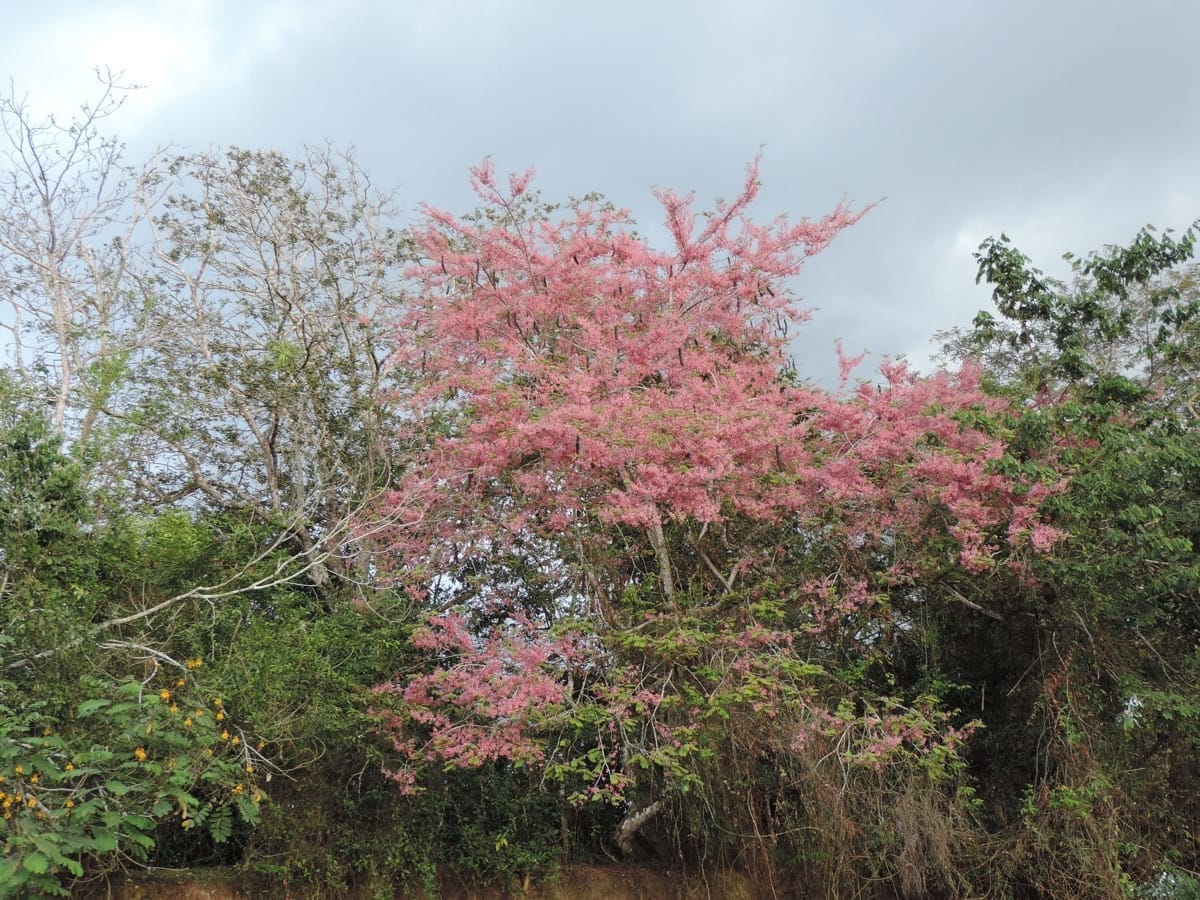
Carao (Cassia grandis), known internationally as the Pink Shower Tree or Horse Cassia, transforms the Central American landscape each year with its spectacular flowering display. When its pink blossoms cascade from bare branches in late dry season, entire hillsides turn rose-colored, announcing that the rains are near. Beyond its stunning beauty, Carao has been treasured across Latin America for centuries as a traditional blood tonic—its fruit pulp is believed to treat anemia and strengthen the blood. This magnificent flowering tree combines ornamental splendor with cultural medicine in a way few trees can match.
Quick Reference
iNaturalist Observations
Community-powered species data
📸 Photo Gallery
Whole tree
📷 (c) lucapassalacqua, some rights reserved (CC BY-NC)(CC BY-NC)
View source ↗Leaves
📷 no rights reserved(CC BY-NC)
View source ↗Whole tree
📷 (c) rmetry, some rights reserved (CC BY-NC)(CC BY-NC)
View source ↗Leaves
📷 no rights reserved(CC BY-NC)
View source ↗Whole tree
📷 (c) alexcm, some rights reserved (CC BY-NC)(CC BY-NC)
View source ↗Photos sourced from the iNaturalist citizen science database. View all observations →↗
Taxonomy and Classification
- Cassia: Ancient Greek name for plants now in this genus - grandis: Latin for "large" or "great" - reference to size - Related to the golden shower tree (Cassia fistula) - Part of the ornamental "shower tree" group
Common Names
Related Species in Costa Rica
Physical Description
Overall Form
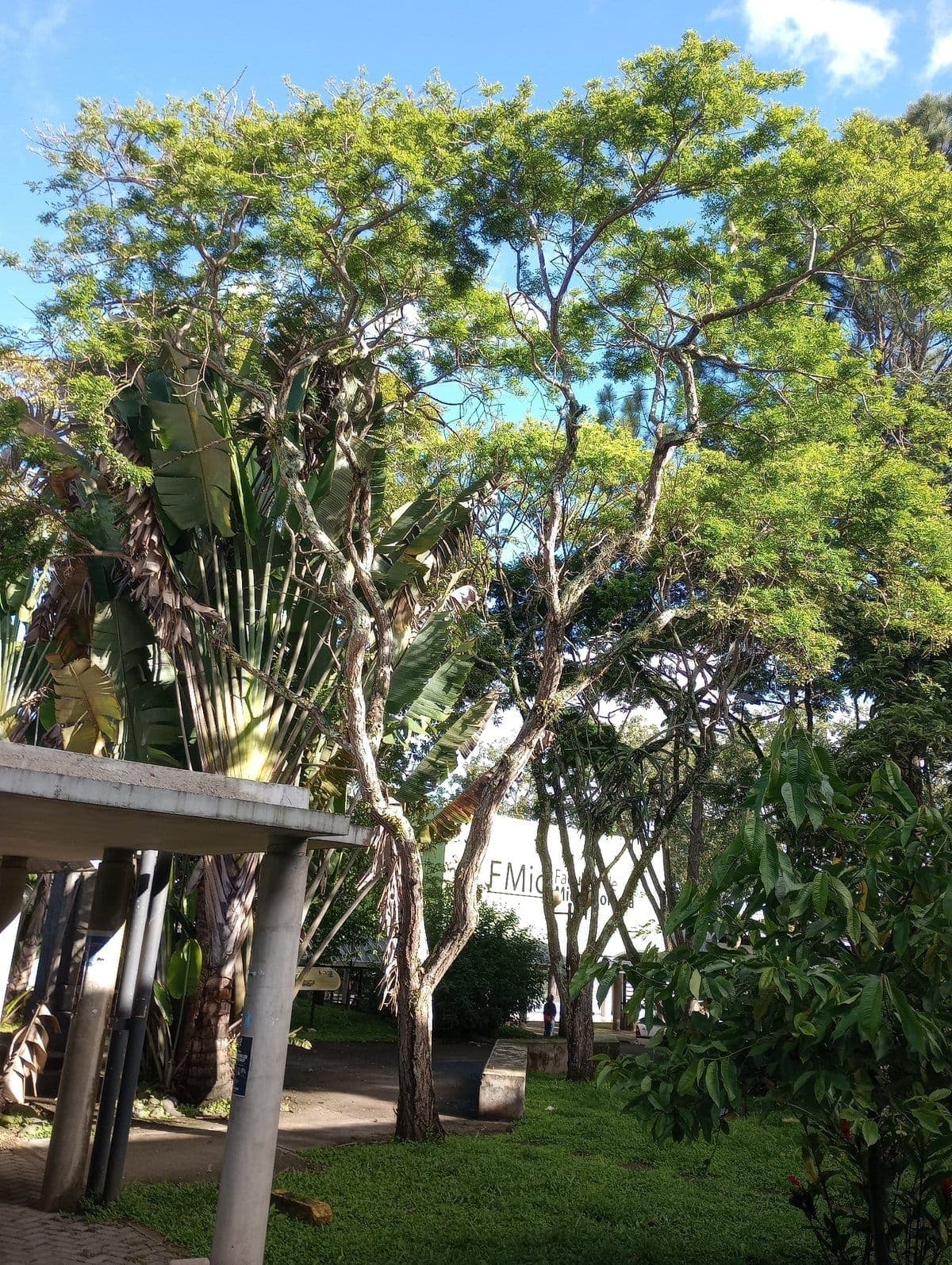
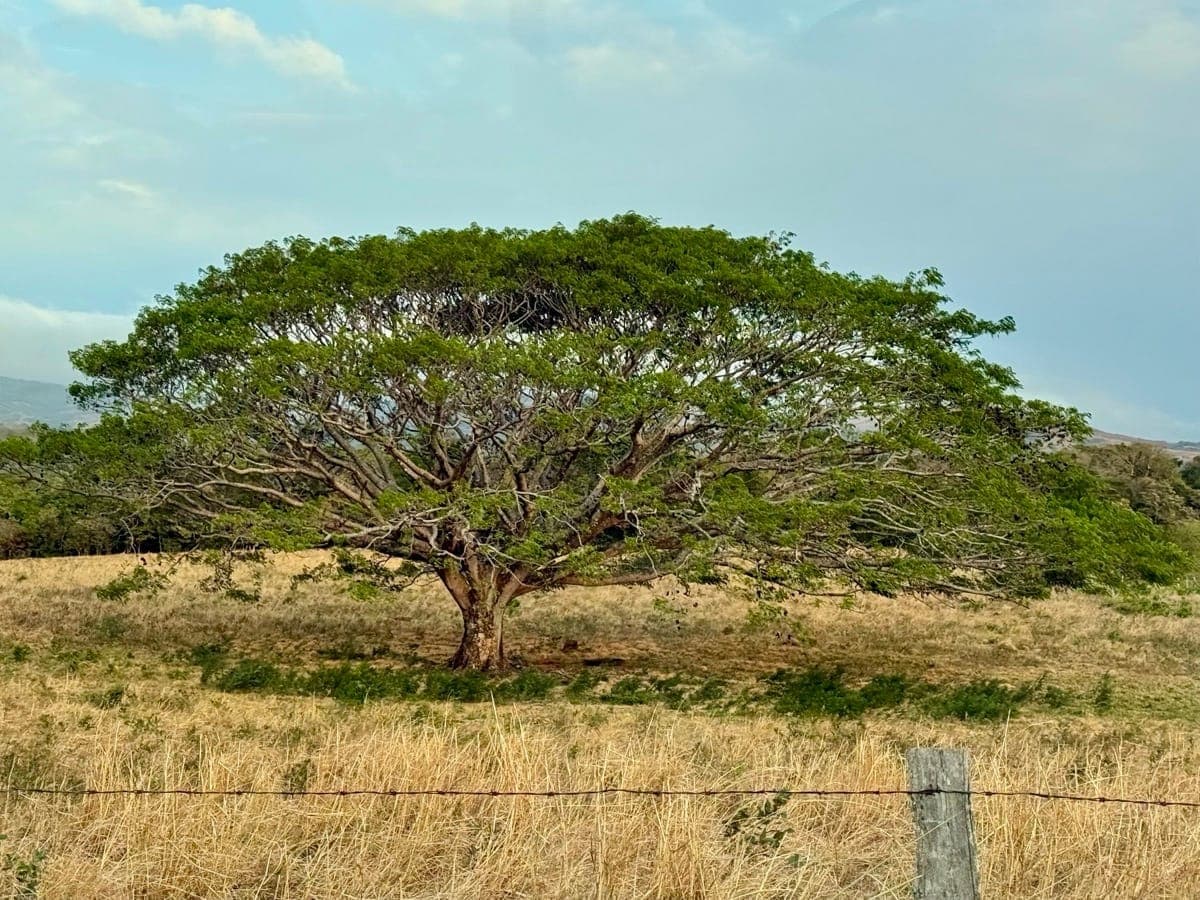
Carao is a large deciduous tree with a broad, spreading crown and thick trunk. It is briefly deciduous in the dry season, losing its leaves just before bursting into spectacular bloom. The tree is easily recognized during flowering by its masses of pink blossoms covering the bare branches.
Identifying Features
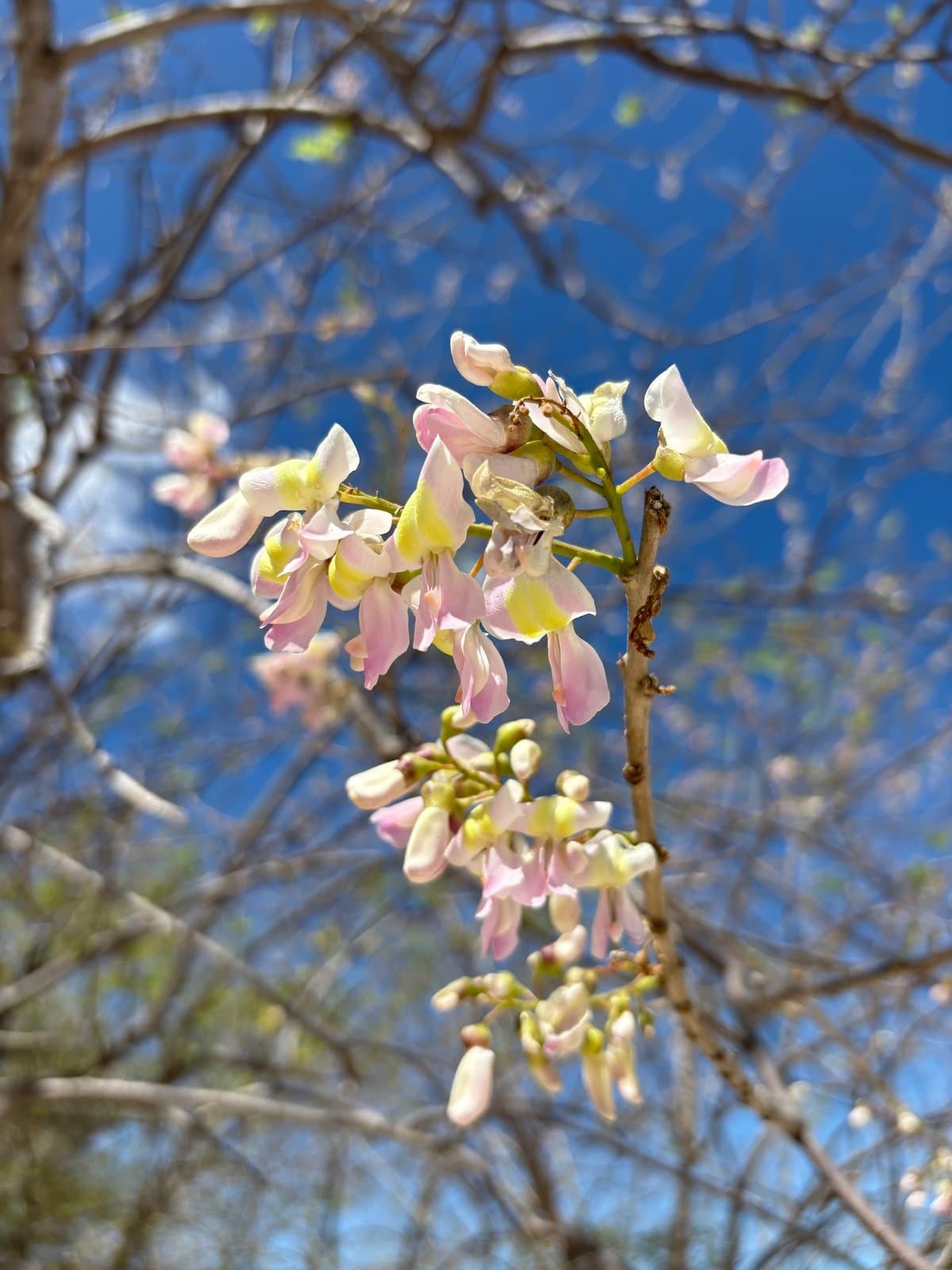
The Famous Flowers
- Color: Salmon-pink to rose
- Size: Individual flowers 2-3 cm
- Arrangement: Dense racemes
- Display: MASSIVE cascades on bare branches
- Timing: Late dry season (Feb-Apr)
- Duration: 2-4 weeks peak bloom
- Fragrance: Light, sweet
Bark and Trunk
- Bark color: Gray to brownish
- Texture: Relatively smooth when young
- Pattern: Develops rough fissures with age
- Trunk: Often branching low
Leaves
- Type: Pinnately compound
- Leaflets: 10-20 pairs
- Leaflet size: 3-6 cm each
- Texture: Soft, hairy underneath
- Behavior: DECIDUOUS before flowering
- Timing: New leaves after flowering
Fruit Pods
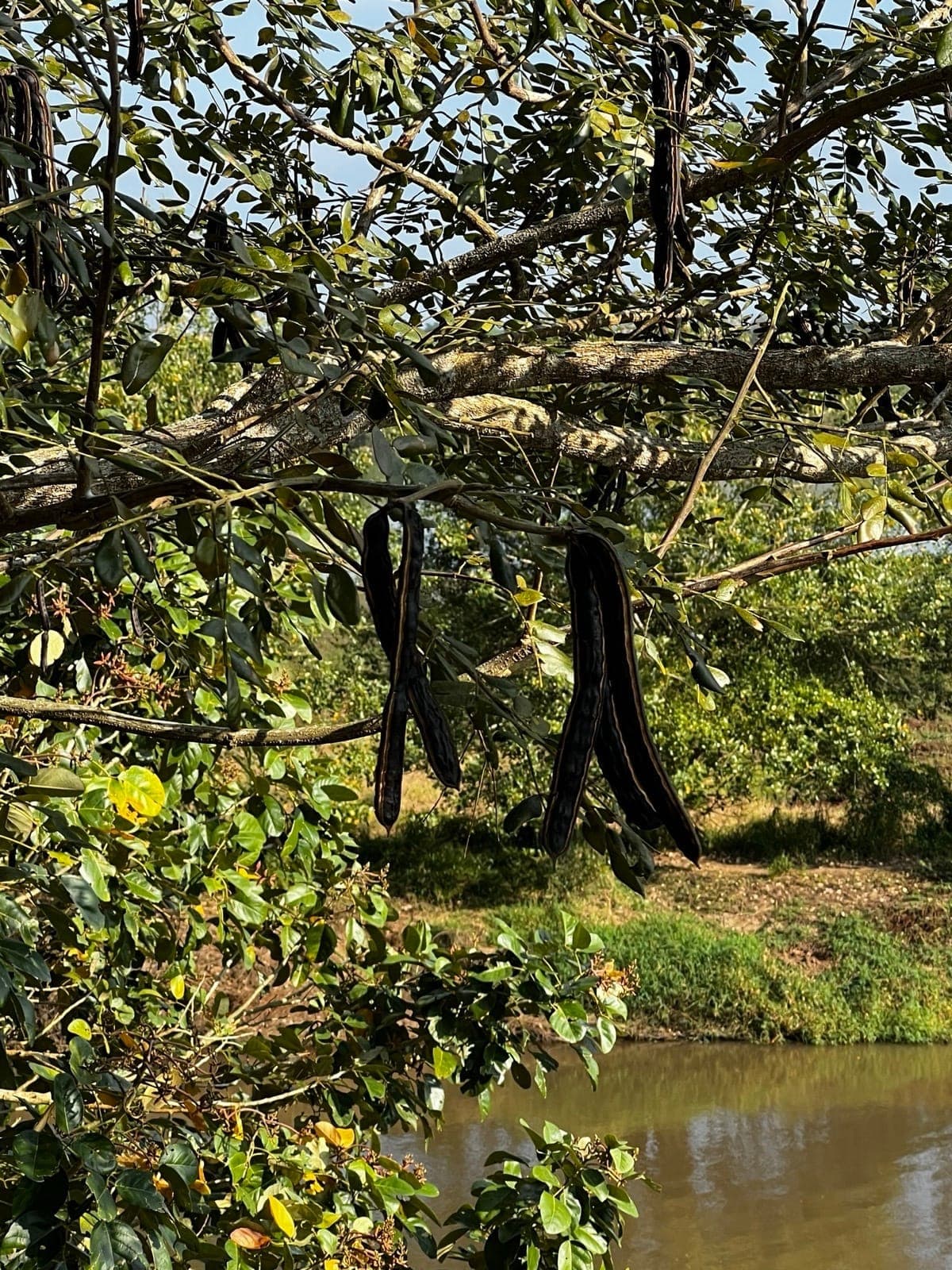
- Size: 40-70 cm long!
- Shape: Cylindrical, woody
- Color: Dark brown when mature
- Divisions: Septate (divided chambers)
- Pulp: Dark, sticky, medicinal
- Seeds: Flat, oval
Carao flowering is one of Central America's great natural displays: The Show: - Tree drops leaves in late dry season - Bare branches EXPLODE with pink flowers - Entire crown becomes pink mass - Flowers fall like pink rain ("shower") - Lasts 2-4 weeks of peak bloom When to See: - Costa Rica: February-April - Varies slightly by location and rainfall - Synchronized with other Cassia species Where: - Roadsides throughout Guanacaste - Parks and gardens nationwide - Urban plantings - Rural landscapes During peak bloom, Carao is arguably Costa Rica's most visually striking native flowering tree!
Distribution and Habitat
Global Distribution
Geographic Distribution
Distribution in Costa Rica
Habitat Preferences
The Traditional Blood Tonic
Carao: The Blood Medicine
Across Latin America, Carao fruit has been used for generations to treat anemia and "strengthen the blood": Traditional Use: - Dark sticky pulp from mature pods - Mixed with milk, honey, or water - Given to anemic patients
- Post-partum strengthening - General tonic for weakness The Belief: - Dark color = rich in blood nutrients - "Doctrine of signatures" thinking - Widely believed to increase hemoglobin - Sold in markets throughout Central America Scientific Investigation: - Some studies show iron content - May have antianemic properties - Mechanism not fully understood - Traditional use persists strongly Commercial Products: - "Jarabe de Carao" sold throughout region - Health food stores carry Carao products - Popular natural remedy Whether or not the science fully supports it, Carao remains one of the most trusted traditional medicines in Central America.
Traditional ≠ Proven While Carao has a long history of use: - Clinical evidence is limited - Should not replace medical treatment - Anemia has many causes needing diagnosis - Consult healthcare providers for blood conditions The cultural importance of Carao medicine is undeniable, but serious anemia requires proper medical care.
Ecological Importance
Wildlife Value
Flower Visitors
- Bees: Major pollinators
- Butterflies: Nectar source
- Hummingbirds: Occasional visitors
- Other insects: Diverse visitors
Seed and Pod Users
- Parrots: Open pods for seeds
- Squirrels: Consume seeds
- Rodents: Various species
- Cattle: Eat fallen pods
Ecosystem Services
Uses
Ornamental Value
Medicinal Uses
Other Uses
Cultivation
Growing Carao
Identification Guide
How to Identify Carao
Where to See Carao in Costa Rica
To experience Carao at its best: When: - Peak bloom: February-April - Best just before first rains - Morning light for photography Where: - Drive through Guanacaste during peak season - Entire hillsides can turn pink - Look for roadside specimens - Urban parks in San José What to Expect: - Spectacular mass flowering - Falling petals like pink snow - Fragrant air near trees - Buzzing with bee activity Time a Guanacaste visit for late dry season and you'll be rewarded with one of Costa Rica's most beautiful natural displays!
External Resources
Community observations and photos
Botanical database
Global biodiversity occurrence data and distribution maps
Conservation status and species assessment
References
📚 Scientific References & Further Reading
Francis, J.K. (1990). Cassia grandis L.f. - Pink Shower. USDA Forest Service
Janzen, D.H. (1991). Historia Natural de Costa Rica. Editorial Universidad de Costa Rica
Zamora, N. et al. (2004). Árboles de Costa Rica, Vol. II. Editorial INBio
There is a moment in the Guanacaste dry season when the landscape seems on the edge of exhaustion—the grass brown, the trees bare, the earth cracked and waiting. And then, as if in answer to the land's silent plea, the Carao trees erupt into bloom. Pink cascades spill from their naked branches, transforming hillsides into rose-colored dreams, announcing that the rains—the renewal—will soon come. This is no ordinary flowering; it is a celebration, a promise painted in petals. For centuries, people have gathered beneath these trees, collecting the dark, sticky fruit that falls after the flowers fade. "Para la sangre," they say—for the blood. Whether the Carao truly heals as tradition claims, or whether its power lies in the hope it represents, hardly matters. What matters is the continuity: the same trees that bloomed for ancient peoples still bloom today, their pink flowers still falling like rain before the rain, their fruit still gathered by hands that trust in its dark sweetness. In a world of change, the Carao keeps its annual appointment with beauty and with medicine, a living bridge between earth and sky, between tradition and tomorrow.
Safety Information Disclaimer
Safety information is provided for educational purposes only. Individual reactions may vary significantly based on age, health status, amount of exposure, and individual sensitivity. Always supervise children around plants. Consult a medical professional or certified arborist for specific concerns. The Costa Rica Tree Atlas is not liable for injuries or damages resulting from interaction with trees described in this guide.
• Always supervise children around plants
• Consult medical professional if unsure
• Seek immediate medical attention if poisoning occurs
Information compiled from authoritative toxicology sources, scientific literature, and medical case reports.
Help improve this page
Know something about this tree? Share local knowledge, suggest a correction, or submit a photo to improve this guide for everyone.