Lechoso
Brosimum utile
Quick facts
Native Region
Central and South America
Max Height
35-50 meters (115-165 feet)
Family
Moraceae
Conservation
VU — Vulnerable
Uses
Safety Information
Toxicity Details
Non-toxic. Latex is edible and has been consumed traditionally ('cow tree' milk). Moraceae family member. Safe for human and animal consumption.
Skin Contact Risks
Latex may cause mild irritation in sensitive individuals (minor Moraceae allergen). Generally safe.
Season
Flowering
Feb-Apr
Fruiting
May-Jul
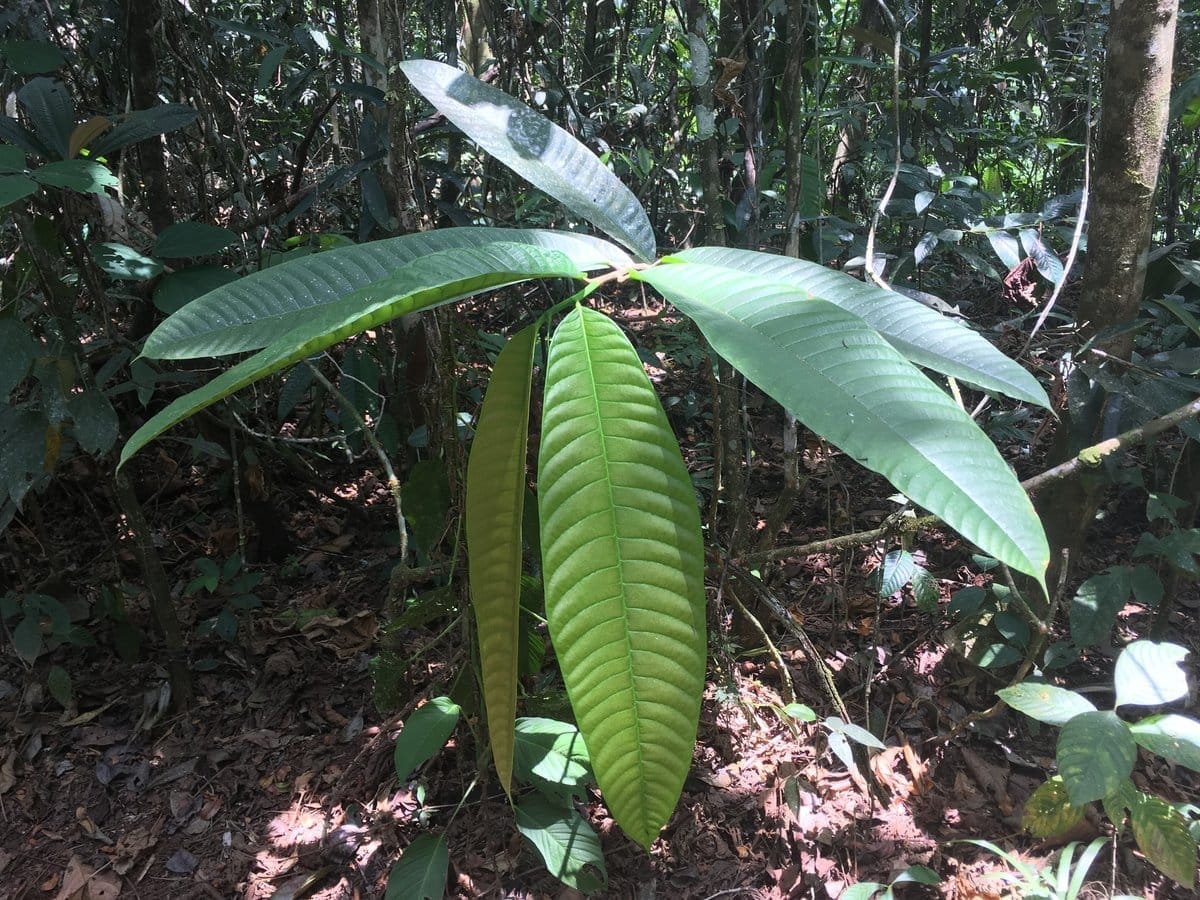
How to identify
Lechoso
Lechoso (Brosimum utile), also known as Cow Tree or Sande, is one of the most remarkable trees of Costa Rica's lowland rainforests. Its name comes from the edible white latex ("leche" means milk in Spanish) that indigenous peoples have consumed for centuries—a rare example of drinkable tree sap.
Quick Reference
iNaturalist Observations
Community-powered species data
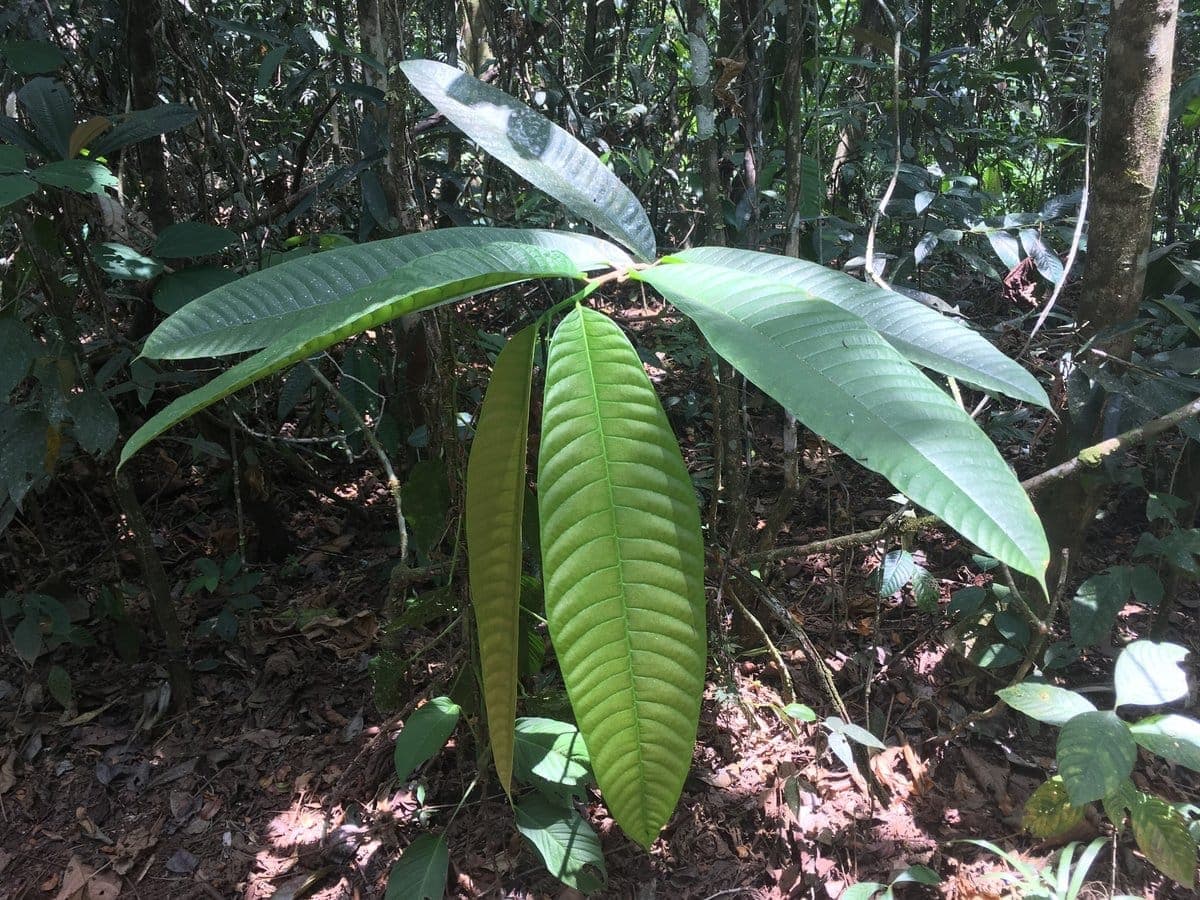
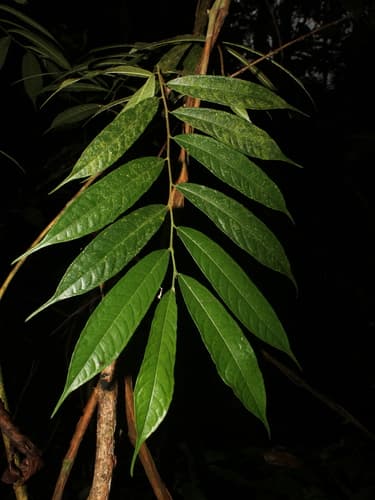
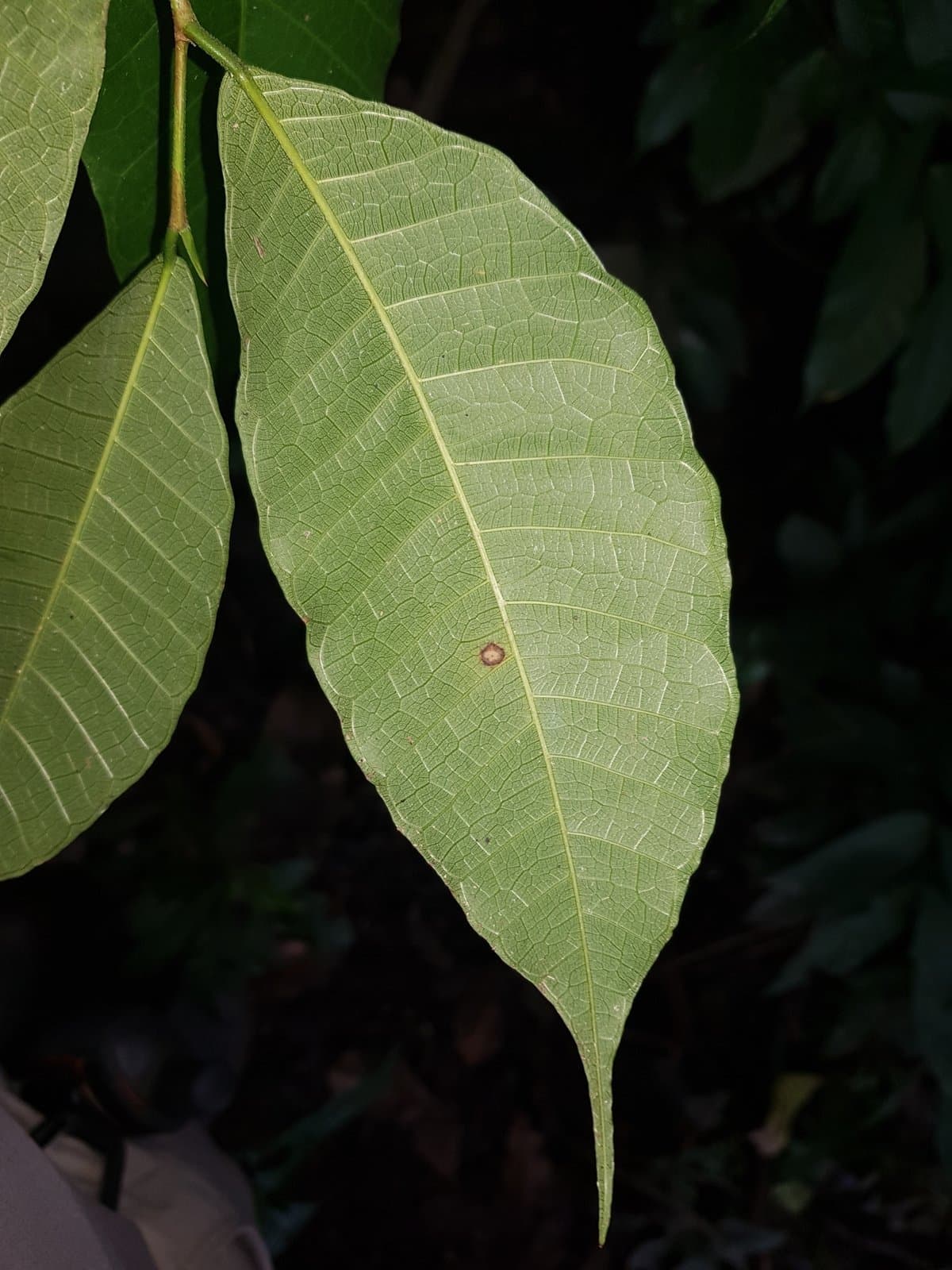
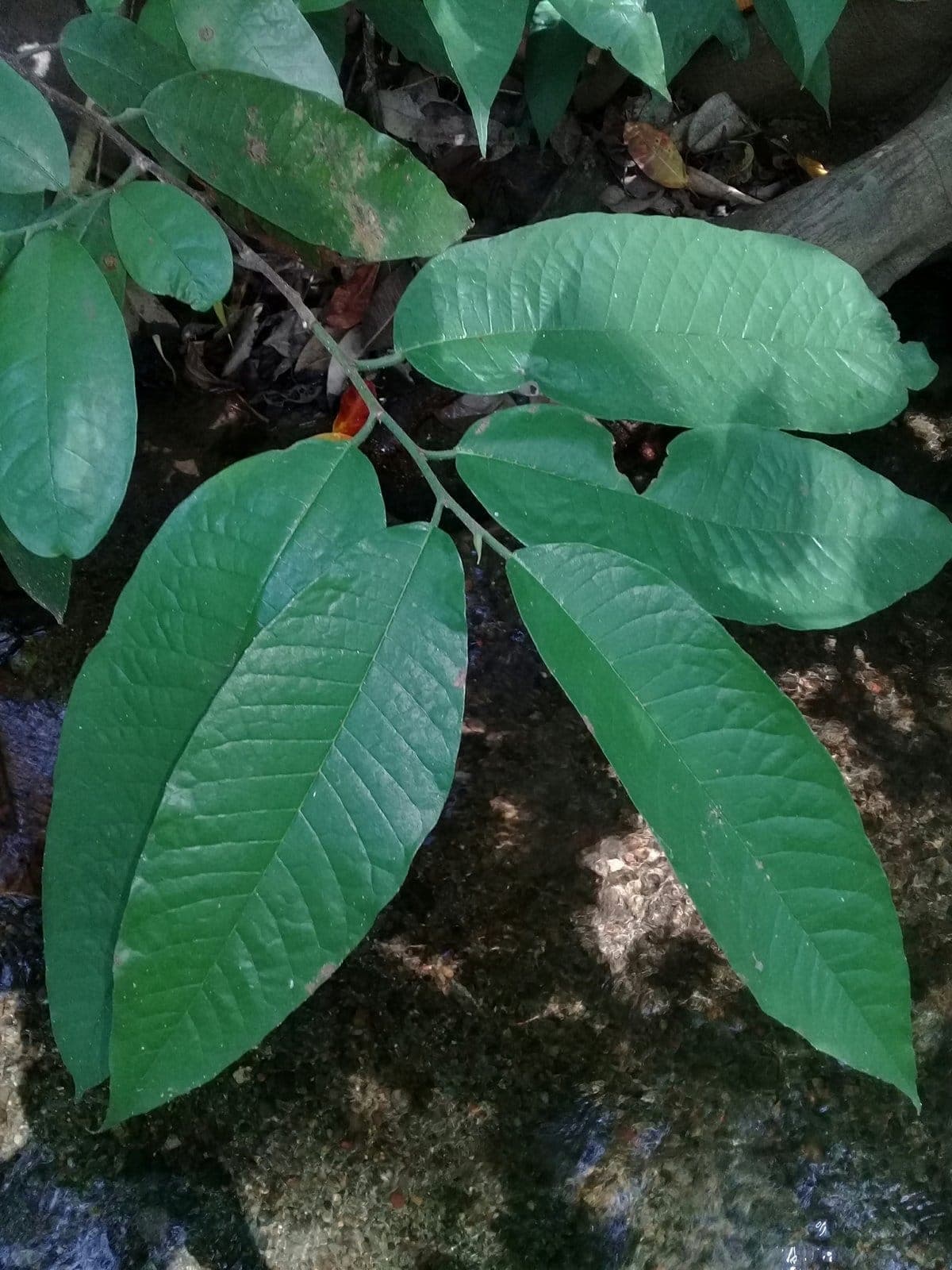
📸 Photo Gallery
Whole tree
📷 (c) Ashley M Bradford, some rights reserved (CC BY-NC)(CC BY-NC)
View source ↗Leaves
📷 (c) Ashley M Bradford, some rights reserved (CC BY-NC)(CC BY-NC)
View source ↗Whole tree
📷 no rights reserved(CC0)
View source ↗Leaves
📷 (c) Ashley M Bradford, some rights reserved (CC BY-NC)(CC BY-NC)
View source ↗Whole tree
📷 (c) Siddarth Machado, some rights reserved (CC BY)(CC BY)
View source ↗Photos sourced from iNaturalist's community science database. Browse all observations →↗
Taxonomy & Classification
Geographic Distribution
Geographic Distribution
Where to Find Lechoso in Costa Rica
Primary Habitats:
Elevation: Sea level to ~800 m
Habitat & Ecology
Ecological Role
Lechoso plays vital roles in rainforest ecosystems:
Wildlife Associations
Animals dependent on Lechoso:
Primary lowland rainforest, where Lechoso thrives, has been heavily impacted by logging and agricultural conversion. The species is now uncommon throughout much of its former range in Costa Rica.
Botanical Description
Wood Properties
Appearance
Physical Properties
Uses
Conservation Status
Conservation Concerns
Threats to Lechoso:
Growing Lechoso
Similar Species
Where to See Lechoso Trees
Best Locations in Costa Rica
Protected Areas:
Tips:
External Resources
Community observations, photos, and distribution data
Global observations
Conservation status and assessment
IUCN Red List of Threatened Species
Detailed wood properties and uses
The Wood Database
Global biodiversity occurrence data and distribution maps
References
📚 Scientific References & Further Reading
Pennington, T.D. & Sarukhán, J. (2005). Árboles tropicales de México. Universidad Nacional Autónoma de México
Galeano, G. (1992). Brosimum utile in Las plantas utilizadas por la comunidad Miraña. WWF Colombia/Instituto de Ciencias Naturales
The Lechoso (Brosimum utile) represents nature's generosity—a tree that provides timber, food, and medicine. Its unique edible latex made it invaluable to indigenous peoples, and its massive stature makes it a cathedral of the rainforest. Protecting this remarkable species means preserving both biodiversity and cultural heritage.
🌳 ¡Pura Vida!
Safety Information Disclaimer
Safety information is provided for educational purposes only. Individual reactions may vary significantly based on age, health status, amount of exposure, and individual sensitivity. Always supervise children around plants. Consult a medical professional or certified arborist for specific concerns. The Costa Rica Tree Atlas is not liable for injuries or damages resulting from interaction with trees described in this guide.
• Always supervise children around plants
• Consult medical professional if unsure
• Seek immediate medical attention if poisoning occurs
Information compiled from authoritative toxicology sources, scientific literature, and medical case reports.
Help improve this page
Know something about this tree? Share local knowledge, suggest a correction, or submit a photo to improve this guide for everyone.