Olla de Mono
Lecythis ampla
Quick facts
Native Region
Nicaragua to Ecuador
Max Height
40-50 meters (130-165 feet)
Family
Lecythidaceae
Conservation
LC — Least Concern
Uses
Safety Information
CAUTION
TREE IS SAFE, SEEDS REQUIRE CAUTION. The living tree poses no hazard and is beautiful with its large woody 'pot' fruits. The seeds are potentially edible BUT can be dangerous due to selenium accumulation in certain soils. DO NOT consume wild-collected seeds without expert knowledge of the growing site. Commercial seeds should only be from verified safe sources. Keep seeds away from children and pets. The spectacular 'monkey pot' fruits make excellent natural containers but don't eat unknown seeds.
Toxicity Details
CAUTION WITH SEEDS. The seeds (sapucaia nuts/paradise nuts) are edible and nutritious (high oil and protein), similar to Brazil nuts. HOWEVER, some Lecythis species are selenium accumulators—if grown on selenium-rich soils, the seeds can contain dangerously high selenium levels causing severe poisoning (hair loss, nausea, vomiting, neurological problems). Seeds from non-seleniferous soils are safe, but it's difficult for consumers to know the source. ONLY consume seeds from trusted sources and in limited quantities. The tree itself, bark, leaves, and flowers are non-toxic.
Skin Contact Risks
LOW risk. Fresh nut shells may contain irritating substances. Use gloves when handling fruits. The tree itself is safe to touch.
Allergenic Properties
LOW allergen risk. Standard wood dust precautions apply. Not a significant allergen.
First Aid & Emergency Response
• If ingested, seek immediate medical attention. Do not induce vomiting unless directed by medical professional.
• If sap contacts skin, wash immediately with soap and water. Seek medical attention if blistering or severe irritation occurs.
• If sap enters eyes, flush immediately with clean water for 15 minutes and seek emergency medical care.
Costa Rica Emergency: 911
Costa Rica Poison Control: 2223-1028
Season
Flowering
Jan-Mar
Fruiting
Jun-Sep
How to identify
Olla de Mono (Monkey Pot Tree)
The Olla de Mono (Lecythis ampla), known as the Monkey Pot Tree, is one of Costa Rica's most fascinating and endangered rainforest trees. Named for its unique pot-shaped fruits that can trap curious monkeys, this magnificent relative of the Brazil nut was once common in Atlantic lowland forests. Today, overexploitation for its valuable timber has pushed it to Endangered status in Costa Rica.
Quick Reference
iNaturalist Observations
Community-powered species data
The Remarkable "Monkey Pot"
Nature's Perfect Trap
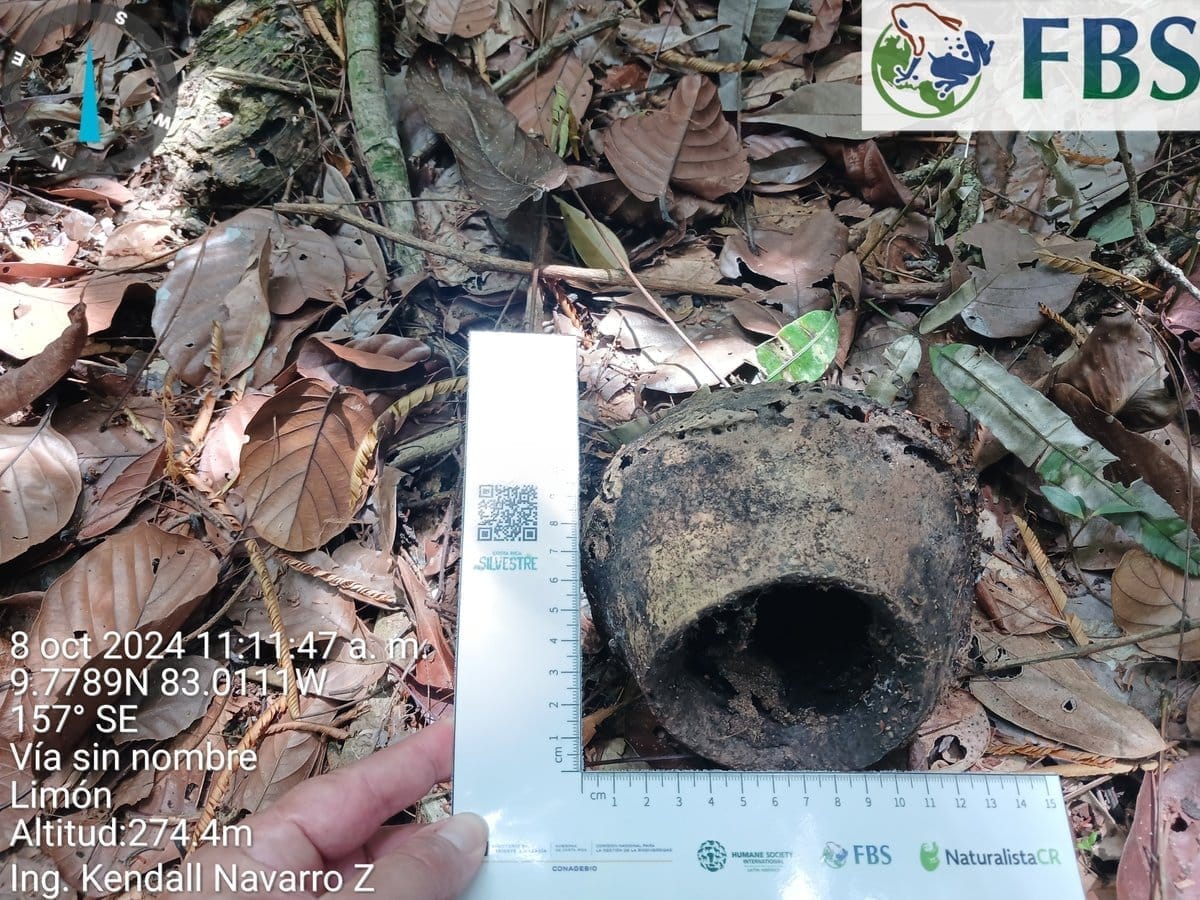
The Olla de Mono gets its name from one of nature's most ingenious fruit designs. The woody, pot-shaped fruits have a removable lid that falls off when ripe, exposing nutritious seeds inside. Legend has it that monkeys reach into the pot to grab seeds, make a fist around them, and then cannot withdraw their hand—becoming "trapped" by their own greed.
While the monkey trap story is likely exaggerated, the fruit's design is genuinely remarkable:
- Pot diameter: 10-15 cm wide
- Wall thickness: 1-2 cm of woody tissue
- Lid (operculum): Detaches cleanly when ripe
- Seeds: 15-25 per fruit, arranged neatly inside
- Purpose: Seeds released gradually as animals access them
📸 Photo Gallery
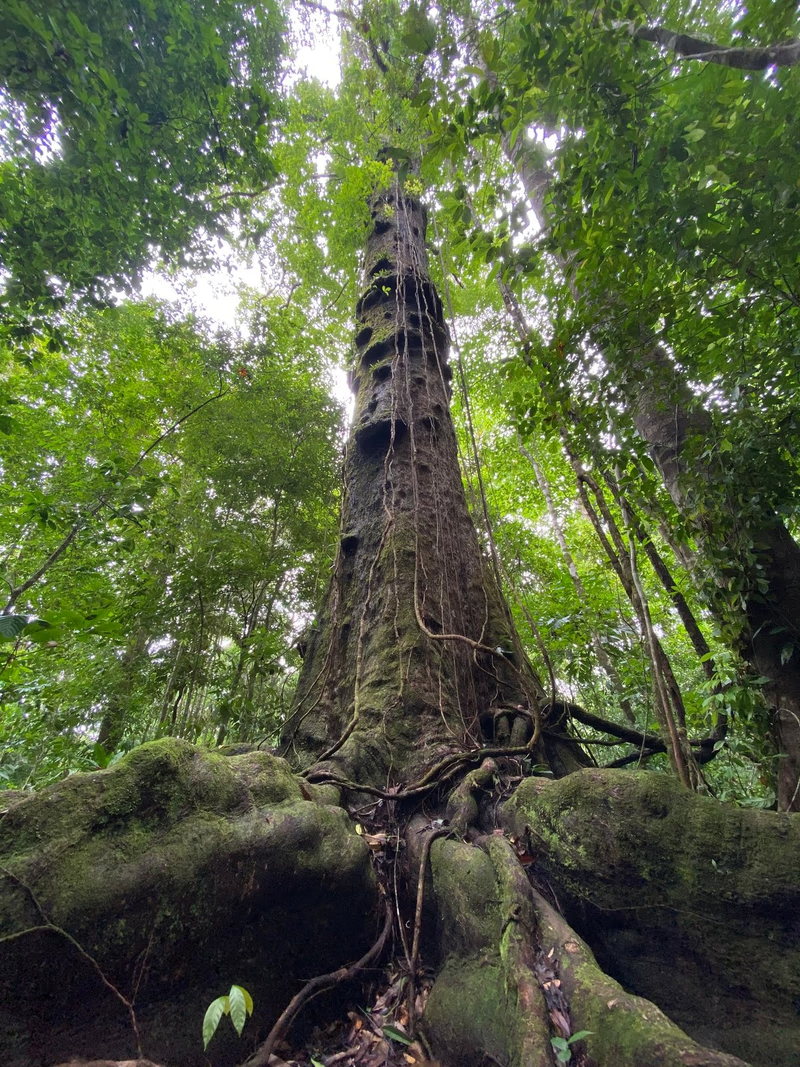
Whole tree
📷 (c) Nate Hartley, some rights reserved (CC BY-NC)(CC BY-NC)
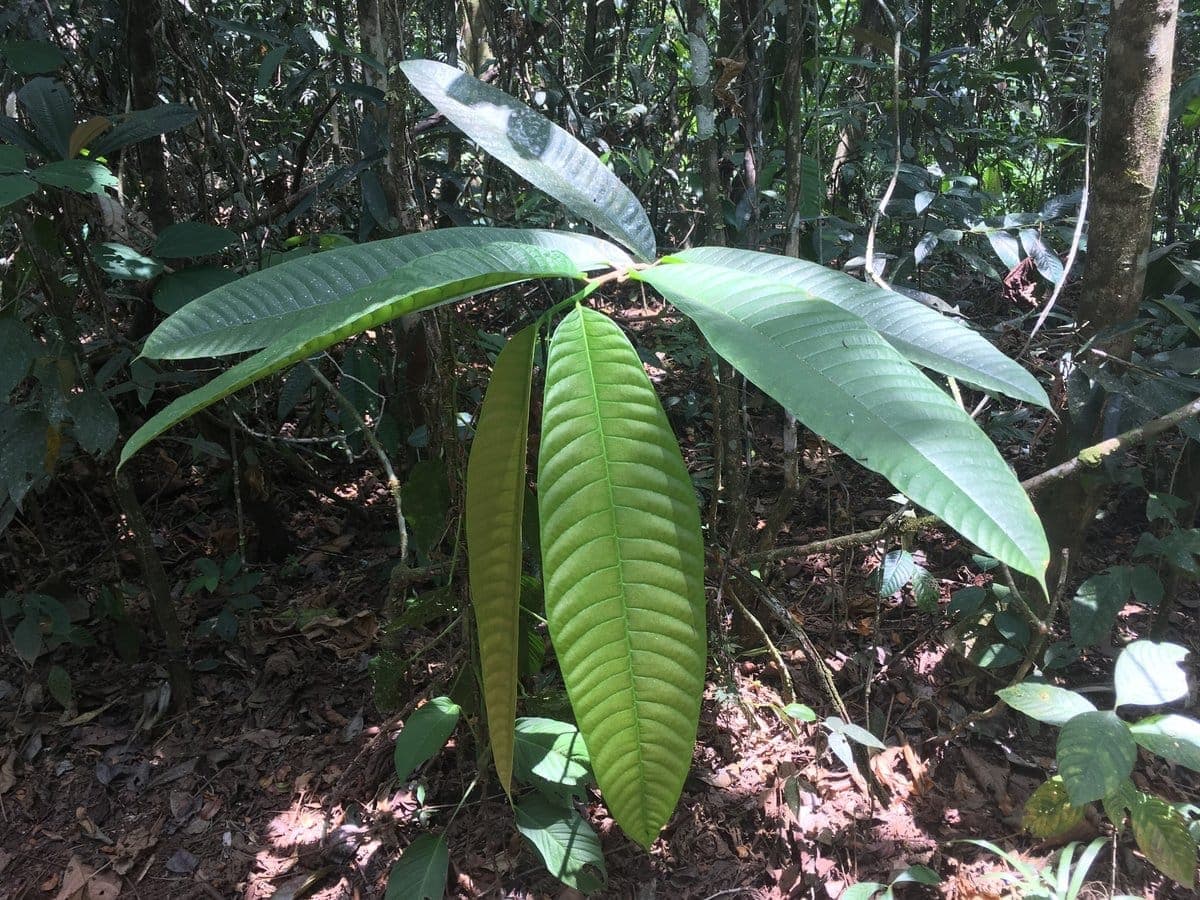
View source ↗Leaves
📷 (c) Nate Hartley, some rights reserved (CC BY-NC)(CC BY-NC)
View source ↗Flowers
📷 no rights reserved(CC0)
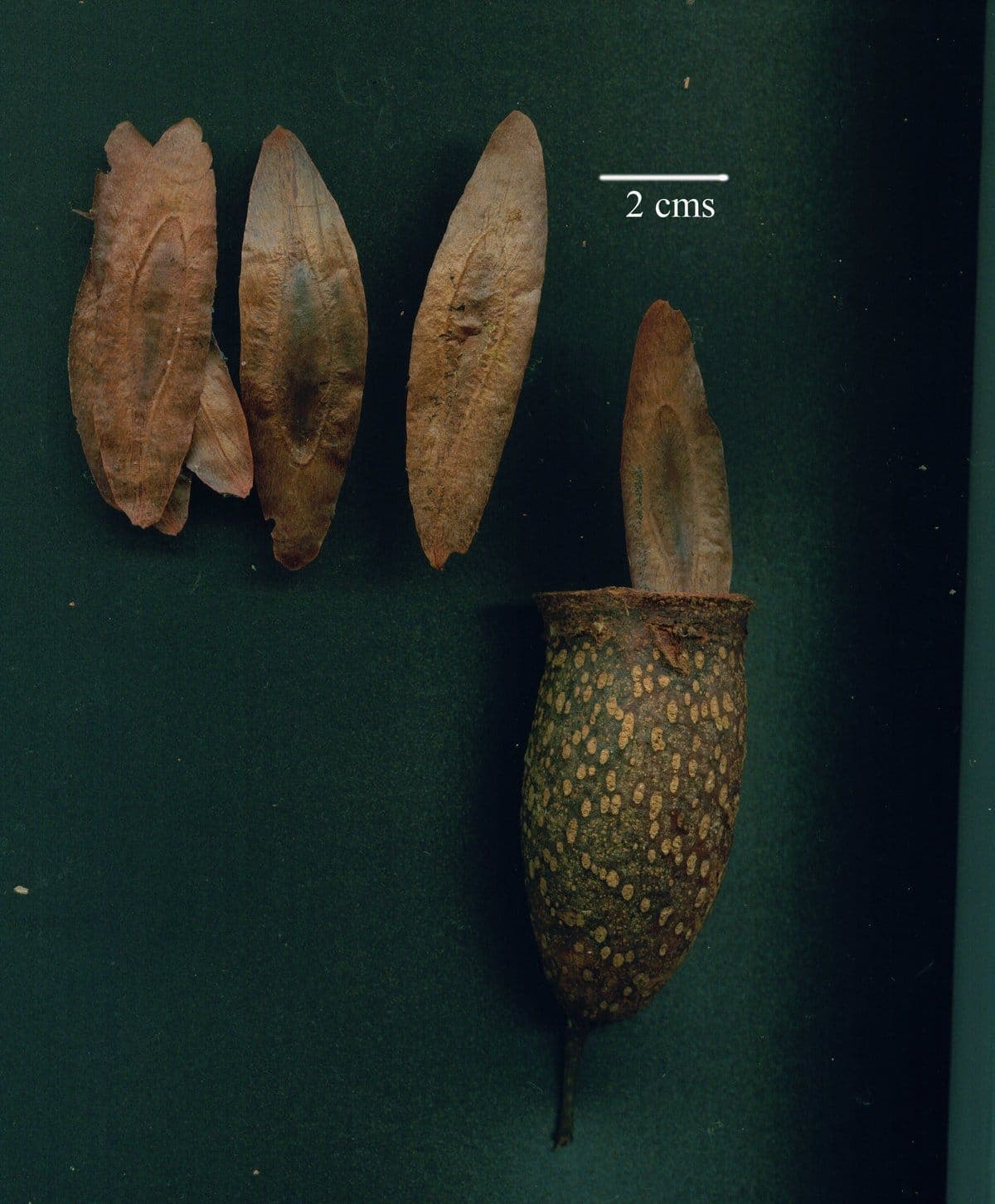
View source ↗Fruit
📷 (c) Fondo de Biodiversidad Sostenible, some rights reserved (CC BY-NC)(CC BY-NC)
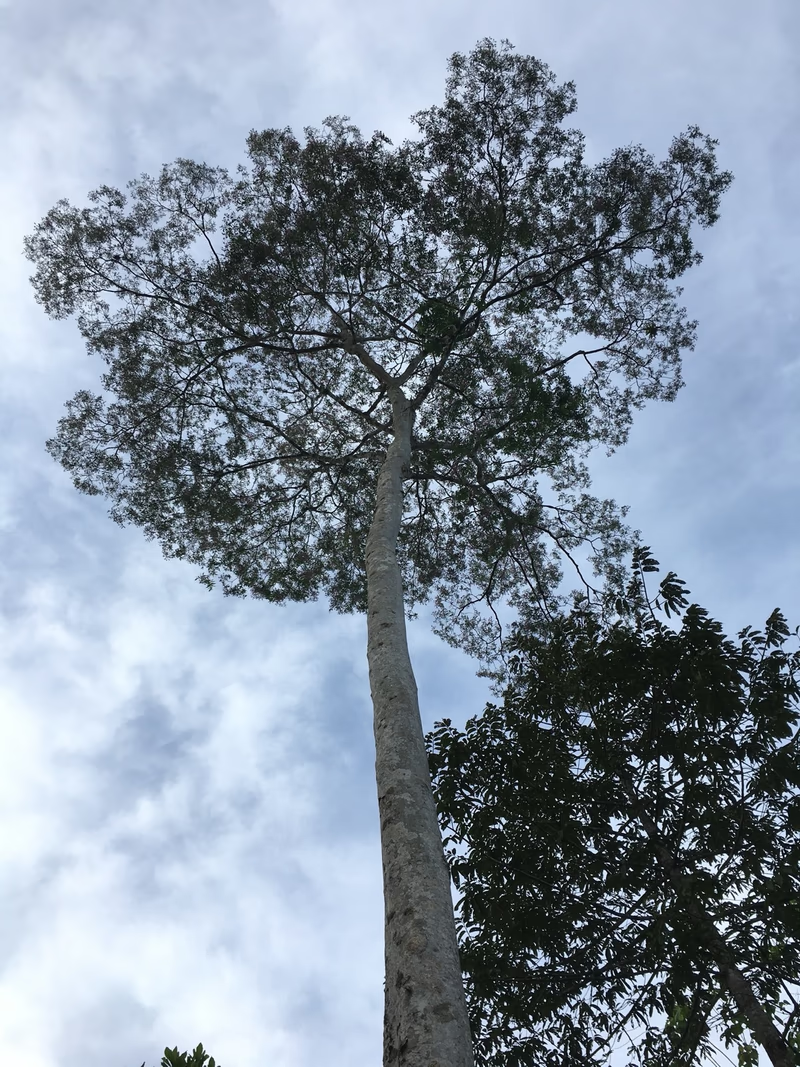
View source ↗Whole tree
📷 no rights reserved(CC0)
View source ↗Photos sourced from iNaturalist's community science database. Browse all observations →↗
Taxonomy & Classification
The Lecythidaceae family includes about 340 species of tropical trees, most famous of which is the Brazil Nut (Bertholletia excelsa). All members share distinctive, often woody fruits and showy flowers. The family name comes from the Greek word for "oil jar," referring to the pot-shaped fruits.
Common Names
Physical Description
Overall Form
The Olla de Mono is a towering rainforest giant, often reaching or exceeding 40 meters. Its massive trunk and spreading crown make it one of the most impressive trees in the Atlantic lowland forests.
Distinctive Features
Trunk & Crown
- Trunk: Straight, cylindrical, sometimes buttressed
- Bark: Gray-brown, rough, fissured
- Crown: Large, spreading, emergent
- Branches: Horizontal to slightly ascending
Leaves & Flowers
- Leaves: Simple, alternate, 15-30 cm long
- Leaf shape: Elliptical with pointed tip
- Flowers: Large, showy, white to purple
- Flower structure: Hooded with coiled stamens
- Pollination: Large bees (especially Eulaema)
The Remarkable Fruit
Fruit Structure:
- Outer shell (pericarp): Extremely hard, woody, up to 2 cm thick
- Lid (operculum): Circular cap that detaches when mature
- Opening: Perfect circle, 5-8 cm diameter
- Seeds (funicle): 15-25, each 2-4 cm, attached by fleshy stalk
- Seed covering: Edible aril (fleshy layer)
The fruits can persist for years after falling, often used as containers or decorations.
Edible Seeds
Paradise Nuts
The seeds of Olla de Mono are edible and nutritious, similar to Brazil nuts but with an important caution:
Nutritional Value
- Protein: High protein content
- Fat: Rich in healthy oils
- Minerals: Good source of selenium
- Taste: Mild, creamy, like Brazil nut
- Preparation: Usually eaten raw or roasted
Important Warning
Excessive consumption of Lecythis seeds can cause temporary hair loss.
The seeds contain high levels of selenium, which in excess causes a condition called selenosis. Symptoms include:
- Hair loss
- Nail brittleness
- Gastrointestinal upset
Traditional knowledge limits consumption to small amounts. This is why the seeds never became a major commercial product like Brazil nuts.
Habitat & Distribution
Geographic Range
The Olla de Mono ranges from Nicaragua south through Costa Rica, Panama, Colombia, and Ecuador, always in lowland wet forests.
Preferred Habitat
- Forest type: Primary lowland wet forest
- Canopy position: Emergent to upper canopy
- Elevation: Sea level to 500 m
- Rainfall: 3,000-5,000 mm/year
- Soil: Rich, well-drained alluvial soils
Conservation Status
Assessment
The Olla de Mono is classified as Endangered according to Costa Rican conservation assessments (IUCN 1988). While global status may differ, the species has declined dramatically within Costa Rica due to:
- Logging for valuable timber
- Loss of primary lowland forest
- Slow growth and reproduction
- Limited remaining habitat
Threats
Conservation Actions
Timber Value
Why This Tree Was Logged
Wood Properties
- Density: Very heavy, durable
- Grain: Interlocked, decorative
- Color: Reddish-brown heartwood
- Durability: Extremely resistant to rot and insects
- Workability: Difficult due to hardness
Traditional Uses
- Heavy construction: Bridges, wharves, pilings
- Shipbuilding: Keels, frames, planking
- Flooring: High-traffic areas
- Railway ties: Extreme durability
- Exterior use: Outdoor structures
Ironically, the Olla de Mono's exceptional wood quality led to its downfall. As one of the most durable timbers in Central American forests, it was selectively targeted for demanding applications—bridges, shipbuilding, railway ties—where only the best wood would suffice. This demand, combined with the tree's slow growth, created unsustainable pressure.
Ecological Relationships
Wildlife Interactions
The Olla de Mono depends on large-bodied bees, particularly orchid bees of the genus Eulaema, for pollination. The flower's complex structure with its hooded stamens requires strong, specialized pollinators. If these bee populations decline, the tree cannot reproduce—another layer of vulnerability.
Cultural Uses
The Perfect Container
Long before plastics, the woody fruits of the Olla de Mono served as natural containers:
- Drinking cups: Traditional calabash-style use
- Salt holders (saleros): Hence one of its common names
- Seed storage: Natural seed banks
- Decorations: Carved and painted
- Birdhouses: Modern creative use
Even where the living trees are rare, monkey pot fruits persist for years on the forest floor. These durable "pots" are sometimes collected and sold in craft markets—a testament to their remarkable construction.
Cultural and Historical Significance
The Olla de Mono has captured human imagination across cultures and centuries:
Cultivation and Restoration
Growing Olla de Mono
Identification Guide
Where to See in Costa Rica
External Resources
Community observations and photos
Family research database
Lecythidaceae research center
Botanical nomenclature and taxonomy
Global occurrence records and distribution data
Conservation status and species assessment
References
📚 Scientific References & Further Reading
Mori, S.A. & Prance, G.T. (1990). Lecythidaceae - Part II. Flora Neotropica
IUCN (1988). Lecythis ampla assessment. Conservation Monitoring Centre
Cordero, J. & Boshier, D.H. (2003). Árboles de Centroamérica. OFI/CATIE
Zamora, N., Jiménez, Q. & Poveda, L.J. (2004). Árboles de Costa Rica, Vol. III. INBio, Santo Domingo de Heredia
Mori, S.A. (2007). The Lecythidaceae Pages. The New York Botanical Garden
The Olla de Mono embodies the wonder and tragedy of tropical rainforests. Its remarkable pot-shaped fruits, nutritious seeds, and magnificent stature make it one of nature's most fascinating creations. Yet these same qualities—the curiosity-inspiring fruits, the demand for its timber—have contributed to its decline. Saving the Monkey Pot Tree means saving the forests that harbor it—complex, irreplaceable ecosystems that we are only beginning to understand.
Safety Information Disclaimer
Safety information is provided for educational purposes only. Individual reactions may vary significantly based on age, health status, amount of exposure, and individual sensitivity. Always supervise children around plants. Consult a medical professional or certified arborist for specific concerns. The Costa Rica Tree Atlas is not liable for injuries or damages resulting from interaction with trees described in this guide.
• Always supervise children around plants
• Consult medical professional if unsure
• Seek immediate medical attention if poisoning occurs
Information compiled from authoritative toxicology sources, scientific literature, and medical case reports.
Help improve this page
Know something about this tree? Share local knowledge, suggest a correction, or submit a photo to improve this guide for everyone.