Pitahaya
Hylocereus costaricensis
Quick facts
Native Region
Central America (Costa Rica native species)
Max Height
10+ meters (climbing)
Family
Cactaceae
Conservation
LC — Least Concern
Uses
Safety Information
Toxicity Details
Non-toxic and completely safe. Fruit (dragon fruit) is edible and highly nutritious. Member of Cactaceae (cactus family). Unlike some cacti with toxic alkaloids, pitahaya is safe for consumption. Flowers are also edible. No toxic compounds.
Skin Contact Risks
No skin irritation. Stems may have small spines but they are not toxic, just physically irritating. Safe to handle with care.
Allergenic Properties
Very low allergen risk. Not known to cause allergic reactions.
Wildlife & Pet Risks
Safe for all wildlife. Fruits are eaten by bats, birds, and other animals. Flowers are pollinated by bats and moths.
Season
Flowering
May-Sep
Fruiting
Jun-Oct
How to identify
Pitahaya (Dragon Fruit)
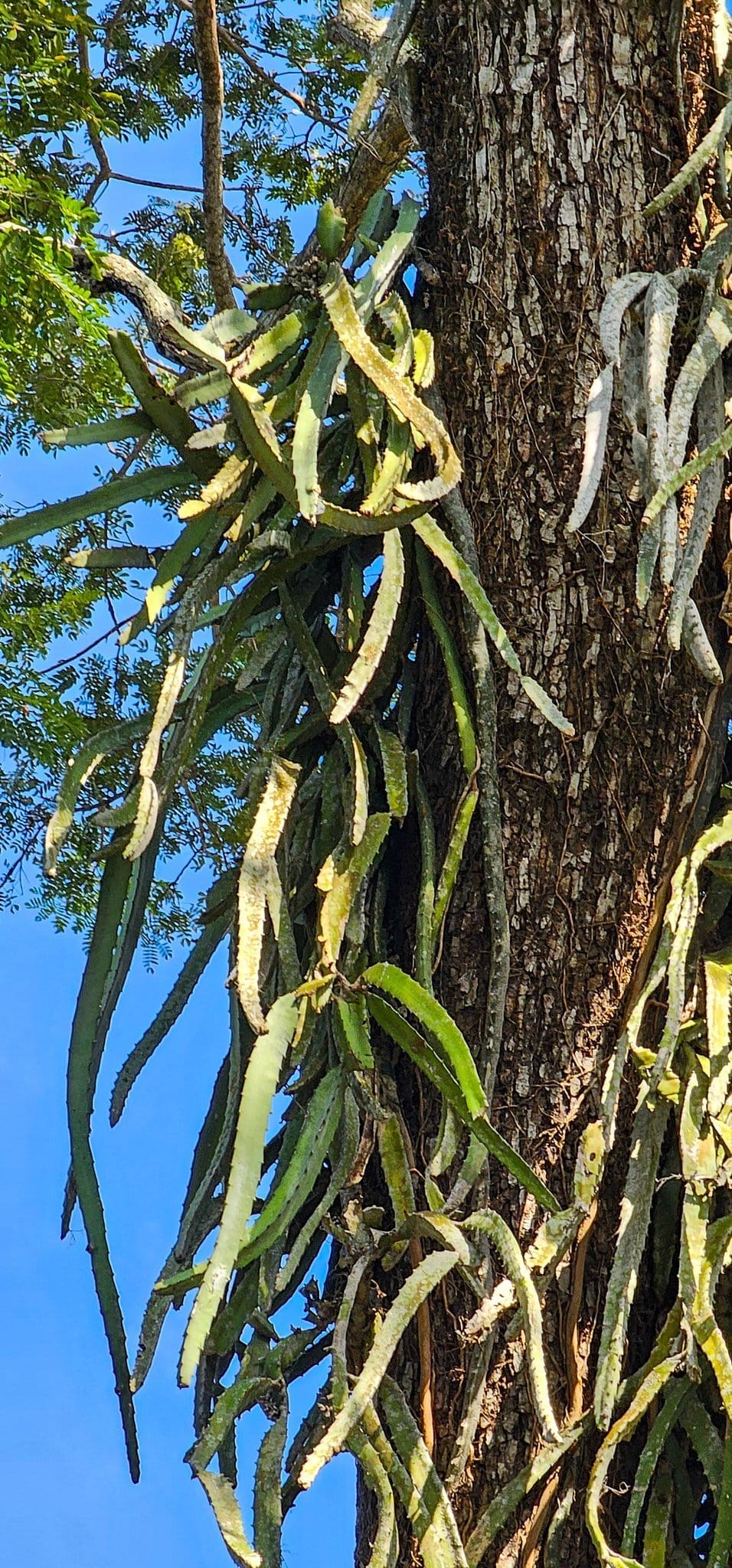
The Pitahaya (Hylocereus costaricensis) is a climbing cactus native to Costa Rica that produces the famous Dragon Fruit. Unlike the more common Asian-cultivated varieties, Costa Rica's native pitahaya has deep magenta flesh and an intensely sweet flavor. This spectacular plant climbs trees in tropical forests, blooming at night with enormous fragrant flowers and producing fruits that look like something from a fantasy world—bright pink with green "dragon scales."
Quick Reference
iNaturalist Observations
Community-powered species data
📸 Photo Gallery
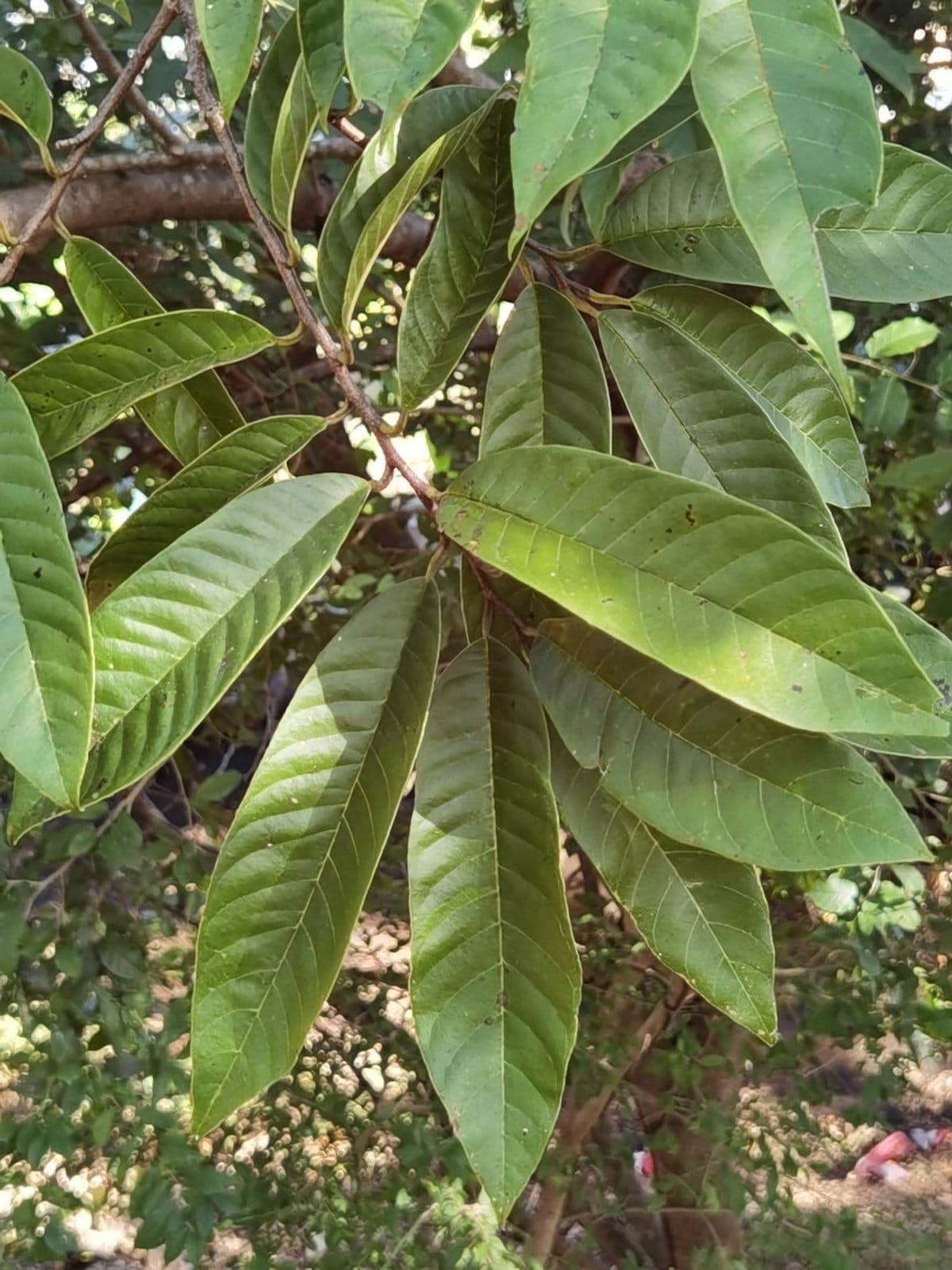
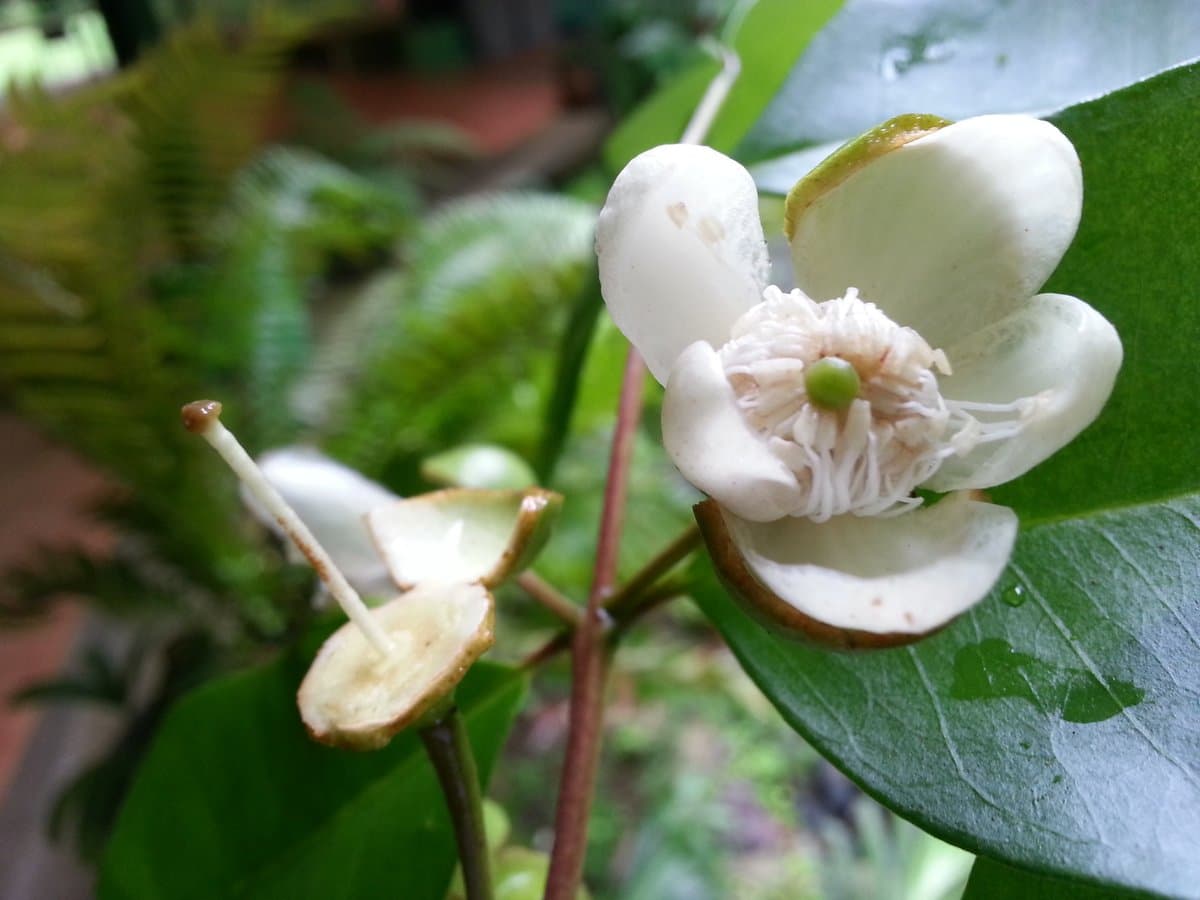
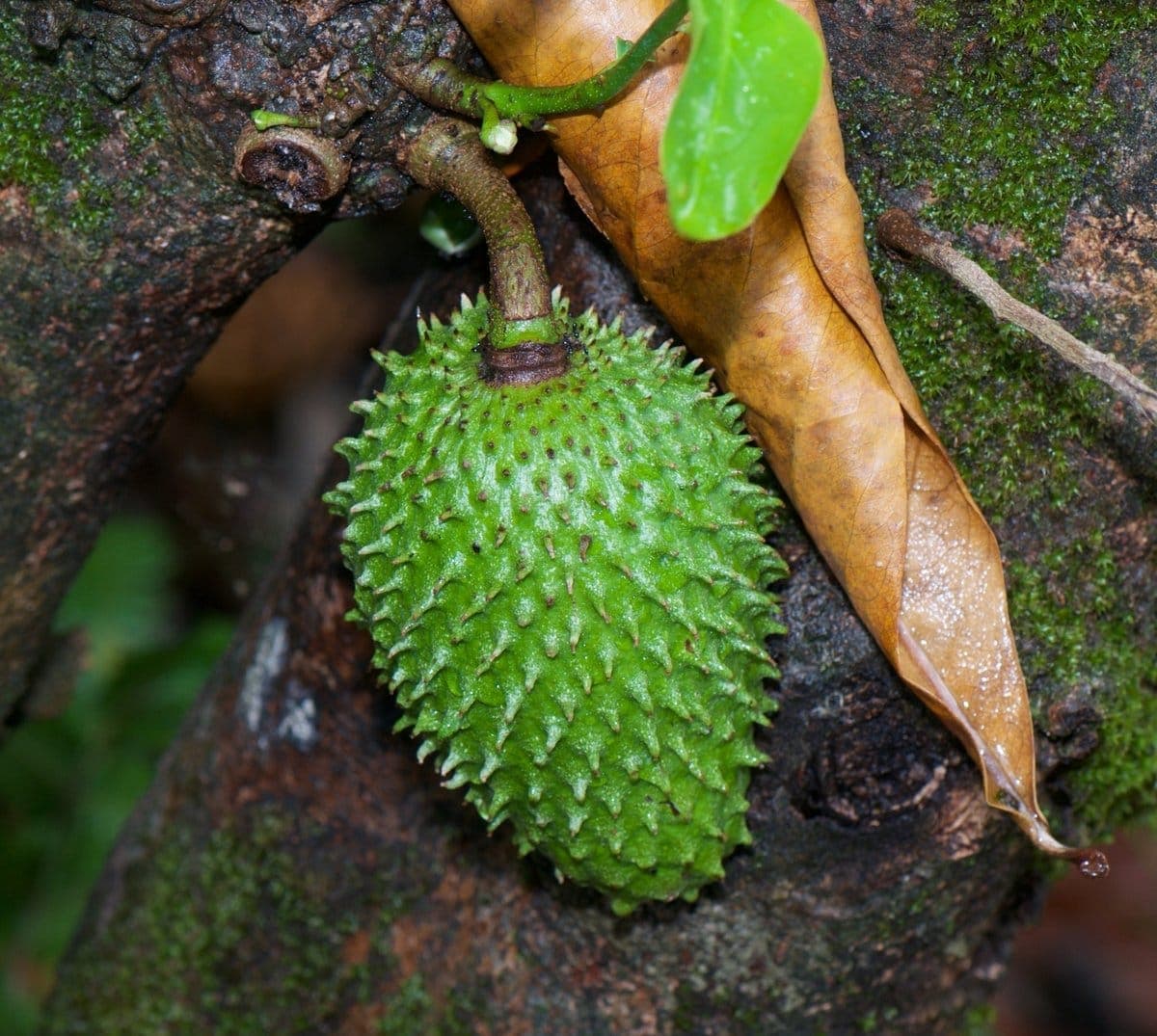
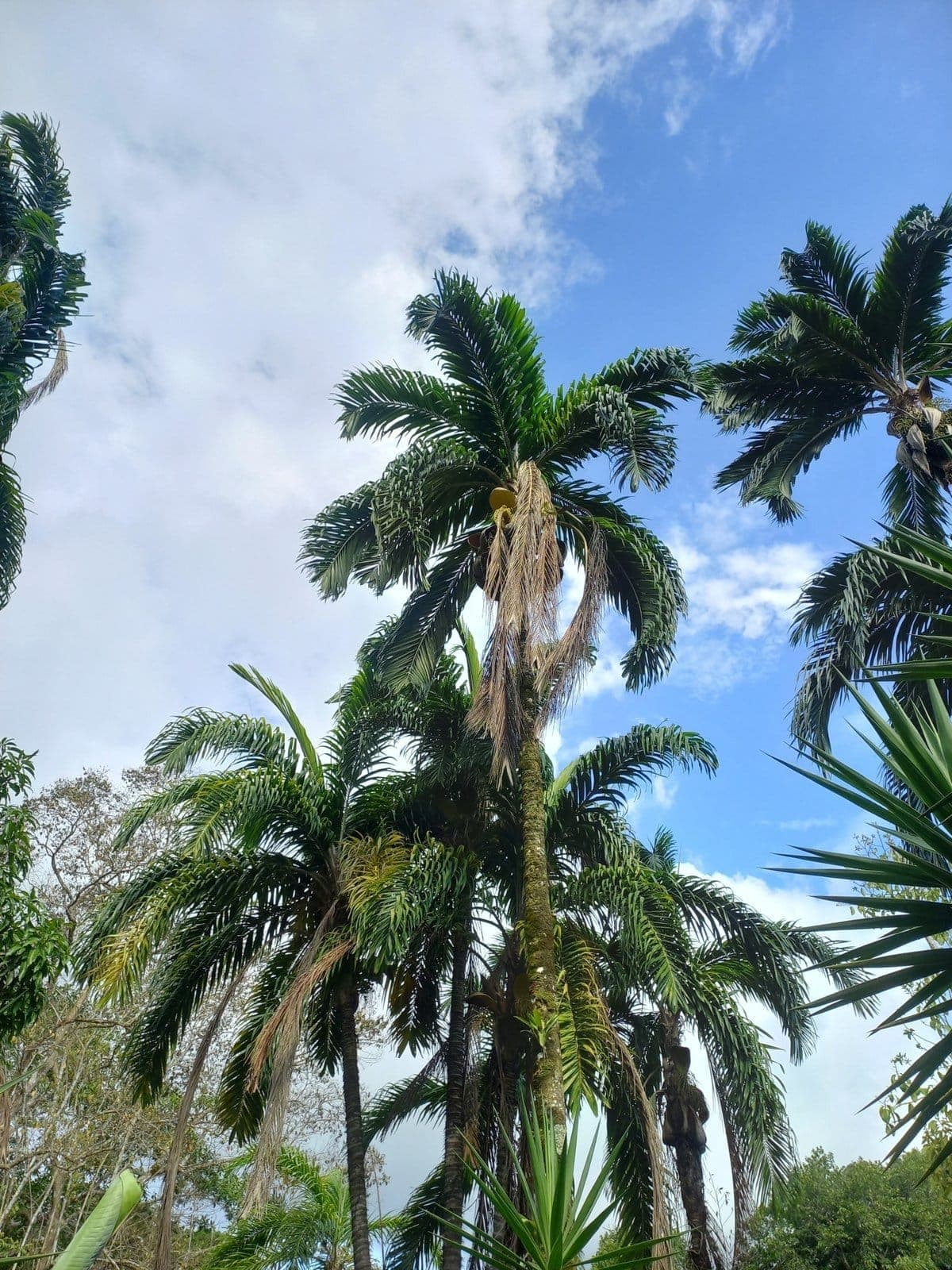
Whole tree
📷 (c) grinnin, some rights reserved (CC BY-NC)(CC BY-NC)
View source ↗Leaves
📷 (c) grinnin, some rights reserved (CC BY-NC)(CC BY-NC)
View source ↗Whole tree
📷 (c) Eduardo Chacón Madrigal, some rights reserved (CC BY)(CC BY-NC)
View source ↗Leaves
📷 (c) grinnin, some rights reserved (CC BY-NC)(CC BY-NC)
View source ↗Whole tree
📷 (c) Jairo Moya Vargas, some rights reserved (CC BY-NC)(CC BY-NC)
View source ↗Photos sourced from iNaturalist's community science database. Browse all observations →↗
Taxonomy & Classification
Not Your Desert Cactus
The Pitahaya defies the typical image of a cactus:
Species Clarification
Hylocereus costaricensis is the true native Costa Rican dragon fruit, distinguished by its deep magenta flesh. This species name literally means "from Costa Rica." While white-fleshed varieties dominate commercial production worldwide, the magenta-fleshed Costa Rican native is increasingly valued for its sweeter flavor and higher antioxidant content.
Physical Description
The Climbing Cactus
The Spectacular Flower
Queen of the Night
Pitahaya flowers are among the most spectacular in the plant kingdom:
Dimensions:
- Up to 30 cm (12 inches) long
- 25 cm (10 inches) wide when open
- Among the largest cactus flowers
The Night Show:
- Buds swell during the day
- Open as darkness falls (around 8-9 PM)
- Peak fragrance at midnight
- Begin closing at dawn
- Completely closed by mid-morning
- Each flower blooms only ONE night
Pollination: Primarily by bats in wild populations, supplemented by moths and early-morning bees.
The Dragon Fruit
Fruit Characteristics
How to Eat Dragon Fruit
Enjoying Pitahaya
Method 1 - Cut and Scoop:
- Cut fruit in half lengthwise
- Scoop flesh with spoon
- Eat directly or add to dishes
Method 2 - Peel and Slice:
- Score skin with knife
- Peel back like a banana
- Slice exposed flesh
Tips:
- Eat seeds and all (tiny, crunchy)
- Best served chilled
- Mild flavor pairs with tropical fruits
- Deep magenta variety stains (be careful!)
Nutritional Value
Distribution in Costa Rica
Natural Habitat
In the wild, pitahaya grows as an epiphyte in:
Cultivation Zones
Growing Regions
Main Production Areas:
- Guanacaste: Dry climate suits well
- Central Valley: Home gardens, small farms
- San Carlos: Emerging production area
- Southern Zone: Humid conditions, high yields
Growing Trend: Commercial pitahaya cultivation is expanding rapidly in Costa Rica, with the native magenta variety gaining premium status.
Ecological Role
Natural Interactions
The pitahaya's enormous night-blooming flowers are perfectly designed for bat pollination. The strong fragrance attracts nectar-feeding bats from long distances, and the flower's sturdy structure supports their weight while they feed. This ancient partnership means that healthy bat populations are essential for wild pitahaya reproduction.
Cultivation
Growing Pitahaya
Production System
Commercial Importance
Dragon fruit is one of the fastest-growing tropical fruit exports worldwide. Costa Rica's native H. costaricensis with its vibrant magenta flesh commands premium prices in international markets. The fruit's visual appeal and superfood status have driven increasing cultivation across the country.
Market Advantages:
- Striking appearance
- Superfood marketing potential
- Long shelf life (2-3 weeks)
- Increasing global demand
Conservation
IUCN Status: Least Concern (LC)
Wild populations of Hylocereus costaricensis remain healthy throughout Costa Rica. Cultivation has actually increased the species' presence, with plants spreading from farms into adjacent areas.
Considerations:
- Wild populations depend on bat pollinators
- Forest fragmentation can reduce bat visits
- Maintaining habitat corridors benefits both
- Cultivation serves as de facto conservation
Cultural Significance
Pre-Columbian Heritage
The pitahaya has been cultivated in Mesoamerica for centuries:
Today, pitahaya is celebrated as a symbol of Costa Rican agricultural diversity. The country's native species, with its distinctive magenta flesh, is increasingly recognized as a premium product distinct from the more common white-fleshed Asian varieties. Small-scale farmers throughout the country are turning to pitahaya cultivation as a sustainable income source.
Where to See Pitahaya
Where to Find Pitahaya in Costa Rica
Wild Populations:
Farms and Gardens:
For the most spectacular experience, visit a pitahaya farm during the night-blooming season (May-September). Some farms offer nighttime tours to witness the enormous flowers opening at dusk—a truly magical experience. Contact local agricultural tourism operators for arrangements.
External Resources
Community observations and photos
Botanical nomenclature and specimens
Species distribution and ecology
Cactus family specialists
Global biodiversity occurrence data and distribution maps
Conservation status and species assessment
References
📚 Scientific References & Further Reading
Britton, N.L. & Rose, J.N. (1920). The Cactaceae, Volume II. Carnegie Institution of Washington
Tel-Zur, N. et al. (2004). Taxonomy and phylogeny of Hylocereus based on molecular and morphological data. Genetic Resources and Crop Evolution
Ortiz-Hernández, Y.D. & Carrillo-Salazar, J.A. (2012). Pitahaya (Hylocereus spp.): a short review. Comunicata Scientiae
Le Bellec, F. et al. (2006). Pitahaya (Hylocereus spp.): a new fruit crop, a market with a future. Fruits
The Pitahaya (Hylocereus costaricensis) represents Costa Rica's contribution to one of the world's most spectacular fruit crops. This climbing cactus, with its enormous night-blooming flowers and dragon-scaled fruit, transforms forests and farms alike into something magical. Whether discovered in the wild draped over a forest tree or enjoyed fresh from a local finca, the pitahaya offers a taste of Costa Rica's natural botanical heritage.
Safety Information Disclaimer
Safety information is provided for educational purposes only. Individual reactions may vary significantly based on age, health status, amount of exposure, and individual sensitivity. Always supervise children around plants. Consult a medical professional or certified arborist for specific concerns. The Costa Rica Tree Atlas is not liable for injuries or damages resulting from interaction with trees described in this guide.
• Always supervise children around plants
• Consult medical professional if unsure
• Seek immediate medical attention if poisoning occurs
Information compiled from authoritative toxicology sources, scientific literature, and medical case reports.
Help improve this page
Know something about this tree? Share local knowledge, suggest a correction, or submit a photo to improve this guide for everyone.