Pochote
Pachira quinata
Quick facts
Native Region
Honduras to Ecuador
Max Height
30-45 meters (100-150 feet)
Family
Malvaceae
Conservation
EN — Endangered
Uses
Safety Information
Toxicity Details
No toxic parts. The seeds are edible (eaten roasted). The flowers are sometimes eaten. Completely safe from a toxicity standpoint.
Skin Contact Risks
No chemical skin hazards. All safety concerns are from the sharp spines on young trunks - see structural risks.
Allergenic Properties
No known allergen concerns. The tree and its products are generally safe for everyone.
Structural Hazards
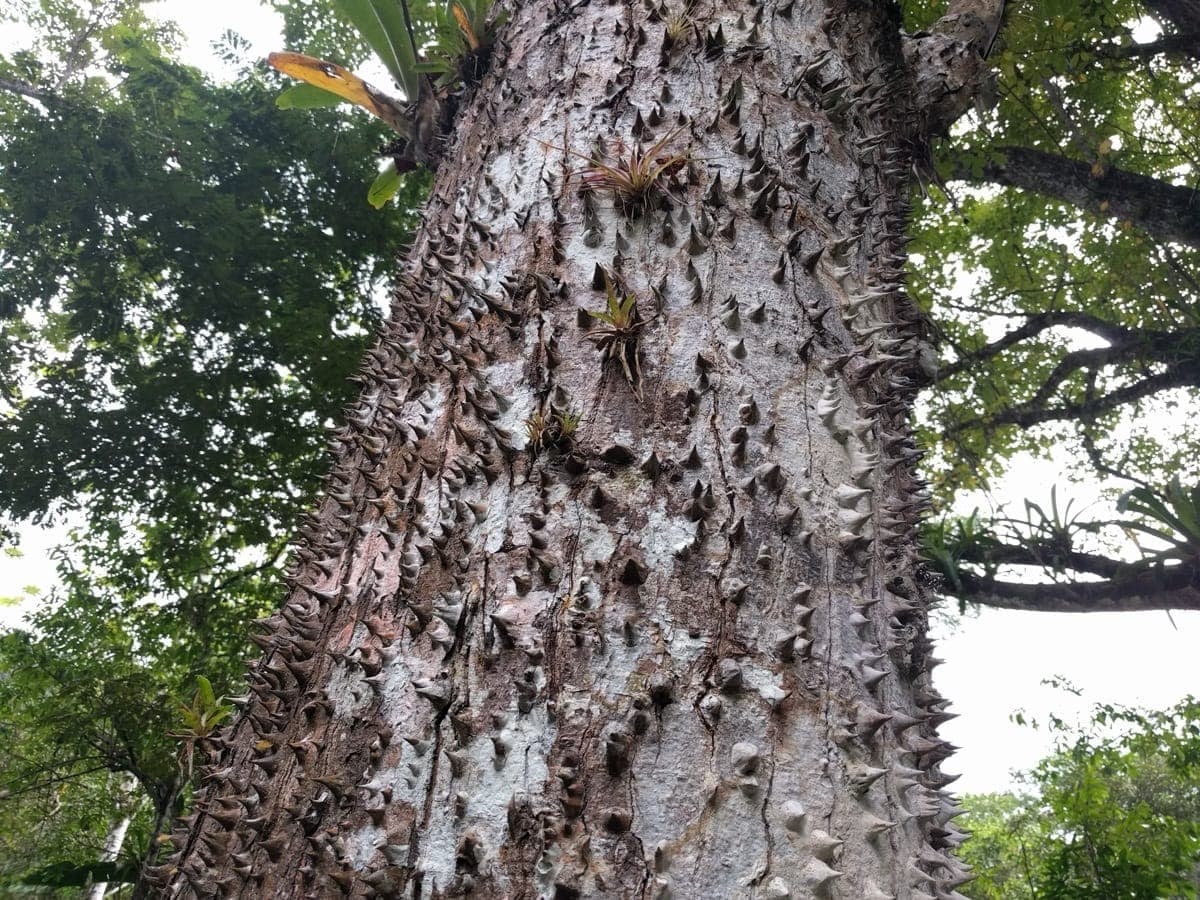
CAUTION: TRUNK SPINES. Young pochote trees have prominent conical spines covering the trunk. These spines are sharp and can cause puncture wounds. The spines tend to fall off as the tree matures, and older trees typically have smooth trunks. Not as dangerous as pejibaye, but still a concern near paths or play areas while the tree is young. Keep children from climbing young trees. Once mature and spines have dropped, the tree is completely safe.
Season
Flowering
Jan-Mar
Fruiting
Mar-May
How to identify
Pochote (Spiny Cedar)
The Pochote (Pachira quinata), also known as Spiny Cedar or Ceiba de Espinas, is one of the most distinctive trees of Central American dry forests— instantly recognizable by the sharp conical spines covering its trunk and branches. This magnificent tree, which can tower to 45 meters and live for centuries, is now IUCN Endangered due to heavy logging of its valuable rot-resistant timber. Once common throughout the Pacific dry forests, large Pochotes have become increasingly rare.
Quick Reference
iNaturalist Observations
Community-powered species data
📸 Photo Gallery
Whole tree
📷 (c) Rich Hoyer, some rights reserved (CC BY-NC-SA)(CC BY-NC-SA)
View source ↗Leaves
📷 (c) Rich Hoyer, some rights reserved (CC BY-NC-SA)(CC BY-NC-SA)
View source ↗Whole tree
📷 (c) Efraín Octavio Aguilar Pérez, some rights reserved (CC BY-NC)(CC BY-NC)
View source ↗Leaves
📷 (c) Rich Hoyer, some rights reserved (CC BY-NC-SA)(CC BY-NC-SA)
View source ↗Whole tree
📷 (c) Carlos Domínguez-Rodríguez, some rights reserved (CC BY-NC)(CC BY-NC)
View source ↗Photos sourced from iNaturalist's community science database. Browse all observations →↗
Taxonomy & Classification
The Pochote was formerly classified as Bombacopsis quinata in the old Bombacaceae family. Molecular studies have reorganized the kapok/ceiba trees into the Malvaceae family, subfamily Bombacoideae. The Money Tree houseplant (Pachira aquatica) is a close relative in the same genus.
Common Names
Physical Description
Overall Form
The Pochote is a towering deciduous tree that loses its leaves completely in the dry season, revealing a spectacular skeletal silhouette. The trunk and major branches are covered with sharp, woody spines that make the tree unmistakable. Large buttresses support the massive trunk.
Distinctive Features
The Famous Spines
- Location: Trunk and branches
- Shape: Conical, woody, sharp
- Size: 1-3 cm in most, larger on young trees
- Purpose: Defense against climbing animals
- Persistence: Present throughout life
- With Age: May become less prominent on old bark
Trunk & Structure
- Trunk: Massive, straight, cylindrical
- Buttresses: Large, spreading
- Bark: Grayish, with spine bases visible
- Crown: Umbrella-shaped when in leaf
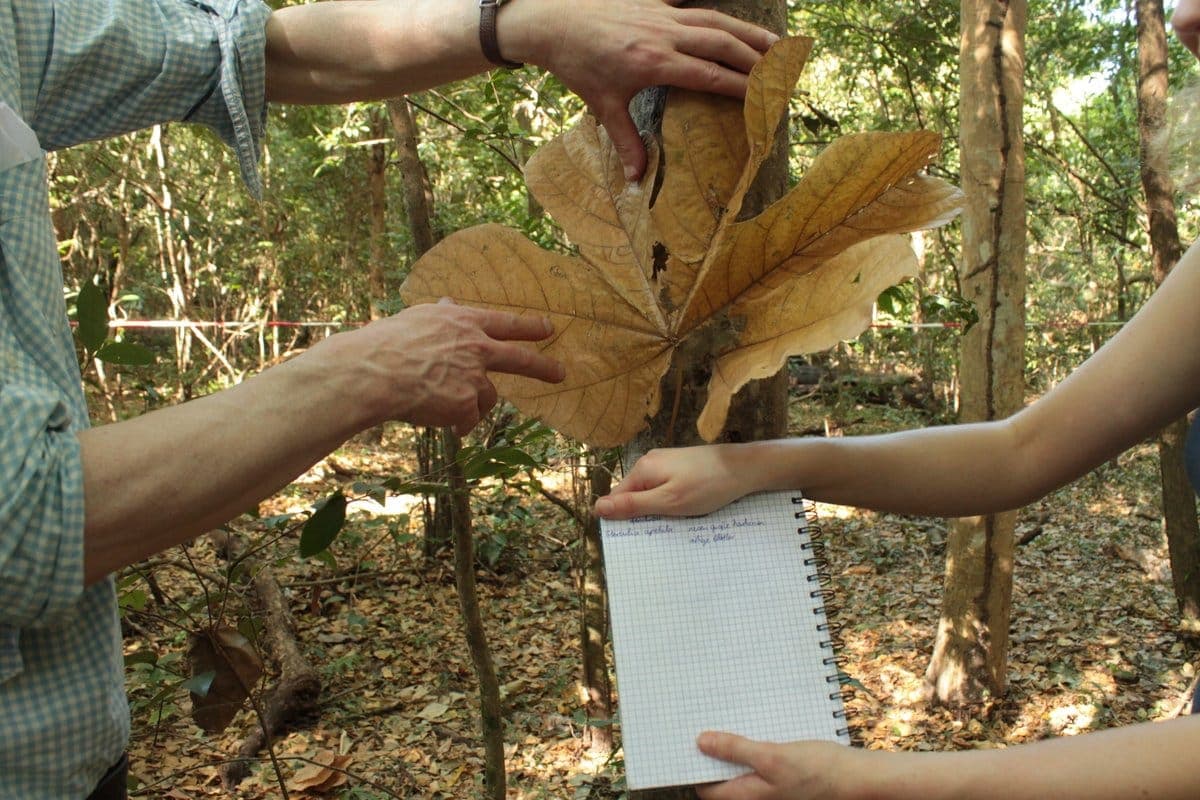
Leaves
- Type: Palmately compound
- Leaflets: 5-7, digitately arranged
- Size: Leaflets 10-20 cm long
- Texture: Leathery
- Deciduous: Completely bare in dry season
Flowers & Fruits
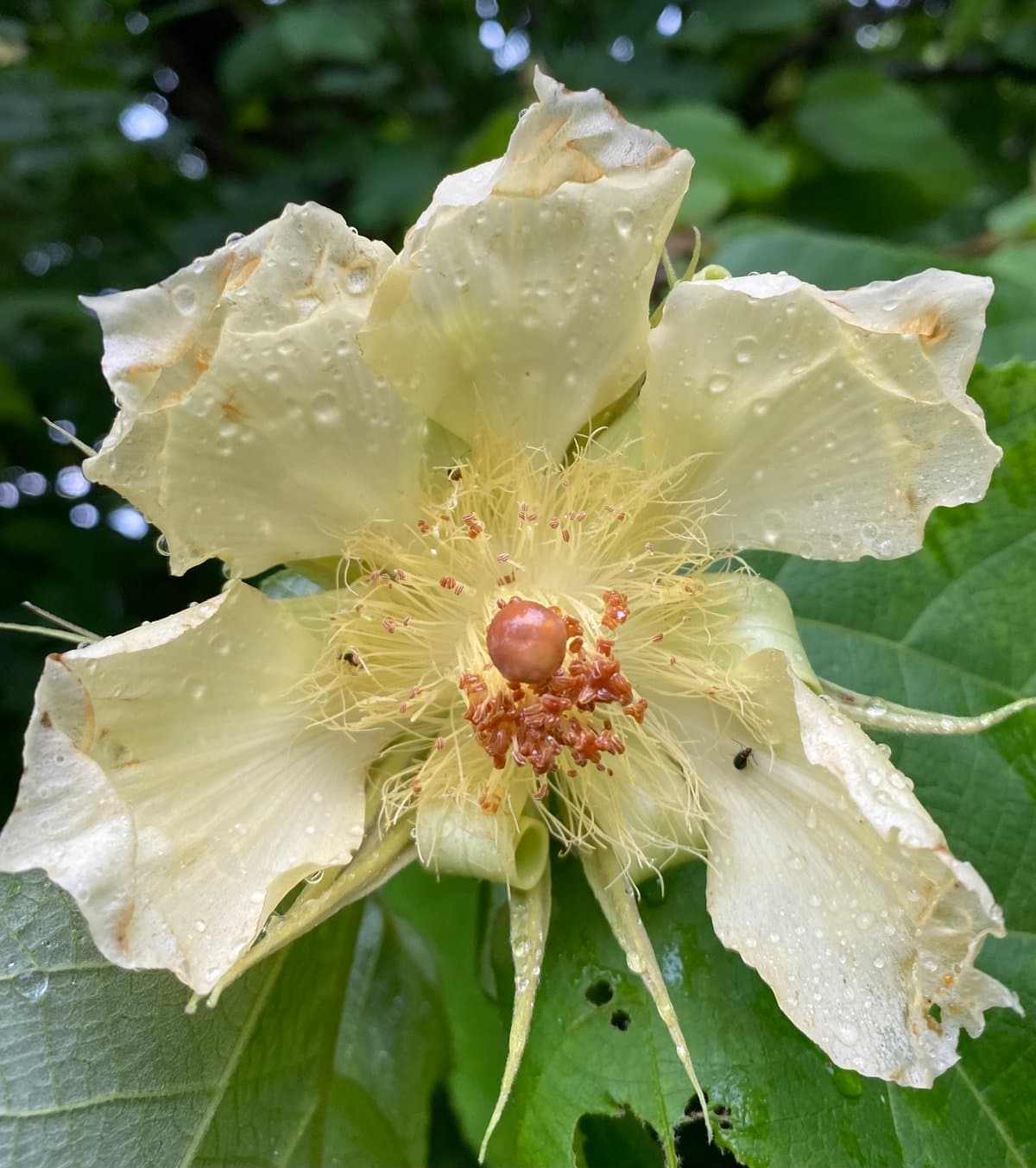
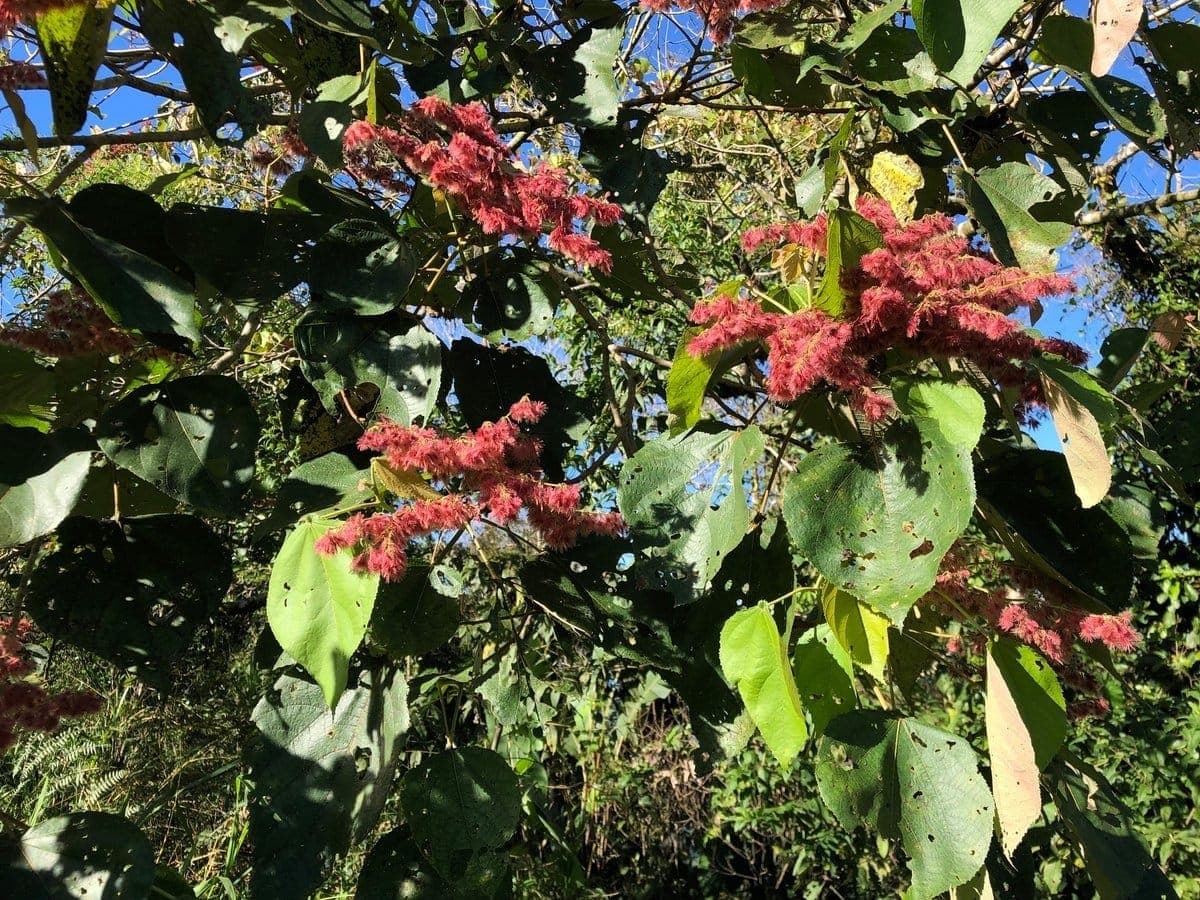
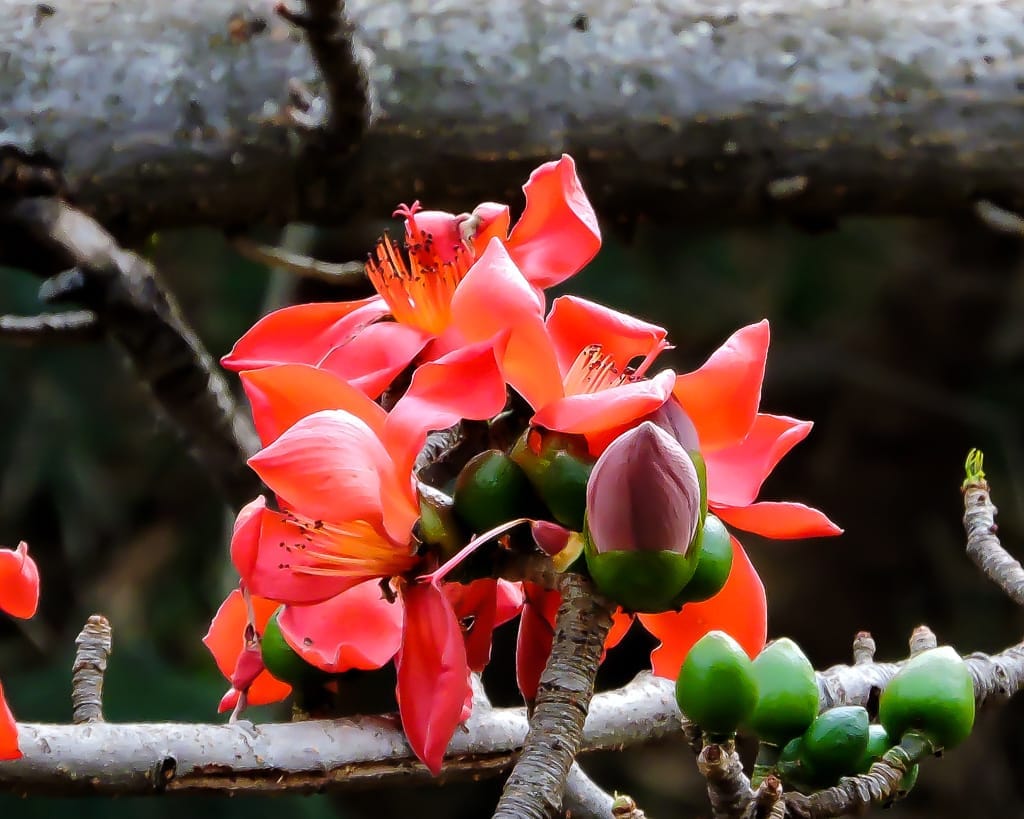
- Flowers: Large, showy, cream to yellowish
- Petals: 5, recurved, 10-15 cm long
- Stamens: Numerous, prominent
- Timing: Dry season, on bare branches
- Fruit: Large woody capsule
- Kapok: Silky fibers surrounding seeds
The Pochote's spines are a defense evolved over millions of years. They protect the tree from: - Climbing mammals that might damage bark or eat leaves - Large herbivores in prehistoric times (giant sloths, gomphotheres) - Vine attachment that could strangle the tree The spines are most prominent on young trees and lower trunks—where defense is most needed. High branches often have fewer spines.
Distribution & Habitat
Native Range
Geographic Distribution
Distribution in Costa Rica
The Pochote is native to the Pacific dry forests of Costa Rica, from Guanacaste through the Central Pacific region. It was once a dominant tree in these forests but has been heavily depleted.
Preferred Habitat
Ecological Significance
Dry Forest Ecosystem Role
The Pochote plays several critical roles in dry forest ecosystems: - Canopy structure: Emergent giant providing forest architecture - Dry season resource: Flowers when trees are leafless, feeding pollinators - Kapok fiber: Nesting material for birds - Cavity habitat: Old trees provide homes for parrots, owls, bats - Seed dispersal: Wind-dispersed seeds colonize gaps The loss of Pochotes impoverishes dry forest ecosystems significantly.
Wildlife Interactions
Pollinators
- Bats: Primary nocturnal pollinators
- Moths: Night visitors to fragrant flowers
- Bees: Day-time visitors
- Timing: Dry season flowering is critical
Seed Dispersers
- Wind: Kapok fibers carry seeds far
- Germination: Seeds need light, disturbance
Habitat Users
- Parrots: Nest in cavities of old trees
- Owls: Use tree hollows
- Bats: Roost in cavities and under bark
- Epiphytes: Host orchids and bromeliads
- Birds: Use kapok for nest building
Associated Wildlife
- Howler Monkeys: May use as travel routes
- Iguanas: Bask on large branches
- Woodpeckers: Forage on bark
Cultural & Economic Importance
Timber Value
A Prized Wood
Pochote timber has been highly valued for centuries: - Rot resistance: Exceptional durability in ground contact - Termite resistant: Natural chemicals repel insects - Workability: Relatively easy to work despite density - Uses: Posts, construction, boats, furniture - Historical: Used for canoes and housing since pre-Columbian times This value has been the species' downfall—large trees have been logged relentlessly wherever they could be accessed.
Uses Table
Historical Timeline
Conservation Status
Current Assessment
Conservation Status
Threat Analysis
The Pochote faces a perfect storm of threats: - High timber value: Strong economic incentive to cut - Slow growth: Takes 80-100+ years to reach harvest size - Dry forest loss: Habitat converted to agriculture - Easy identification: Spiny trunks make trees easy to locate - Accessibility: Dry forests easier to access than wet forests - Weak enforcement: Limited resources for protection Large Pochotes have become rare; most remaining trees are on private land or in protected areas.
Conservation Opportunities
Challenges
- Continued illegal logging
- Dry forest habitat loss
- Long rotation for sustainable timber
- Climate change effects
- Seed collection difficulties
Opportunities
- Living fence establishment
- Agroforestry integration
- Protected area expansion
- Community forestry programs
- Seed banks and nurseries
- Plantation development
Cultivation & Propagation
Growing Pochote
Propagation Methods
From Seeds
- Collect pods before they open fully
- Extract seeds from kapok
- Seeds viable only a few weeks
- Sow immediately, 1-2 cm deep
- Germination in 1-2 weeks
- Full sun from start
From Cuttings (Living Fences)
- Large branch cuttings (1-2 m)
- Plant directly in wet season
- Will root and establish
- Traditional fence method
Growing Conditions
Notes
- Spines make handling young trees challenging
- Living fence stakes easier than seedlings
- Protect from cattle browsing initially
- Long-term investment (decades to maturity)
Advanced Care Guidance
Identification Guide
How to Identify Pochote
Where to See Pochote in Costa Rica
External Resources
Community observations and photos
Conservation assessment
Regional tree database
Global biodiversity occurrence data and distribution maps
References
📚 Scientific References & Further Reading
Cordero, J. & Boshier, D.H. (2003). Árboles de Centroamérica: Pachira quinata. OFI/CATIE
Janzen, D.H. (1983). Costa Rican Natural History. University of Chicago Press
World Conservation Monitoring Centre (1998). Pachira quinata assessment. IUCN Red List
The best time to appreciate Pochotes is during the dry season (December-April) when they stand leafless against the brown landscape, their spiny trunks and dramatic silhouettes unmistakable. Look for them as living fence posts along rural roads in Guanacaste—farmers have traditionally planted large branch cuttings that root and grow into sizeable trees. When flowering, their large cream-colored blossoms attract bats at night and are a beautiful sight on the bare branches. If you see a large Pochote, stop and appreciate it—such trees are increasingly rare treasures.
Safety Information Disclaimer
Safety information is provided for educational purposes only. Individual reactions may vary significantly based on age, health status, amount of exposure, and individual sensitivity. Always supervise children around plants. Consult a medical professional or certified arborist for specific concerns. The Costa Rica Tree Atlas is not liable for injuries or damages resulting from interaction with trees described in this guide.
• Always supervise children around plants
• Consult medical professional if unsure
• Seek immediate medical attention if poisoning occurs
Information compiled from authoritative toxicology sources, scientific literature, and medical case reports.
Help improve this page
Know something about this tree? Share local knowledge, suggest a correction, or submit a photo to improve this guide for everyone.