Sangrillo
Pterocarpus officinalis
Quick facts
Native Region
Caribbean Basin and Central America
Max Height
25-35 meters (82-115 feet)
Family
Fabaceae
Conservation
VU — Vulnerable
Uses
Safety Information
Toxicity Details
Sangrillo (Pterocarpus officinalis) is in the Fabaceae (legume) family and is generally safe. The dramatic blood-red sap that gives the tree its name is not toxic when contacted or ingested in small amounts. The tree has been used traditionally in medicine, suggesting low toxicity. Some Pterocarpus species worldwide have been used medicinally without significant toxicity concerns. Overall, a safe tree.
Skin Contact Risks
The distinctive red sap may stain skin and clothing but is not caustic or irritating. Most people can handle the sap without skin reactions. The red color comes from tannins and resins that are not harmful to skin. Wash to remove staining. No significant dermatitis reported. Much safer than many other tropical trees.
Allergenic Properties
Minimal allergenic properties. As with many legumes, pollen may cause mild seasonal allergies in sensitive individuals. Wood dust during processing may cause respiratory irritation (use protective equipment). Overall allergen risk is low.
Structural Hazards
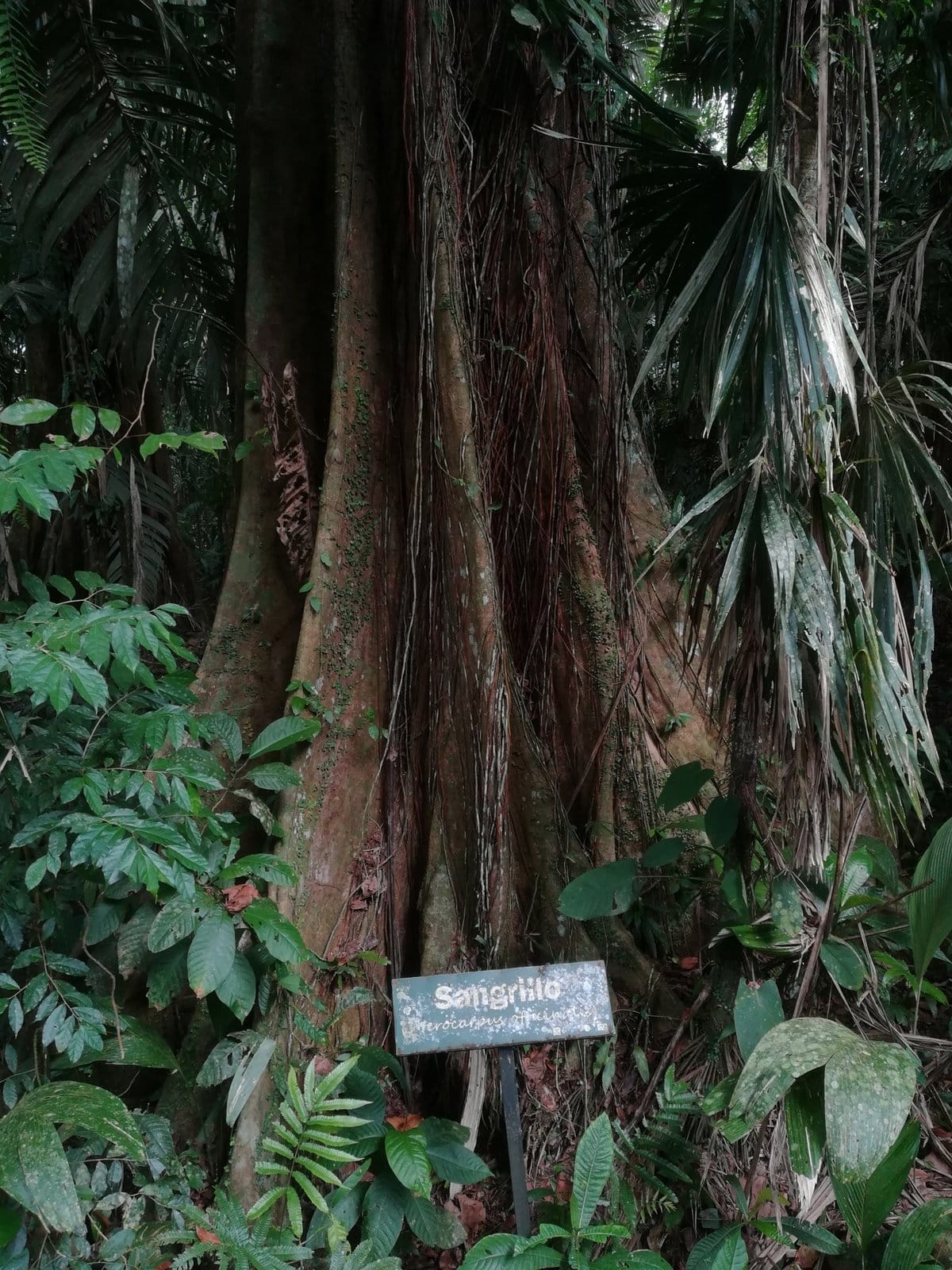
Medium to large tree (25-35 meters) with dramatic buttress roots. These large buttress roots create trip hazards and can disrupt pavement. Branches can fall during storms. Grows in seasonally flooded wetlands where ground may be unstable. The tree's structural features require consideration during siting.
Wildlife & Pet Risks
Safe for wildlife. Creates critical wetland habitat. Nitrogen-fixing benefits surrounding ecosystem. No toxic effects on animals.
Season
Flowering
Mar-May
Fruiting
May-Jul
How to identify
Sangrillo
Sangrillo (Pterocarpus officinalis) is one of the most distinctive trees of Costa Rica's Caribbean wetlands. Named for its blood-red sap ("sangre" means blood in Spanish), this massive tree develops spectacular buttress roots that can extend several meters from the trunk.
Quick Reference
iNaturalist Observations
Community-powered species data
📸 Photo Gallery
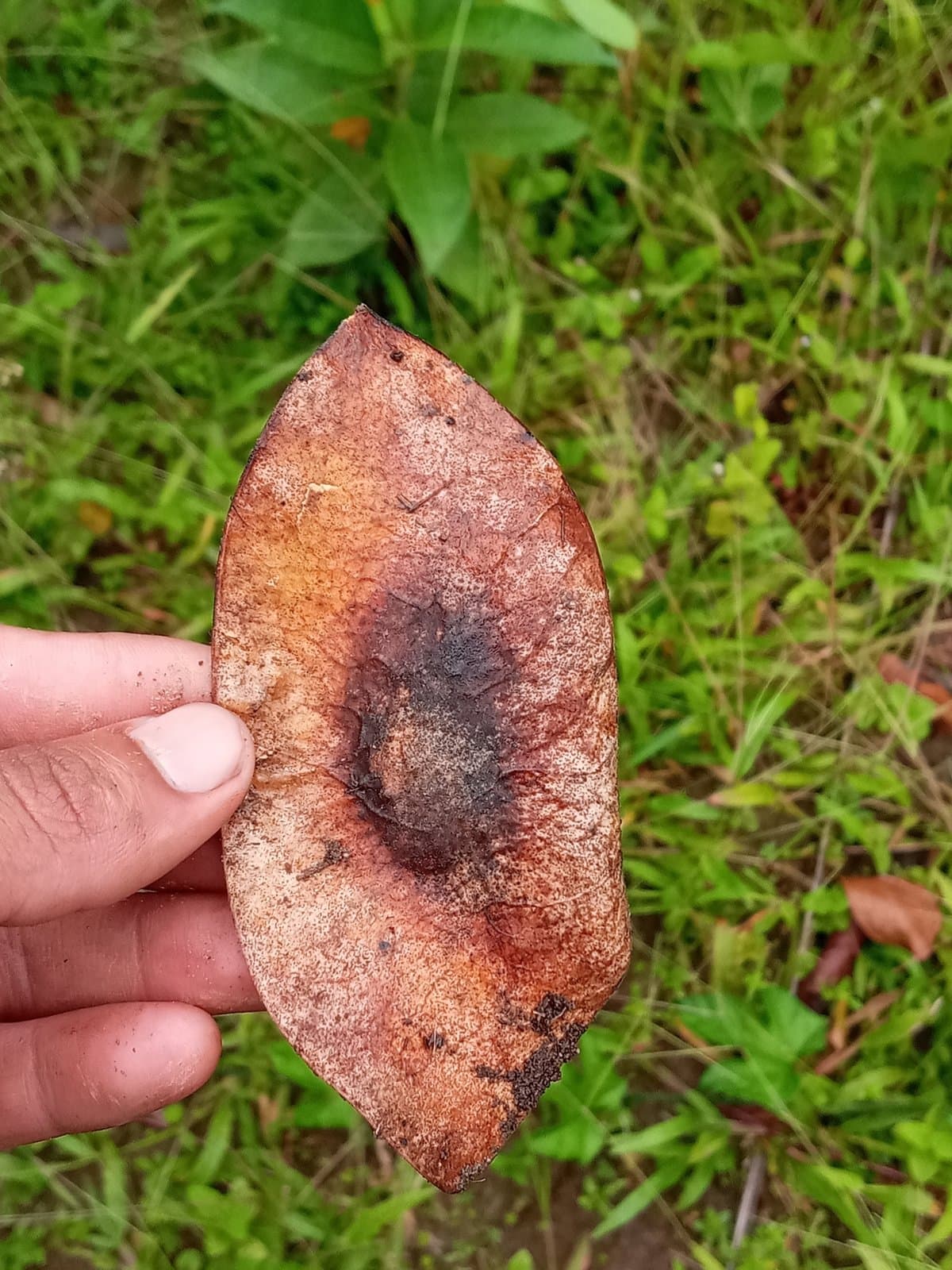
Whole tree
📷 (c) David Garrigues, some rights reserved (CC BY-NC)(CC BY-NC)
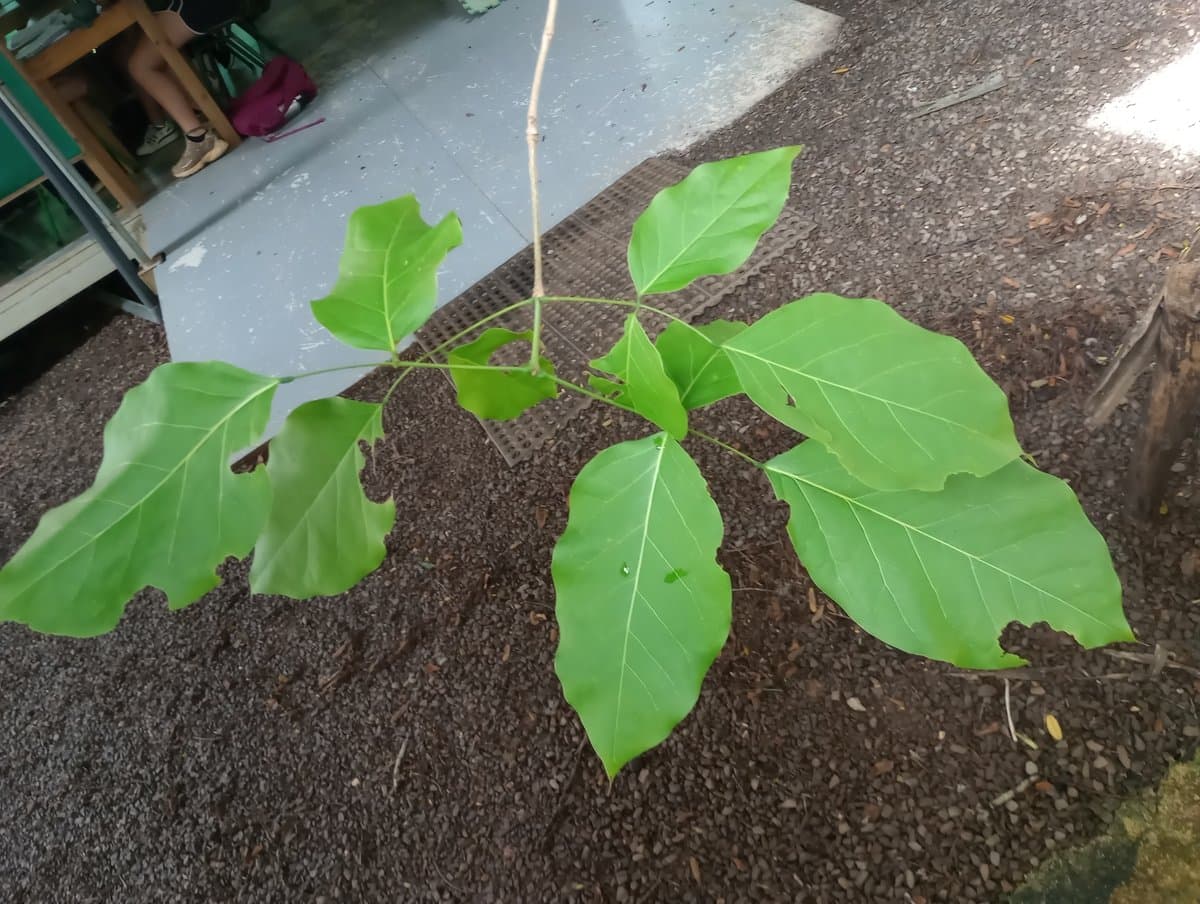
View source ↗Leaves
📷 (c) David Garrigues, some rights reserved (CC BY-NC)(CC BY-NC)
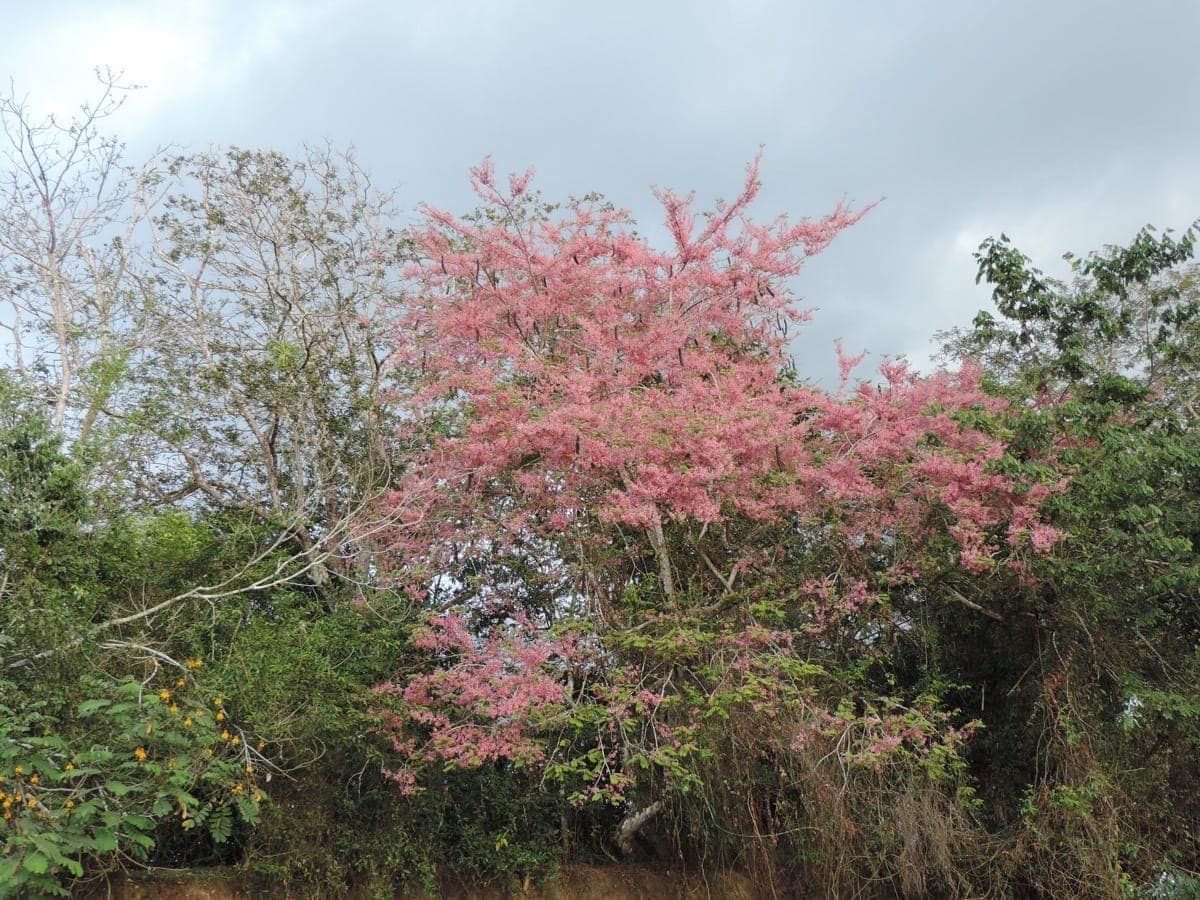
View source ↗Whole tree
📷 (c) James Steamer, some rights reserved (CC BY-NC)(CC BY-NC)
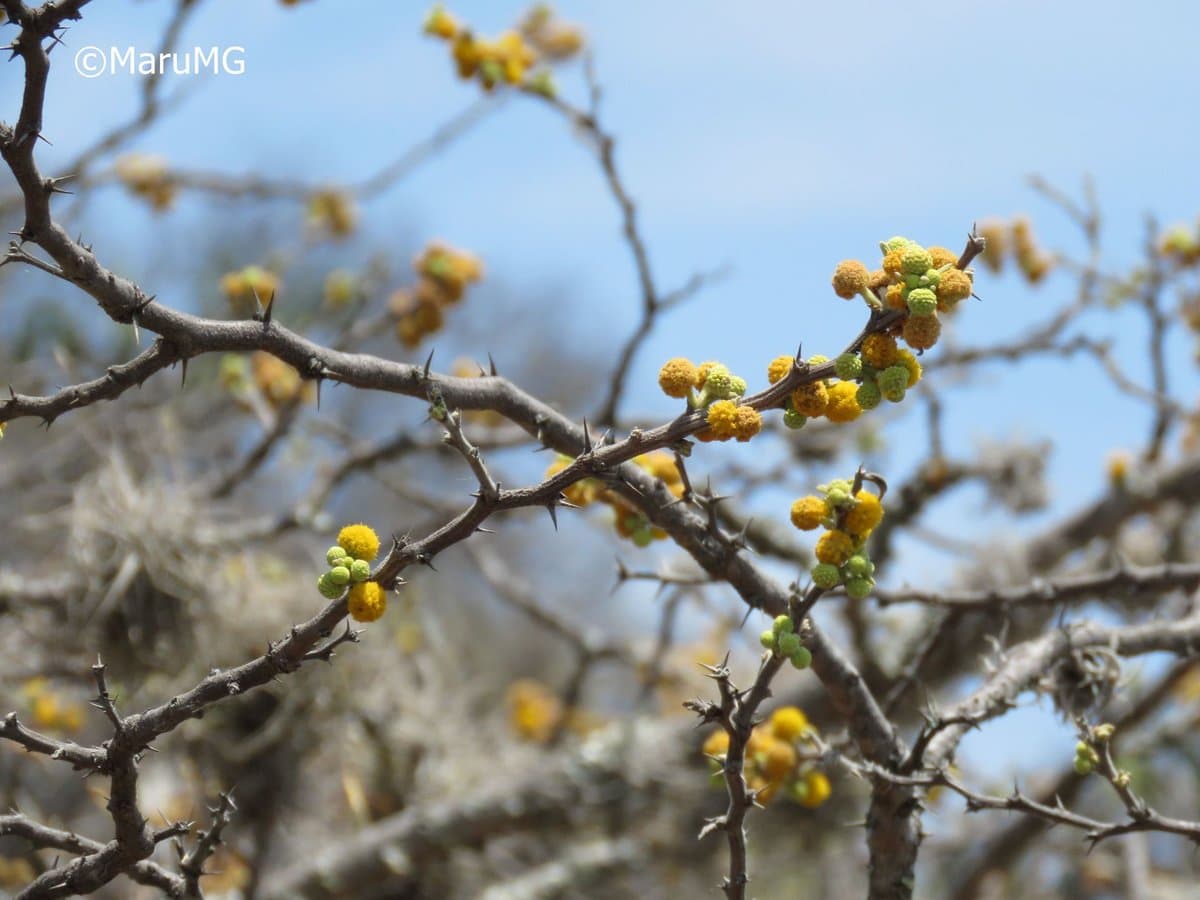
View source ↗Leaves
📷 (c) David Garrigues, some rights reserved (CC BY-NC)(CC BY-NC)
View source ↗Whole tree
📷 (c) caaz, some rights reserved (CC BY-NC)(CC BY-NC)
View source ↗Photos sourced from iNaturalist's community science database. Browse all observations →↗
Taxonomy & Classification
Geographic Distribution
Geographic Distribution
Where to Find Sangrillo in Costa Rica
Primary Habitats:
Elevation: Sea level to ~500 m
Habitat & Ecology
Ecological Role
Sangrillo is a keystone species in Caribbean wetland ecosystems:
Wildlife Associations
Animals dependent on Sangrillo:
Freshwater swamp forests are among Costa Rica's most threatened ecosystems. Drainage for agriculture, urban development, and climate change all impact Sangrillo populations. Protecting these wetlands is critical for biodiversity.
Botanical Description
Wood Properties
Appearance
Physical Properties
Due to its conservation status and wetland habitat, Sangrillo is not commercially harvested. The wood is moderately durable but not as valued as other Pterocarpus species. Its primary value is ecological.
Traditional Uses
Conservation Status
Conservation Concerns
Threats to Sangrillo:
Growing Sangrillo
Where to See Sangrillo Trees
Best Locations in Costa Rica
Protected Areas:
Tips:
External Resources
Community observations, photos, and distribution data
Global observations
Conservation status and assessment
IUCN Red List of Threatened Species
Global biodiversity occurrence data and distribution maps
References
📚 Scientific References & Further Reading
Eusse, A.M. & Aide, T.M. (1999). Patterns of litter production across a salinity gradient in a Pterocarpus officinalis forest. Plant Ecology 145: 307-315
Rivera-Ocasio, E., et al. (2006). Patterns of genetic diversity in Pterocarpus officinalis. Caribbean Journal of Science 42(3): 310-321
The Sangrillo (Pterocarpus officinalis) stands as a sentinel of Costa Rica's threatened wetland ecosystems. With its dramatic buttress roots rising from flooded forests and its blood-red sap steeped in traditional medicine, this tree reminds us of the irreplaceable value of swamp forests—nature's nurseries that sustain countless species.
🌳 ¡Pura Vida!
Safety Information Disclaimer
Safety information is provided for educational purposes only. Individual reactions may vary significantly based on age, health status, amount of exposure, and individual sensitivity. Always supervise children around plants. Consult a medical professional or certified arborist for specific concerns. The Costa Rica Tree Atlas is not liable for injuries or damages resulting from interaction with trees described in this guide.
• Always supervise children around plants
• Consult medical professional if unsure
• Seek immediate medical attention if poisoning occurs
Information compiled from authoritative toxicology sources, scientific literature, and medical case reports.
Help improve this page
Know something about this tree? Share local knowledge, suggest a correction, or submit a photo to improve this guide for everyone.