Amarillón
Terminalia amazonia
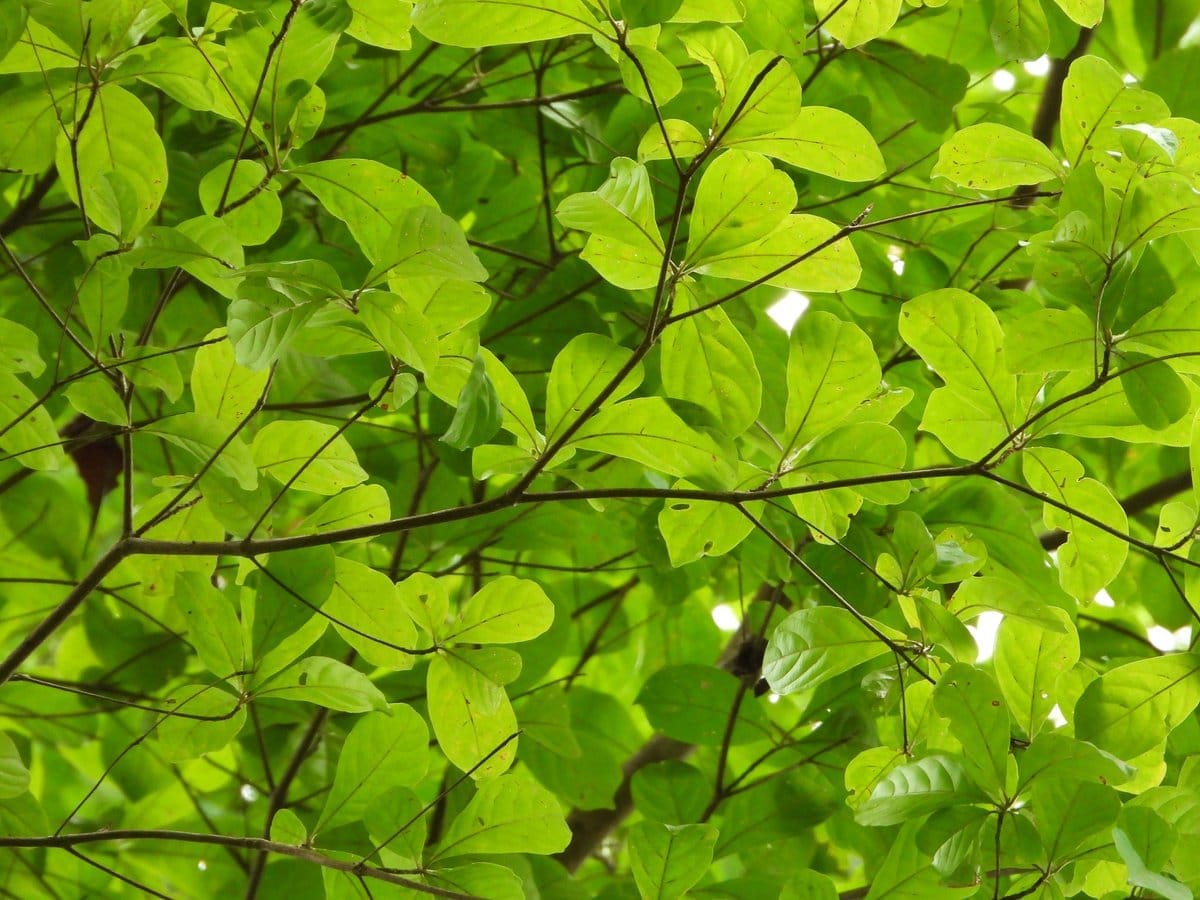
Quick facts
Native Region
Central America and northern South America
Max Height
40-60 meters (130-200 feet)
Family
Combretaceae
Conservation
LC — Least Concern
Uses
Safety Information
Toxicity Details
Amarillón (Terminalia amazonia) is non-toxic and safe. No parts of this tree are poisonous to humans or animals. The Combretaceae family includes some species with medicinal properties, but Terminalia amazonia does not have significant toxic compounds. Safe for use in landscapes, reforestation, and areas where people and animals are present.
Skin Contact Risks
No known skin irritation from contact with bark, sap, or leaves. Wood dust during milling should be handled with standard protective equipment (dust masks), as with any hardwood, but the tree itself poses no dermal hazards. Safe to touch and handle.
Allergenic Properties
Minimal allergenic properties. Some individuals may have mild reactions to pollen during flowering season. Wood dust during processing may cause respiratory irritation (mechanical, not allergenic). Overall risk is low.
Structural Hazards
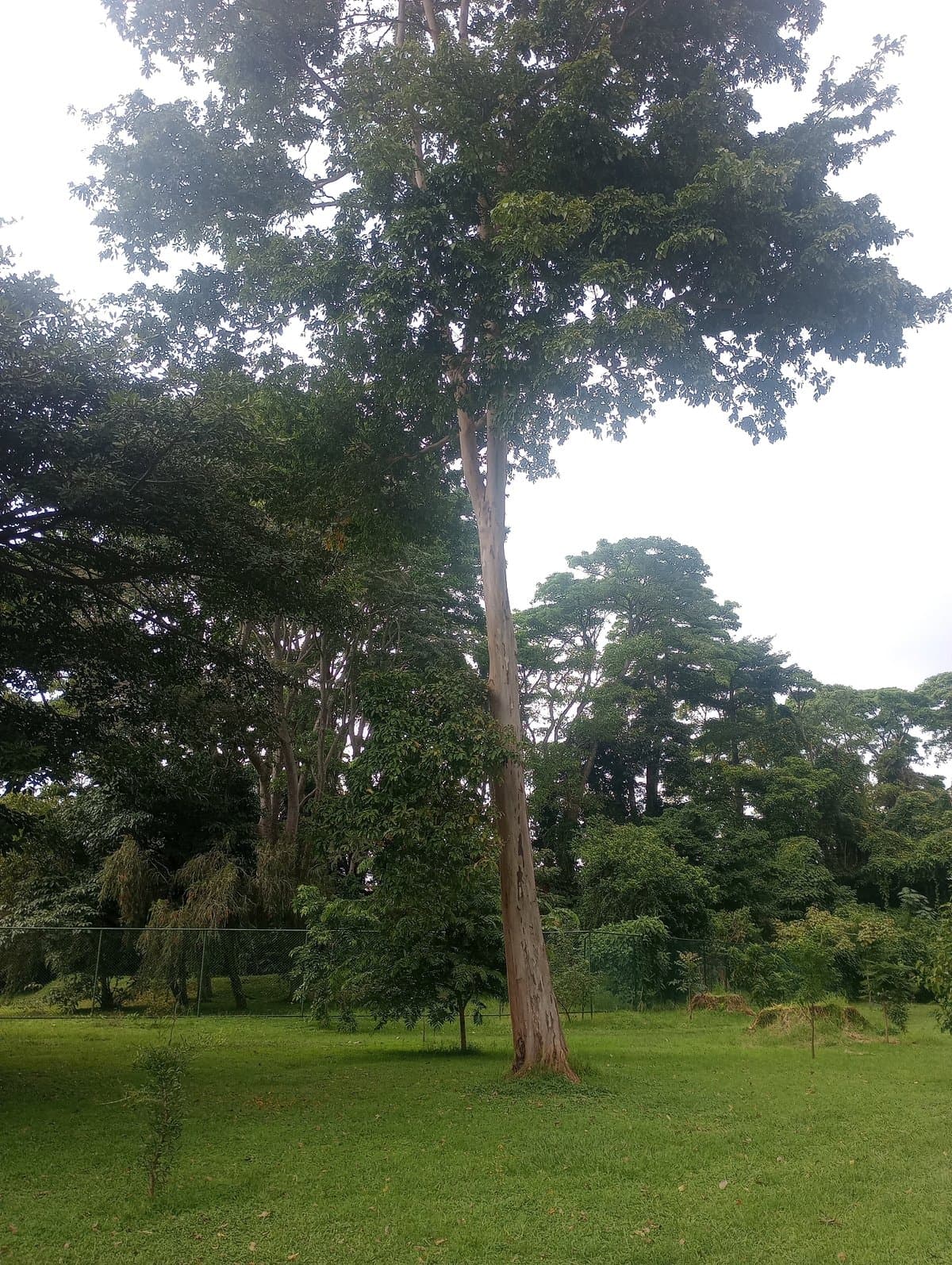
VERY LARGE tree reaching 40-60 meters (130-200 feet) tall—one of the forest giants. Falling branches from such height are potentially serious hazards. Heavy winged fruits (samaras) fall from great height. Not suitable for small residential properties. Requires professional care if planted in developed areas. Best suited for large properties, parks, and reforestation projects where its massive size is appropriate.
Wildlife & Pet Risks
Safe for wildlife. Important food source for forest fauna. No toxic effects on animals.
Season
Flowering
Jan-Mar
Fruiting
Mar-May
How to identify
Amarillón
Amarillón (Terminalia amazonia) is one of the most impressive trees in Central American rainforests. As an emergent species, it towers above the canopy, with some individuals exceeding 60 meters in height. Its yellow-gold wood is highly valued for construction.
Quick Reference
iNaturalist Observations
Community-powered species data
📸 Photo Gallery
Whole tree
📷 (c) capepolly, some rights reserved (CC BY-NC)(CC BY-NC)
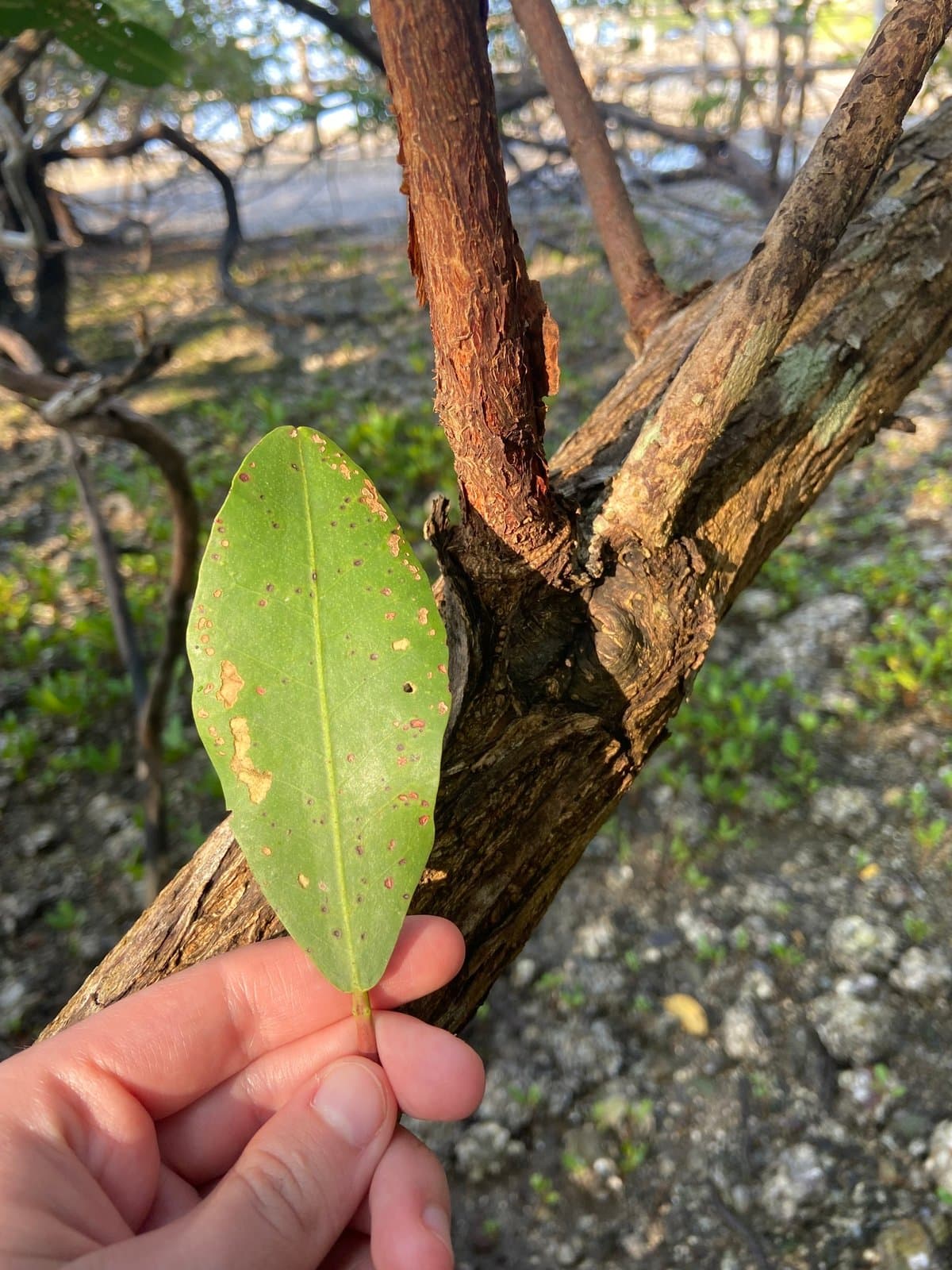
View source ↗Leaves
📷 (c) capepolly, some rights reserved (CC BY-NC)(CC BY-NC)
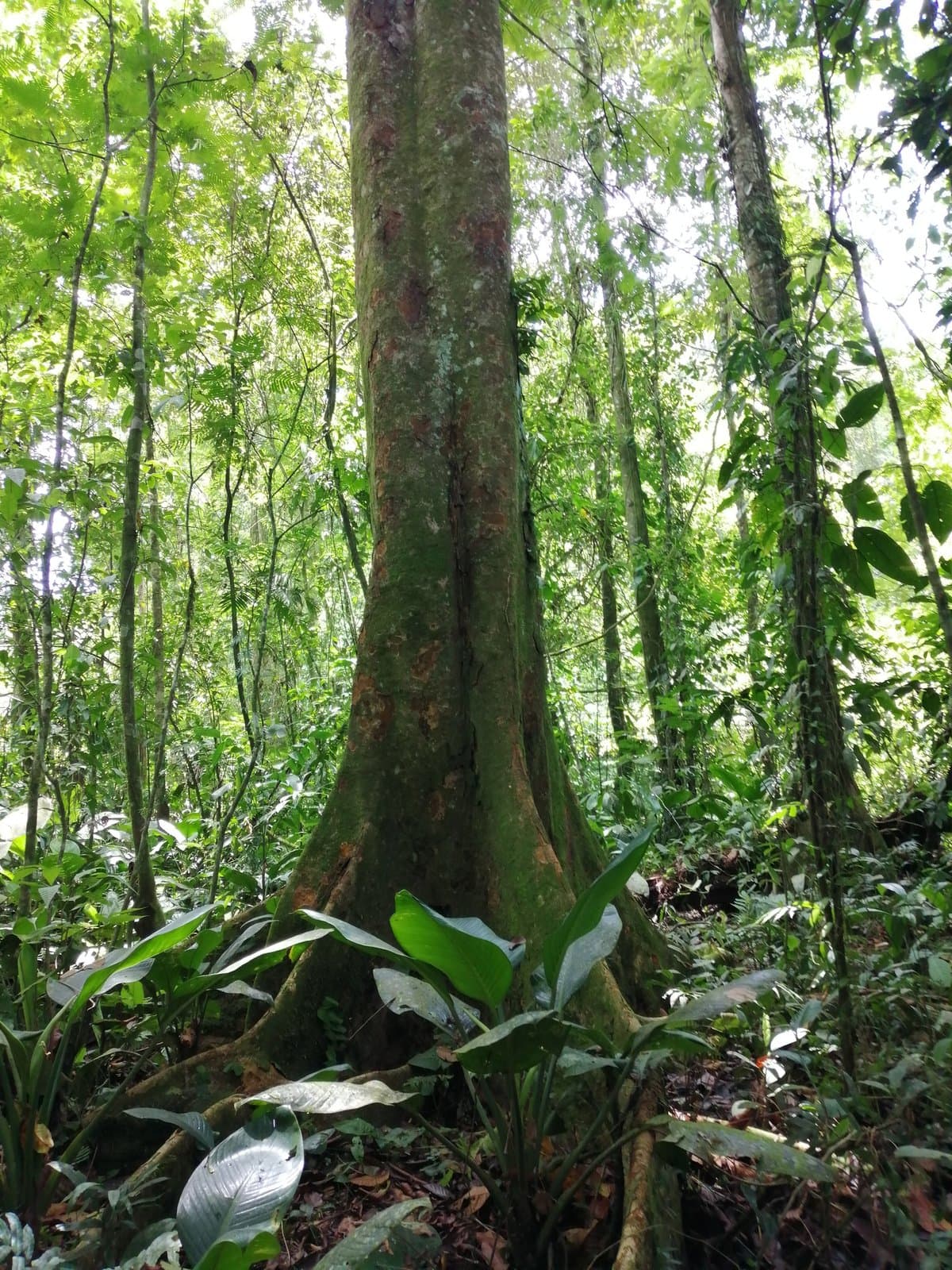
View source ↗Habitat
📷 (c) Fabrício Mil Homens Riella, some rights reserved (CC BY)(CC BY)
View source ↗Whole tree
📷 (c) sergiovillegas, some rights reserved (CC BY-NC)(CC BY-NC)
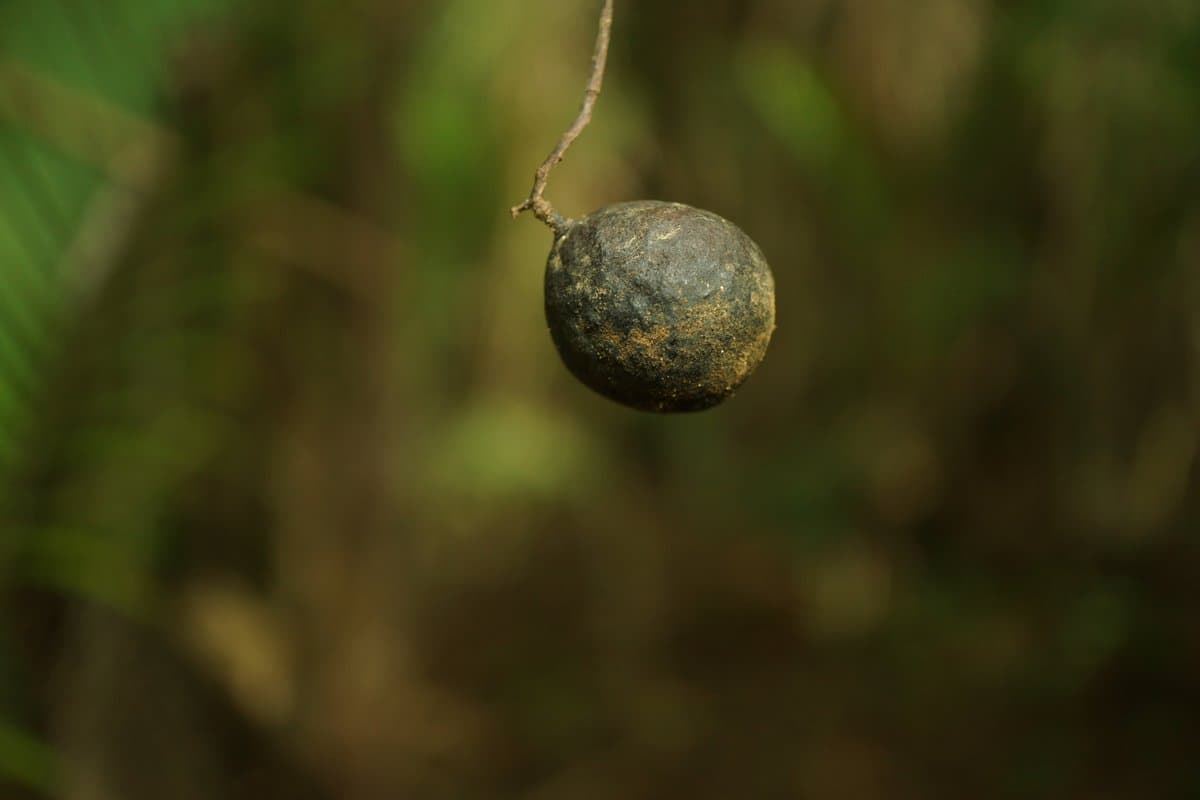
View source ↗Leaves
📷 (c) capepolly, some rights reserved (CC BY-NC)(CC BY-NC)
View source ↗Photos sourced from iNaturalist's community science database. Browse all observations →↗
Taxonomy & Classification
Geographic Distribution
Geographic Distribution
Where to Find Amarillón in Costa Rica
Primary Habitats:
Elevation: Sea level to ~1,200 m
Habitat & Ecology
Ecological Role
Amarillón plays crucial roles in rainforest ecosystems:
Wildlife Associations
Animals associated with Amarillón:
Amarillón is one of the most successful reforestation species in Central America. Its fast growth (for a hardwood), adaptability, and valuable timber make it ideal for sustainable forestry plantations.
Botanical Description
Wood Properties
Appearance
The name "Amarillón" means "big yellow" in Spanish, perfectly describing its beautiful golden-yellow heartwood. This distinctive color, combined with excellent durability, makes it highly valued in construction.
Physical Properties
Uses & Applications
Amarillón's combination of strength, durability, and workability makes it one of the most versatile timbers in Central America. From structural beams to fine flooring, it performs excellently in diverse applications.
Conservation & Sustainable Use
Conservation Status
Unlike many valuable timber species, Amarillón remains relatively secure:
Growing Amarillón
Where to See Amarillón Trees
Best Locations in Costa Rica
Protected Areas:
Tips:
External Resources
Community observations, photos, and distribution data
Global observations
Detailed silvicultural information
CABI
Global biodiversity occurrence data and distribution maps
Conservation status and species assessment
References
📚 Scientific References & Further Reading
Flores, E.M. (1994). Terminalia amazonia. Trees and Seeds from the Neotropics, Vol. 4, No. 1
CATIE (2003). Árboles de Centroamérica: un manual para extensionistas. Centro Agronómico Tropical de Investigación y Enseñanza
The Amarillón (Terminalia amazonia) represents hope for sustainable tropical forestry. As one of the few valuable timber species that grows fast enough for plantation cultivation while maintaining excellent wood quality, it offers a path toward meeting wood demand while preserving natural forests.
🌳 ¡Pura Vida!
Safety Information Disclaimer
Safety information is provided for educational purposes only. Individual reactions may vary significantly based on age, health status, amount of exposure, and individual sensitivity. Always supervise children around plants. Consult a medical professional or certified arborist for specific concerns. The Costa Rica Tree Atlas is not liable for injuries or damages resulting from interaction with trees described in this guide.
• Always supervise children around plants
• Consult medical professional if unsure
• Seek immediate medical attention if poisoning occurs
Information compiled from authoritative toxicology sources, scientific literature, and medical case reports.
Help improve this page
Know something about this tree? Share local knowledge, suggest a correction, or submit a photo to improve this guide for everyone.