Cedro María
Calophyllum brasiliense
Quick facts
Native Region
Central and South America
Max Height
30-45 meters
Family
Calophyllaceae
Conservation
LC — Least Concern
Uses
Safety Information
Toxicity Details
Low toxicity overall. Tree produces yellow latex/resin that can be irritating but is not dangerously toxic if ingested in small amounts. Calophyllum species contain coumarins and other compounds that have medicinal properties but also potential for irritation. Fruit is not edible. Overall not a major toxicity concern for humans.
Skin Contact Risks
MODERATE SKIN IRRITATION RISK: Yellow sap/resin can cause contact dermatitis and skin irritation in sensitive individuals. Some people develop allergic reactions to the latex. Avoid prolonged contact with sap. Wash skin thoroughly if contact occurs. Wear gloves when handling fresh-cut wood or damaged bark.
Allergenic Properties
Low allergen risk overall but wood dust may cause respiratory irritation in some individuals when sawing or sanding. Not a major pollen allergen.
Wildlife & Pet Risks
Safe for wildlife. Fruits are eaten by bats and birds. Not known to be toxic to pets or livestock, though sap may cause mild irritation if consumed.
Season
Flowering
Mar-Jun
Fruiting
Jul-Oct
How to identify
Cedro María
Cedro María (Calophyllum brasiliense) is Costa Rica's master of wet soils, thriving in swamps and flooded forests where other timber trees cannot survive. Its beautiful reddish wood and ecological importance make it a treasure of the Caribbean lowlands.
Quick Reference
iNaturalist Observations
Community-powered species data
📸 Photo Gallery
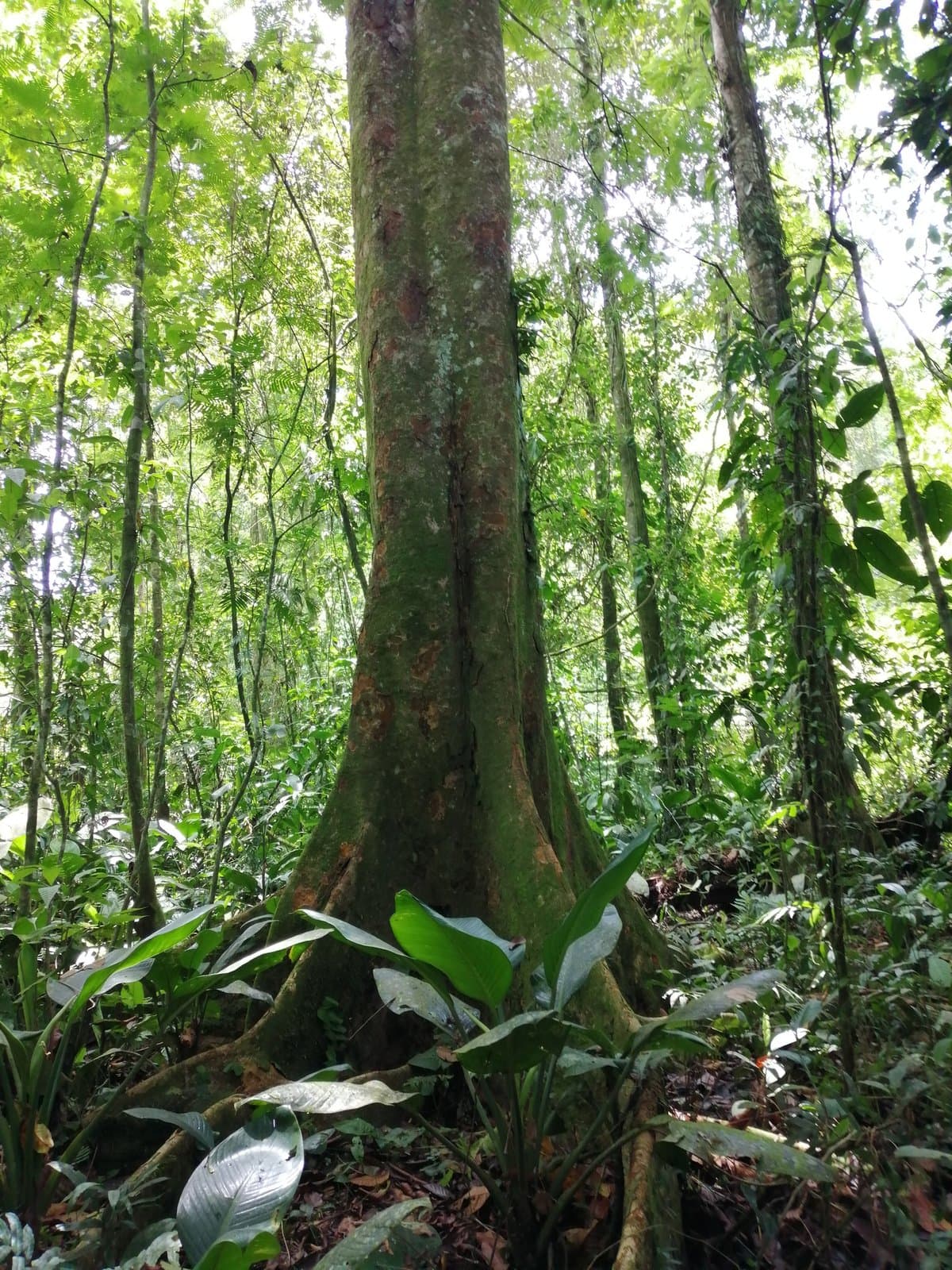
Whole tree
📷 (c) Pedro Blanco, some rights reserved (CC BY-NC)(CC BY-NC)
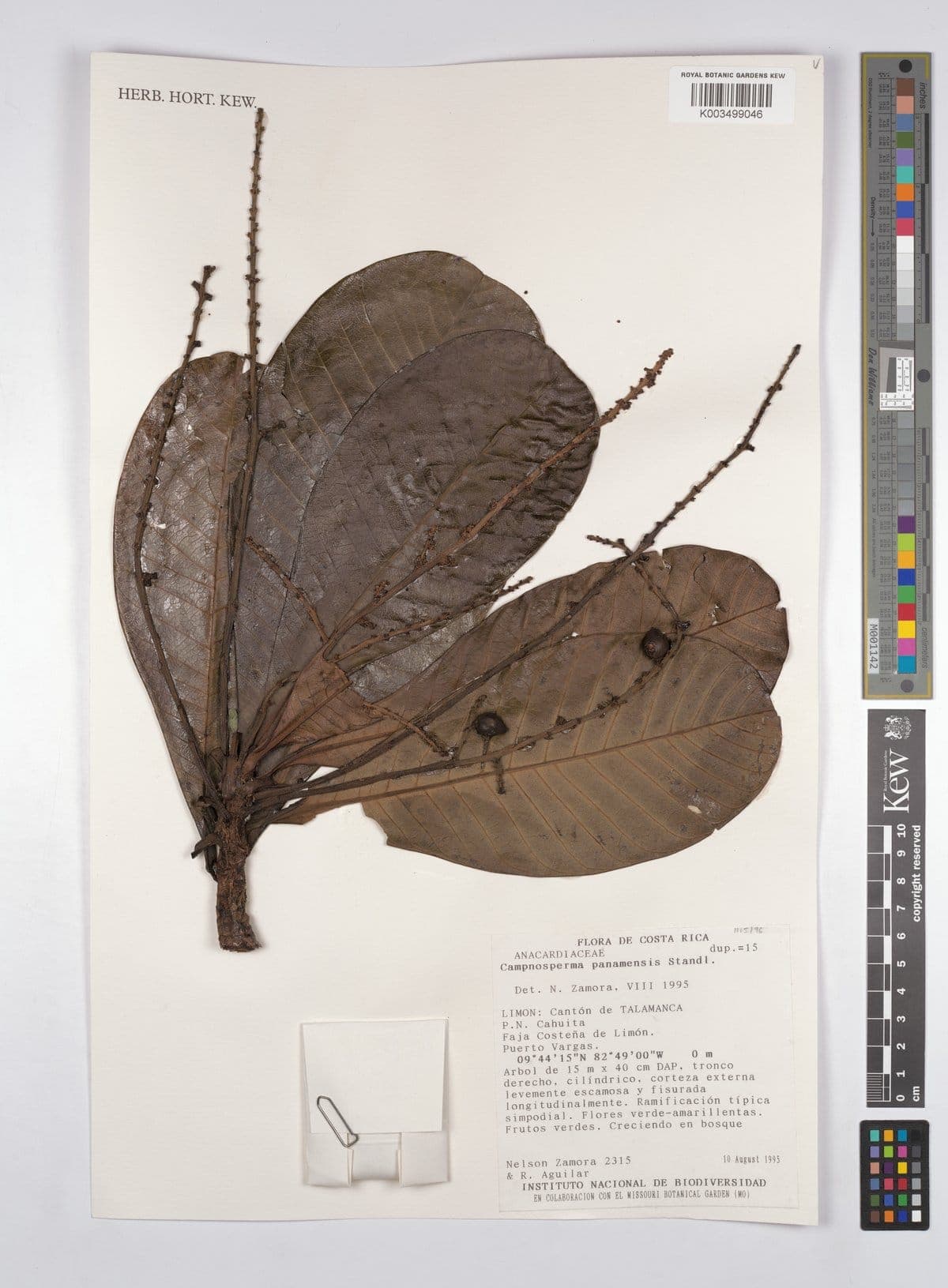
View source ↗Leaves
📷 (c) Pedro Blanco, some rights reserved (CC BY-NC)(CC BY-NC)
View source ↗Whole tree
📷 (c) Jeffry Torres, some rights reserved (CC BY-NC)(CC BY-NC)
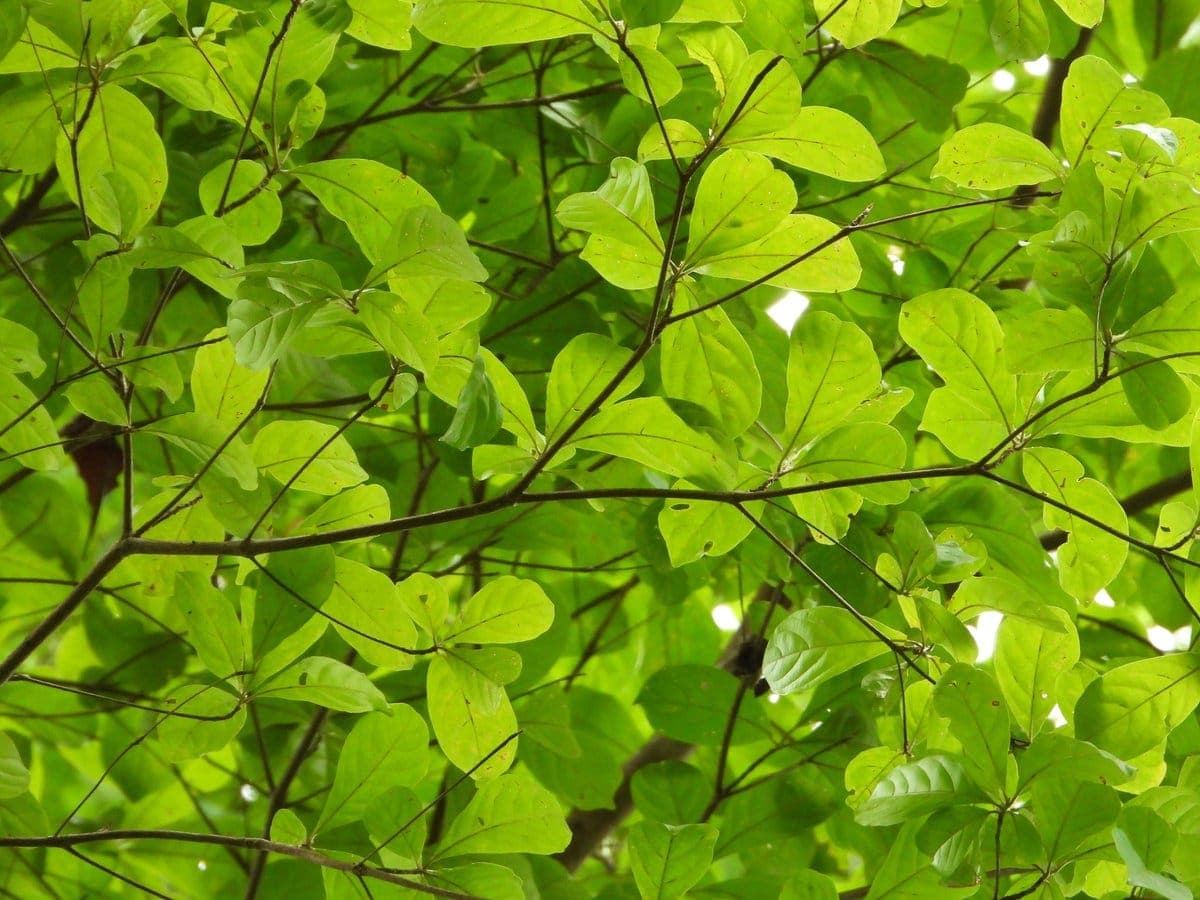
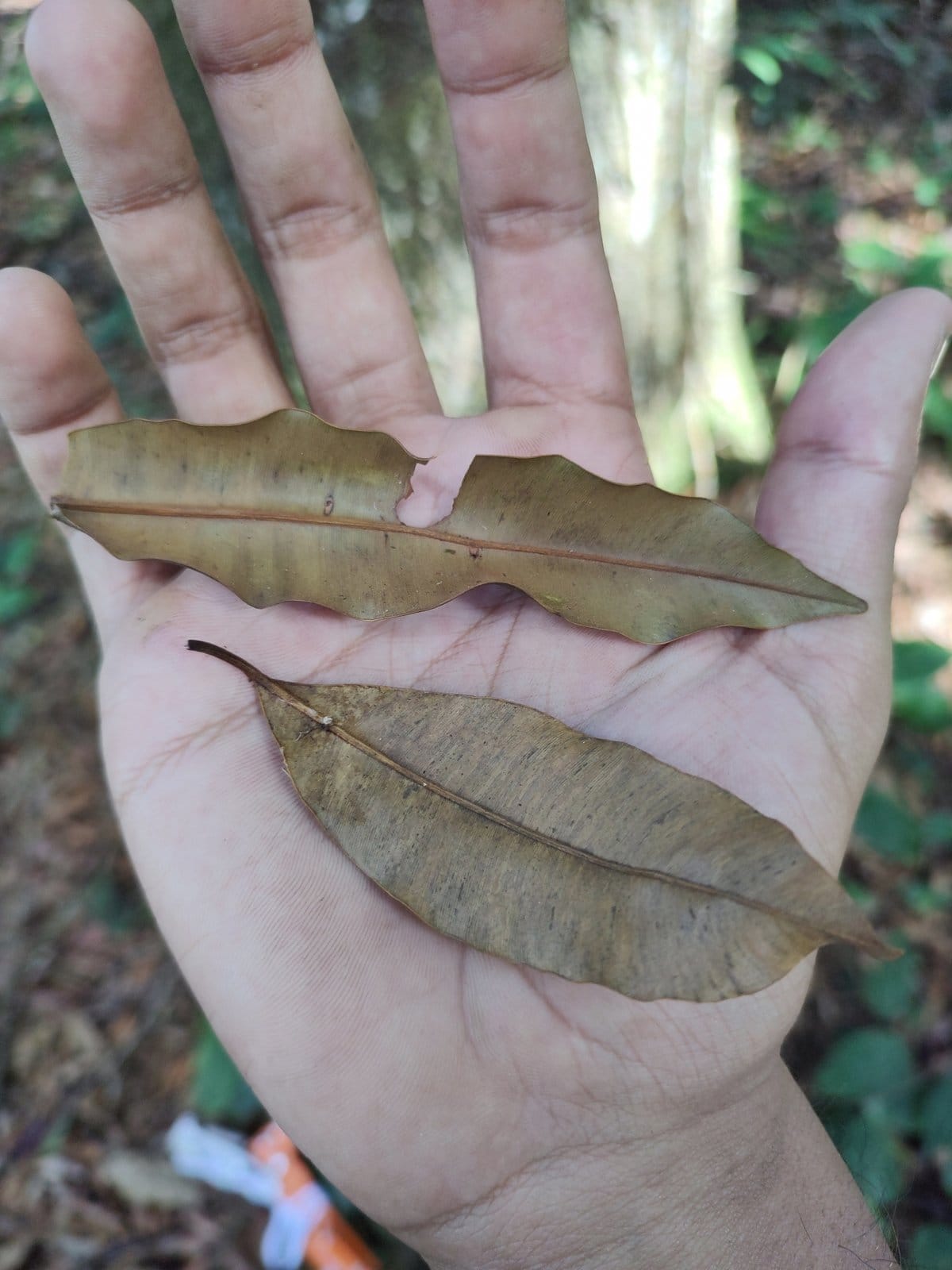
View source ↗Leaves
📷 (c) Pedro Blanco, some rights reserved (CC BY-NC)(CC BY-NC)
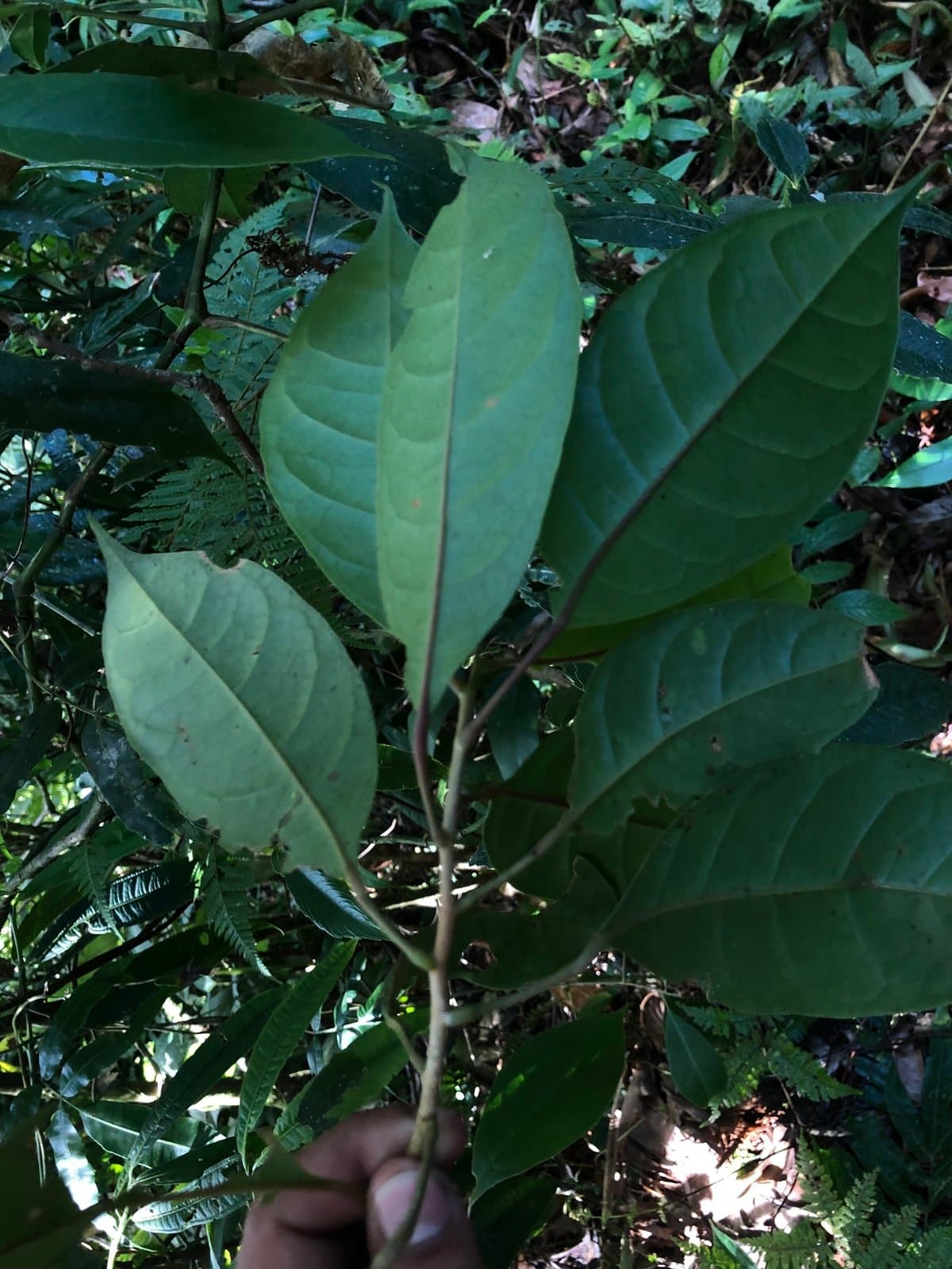
View source ↗Whole tree
📷 (c) Randall Jiménez, some rights reserved (CC BY-NC)(CC BY-NC)
View source ↗Photos sourced from iNaturalist's citizen science database. View all observations →↗
Taxonomy & Classification
Geographic Distribution
Geographic Distribution
Where to Find Cedro María in Costa Rica
Primary Distribution:
Elevation: Sea level to ~1,200 m
Habitat & Ecology
Wetland Specialist
Cedro María's ecological niche:
Wildlife Value
Ecological importance:
Cedro María is one of few timber trees that actually prefers flooded soils. It dominates swamp forests and riparian areas, providing essential habitat in ecosystems too wet for other trees. It's a keystone species of Costa Rica's tropical wetlands.
Botanical Description
Wood Properties
Appearance
Physical Properties
Cedro María wood is prized for its beautiful reddish color, good durability, and workability. The interlocked grain creates attractive striped figure when quarter-sawn.
Uses
Conservation Status
Conservation Status: Stable
Population generally healthy:
While globally secure, Cedro María faces localized threats from wetland drainage and selective logging of large trees. Its specialized habitat makes protection of wetland forests essential.
Growing Cedro María
Similar Species
Where to See Cedro María
Best Locations in Costa Rica
Protected Areas:
Identification Tips:
External Resources
Community observations, photos, and distribution data
Global observations
Detailed wood properties and identification
Wood Database
Global biodiversity occurrence data and distribution maps
Conservation status and species assessment
References
📚 Scientific References & Further Reading
Record, S.J. & Hess, R.W. (1943). Timbers of the New World. Yale University Press
Jiménez, Q. et al. (2002). Árboles maderables en peligro de extinción en Costa Rica. INBio
Calophyllum brasiliense is that rare combination — a beautiful timber tree that grows where no others can. In Costa Rica's swamp forests and flooded lowlands, Cedro María stands as a sentinel, its buttressed trunk anchored in waterlogged soils, providing habitat for wetland wildlife while producing some of the most attractive wood in the neotropics. Protecting this species means protecting the wetlands themselves.
🌳 ¡Pura Vida!
Safety Information Disclaimer
Safety information is provided for educational purposes only. Individual reactions may vary significantly based on age, health status, amount of exposure, and individual sensitivity. Always supervise children around plants. Consult a medical professional or certified arborist for specific concerns. The Costa Rica Tree Atlas is not liable for injuries or damages resulting from interaction with trees described in this guide.
• Always supervise children around plants
• Consult medical professional if unsure
• Seek immediate medical attention if poisoning occurs
Information compiled from authoritative toxicology sources, scientific literature, and medical case reports.
Help improve this page
Know something about this tree? Share local knowledge, suggest a correction, or submit a photo to improve this guide for everyone.