Surá
Terminalia oblonga
Quick facts
Native Region
Central and South America
Max Height
40-50 meters
Family
Combretaceae
Conservation
LC — Least Concern
Uses
Safety Information
Toxicity Details
Surá is non-toxic. The tree poses no ingestion hazards to humans or animals. Fruits are eaten by wildlife safely. No toxic compounds documented in leaves, bark, or wood.
Skin Contact Risks
No skin irritation from handling bark, leaves, or wood.
Allergenic Properties
LOW allergen risk. Wood dust during sawing/sanding may cause respiratory irritation in sensitive individuals (common with hardwoods). Use dust mask when working with timber.
Structural Hazards
As a massive emergent tree (40-50m tall), Surá has large buttress roots that can extend several meters from the trunk and cause damage to structures. The tree is too large for residential settings. Heavy branches can cause significant damage when falling. This is a tree for forest preservation, not urban or suburban planting.
Wildlife & Pet Risks
Safe for all animals. Provides habitat and food for canopy wildlife.
Season
Flowering
Mar-May
Fruiting
Jun-Aug
How to identify
Surá
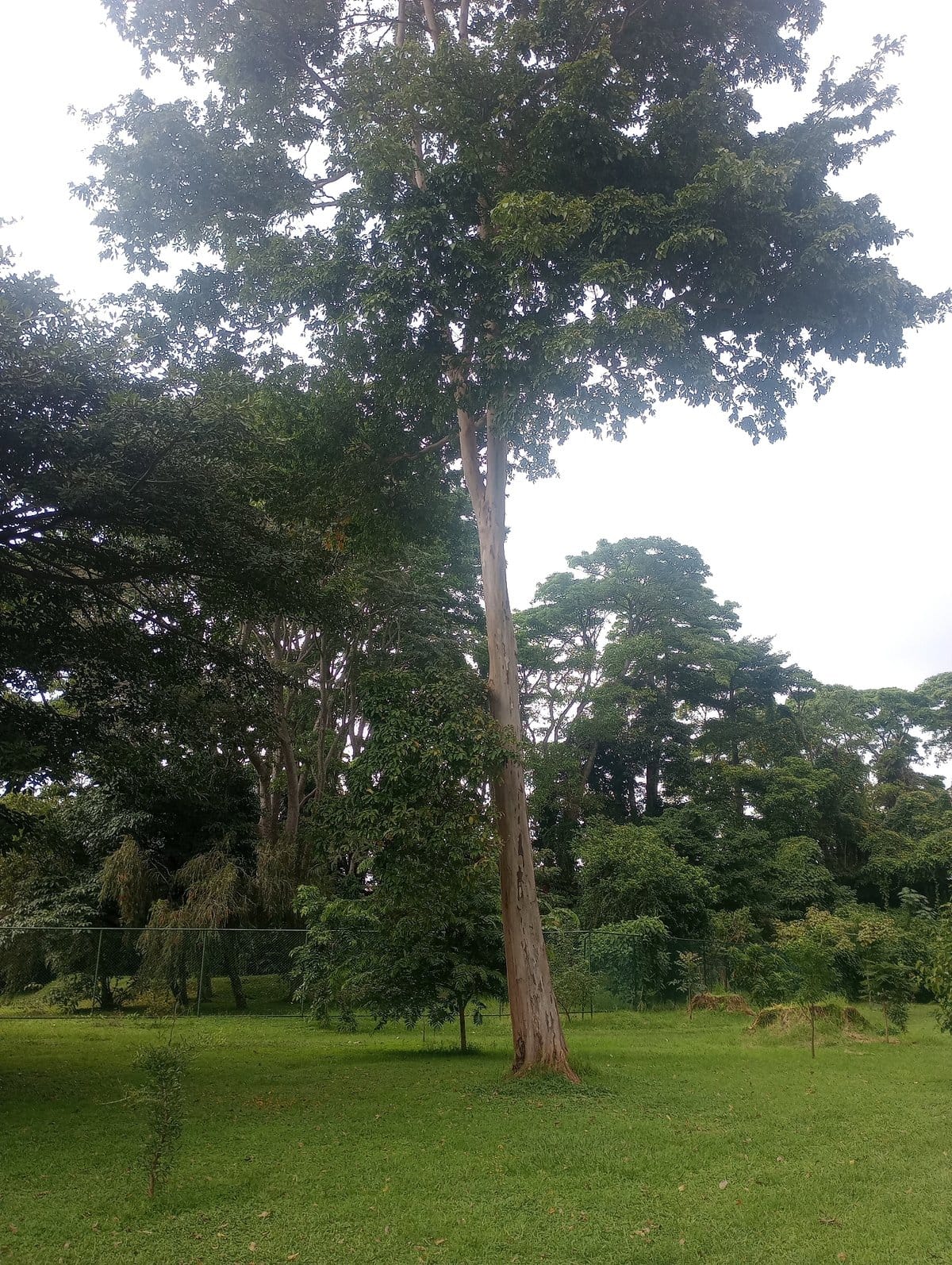
Surá (Terminalia oblonga) is one of Costa Rica's most impressive rainforest trees—a true emergent giant that towers above the main canopy on massive buttressed roots. This tree produces some of the finest construction timber in the Neotropics, comparable to teak in durability and workability. Unfortunately, this very quality has made Surá a target for intensive logging, and large specimens are increasingly rare outside protected areas. Understanding and protecting this magnificent species is essential for maintaining both forest ecosystems and sustainable forestry options for the future.
Quick Reference
iNaturalist Observations
Community-powered species data
📸 Photo Gallery
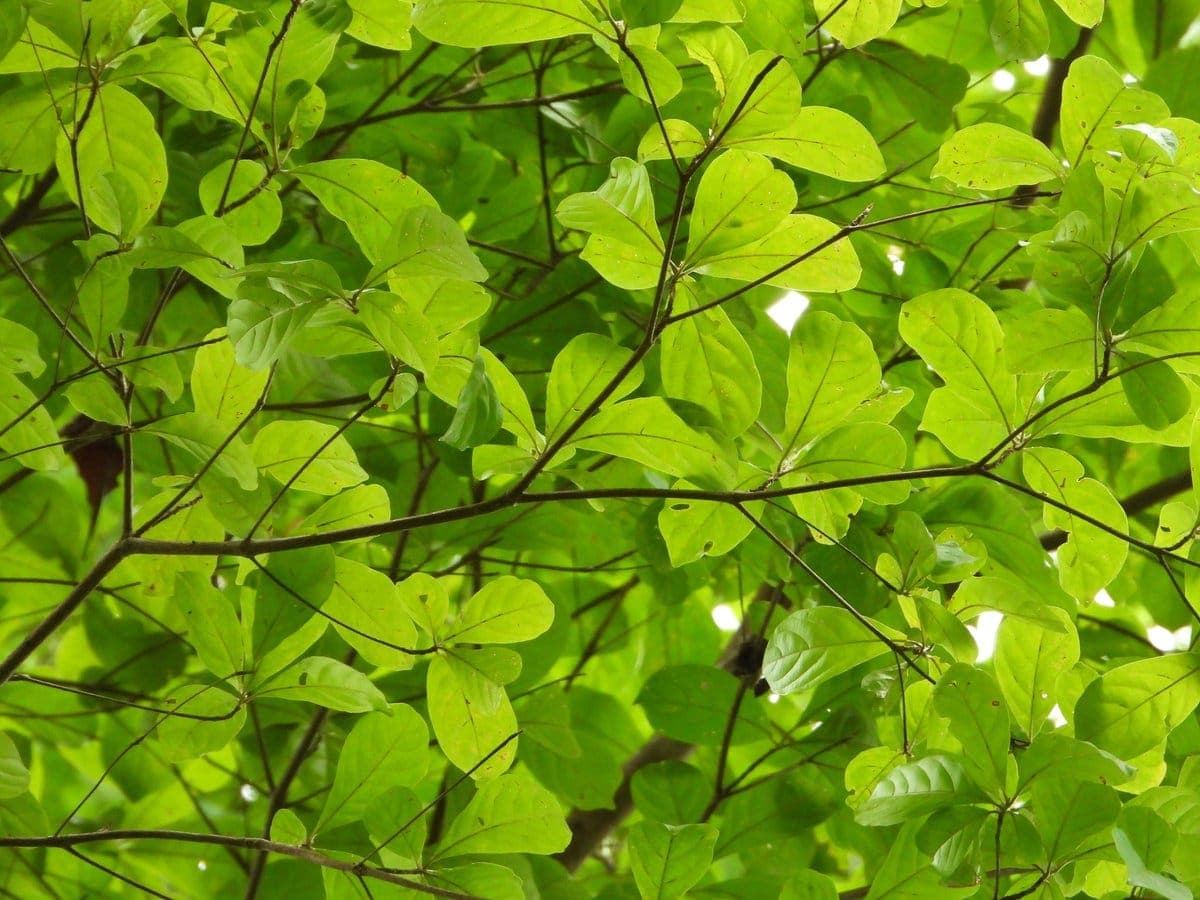
Whole tree
📷 (c) Daniel Arias-Cruzatty, some rights reserved (CC BY-NC)(CC BY-NC)
View source ↗Leaves
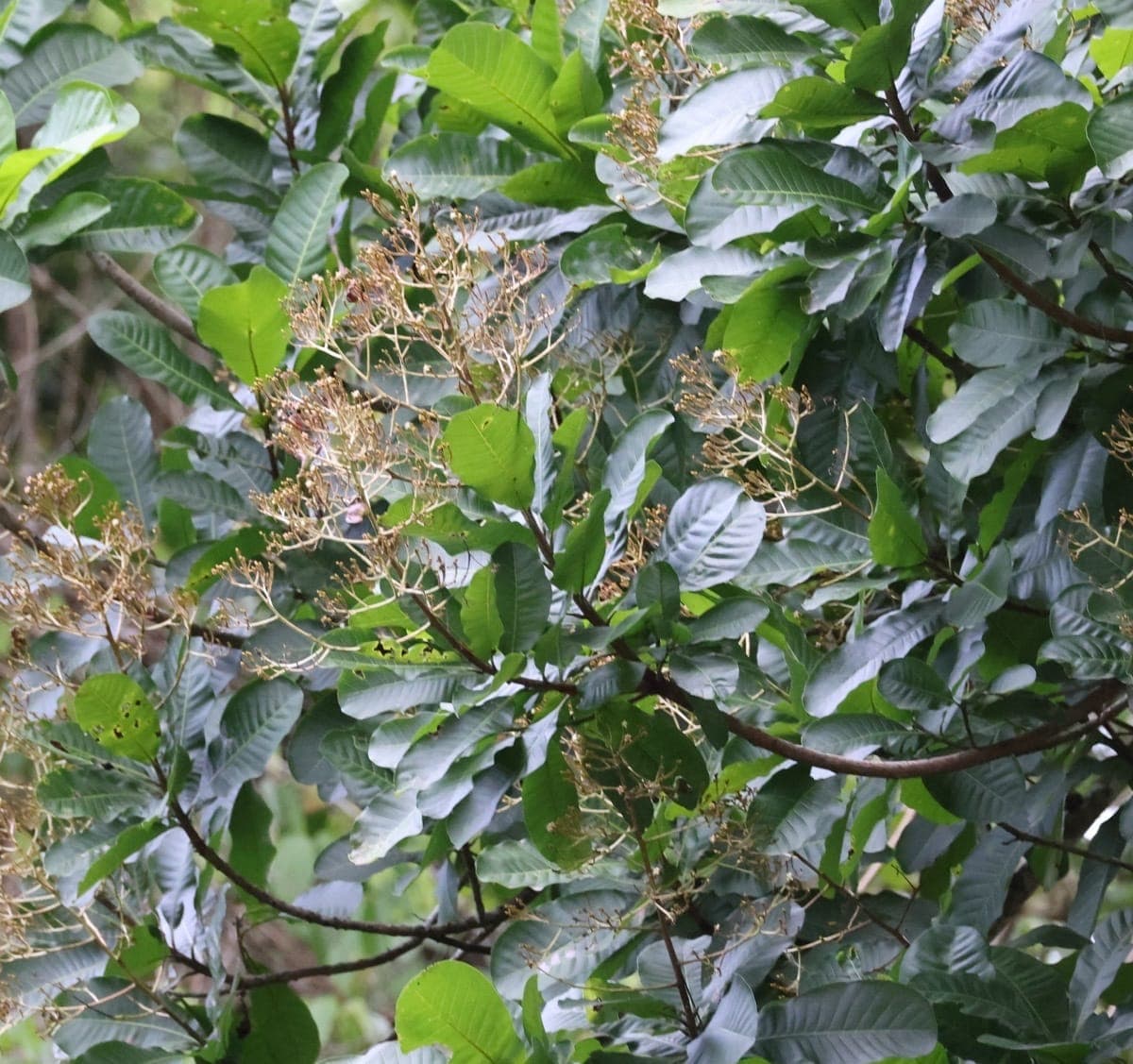
📷 (c) Daniel Arias-Cruzatty, some rights reserved (CC BY-NC)(CC BY-NC)
View source ↗Whole tree
📷 (c) Miguel David Artavia Solís, some rights reserved (CC BY-NC)(CC BY-NC)
View source ↗Leaves
📷 (c) Miguel David Artavia Solís, some rights reserved (CC BY-NC)(CC BY-NC)
View source ↗Whole tree
📷 (c) Fabrício Mil Homens Riella, some rights reserved (CC BY)(CC BY)
View source ↗Photos sourced from the iNaturalist citizen science database. View all observations →↗
Taxonomy and Classification
- Terminalia: Latin "terminalis" - leaves clustered at branch tips - oblonga: Latin for "oblong" - leaf shape - The genus includes ~200 species worldwide, many valued for timber - Famous relatives include Indian Almond (T. catappa) and African Terminalia
Common Names
Related Species in Costa Rica
Physical Description
Overall Form
Surá is a massive emergent tree that towers above the surrounding canopy. It's characterized by its impressive buttressed trunk, straight cylindrical bole, and spreading crown that emerges into full sunlight. Mature trees are true forest giants, visible from great distances.
Identifying Features
The Buttresses
- Form: Plank buttresses, thick and spreading
- Height: Up to 3-5 meters
- Spread: Extending 2-4 m from trunk
- Function: Structural support
- Surface: Smooth to slightly fissured
- Diagnostic: Key identification feature
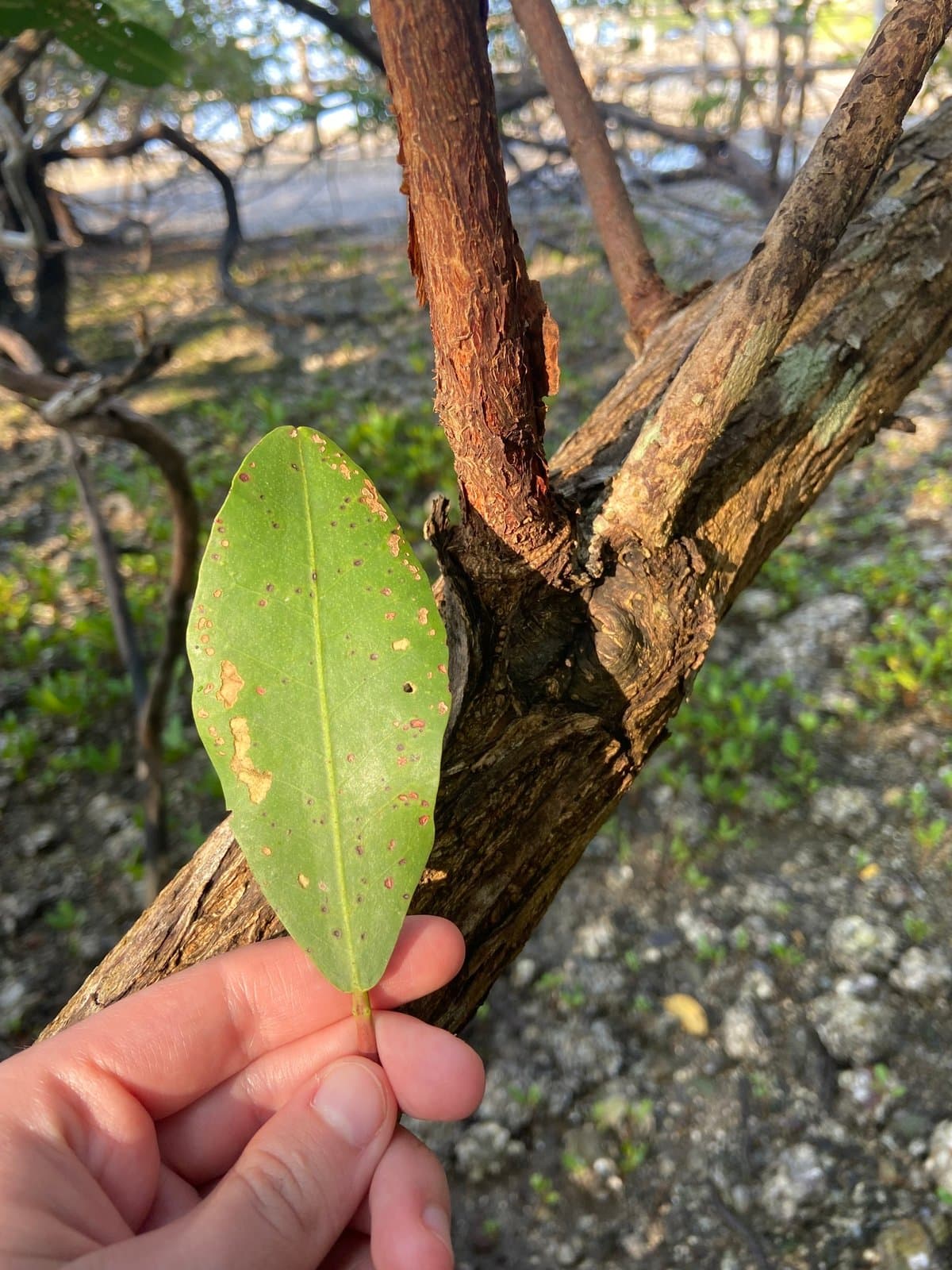
Bark
- Color: Gray-brown to dark brown
- Texture: Fissured, becoming scaly with age
- Thickness: Relatively thick
- Inner bark: Pinkish to reddish
Leaves
- Arrangement: Clustered at branch tips (terminal)
- Shape: Oblong to elliptic
- Size: 8-18 cm long
- Margin: Entire
- Texture: Leathery
- Color: Dark green above, paler below
- Glands: Often with glands on petiole
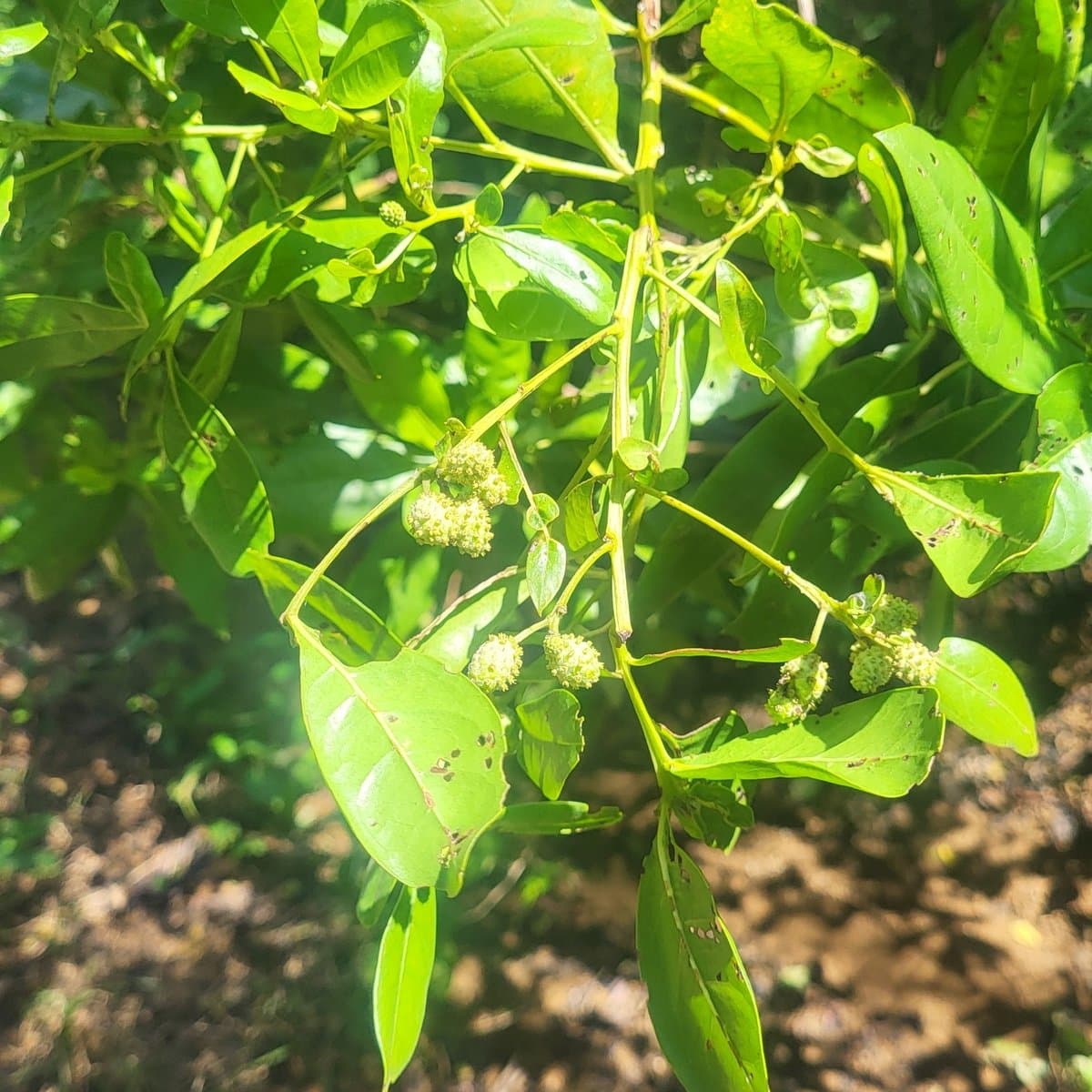
Flowers and Fruit
- Flowers: Small, greenish-white, in spikes
- Flowering: Early rainy season
- Fruit: Winged samara, 2-3 cm
- Seeds: Single seed per fruit
- Dispersal: Wind
The genus name Terminalia refers to the distinctive leaf arrangement where leaves cluster at the ends (termini) of branches: Looking for Terminalia: - Branches have bare sections - Leaves bunch at the tips - Creates distinctive "bottlebrush" pattern - Visible even from below Combined with the massive buttresses, this makes Surá identifiable even among other rainforest giants!
Distribution and Habitat
Global Distribution
Geographic Distribution
Distribution in Costa Rica
Habitat Preferences
Ecological Role
Forest Giant Functions
Canopy Architecture
- Emergent status: Extends above main canopy
- Light capture: Accesses full sunlight
- Rain interception: Influences local hydrology
- Wind protection: Shelters understory
- Microclimate creation: Shaded zones below
Wildlife Habitat
- Cavity nesting: Large branches host cavities
- Epiphyte support: Bark hosts orchids, bromeliads
- Seed dispersal: Wind-dispersed, also eaten by some birds
- Perching: Large branches for raptors
- Frugivore feeding: Seeds attract some wildlife
The massive buttresses of Surá serve multiple functions: Structural Support: - Distribute weight on shallow tropical soils - Resist wind throw in storms - Anchor the tall trunk Nutrient Capture: - Large surface area catches leaf litter - Creates nutrient-rich pockets - Supports specialized root growth Habitat Creation: - Cavities between buttresses shelter animals - Collect water in wet season - Hide small mammals and amphibians Buttresses are a characteristic adaptation of tropical rainforest giants to shallow, nutrient-poor soils!
Timber: The Prize and the Peril
Wood Properties
Premium Neotropical Hardwood
Surá wood is considered among the finest construction timbers in Central America: Physical Properties: - Density: 0.55-0.70 g/cm³ (moderate to heavy) - Grain: Straight to interlocked - Texture: Medium to fine - Color: Yellowish-brown heartwood - Sapwood: Paler, clearly distinct Working Qualities: - Excellent workability - Takes finishes well - Good nail/screw holding - Machines smoothly - Moderate drying difficulty Durability: - Naturally resistant to decay - Resistant to termites - Good ground contact performance - Long service life
Traditional and Modern Uses
Surá's excellent timber properties have been its undoing: Historical Logging Pressure: - One of the most sought-after species - Systematically targeted for decades - Large trees increasingly rare - Regeneration insufficient to replace harvest Current Status: - Least Concern globally on IUCN Red List
- Costa Rican populations regionally pressured by logging - Large specimens mostly in protected areas - Plantation interest growing - Need for sustainable management Conservation Need: - Protect remaining wild populations - Establish seed collection programs - Develop plantation systems - Enforce harvest regulations
Conservation Status
Threats
Primary Threats
- Overexploitation: Decades of selective logging
- Habitat loss: Deforestation for agriculture
- Fragmentation: Isolated populations
- Slow regeneration: Long time to maturity
- Illegal logging: Continues despite regulations
Contributing Factors
- High timber value creates pressure
- Large size makes trees conspicuous
- Lowland habitat heavily developed
- Enforcement challenging in remote areas
- Limited plantation establishment
Conservation Efforts
Cultivation
Growing Surá
Identification Guide
How to Identify Surá
Where to See Surá in Costa Rica
Surá is increasingly difficult to find outside protected areas: Where to Look: - Primary lowland rainforest - Caribbean and southern Pacific slopes - Protected areas and reserves - Remote forest areas Identification Tips: - Look for massive buttressed trunks - Trees tower above surrounding canopy - Often with epiphyte-covered branches - Terminal leaf clustering visible Best Time: - Year-round (evergreen) - Fruiting: Late dry to early wet season Consider visiting La Selva or similar research stations where large Surá specimens are protected and accessible.
The Future of Surá
Surá embodies the challenge of tropical forest conservation: The Dilemma:
- Exceptional timber quality creates demand - Long growth time limits sustainable harvest - Wild populations depleted by past logging - Plantation forestry not yet widespread Paths Forward: 1. Strict protection of remaining populations 2. Plantation development for future timber needs 3. Selective harvest with long rotations 4. Market incentives for certified sustainable sources 5. Research into faster growth methods Hope: - Species is resilient if given protection - Interest in plantation forestry growing - Value could drive conservation investment - Genetic resources still available Surá can have a future as both a wild rainforest giant and a plantation crop—but only with deliberate conservation effort.
External Resources
Community observations and photos
Conservation status assessment
Wood properties information
Global biodiversity occurrence data and distribution maps
References
📚 Scientific References & Further Reading
CITES (2023). Terminalia species trade and conservation. Convention on International Trade
Chazdon, R.L. (2014). Second Growth: The Promise of Tropical Forest Regeneration. University of Chicago Press
Holdridge, L.R. & Poveda, L.J. (1975). Árboles de Costa Rica Vol. 1. Centro Científico Tropical
Standing at the base of a mature Surá, neck craned upward, you feel what "rainforest giant" truly means. The massive buttresses spread around you like the roots of some ancient temple, their smooth gray surfaces rising meters above your head before merging into a trunk that climbs straight and true toward the distant canopy. Far above, the crown bursts into sunlight that the forest floor will never see, catching the trade winds that carry its winged seeds across the lowland forests. This single tree has stood perhaps for centuries, weathering storms, sequestering carbon, and supporting an invisible ecosystem of epiphytes, insects, and vertebrates in its branches. It's a cathedral column in the green church of the rainforest—and like the old-growth forests of other continents, it's becoming rare. The same qualities that make Surá magnificent—its size, its durability, its straight strong wood—have made it a target. Protecting the remaining giants while developing sustainable alternatives is one of the key challenges of tropical forestry. When you see a Surá standing proud in a protected reserve, you're seeing both a survivor and a seed bank for the future.
Safety Information Disclaimer
Safety information is provided for educational purposes only. Individual reactions may vary significantly based on age, health status, amount of exposure, and individual sensitivity. Always supervise children around plants. Consult a medical professional or certified arborist for specific concerns. The Costa Rica Tree Atlas is not liable for injuries or damages resulting from interaction with trees described in this guide.
• Always supervise children around plants
• Consult medical professional if unsure
• Seek immediate medical attention if poisoning occurs
Information compiled from authoritative toxicology sources, scientific literature, and medical case reports.
Help improve this page
Know something about this tree? Share local knowledge, suggest a correction, or submit a photo to improve this guide for everyone.