Guaba
Inga edulis
Quick facts
Native Region
Tropical Americas
Max Height
15-30 meters
Family
Fabaceae
Conservation
LC — Least Concern
Uses
Safety Information
Toxicity Details
Guaba is completely safe and non-toxic. The sweet cotton-like pulp surrounding the seeds is edible and widely consumed by children and adults throughout tropical America. Seeds themselves are typically not eaten (hard and unpalatable), but pose no toxicity risk if accidentally swallowed.
Skin Contact Risks
No skin irritation. Handling tree, leaves, bark, and fruit is completely safe.
Wildlife & Pet Risks
Completely safe for all domestic animals including dogs, cats, horses, and livestock. The sweet fruit pulp is enjoyed by many bird species, monkeys, and other wildlife.
Season
Flowering
Mar-May
Fruiting
Jun-Sep
How to identify
Guaba (Ice Cream Bean)
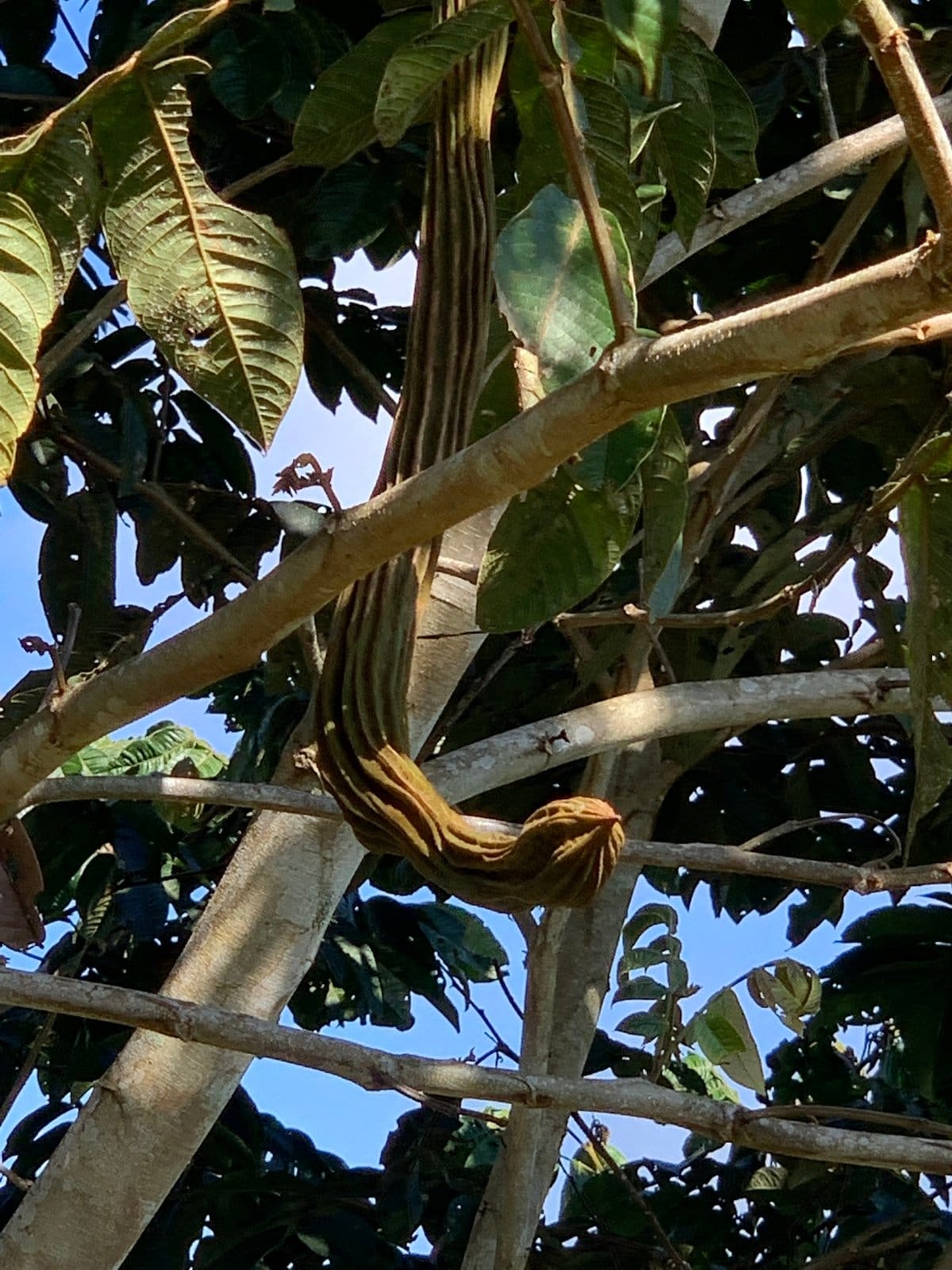
The Guaba or Ice Cream Bean (Inga edulis) is a tropical treasure—a tree that gives generously in every way. Its long, twisted pods contain sweet, cotton-like pulp that children throughout Latin America have enjoyed for millennia. But the Guaba's gifts go far deeper: as a legume, it captures nitrogen from the air and deposits it in the soil, enriching farmland with every fallen leaf. This combination of delicious fruit and ecological service has made it one of the most important trees in tropical agroforestry, providing shade for coffee and cacao plantations while improving soil fertility for free. In Costa Rica, the Guaba is as common in backyards as in the forest, beloved by all ages.
Quick Reference
iNaturalist Observations
Community-powered species data
📸 Photo Gallery
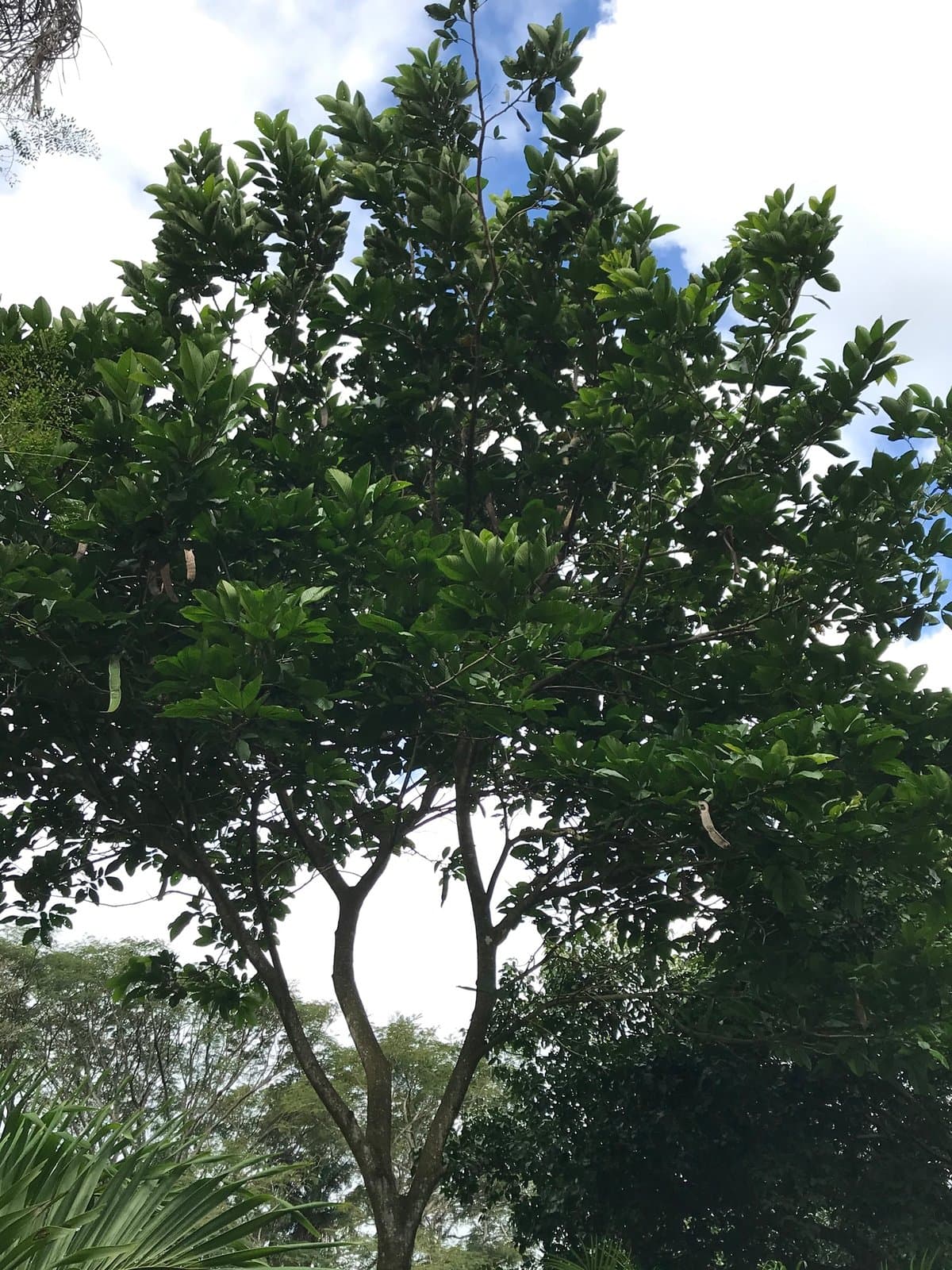
Whole tree
📷 (c) Ilona Da Cruz Gerngross, some rights reserved (CC BY-NC)(CC BY-NC)
View source ↗Leaves
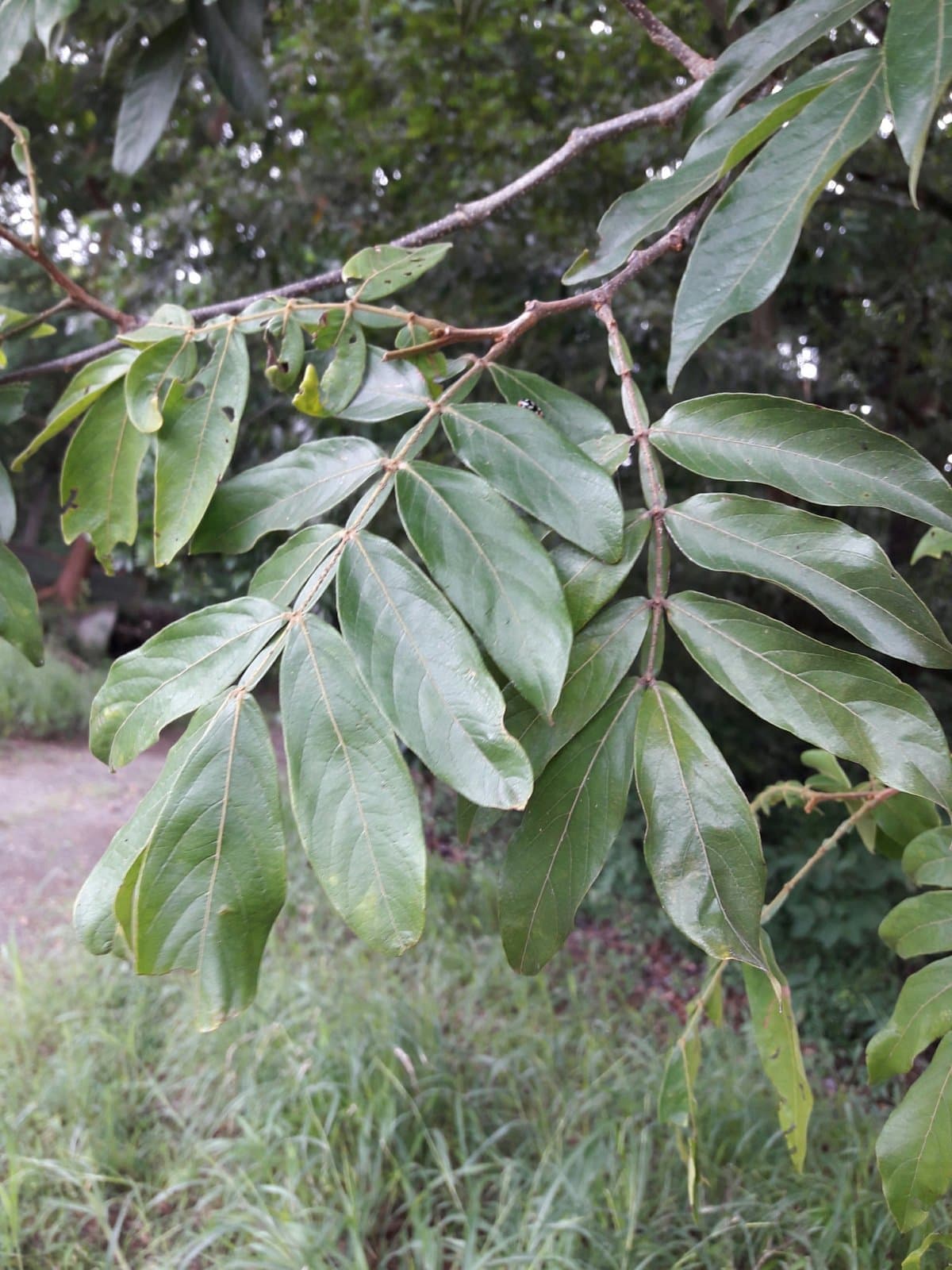
📷 (c) Ilona Da Cruz Gerngross, some rights reserved (CC BY-NC)(CC BY-NC)
View source ↗Whole tree
📷 (c) hammockbythebeach, some rights reserved (CC BY-NC)(CC BY-NC)
View source ↗Leaves
📷 (c) hammockbythebeach, some rights reserved (CC BY-NC)(CC BY-NC)
View source ↗Whole tree
📷 (c) jncwhitten, some rights reserved (CC BY-NC)(CC BY-NC)
View source ↗Photos sourced from iNaturalist community science database. View all observations →↗
Taxonomy and Classification
- Inga: From the Tupi indigenous name for these trees - edulis: Latin for "edible" - Guaba/Guama: Indigenous Mesoamerican names - Ice Cream Bean: English name for the sweet, fluffy pulp
Common Names
The Inga Genus
One of Many Relatives
Inga is a large genus with over 300 species in the American tropics: - Many species produce edible fruit - All are nitrogen-fixers - Many used in agroforestry - Identification between species can be difficult In Costa Rica, several Inga species are called "guaba" or "cuajiniquil." Inga edulis is the most widely cultivated for its exceptional fruit.
Physical Description
Overall Form
The Guaba is a medium-sized, fast-growing evergreen tree with a broad, spreading crown. It develops a short trunk that often branches low, creating a wide, umbrella-like canopy ideal for shade. The tree is remarkably adaptable, growing in a wide range of soils and conditions.
Distinctive Features
Leaves
- Type: Pinnately compound
- Leaflets: 4-6 pairs, large
- Size: Leaflets 8-15 cm each
- Feature: Winged rachis (distinctive!)
- Color: Bright to dark green
- Texture: Slightly hairy
Bark
- Color: Gray to brown
- Texture: Smooth to slightly rough
- Pattern: Lenticels visible
- Feature: Thin, not deeply furrowed
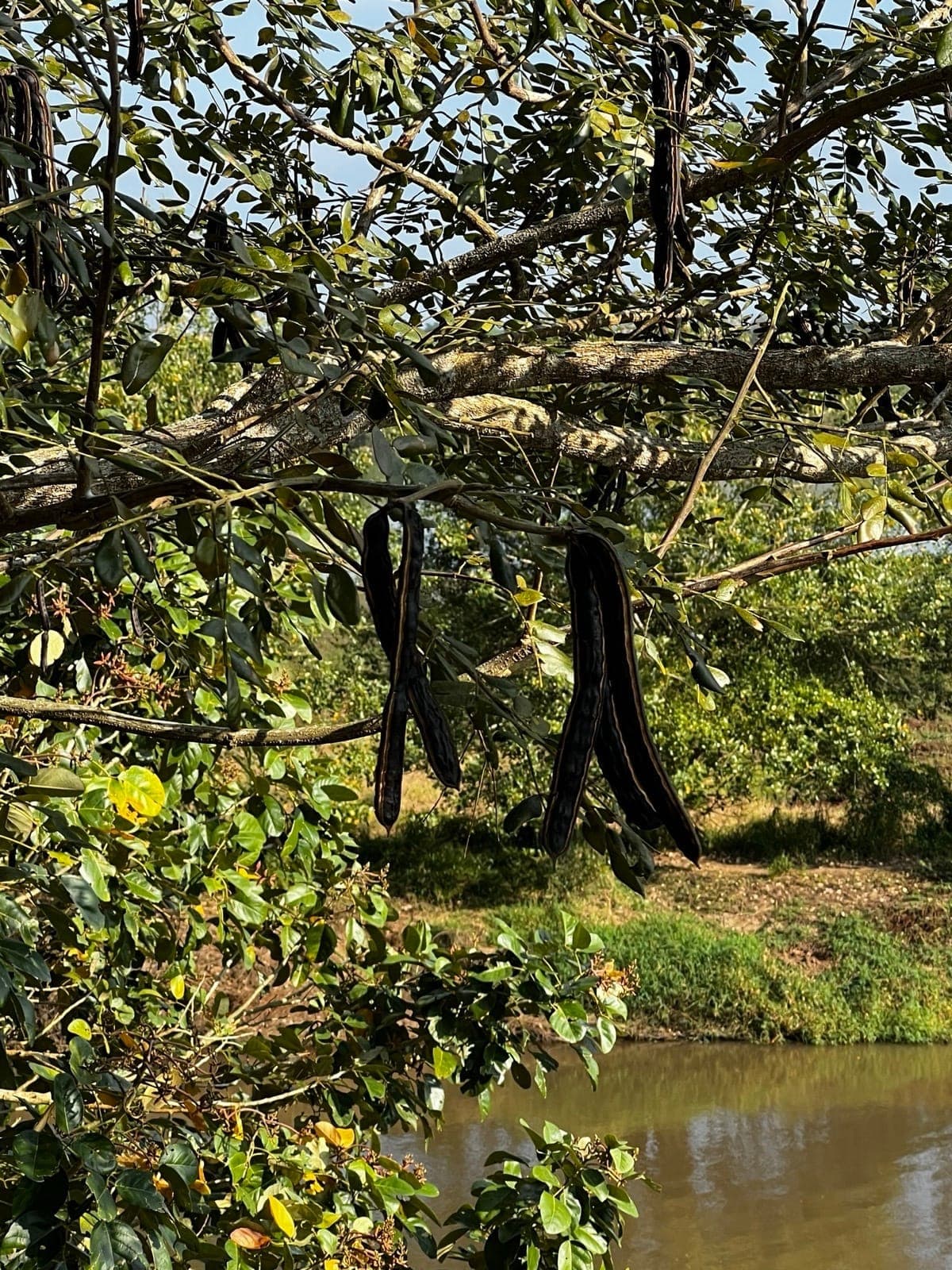
The Famous Pods
- Shape: Long, cylindrical, twisted
- Length: 30-100 cm (sometimes longer!)
- Width: 3-4 cm diameter
- Color: Green, turning dark when ripe
- Interior: Black seeds in white pulp
- Pulp: Sweet, cotton-like texture
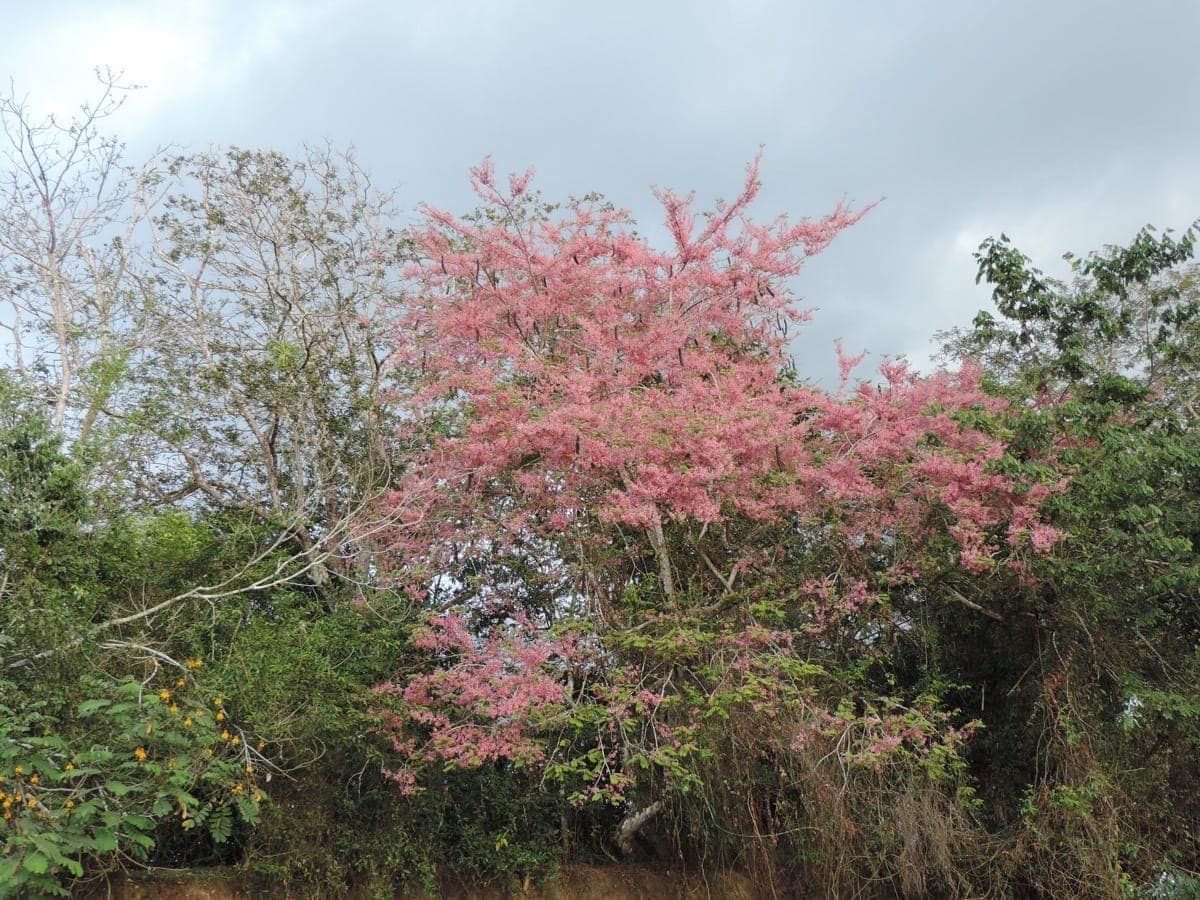
Flowers
- Type: Brush-like (mimosoid)
- Color: White to greenish
- Size: Showy clusters
- Stamens: Many, long, conspicuous
- Fragrance: Sweet, attracts pollinators
- Nectar: Abundant (hummingbirds!)
The name "Ice Cream Bean" perfectly describes the eating experience: The Pulp: - Surrounds each large, black seed - Pure white and cotton-like - Sweet, vanilla-like flavor - Texture similar to cotton candy - Melts in your mouth How to Eat: - Twist and open the pod - Pull out seeds with pulp attached - Suck the pulp off each seed - Discard the seeds It's a perfect natural snack—sweet, satisfying, and fun to eat!
Distribution and Habitat
Native Range
Geographic Distribution
Distribution in Costa Rica
Habitat Preferences
Ecological Importance
The Nitrogen-Fixing Superpower
Feeding the Soil
Like other legumes, Guaba has a superpower: nitrogen fixation. How It Works: - Root nodules contain Rhizobium bacteria - Bacteria convert atmospheric N₂ to ammonia - Tree gets nitrogen; soil gets enriched - No synthetic fertilizer needed! Contribution: - Deposits 50-200 kg N/ha/year in leaf litter - Improves soil for surrounding crops - Reduces need for chemical fertilizers - Builds soil organic matter This is why Guaba is essential in agroforestry systems—it literally feeds the soil while providing shade and fruit!
Wildlife Value
Fruit Consumers
- Monkeys: Major consumers
- Bats: Fruit bats love Guaba
- Parrots and Parakeets: Important food
- Toucans: Regular visitors
- Agoutis: Eat fallen pods
- Many other birds: Attracted to fruit
Other Wildlife Services
- Nectar for hummingbirds: Flowers visited
- Bee pasture: Important nectar source
- Nesting sites: Broad branches
- Shade habitat: Understory conditions
- Connectivity: Wildlife corridors
Uses and Applications
The Delicious Fruit
Throughout Latin America, Guaba pods are a favorite snack: Traditional Consumption: - Eaten fresh, directly from pod - Popular with children - Shared socially - Seasonal treat Commercial Products (limited): - Fresh pods sold at markets - Some artisanal products - Potential for more development Nutritional Value: - Good source of fiber - Contains vitamin C
- Natural sugars for energy - Low calories The main "product" is simply fresh pods eaten out of hand!
Agroforestry Champion
The Perfect Shade Tree
Guaba is one of the most important trees in tropical agroforestry: For Coffee Plantations: - Provides dappled shade (coffee prefers some shade) - Fixes nitrogen (reduces fertilizer needs) - Deep roots don't compete with coffee - Fast-growing for quick establishment - Pruning provides mulch/firewood For Cacao: - Similar shade benefits - Traditional in cacao systems - Improves soil continuously For General Farming: - Living fence material - Improved fallow species - Alley cropping systems - Erosion control "Café bajo sombra de guaba" (coffee under guaba shade) is a model sustainable system practiced throughout Central America.
Other Uses
Cultivation
Growing Guaba
Cultural Significance
In Costa Rica
The Guaba in Costa Rican culture: - Childhood Memory: Eating guaba is a cherished memory - Family Trees: Often planted in home gardens - Market Staple: Fresh pods sold at farmers' markets - Rural Life: Associated with countryside living - Shade Tradition: Long used in coffee farming For many Ticos, the sweet taste of guaba pods evokes memories of grandparents' farms, childhood adventures, and simpler times.
Across Latin America
- Peru: "Pacay" is extremely popular
- Colombia: Essential shade tree and fruit
- Brazil: Part of indigenous and rural traditions
- Ecuador: Common market fruit
Identification Guide
How to Identify Guaba
Where to See Guaba in Costa Rica
Guaba produces fruit throughout the year, but peak seasons vary: Best for Fresh Pods: - Central Valley: Various peaks - Check local markets year-round
- Ask locals for timing Best for Flowers: - Spectacular white blossoms - Attract hummingbirds and bees - Often after rains A coffee farm tour is a great way to see Guaba in its agroforestry context while learning about sustainable farming!
Conservation and Sustainability
A Sustainable Superstars
Model for Sustainable Agriculture
Guaba exemplifies sustainable tropical farming: Environmental Benefits: - Reduces fertilizer dependency - Sequesters carbon - Protects soil from erosion
- Supports biodiversity Economic Benefits: - Low-cost soil improvement - Multiple products (fruit, wood, fodder) - Compatible with cash crops - Climate resilience Social Benefits: - Traditional knowledge preserved - Food security - Cultural continuity - Local economy support Promoting Guaba in agroforestry is a win-win-win for environment, economy, and community.
External Resources
Community observations and photos
Research and resources
Tropical agricultural research
Global biodiversity occurrence data and distribution maps
Conservation status and species assessment
References
📚 Scientific References & Further Reading
Pennington, T.D. (1997). The Genus Inga: Botany. Royal Botanic Gardens, Kew
Leon, J. (1987). Botánica de los Cultivos Tropicales. IICA, Costa Rica
Hands, M.R. (1998). The uses of Inga in the acid soils of the rainforest zone. The Genus Inga, Royal Botanic Gardens
Few trees give as generously as the Guaba. There's the obvious gift— those long, twisted pods filled with sweet, cotton-like pulp that children across Latin America have enjoyed for thousands of years. But beneath the soil, invisible to us, the Guaba works its true magic: converting nitrogen from the air into a form that enriches the earth, making it one of nature's most effective soil improvers. This combination of delicious fruit and ecological service has made the Guaba indispensable in sustainable farming systems throughout the tropics. In Costa Rica, where the Guaba shades countless coffee plants while providing snacks for farmers' children, this remarkable tree demonstrates that human cultivation and ecological health can work hand in hand. Every pod of Guaba is a reminder that the best solutions are often the ones nature already provides.
Safety Information Disclaimer
Safety information is provided for educational purposes only. Individual reactions may vary significantly based on age, health status, amount of exposure, and individual sensitivity. Always supervise children around plants. Consult a medical professional or certified arborist for specific concerns. The Costa Rica Tree Atlas is not liable for injuries or damages resulting from interaction with trees described in this guide.
• Always supervise children around plants
• Consult medical professional if unsure
• Seek immediate medical attention if poisoning occurs
Information compiled from authoritative toxicology sources, scientific literature, and medical case reports.
Help improve this page
Know something about this tree? Share local knowledge, suggest a correction, or submit a photo to improve this guide for everyone.