Cenízaro
Samanea saman
Quick facts
Native Region
Mexico to Peru and Brazil
Max Height
20-30 meters (65-100 feet)
Family
Fabaceae
Conservation
LC — Least Concern
Uses
Safety Information
Toxicity Details
All parts of the Rain Tree are considered MILDLY TOXIC if ingested due to tannins, saponins, and glucosides. HUMAN RISK: Children may experience gastrointestinal discomfort, nausea, and mild allergic reactions if they chew or swallow leaves, bark, or seeds. Symptoms are typically mild and self-limiting, but supervision is advised. Severe toxicity is rare but possible in sensitive individuals. PET RISK (Dogs & Cats): Mildly toxic with potential for gastrointestinal upset or skin irritation if consumed. Contact veterinarian if pet shows illness after exposure. LIVESTOCK: The sweet pulp inside mature seed pods is traditionally consumed by cattle, horses, and goats in tropical pastures with minimal adverse effects when eaten in normal quantities. Excessive consumption may cause mild digestive upset due to tannins and saponins, but severe toxic effects are rare under typical grazing conditions. The tree is often intentionally planted to provide pasture shade and improve soil fertility through nitrogen fixation.
Skin Contact Risks
Direct contact with leaves, bark, and flowers is generally safe for most people with low irritation risk. Some sensitive individuals may experience mild skin irritation from prolonged handling. The tree does not have strong irritant sap or latex. Overall skin contact risk is low for casual interaction.
Allergenic Properties
Low allergen risk overall. The compounds in the tree (tannins, saponins, glucosides) are not high-level allergens. Some sensitive individuals may have mild reactions. Wood dust is not documented as a significant respiratory sensitizer compared to other tropical hardwoods. Finished wood products (furniture, bowls) pose minimal risk.
Season
Flowering
Mar-Apr
Fruiting
May-Jul
How to identify
Cenízaro (Rain Tree)
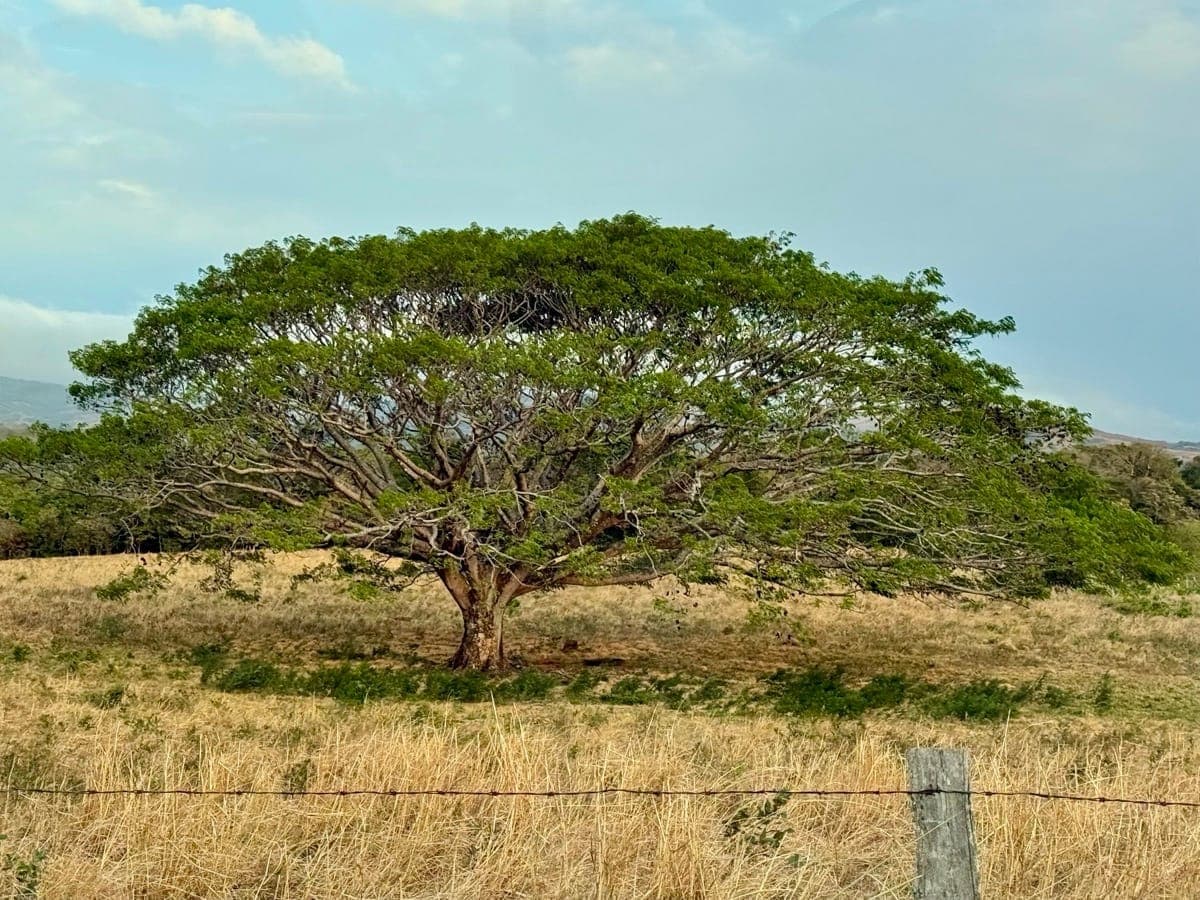
The Cenízaro (Samanea saman), known internationally as the Rain Tree or Monkey Pod, is perhaps the most magnificent shade tree of tropical America. Its enormous umbrella-shaped crown can spread 40-60 meters wide, creating a living cathedral of shade that has sheltered generations of farmers, their livestock, and village gatherings. The tree is named "Rain Tree" because its leaves fold at night and before storms, and cicadas in its crown drip honeydew—seeming to make it "rain" beneath its canopy.
Quick Reference
iNaturalist Observations
Community-powered species data
📸 Photo Gallery
Whole tree
📷 (c) John C., some rights reserved (CC BY-NC)(CC BY-NC)
View source ↗Leaves
📷 (c) Ryan Black, some rights reserved (CC BY-NC)(CC BY-NC)
View source ↗Flowers
📷 (c) Joey Santore, some rights reserved (CC BY-NC)(CC BY-NC)
View source ↗Whole tree
📷 (c) Ryan Black, some rights reserved (CC BY-NC)(CC BY-NC)
View source ↗Leaves
📷 (c) Kerstin Wasson, some rights reserved (CC BY-NC)(CC BY-NC)
View source ↗Photos sourced from iNaturalist's community science database. Browse all observations →↗
Taxonomy & Classification
The Rain Tree has been known by many scientific names including Pithecellobium saman, Albizia saman, and Enterolobium saman. Modern molecular studies place it in the genus Samanea, though you may still encounter older names in various references.
Common Names
Physical Description
Overall Form
The Cenízaro has one of the most distinctive and beautiful forms of any tropical tree. Its trunk divides low into massive horizontal branches that spread outward in a perfectly symmetrical dome, creating a crown that is often wider than the tree is tall.
Distinctive Features
Trunk & Crown
- Trunk: Short, thick, dividing into massive limbs
- Branches: Horizontal, spreading, layered
- Crown: Perfect umbrella or dome shape
- Bark: Gray-brown, becoming rough with age
- Shape: One of the most symmetrical tree forms
Leaves
- Type: Bipinnately compound
- Leaflets: Small (6-16 pairs per pinna)
- Movement: Fold closed at night (nyctinasty)
- Texture: Soft, feathery appearance
- Shade: Creates dappled, not dense shade
Flowers
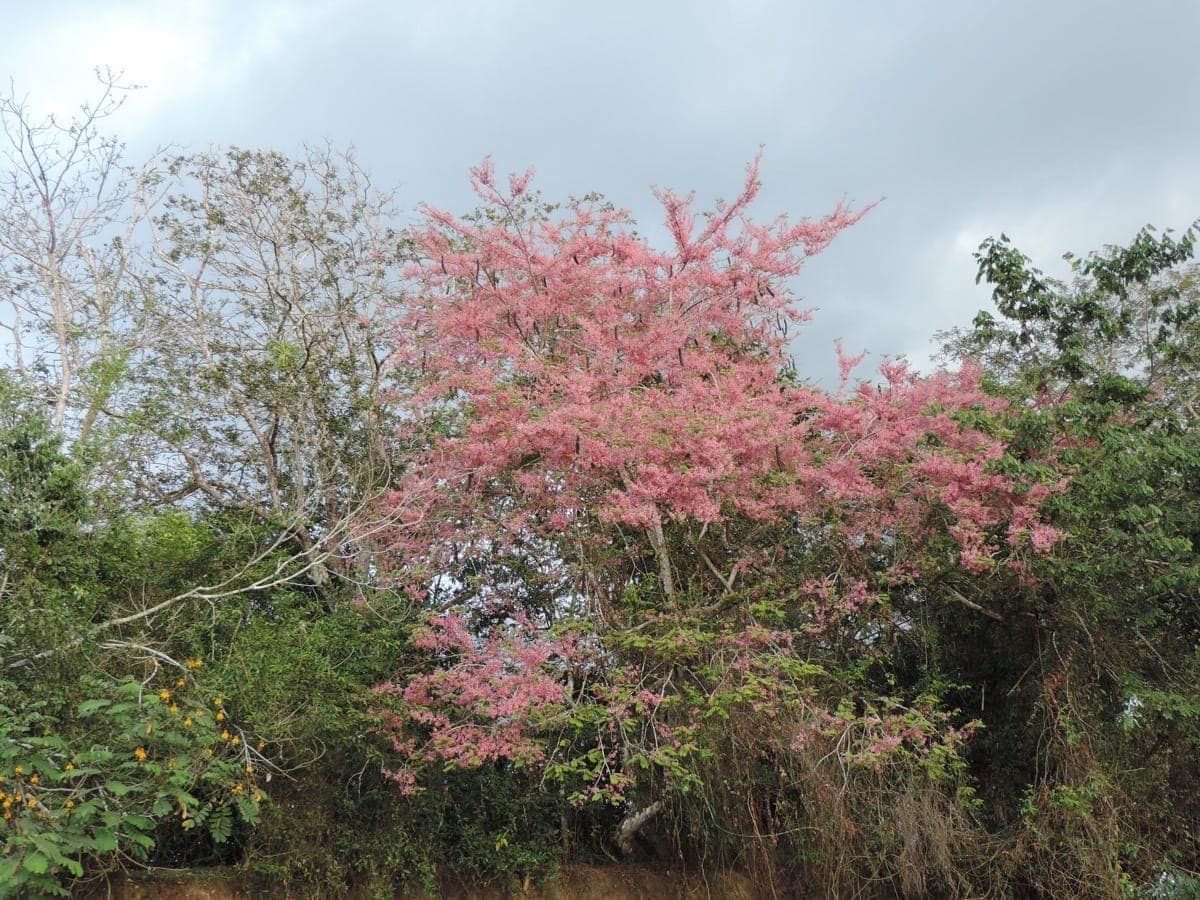
- Type: Powder-puff style (staminal)
- Color: Pink to reddish, fading to white
- Size: 5-6 cm across
- Timing: Dry season to early wet season
- Fragrance: Light, pleasant
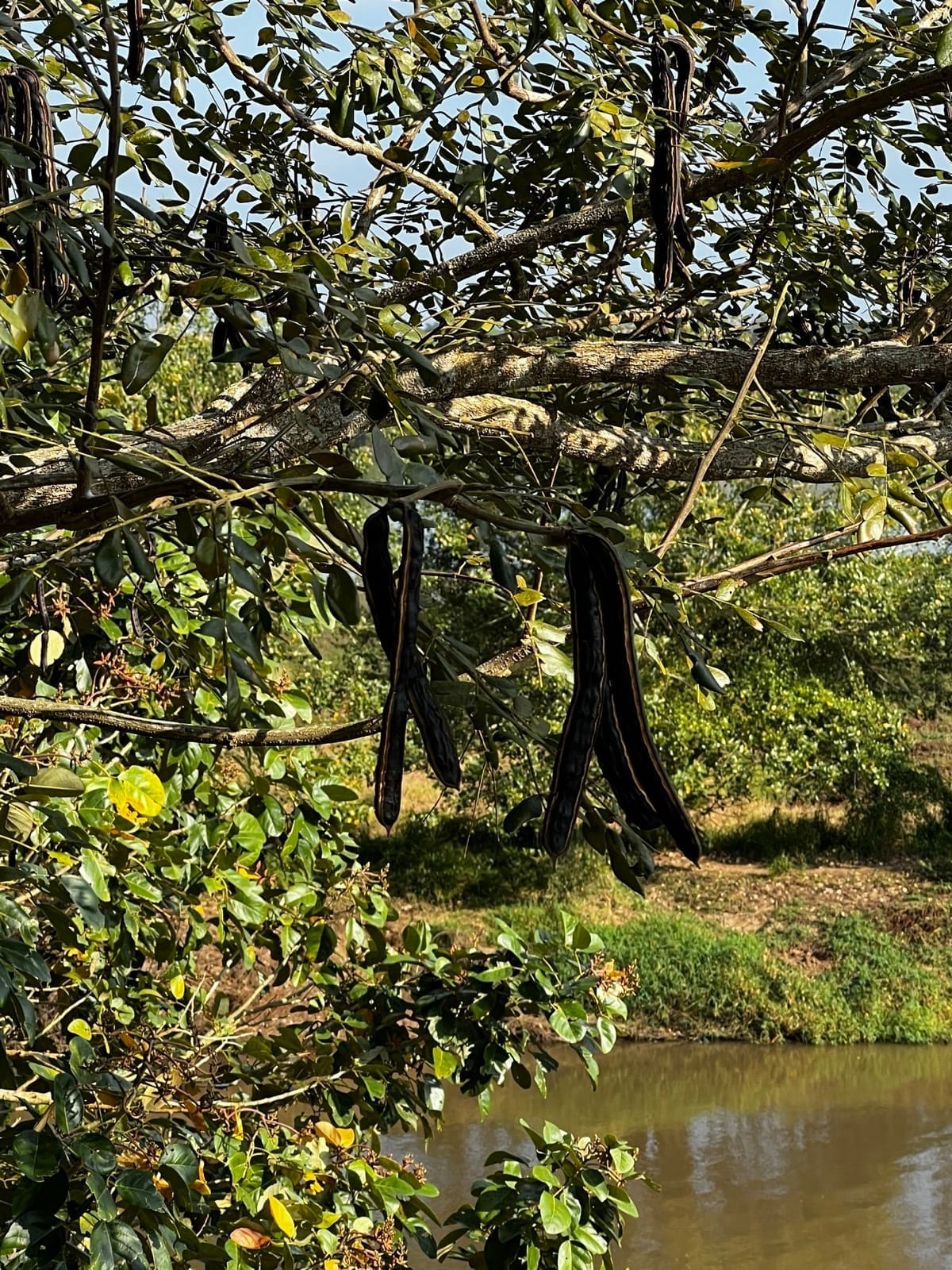
Fruits
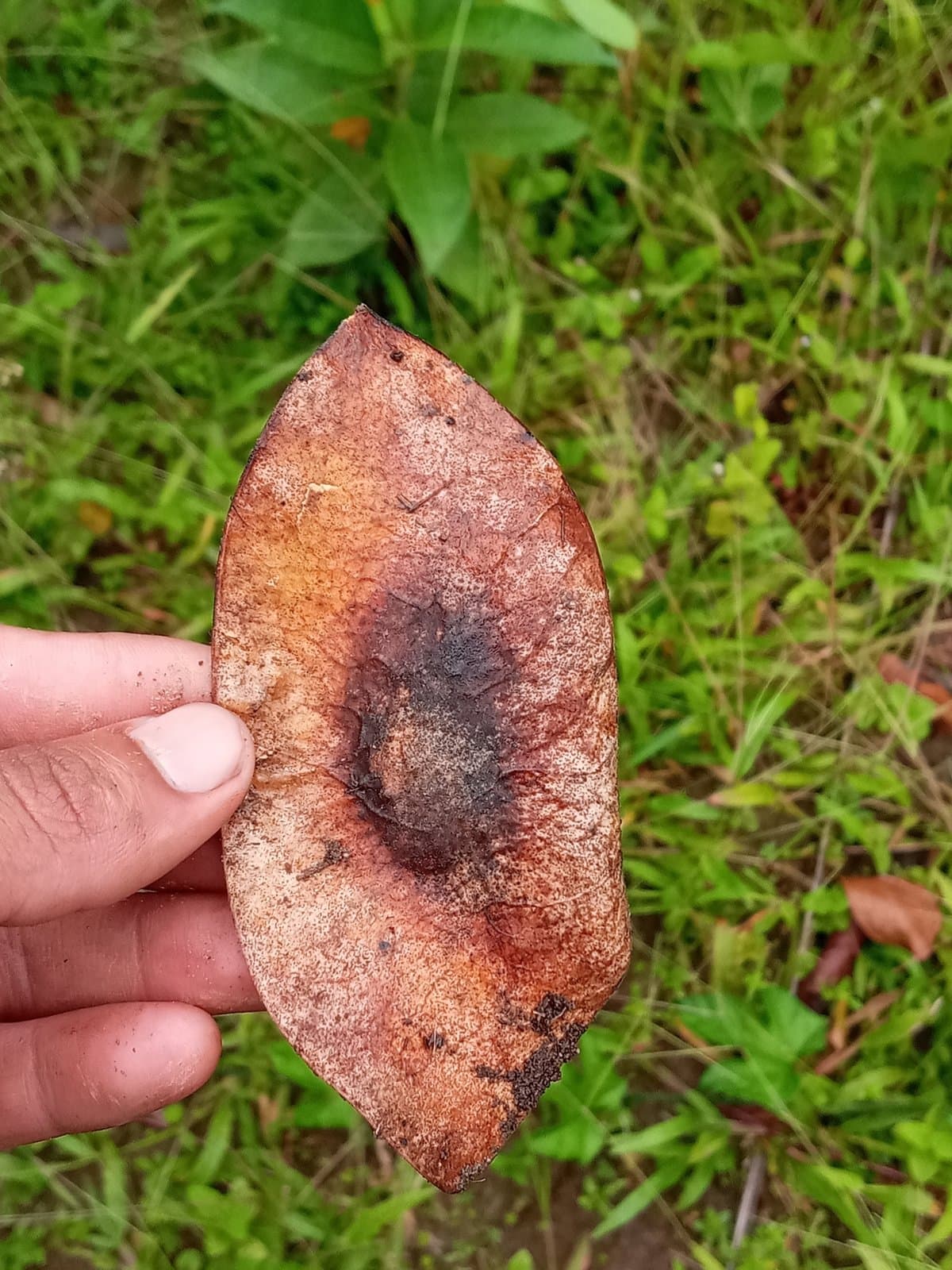
- Type: Indehiscent legume pod
- Shape: Thick, curved, dark brown to black
- Size: 15-25 cm long, 2-3 cm wide
- Pulp: Sweet, sticky, edible
- Seeds: Hard, brown, numerous
The name "Rain Tree" comes from multiple phenomena: 1. Leaf folding: Leaves close at night and on cloudy days, allowing rain through 2. Cicada honeydew: Cicadas feeding in the crown produce sweet excrement that drips like rain 3. Condensation: The massive crown may concentrate morning dew Indigenous peoples noted that the grass beneath Rain Trees stays green in dry season, both from the "rain" and from nitrogen fixation by the tree's root nodules.
Distribution & Habitat
Native Range
Geographic Distribution
Global Distribution
The Cenízaro has been widely planted as a shade and ornamental tree throughout the tropics:
Distribution in Costa Rica
The Cenízaro is common throughout the drier regions of Costa Rica, particularly in Guanacaste where it defines the pastoral landscape with its magnificent crowns dotting the cattle pastures.
Preferred Habitat
Ecological Significance
Ecosystem Services
A mature Cenízaro tree is a complete ecosystem unto itself: - Nitrogen fixation: Enriches soil through root nodule bacteria - Microclimate: Crown creates cooler, moister conditions beneath - Wildlife support: Flowers attract pollinators; pods feed mammals - Grass growth: Pastures beneath are more productive - Bird habitat: Complex crown supports nesting and roosting Studies show pastures with scattered Cenízaro trees support higher livestock productivity than treeless pastures.
Wildlife Interactions
Pollinators
- Bees: Major pollinators, many species
- Moths: Nocturnal visitors
- Bats: Visit flowers at dusk
- Butterflies: Day-time visitors
Seed Dispersers
- Cattle: Eat pods, spread seeds
- Horses: Major dispersers in pastures
- White-tailed Deer: Wild consumers
- Coatis: Opportunistic consumers
Habitat Users
- Parrots: Nest in cavities
- Owls: Use hollow branches
- Iguanas: Bask on branches
- Orchids: Epiphytes in crown
- Bromeliads: Common in branches
Associated Insects
- Cicadas: Responsible for "rain" effect
- Various beetles: Wood and flower visitors
- Caterpillars: Multiple species feed on leaves
Silvopastoral Value
Cultural & Economic Importance
Cultural Significance
The Community Tree
Throughout Latin America, the Cenízaro has been the traditional gathering place for communities. Village plazas were often located beneath these giants, where their shade could shelter markets, festivals, and daily social life. In Costa Rica's Guanacaste province, the Cenízaro competes with the Guanacaste tree as the quintessential symbol of the pastoral landscape—massive spreading crowns rising above the golden dry-season grass.
Economic Uses
Monkeypod Wood Industry
Monkeypod wood is prized for: - Beautiful grain: Varies from straight to interlocking - Color: Golden brown with darker streaks - Workability: Easy to carve and turn - Stability: Minimal warping when dried - Finish: Takes polish beautifully Hawaiian-turned Monkeypod bowls and platters are world-famous woodcraft items.
Conservation Status
Current Assessment
Conservation Status
National Tree Status
The Rain Tree (Samanea saman) is the National Tree of Trinidad and Tobago, where it is deeply associated with national identity and appears on currency. In Costa Rica, while not the national tree (that honor goes to the Guanacaste), the Cenízaro is equally beloved and iconic in the northwestern provinces.
Conservation Considerations
Positive Factors
- Widely planted and appreciated
- Valuable for multiple purposes
- Climate-adapted (drought tolerant)
- Farmer-friendly (improves pastures)
- High seed production
Concerns
- Old-growth specimens decreasing
- Urban development pressure
- Some regions losing traditional landscapes
- Wood harvesting of mature trees
- Need for heritage tree protection
Cultivation & Propagation
Growing Cenízaro
Propagation
From Seeds
- Collect mature pods (dark brown/black)
- Extract seeds from sticky pulp
- Scarify seeds (nick or hot water)
- Sow 2-3 cm deep
- Germination in 1-2 weeks
- Fast initial growth
Growth Rate
- Height: 1-2 m per year when young
- Crown: Begins spreading by year 5
- Maturity: Full form by 30-50 years
Growing Conditions
Planting Considerations
- Allow VERY large space for crown
- Keep away from buildings and power lines
- Excellent for large parks and farms
- Consider root space for nitrogen fixation
- May drop pods (maintenance consideration)
Identification Guide
How to Identify Cenízaro
Where to See Cenízaro in Costa Rica
External Resources
Community observations and photos
Comprehensive species information
Silvopastoral systems information
Global biodiversity occurrence data and distribution maps
Conservation status and species assessment
References
📚 Scientific References & Further Reading
Staples, G.W. & Elevitch, C.R. (2006). Samanea saman (rain tree). Species Profiles for Pacific Island Agroforestry
Allen, O.N. & Allen, E.K. (1981). The Leguminosae: A Source Book. University of Wisconsin Press
Gutteridge, R.C. & Shelton, H.M. (1994). Forage Tree Legumes in Tropical Agriculture. CAB International
The best place to appreciate the Cenízaro is in Costa Rica's Guanacaste province, especially during the dry season (December-April) when the golden grass contrasts dramatically with the dark green crowns of scattered Cenízaros. Drive the roads between Liberia and Nicoya, stopping at any roadside view to see these magnificent trees. Look for cattle resting in their shade during the hot midday hours—this scene has defined Guanacaste for centuries.
Safety Information Disclaimer
Safety information is provided for educational purposes only. Individual reactions may vary significantly based on age, health status, amount of exposure, and individual sensitivity. Always supervise children around plants. Consult a medical professional or certified arborist for specific concerns. The Costa Rica Tree Atlas is not liable for injuries or damages resulting from interaction with trees described in this guide.
• Always supervise children around plants
• Consult medical professional if unsure
• Seek immediate medical attention if poisoning occurs
Information compiled from authoritative toxicology sources, scientific literature, and medical case reports.
Help improve this page
Know something about this tree? Share local knowledge, suggest a correction, or submit a photo to improve this guide for everyone.