Guayacán Real
Guaiacum sanctum
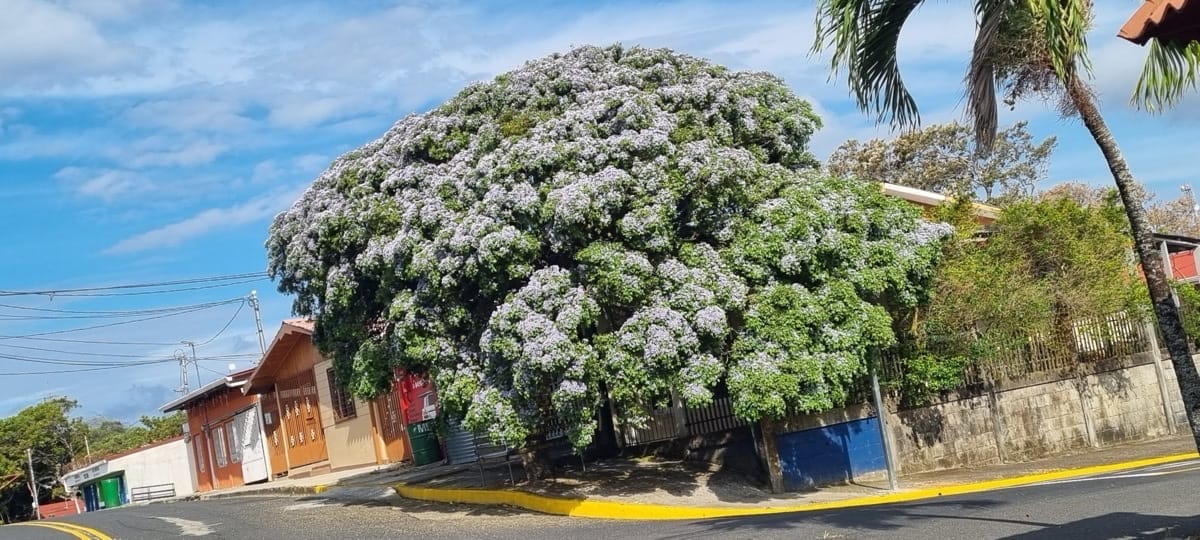
Quick facts
Native Region
Central America and Caribbean
Max Height
8-15 meters
Family
Zygophyllaceae
Conservation
NT — Near Threatened
Uses
Safety Information
Toxicity Details
The tree itself is safe. The resin and wood extracts have been used medicinally for centuries but can cause gastrointestinal irritation (diarrhea, stomach upset) or skin rashes in higher medicinal doses. Food-flavoring amounts are generally recognized as safe. Not toxic to touch or be around. The wood dust during woodworking is not particularly allergenic compared to other tropical hardwoods.
Skin Contact Risks
Generally safe. The resin may cause mild skin irritation or allergic reactions in sensitive individuals, but this is uncommon. Normal contact with the tree, bark, or wood is not irritating.
Allergenic Properties
LOW allergen risk. Wood dust may cause mild respiratory irritation during sanding (standard woodworking precaution). Not among highly allergenic woods. The resin has low allergenicity.
Season
Flowering
Mar-Apr
Fruiting
Jun-Jul
How to identify
Guayacán Real (Lignum Vitae - The Heaviest Wood)
Guayacán Real (Guaiacum sanctum), known internationally as Lignum Vitae ("Wood of Life"), produces what may be the world's densest commercial wood—so heavy it sinks in water and so hard it's self-lubricating. These extraordinary properties led to centuries of overexploitation. The current IUCN assessment is Near Threatened — improved from Endangered after CITES Appendix II controls and recovery in some regions — but the species remains commercially exploited and at continued risk. With its stunning deep blue flowers and evergreen foliage, the Guayacán Real is both a botanical treasure and a cautionary tale about unsustainable resource extraction.
Quick Reference
iNaturalist Observations
Community-powered species data
📸 Photo Gallery
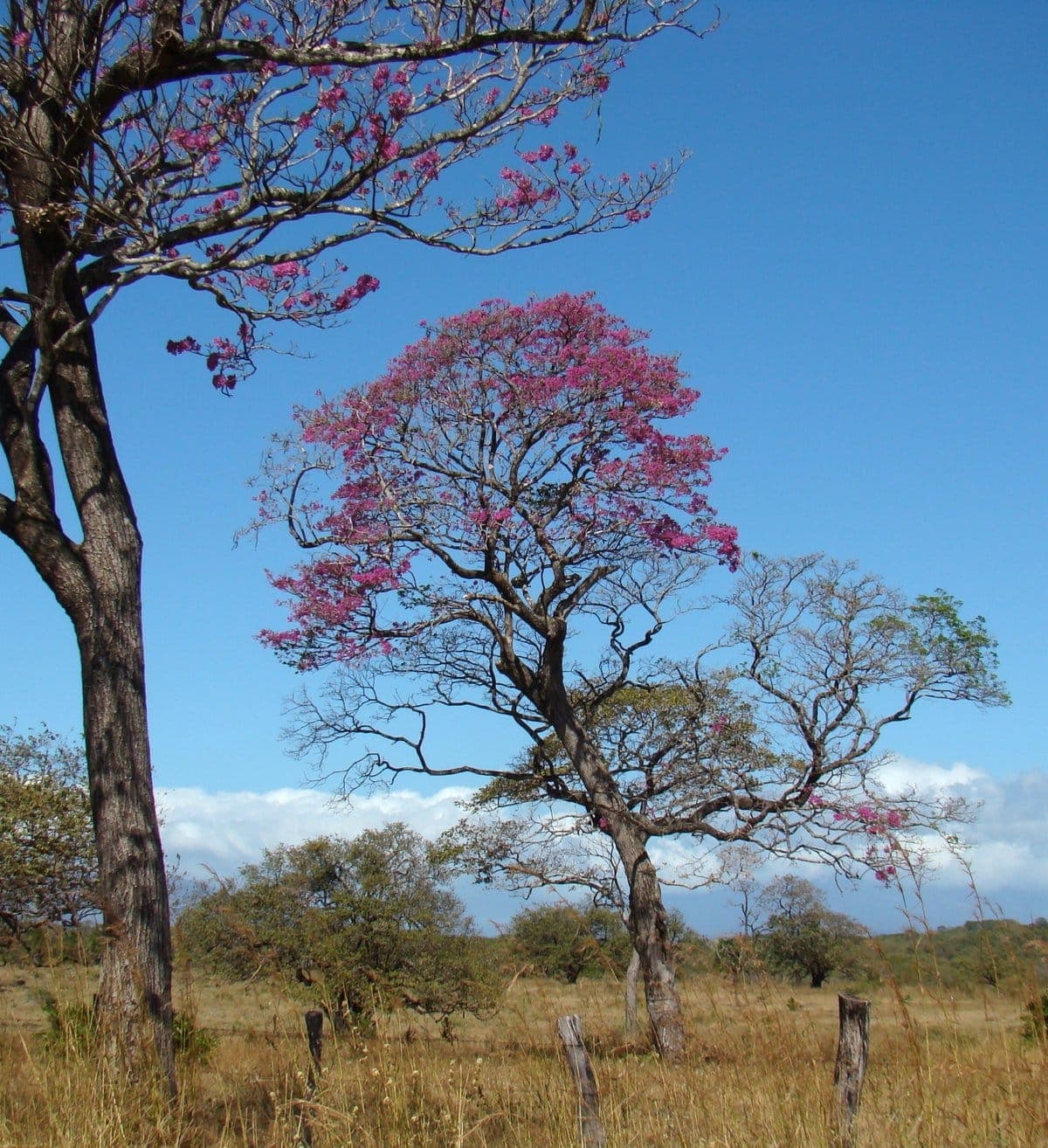
Whole tree
📷 (c) Jairo Moya Vargas, some rights reserved (CC BY-NC)(CC BY-NC)
View source ↗Leaves
📷 (c) Simon Kiacz, some rights reserved (CC BY-NC)(CC BY-NC)
View source ↗Whole tree
📷 (c) Simon Kiacz, some rights reserved (CC BY-NC)(CC BY-NC)
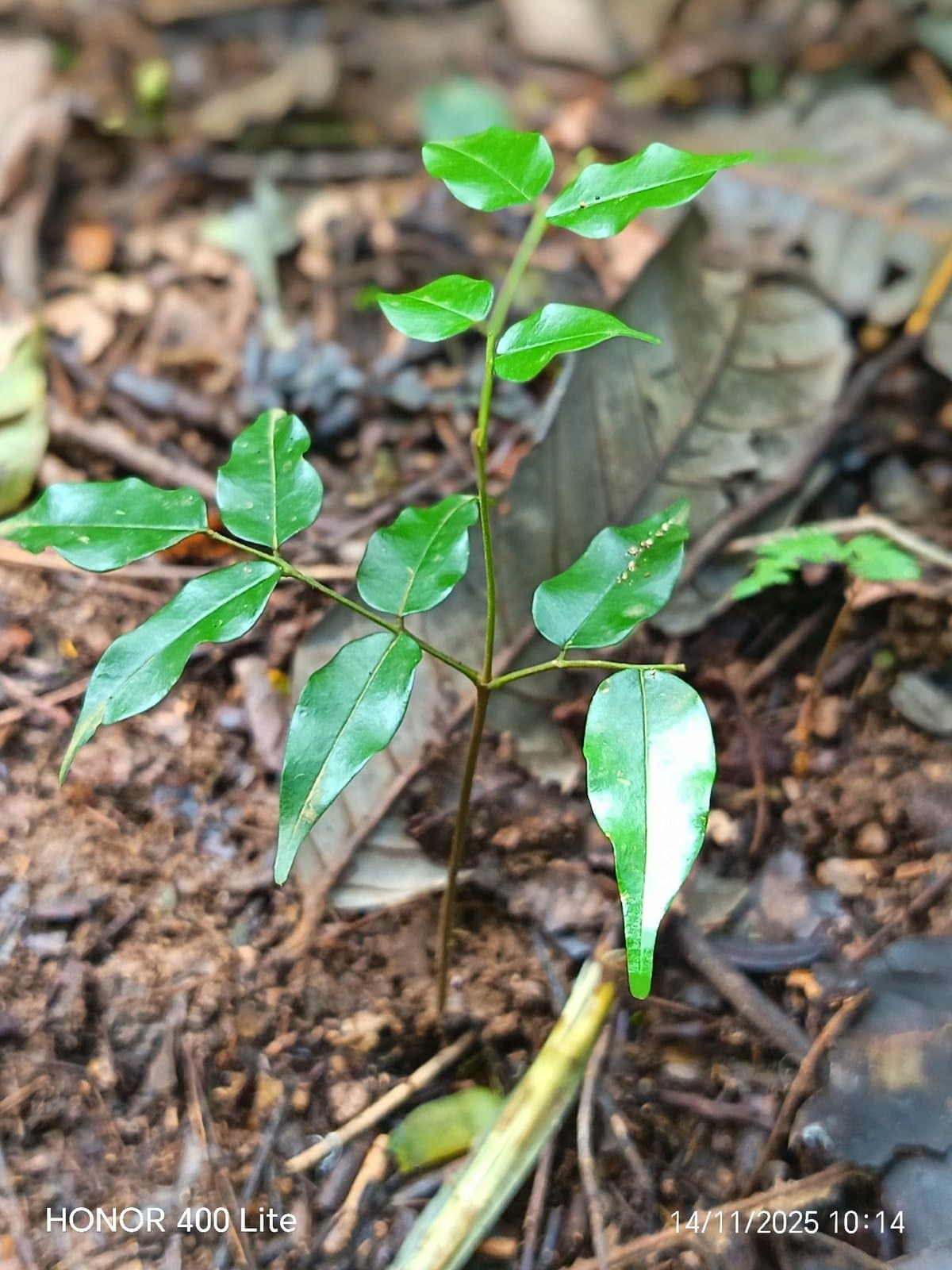
View source ↗Leaves
📷 (c) David Garrigues, some rights reserved (CC BY-NC)(CC BY-NC)
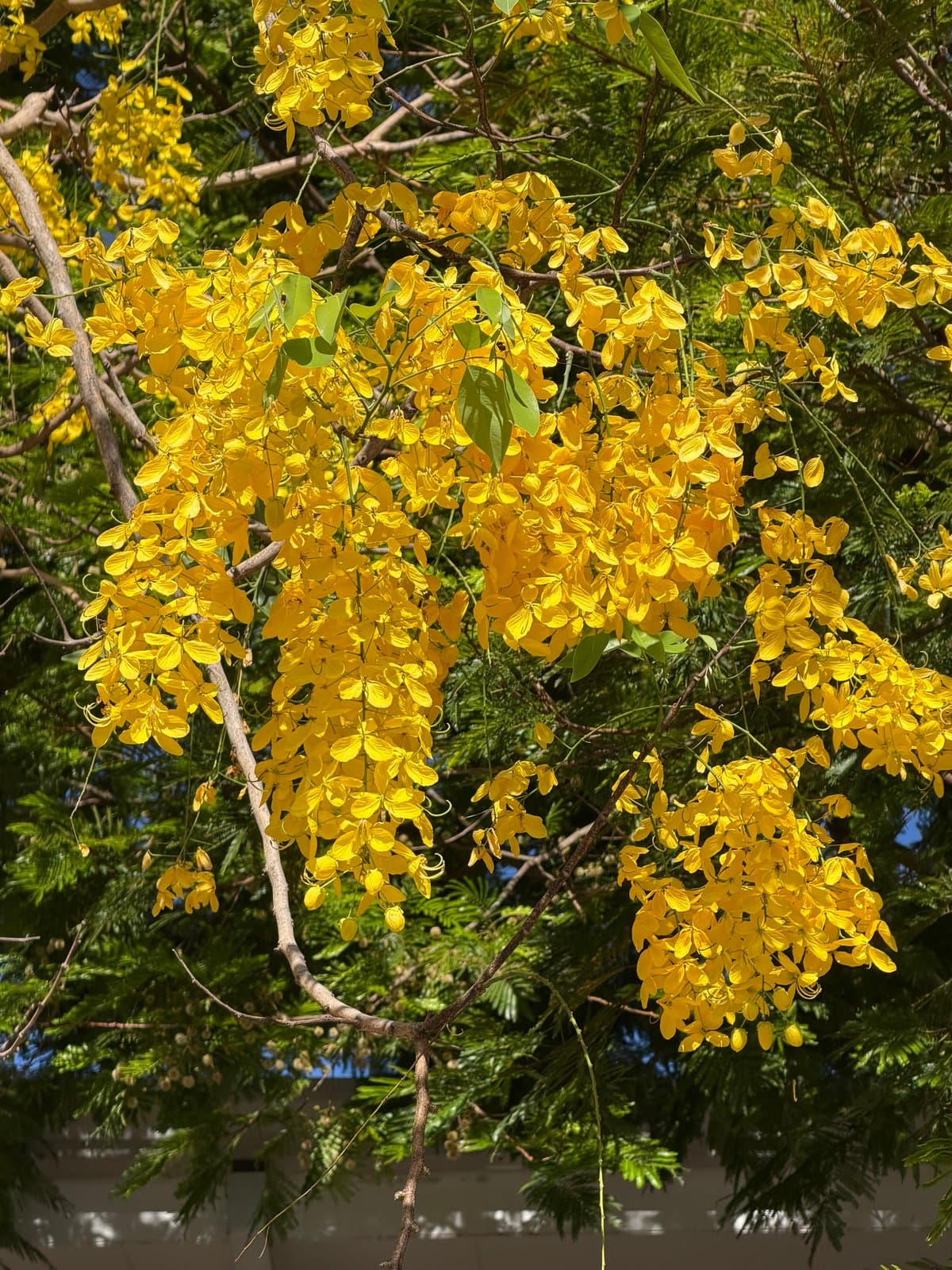
View source ↗Whole tree
📷 (c) David Garrigues, some rights reserved (CC BY-NC)(CC BY-NC)
View source ↗Photos sourced from iNaturalist community science database. View all observations →↗
Taxonomy and Classification
- Guaiacum: From Taino language (Caribbean indigenous) - sanctum: Latin for "sacred" or "holy" - Lignum Vitae: Latin "Wood of Life" (medicinal reputation) - Guayacán: Spanish from indigenous name
Related Species
Both G. sanctum (Holywood) and G. officinale (Common) are endangered and CITES-listed. They share similar properties and both have been heavily exploited. G. sanctum is the primary species in Costa Rica.
Physical Description
Overall Form
The Guayacán Real is a small to medium-sized evergreen tree with a short, often crooked trunk and a dense, rounded crown. It grows extremely slowly—taking decades to reach modest size—but can live for centuries. The bark is pale and scaly, and the wood within is among the hardest and densest on Earth, with a beautiful greenish-brown heartwood.
Distinctive Features
Leaves
- Type: Pinnately compound
- Leaflets: 3-5 pairs (6-10 total)
- Size: 2-4 cm per leaflet
- Shape: Oval, asymmetrical
- Color: Deep green, glossy
- Evergreen: Yes
Bark
- Color: Pale gray to whitish
- Texture: Thin, scaly
- Pattern: Mottled, patchy
- Older Trees: More fissured
The Spectacular Flowers
- Color: Deep blue to purple
- Size: 2-3 cm across
- Petals: 5
- Timing: Mainly dry season
- Display: Spectacular mass flowering
- Pollinators: Bees primarily
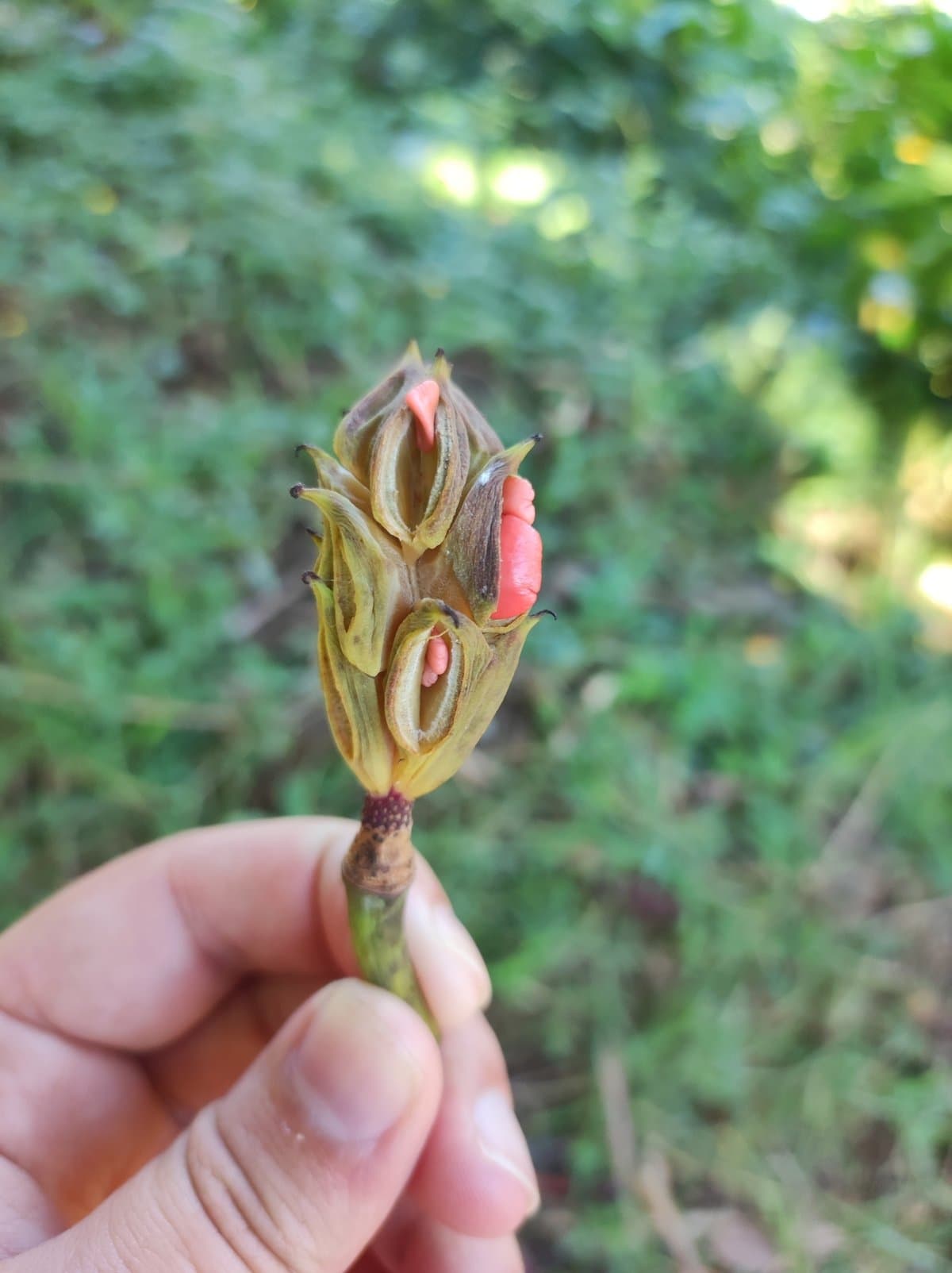
Fruits
- Type: Heart-shaped capsule
- Size: 1.5-2 cm
- Color: Yellow-orange when ripe
- Opening: Splits to reveal seeds
- Seeds: 1-2, covered in red aril
- Dispersal: Bird-consumed
When a Guayacán Real bursts into bloom, it's unforgettable: - Color: One of the truest blues in the plant kingdom - Display: Entire crown covered in flowers - Duration: Several weeks - Timing: Usually March-May in Costa Rica - Bonus: Flowers fall, carpeting ground in blue Combined with yellow-orange fruits and deep green foliage, a flowering Guayacán Real is stunningly beautiful!
The Extraordinary Wood
Why Lignum Vitae Is Unique
The World's Hardest Commercial Wood
Lignum vitae wood has properties unlike any other: Physical Properties: - Density: 1.1-1.4 g/cm³ (denser than water—sinks!) - Janka Hardness: 4,500 lbf (one of highest known) - Natural oils: 25-30% by weight (guaiac resin) - Self-lubricating: The oils make it naturally slippery Unique Characteristics: - Wood sinks in water immediately - Can be used without additional lubrication - Extremely resistant to abrasion - Practically impervious to rot - Will not crack or split easily The Trade-off: These remarkable properties come from extremely slow growth— it takes 100+ years to produce usable timber, making sustainable harvest nearly impossible.
Historic Uses
Distribution and Habitat
Native Range
Geographic Distribution
Distribution in Costa Rica
In Costa Rica, Guayacán Real populations have been: - Heavily logged historically - Restricted to dry forest (naturally limited) - Slow to recover (extremely slow growth) - Focus of conservation programs Seeing wild Guayacán Real in Costa Rica is increasingly rare, though restoration efforts are underway in protected areas.
Habitat Preferences
Conservation Status
Why It's Threatened
Guayacán Real faces multiple threats: Historical Exploitation: - Harvested intensively since 1500s - European demand for ship bearings - Medicinal trade (syphilis treatment claims) - Woodworking (density = prestige) Biological Vulnerabilities: - Extremely slow growth (decades to maturity) - Limited habitat (dry forest specialist) - Low seed production - Poor regeneration Current Status: - IUCN: Near Threatened (improved from Endangered after CITES) - CITES: Appendix II (regulated trade) - Costa Rica: Protected species
- Wild populations fragmented and depleted
Conservation Efforts
Ecological Importance
Wildlife Interactions
Flower Visitors
- Bees: Primary pollinators
- Butterflies: Nectar feeders
- Various insects: Secondary visitors
Fruit/Seed Users
- Birds: Eat fruits, disperse seeds
- Small mammals: Occasional fruit consumers
Dry Forest Ecosystem
Guayacán Real is part of the endangered dry forest ecosystem: - Only about 1% of original Central American dry forest remains - Dry forest biodiversity is highly threatened - Many dry forest species are specialists - Guayacán Real adds to dry forest structure Conserving Guayacán Real means conserving dry forest habitat, benefiting many other species simultaneously.
Traditional Medicine
The "Wood of Life" Reputation
Historical use only. Do not use for medical purposes. Some compounds are potentially harmful.
Historic Medicinal Fame
Lignum vitae gained its "Wood of Life" name from medicinal claims: 16th-19th Century Uses: - Syphilis treatment: Main historic use (before antibiotics) - Gout and rheumatism: Wood and resin decoctions - Respiratory conditions: Traditional applications - Fever reduction: Various preparations The Guaiac Compound: - Resin contains guaiacol - Has genuine antiseptic properties - Used in some modern medical tests - "Guaiac test" for blood detection Modern Assessment: Historic syphilis treatment was ineffective and potentially harmful. The compound guaiacol has limited modern medical use.
Cultivation
Growing Guayacán Real
Identification Guide
How to Identify Guayacán Real
Where to See Guayacán Real in Costa Rica
To see Guayacán Real: - Best time: Dry season (flowering) - Where: Santa Rosa NP has the best populations - Guides: Local naturalist guides know locations - Patience: Trees are not abundant Flowering in March-May is the best time—the blue flowers make trees visible from a distance!
The Bahamas Connection
National Tree of the Bahamas
Guaiacum officinale (the related species) is the national tree of The Bahamas: - Represents resilience and endurance - Featured on Bahamian coat of arms - Symbol of Caribbean natural heritage - Conservation priority throughout the region Both G. officinale and G. sanctum face similar threats and benefit from regional conservation cooperation.
External Resources
Community observations and photos
International trade regulations
Conservation status information
Global biodiversity occurrence data and distribution maps
References
📚 Scientific References & Further Reading
IUCN (2020). Guaiacum sanctum. The IUCN Red List of Threatened Species. IUCN Global Species Programme
Oldfield, S. (1998). Lignum Vitae Trade: Status and Conservation Implications. TRAFFIC International
Janzen, D.H. (1983). Guaiacum sanctum in Costa Rican Natural History. University of Chicago Press
The story of Guayacán Real is a cautionary tale about unsustainable exploitation. For 500 years, humans have prized this tree for properties that took millions of years to evolve—density, hardness, and natural lubrication. But those same properties require centuries of slow growth, making sustainable harvest nearly impossible. Today, the remaining wild populations are shadows of their former abundance, protected by international law but still recovering from centuries of cutting. When you see a Guayacán Real in bloom—those impossibly blue flowers against dark green foliage—remember that you're looking at a living lesson about the consequences of taking more than nature can give. Some things cannot be rushed, and some treasures are best left standing.
Safety Information Disclaimer
Safety information is provided for educational purposes only. Individual reactions may vary significantly based on age, health status, amount of exposure, and individual sensitivity. Always supervise children around plants. Consult a medical professional or certified arborist for specific concerns. The Costa Rica Tree Atlas is not liable for injuries or damages resulting from interaction with trees described in this guide.
• Always supervise children around plants
• Consult medical professional if unsure
• Seek immediate medical attention if poisoning occurs
Information compiled from authoritative toxicology sources, scientific literature, and medical case reports.
Help improve this page
Know something about this tree? Share local knowledge, suggest a correction, or submit a photo to improve this guide for everyone.