Manzana de Agua
Syzygium malaccense
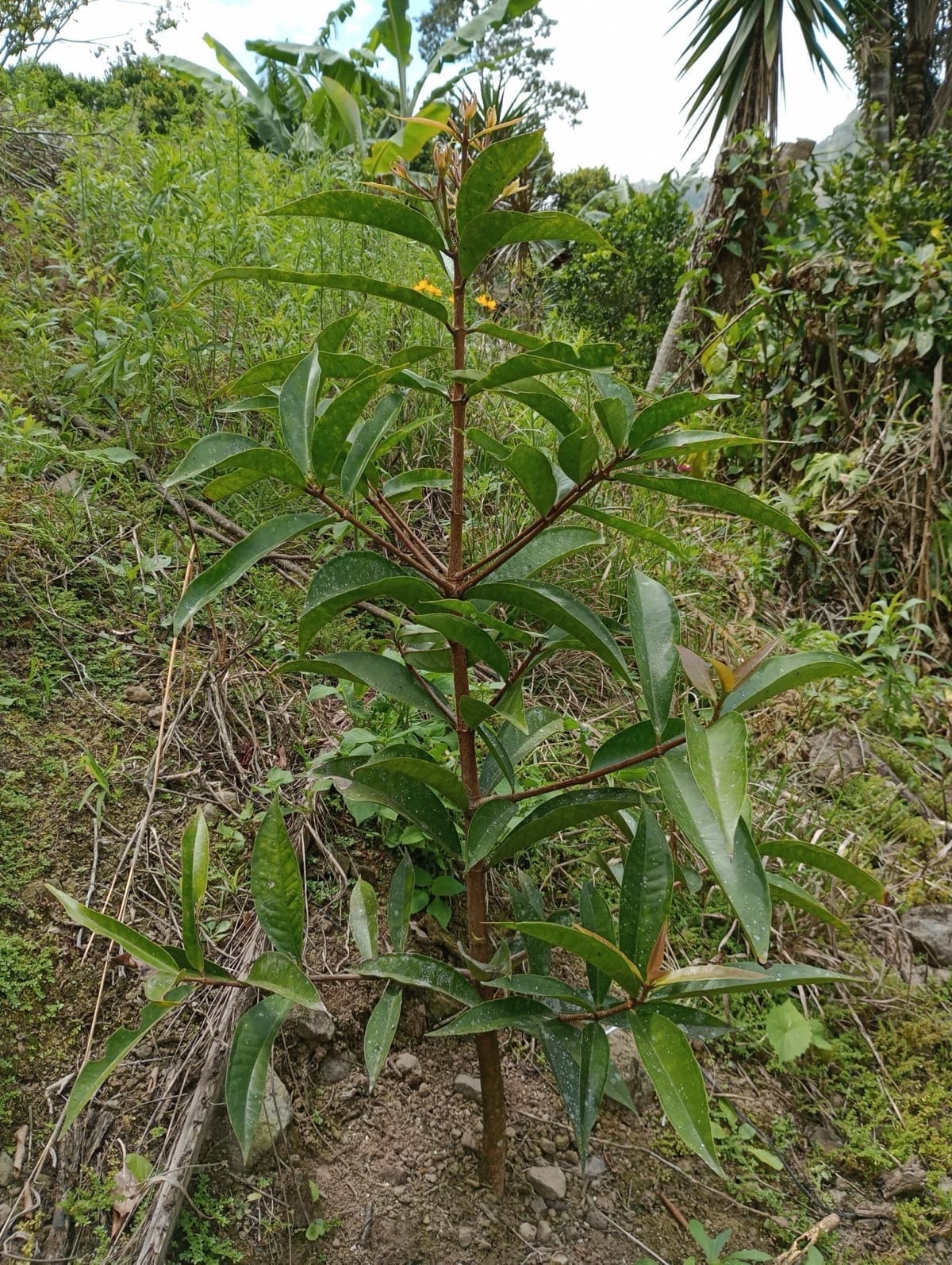
Quick facts
Native Region
Malaysia and Southeast Asia
Max Height
12-18 meters
Family
Myrtaceae
Conservation
LC — Least Concern
Uses
Safety Information
Toxicity Details
No toxic parts. The fruit is completely safe and edible, widely consumed fresh, in salads, jams, and desserts throughout tropical regions. The crisp, mildly sweet fruit has a rose-like aroma. Nutritious, containing Vitamin C, antioxidants, and minerals. Seeds should be discarded (as with most fruit) but normal fruit consumption is entirely safe for humans and pets.
Skin Contact Risks
No skin contact risk. Safe to touch, handle, and pick. The fruit can be eaten with hands without concern.
Allergenic Properties
No significant allergen risk. Rare individuals sensitive to tropical fruits may experience mild reactions, but this is uncommon. Not a pollen or contact allergen.
Season
Flowering
Mar-Apr
Fruiting
Jun-Aug
How to identify
Manzana de Agua
The Manzana de Agua (Syzygium malaccense), known as Malay Apple or Mountain Apple, is one of the most visually stunning fruit trees in the tropics. This Southeast Asian native produces spectacular displays of bright red, pom-pom-like flowers directly on its trunk and branches, followed by beautiful bell-shaped fruits that range from pink to deep red. The fruit's flesh is crisp, white, and refreshingly watery—perfect for hot tropical days. While not as commercially important as other fruits, the Manzana de Agua holds a special place in Costa Rican backyards and small farms, where its dual gifts of beauty and refreshment make it a treasured ornamental food tree.
Quick Reference
iNaturalist Observations
Community-powered species data
📸 Photo Gallery
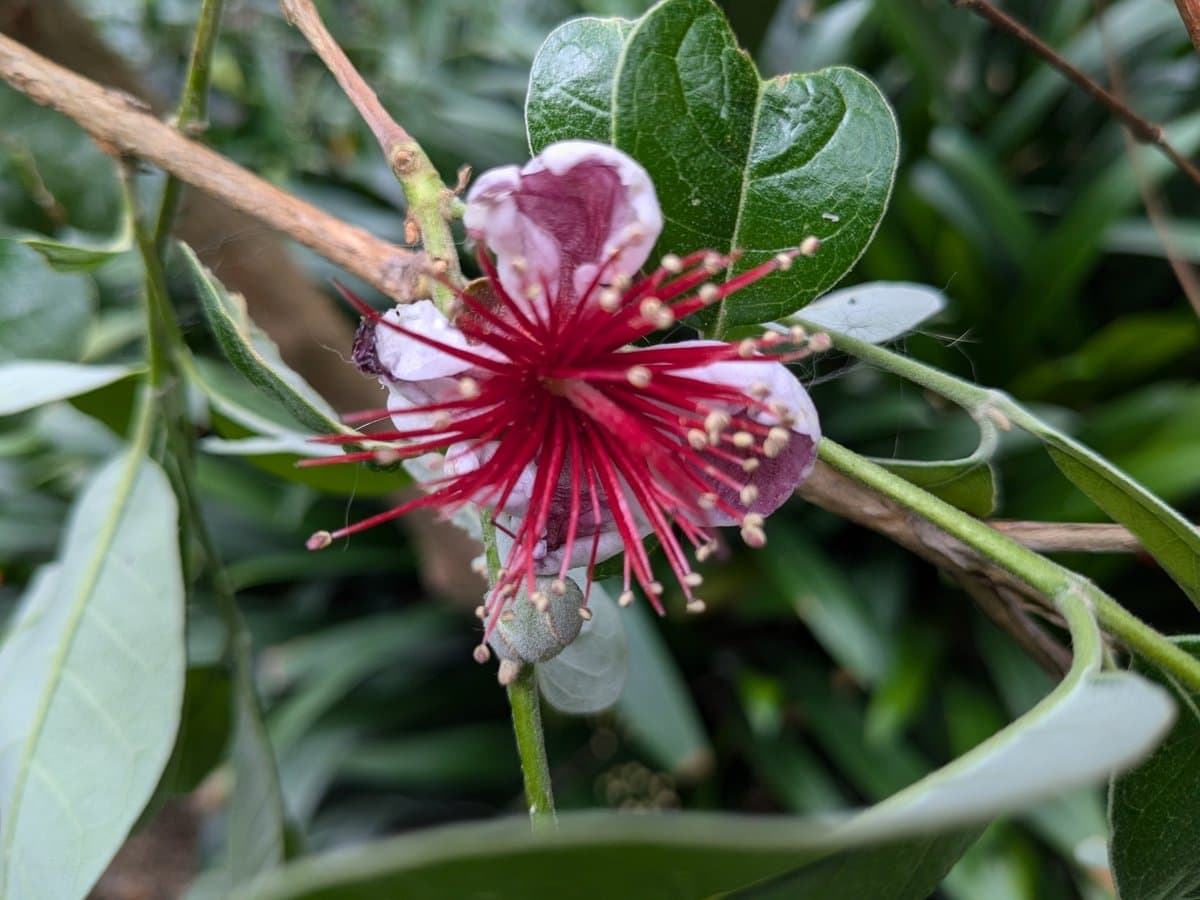
Whole tree
📷 (c) Luis Mario Calderón Soto, some rights reserved (CC BY-NC)(CC BY-NC)
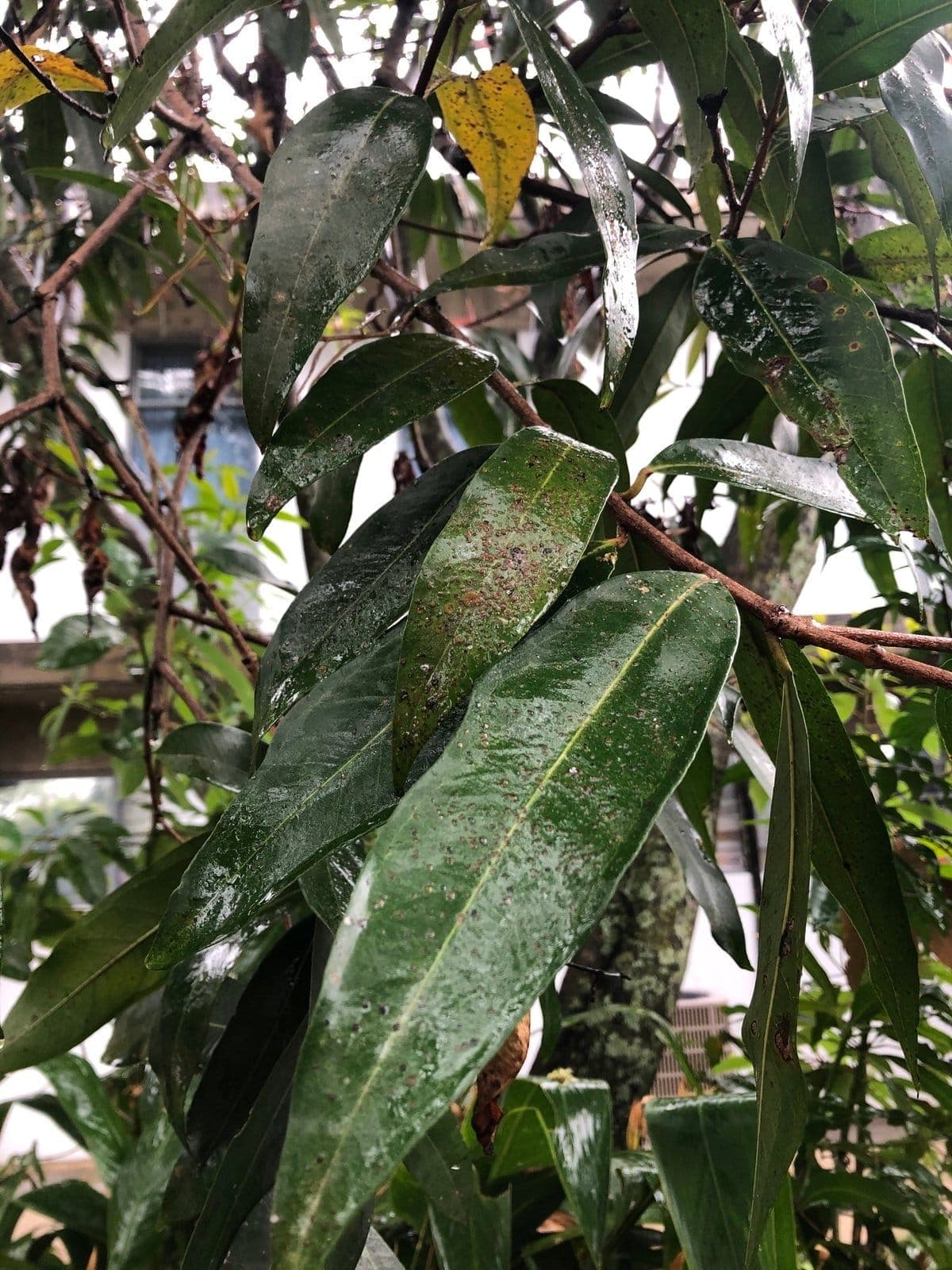
View source ↗Leaves
📷 (c) mkkennedy, some rights reserved (CC BY-NC)(CC BY-NC)
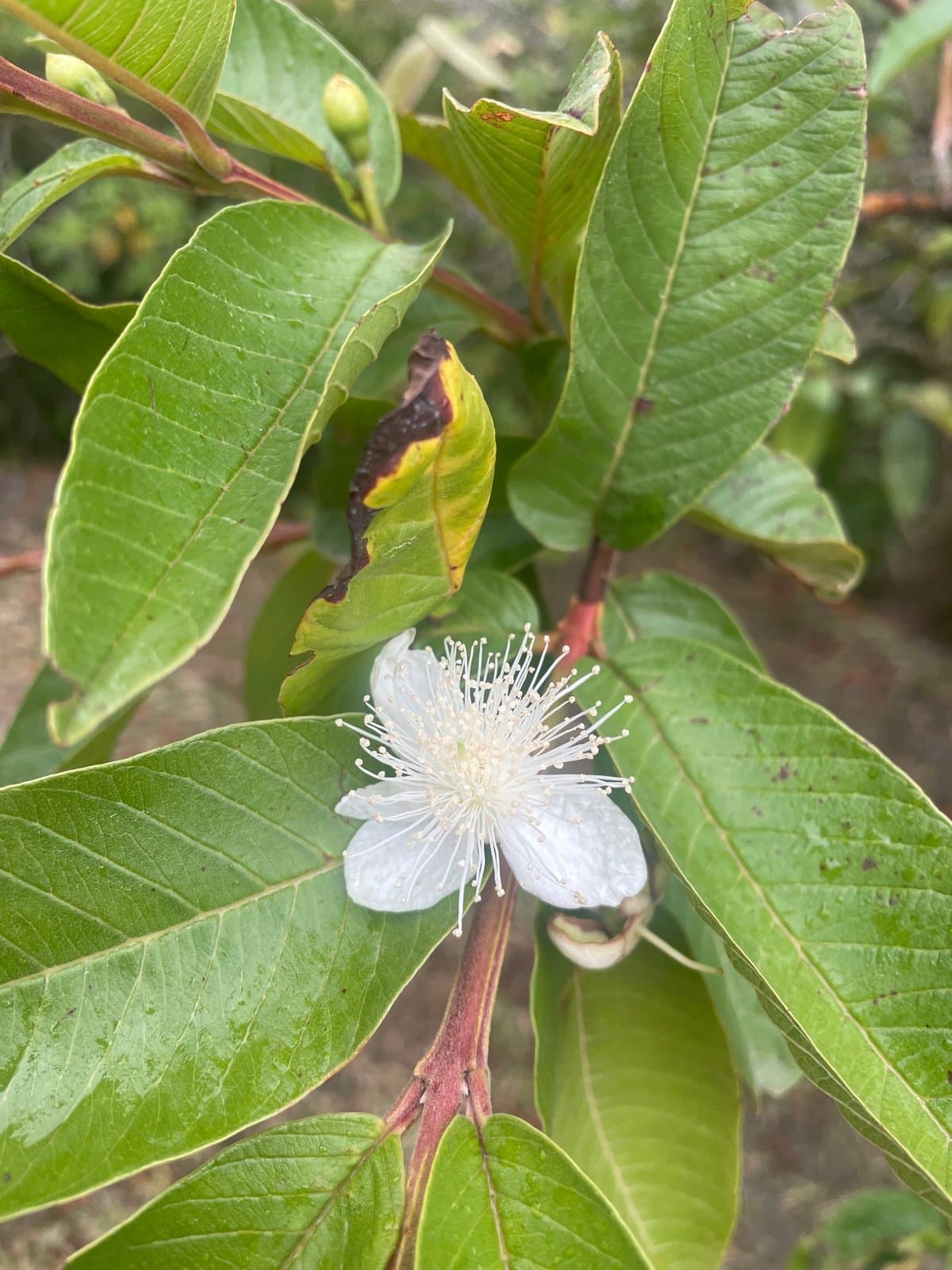
View source ↗Whole tree
📷 (c) jfto94, some rights reserved (CC BY-NC)(CC BY-NC)
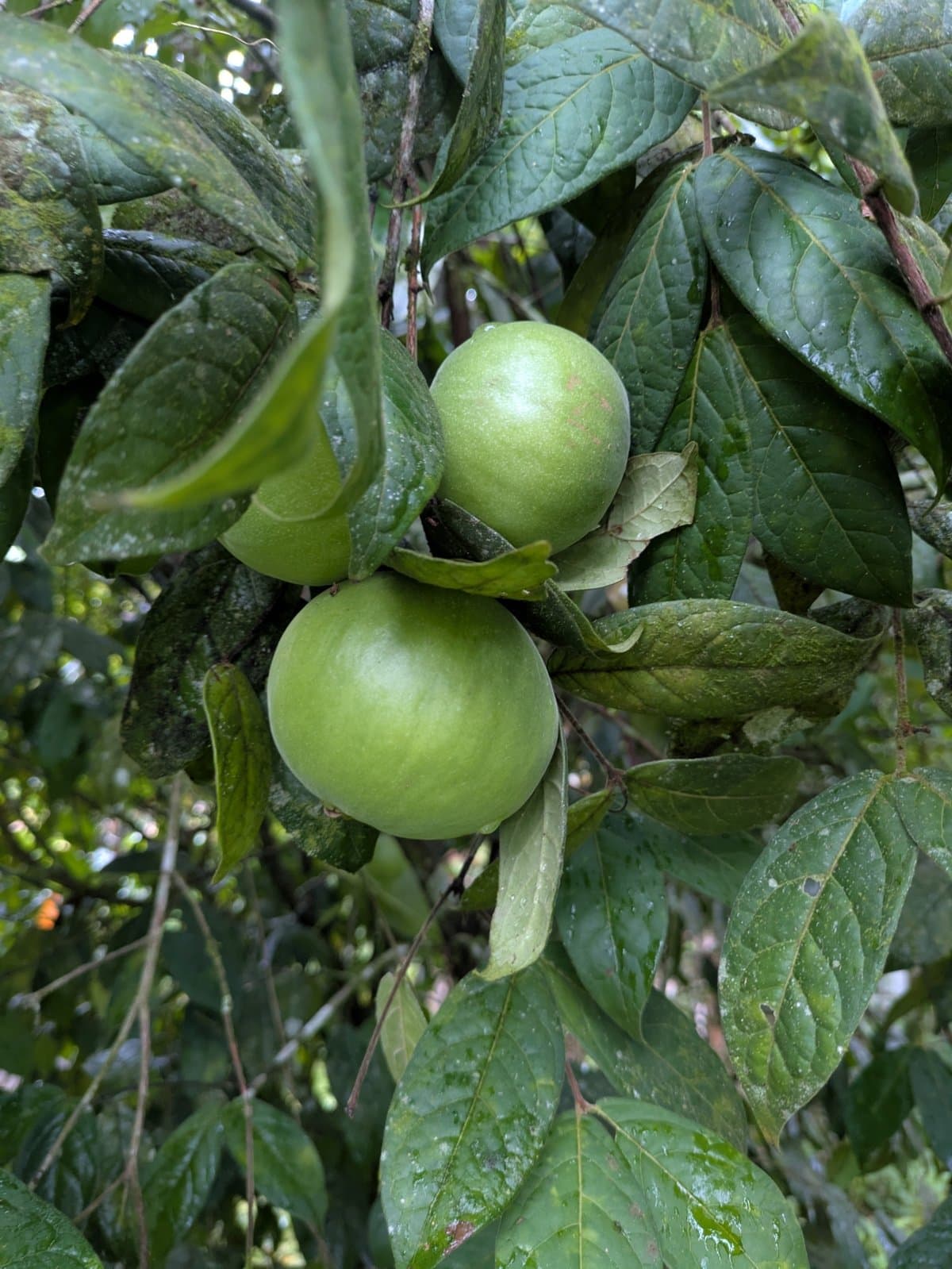
View source ↗Leaves
📷 (c) mkkennedy, some rights reserved (CC BY-NC)(CC BY-NC)
View source ↗Whole tree
📷 (c) camillegarnier, some rights reserved (CC BY-NC)(CC BY-NC)
View source ↗Photos sourced from the iNaturalist citizen science database. View all observations →↗
Taxonomy and Classification
- Syzygium: Greek "syzygos" (joined together) - fused petals - malaccense: From Malacca (Melaka), Malaysia - Large genus with ~1,200 species worldwide - Family includes eucalyptus, cloves, guava
Common Names
Related Species
Physical Description
Overall Form
The Manzana de Agua is a medium-sized evergreen tree with a dense, pyramidal to spreading crown and handsome dark green foliage. The tree is particularly striking during flowering, when clusters of bright red flowers burst from the trunk and older branches in a display called "cauliflory."
Distinguishing Features
Leaves
- Shape: Elliptical to oblong
- Size: 15-45 cm long, 10-20 cm wide
- Color: Dark green, glossy above
- Texture: Leathery
- Arrangement: Opposite
- Veins: Prominent midrib
Bark
- Color: Gray-brown
- Texture: Smooth to slightly rough
- Trunk: Usually short, branching low
The Spectacular Flowers
- Color: Brilliant crimson red
- Size: 5-7 cm wide
- Structure: Mostly stamens (fluffy look)
- Position: On trunk and branches (cauliflory!)
- Fragrance: Sweet, mild
- Display: Masses of flowers
The Watery Fruit
- Shape: Bell-shaped, obovoid
- Size: 5-8 cm long
- Color: Pink to deep red (white exists)
- Skin: Thin, waxy
- Flesh: White, crisp, juicy
- Seed: 1-2, large, round
- Taste: Mildly sweet, very refreshing
One of the most striking features of Manzana de Agua is cauliflory— the production of flowers directly on the trunk and major branches, rather than at branch tips. Why This Happens: - Evolutionary adaptation for bat/bird pollination - Makes flowers accessible to large pollinators - Common in tropical understory trees - Very showy display Other Cauliflorous Trees: - Cacao (Theobroma cacao) - Jackfruit (Artocarpus heterophyllus) - Jaboticaba (Plinia cauliflora) During peak flowering, the trunk appears painted red!
The Refreshing Fruit
A Tropical Thirst-Quencher
Fruit Characteristics
The Manzana de Agua fruit is unique: Physical: - Bell-shaped (like a small pear) - 5-8 cm long, 4-6 cm wide - Pink to deep crimson exterior - White, crisp flesh inside Flavor Profile: - Very mild sweetness - High water content (hence "water apple") - Slightly rose-scented - Crisp, apple-like texture - Refreshing, not cloying Eating: - Best eaten fresh - Chilled is ideal - Skin is edible - Seed is not eaten Notes: - Less sweet than most fruits - Perfect for hot days - Doesn't store well (eat fresh)
Culinary Uses
Distribution and Habitat
Global Distribution
Geographic Distribution
Distribution in Costa Rica
Habitat Preferences
Ecological Role
Value to Wildlife
Flower Visitors
- Bats: Major pollinators in native range
- Hummingbirds: Attracted to red flowers
- Bees: Visit for nectar
- Butterflies: Occasional visitors
Fruit Consumers
- Many bird species: Eat ripe fruit
- Bats: Consume and disperse seeds
- Squirrels: Opportunistic feeders
- Monkeys: Where trees are accessible
In its native Southeast Asian range, Manzana de Agua is primarily pollinated by bats that visit the cauliflorous flowers at night. The red color (unusual for bat-pollinated flowers) and positioning on the trunk make the flowers accessible to large flying visitors. In Costa Rica, hummingbirds and bees may also contribute to pollination.
Cultivation
Growing Manzana de Agua
Cultural Significance
In Southeast Asia
The Manzana de Agua has been cultivated in Southeast Asia for thousands of years: Origin: - Native to Malaysia, Indonesia - Spread by early Austronesian peoples - Reached Pacific Islands anciently Uses: - Fresh fruit consumption - Traditional medicine - Ceremonial purposes - Ornamental planting In Hawaii: - Called ʻŌhiʻa ʻai (eating ʻōhiʻa) - Important traditional fruit - Brought by Polynesian voyagers - Still culturally significant
In Costa Rica
The Manzana de Agua is appreciated as:
- Beautiful ornamental tree
- Backyard fruit producer
- Nostalgic childhood taste
- Gift tree for special occasions
Nutritional Value
Identification Guide
How to Identify Manzana de Agua
Where to See Manzana de Agua in Costa Rica
For the best experience with Manzana de Agua: Flowering Season: - Usually rainy season or early dry season - Watch for the spectacular red trunk flowers
- Fantastic photo opportunity Fruiting Season: - Varies, often multiple times per year - Look for pink-red bell-shaped fruits - Ask to try one fresh! Tips: - Visit Caribbean Costa Rica for best specimens - Local guides know producing trees - Best eaten chilled on a hot day
External Resources
Community observations and photos
Nomenclature, type specimens, and taxonomic references
Global occurrence records and distribution mapping
Detailed botanical reference
Technical information
Conservation status and species assessment
References
📚 Scientific References & Further Reading
Morton, J.F. (1987). Malay Apple in Fruits of Warm Climates. Julia F. Morton, Miami
Staples, G.W. & Herbst, D.R. (2005). A Tropical Garden Flora. Bishop Museum Press
Verheij, E.W.M. & Coronel, R.E. (1992). Plant Resources of South-East Asia: Edible Fruits and Nuts. PROSEA Foundation
The Manzana de Agua is that rare combination: a tree so beautiful it could serve purely as an ornamental, yet bearing fruit delicious enough to grow for eating alone. When the trunk explodes in red flower fireworks—brilliant crimson pom-poms clustering directly on the bark like nature's decoration—it's hard to believe this tree also produces fruit. But then come the bell-shaped gifts: pink to deep red, waxy and beautiful, hiding cool white flesh within. That first bite—crisp, barely sweet, impossibly refreshing—explains the name perfectly. This is the water apple, and on a hot tropical afternoon, nothing hits quite the same. In Costa Rica's Caribbean lowlands, where humidity hangs heavy and the air feels like a warm bath, the Manzana de Agua thrives, giving both shade from its handsome crown and refreshment from its watery fruits. It's a small luxury—a beautiful tree bearing nature's thirst-quencher.
Safety Information Disclaimer
Safety information is provided for educational purposes only. Individual reactions may vary significantly based on age, health status, amount of exposure, and individual sensitivity. Always supervise children around plants. Consult a medical professional or certified arborist for specific concerns. The Costa Rica Tree Atlas is not liable for injuries or damages resulting from interaction with trees described in this guide.
• Always supervise children around plants
• Consult medical professional if unsure
• Seek immediate medical attention if poisoning occurs
Information compiled from authoritative toxicology sources, scientific literature, and medical case reports.
Help improve this page
Know something about this tree? Share local knowledge, suggest a correction, or submit a photo to improve this guide for everyone.