Pomarrosa
Syzygium jambos
Quick facts
Native Region
Southeast Asia (India to Malaysia)
Max Height
10-15 meters (35-50 feet)
Family
Myrtaceae
Conservation
LC — Least Concern
Uses
Safety Information
Toxicity Details
Non-toxic and safe. Fruits are edible and delicious—rose apple is a popular tropical fruit. Member of Myrtaceae (myrtle/guava family), which includes many edible fruit species. All parts of tree are safe. No toxic compounds of concern.
Skin Contact Risks
No skin irritation from any part of the tree. Safe to handle.
Allergenic Properties
Very low allergen risk. Not known to cause significant allergic reactions.
Wildlife & Pet Risks
Safe for all wildlife. Fruits are eaten by birds and other animals.
Season
Flowering
Mar-May
Fruiting
May-Aug
How to identify
Pomarrosa (Rose Apple)
The Pomarrosa (Syzygium jambos), known in English as Rose Apple, is a beloved ornamental and fruit tree found throughout Costa Rica. Originally from Southeast Asia, this fragrant tree has naturalized so thoroughly that many consider it a local species. The yellow, rose-scented fruits are unmistakable—crisp, refreshing, and perfumed. For generations of Costa Ricans, the Pomarrosa represents summer afternoons and garden shade.
Quick Reference
iNaturalist Observations
Community-powered species data
📸 Photo Gallery
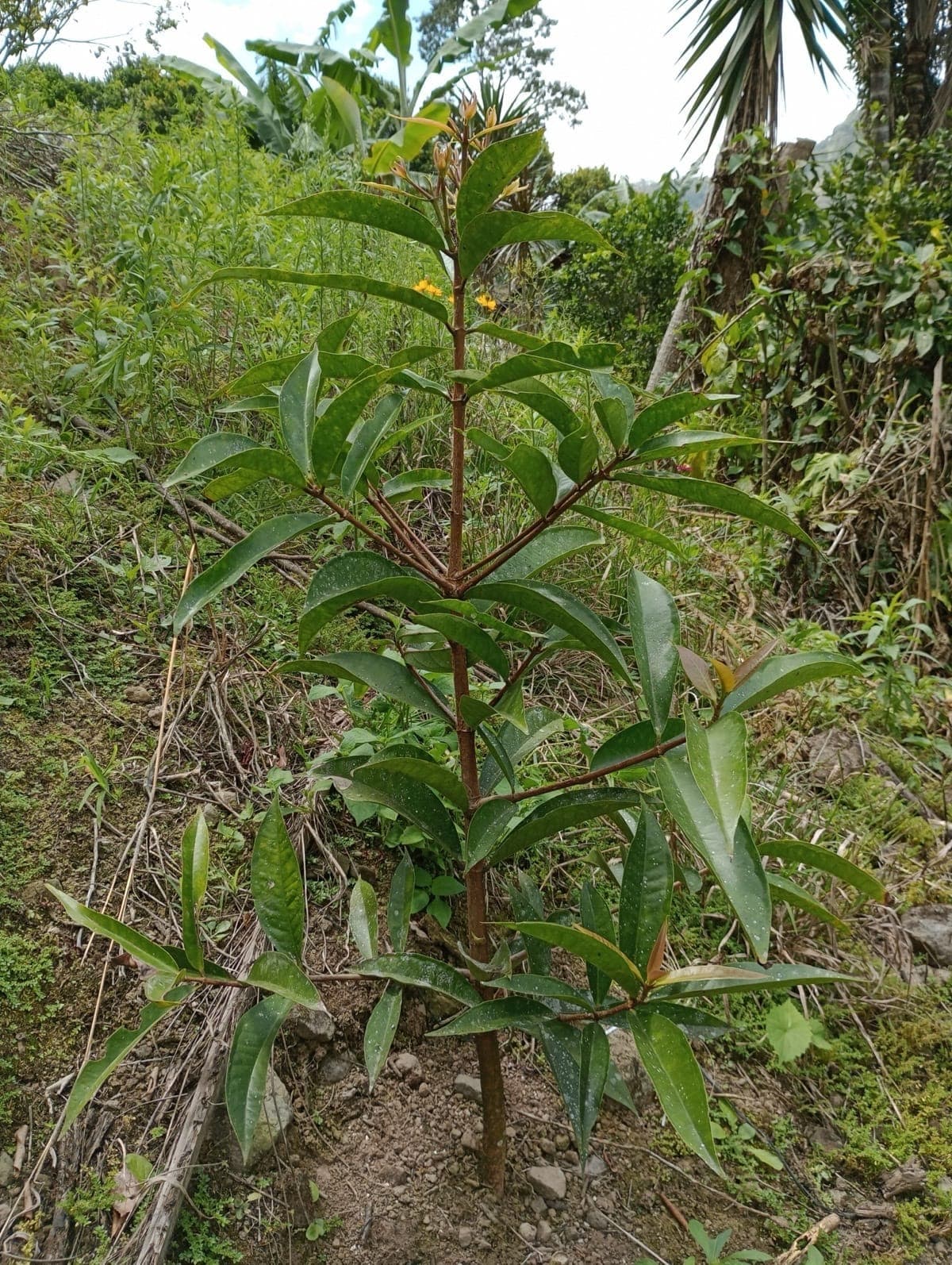
Whole tree
📷 (c) olafo, some rights reserved (CC BY-NC)(CC BY-NC)
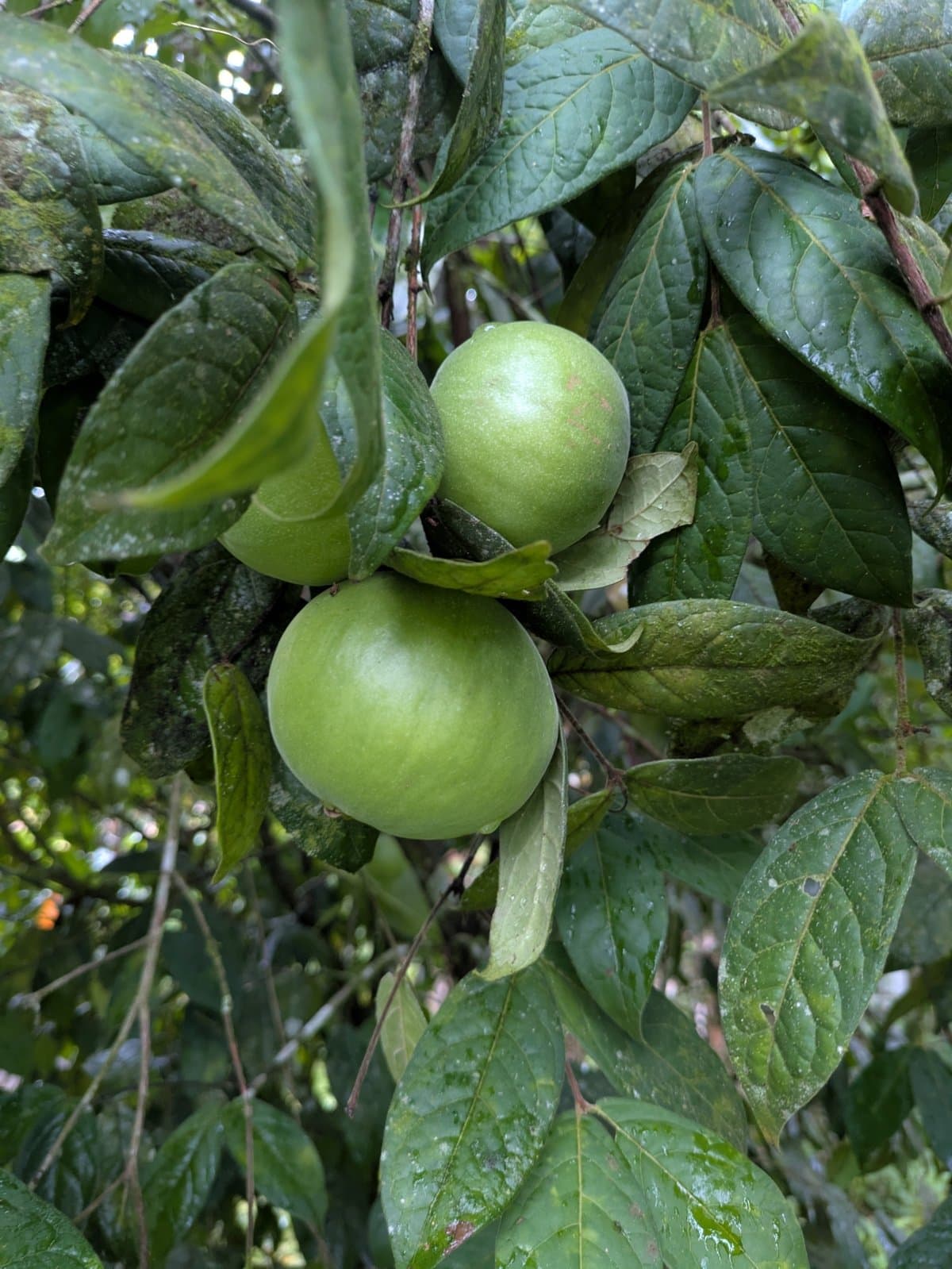
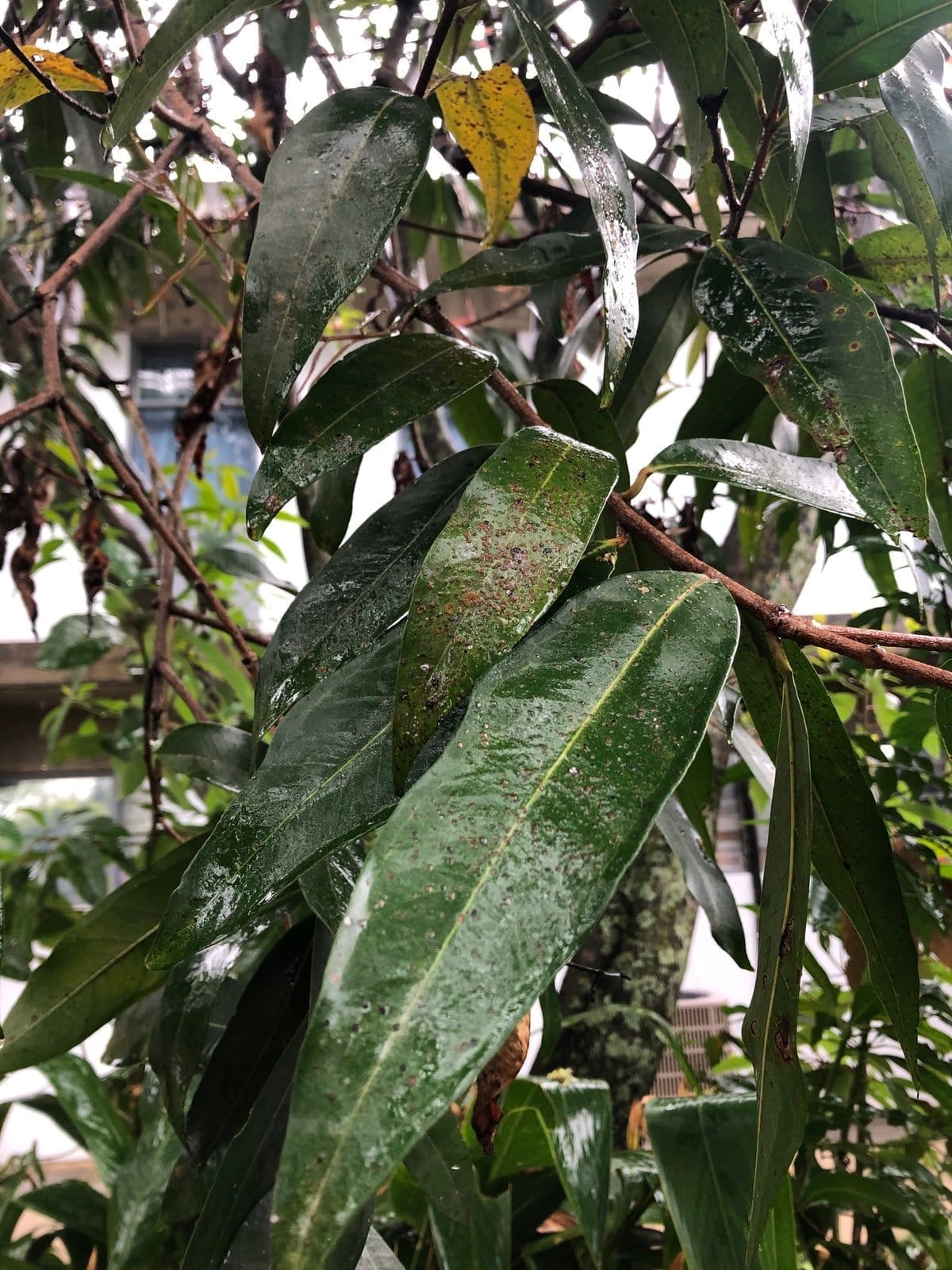
View source ↗Leaves
📷 (c) olafo, some rights reserved (CC BY-NC)(CC BY-NC)
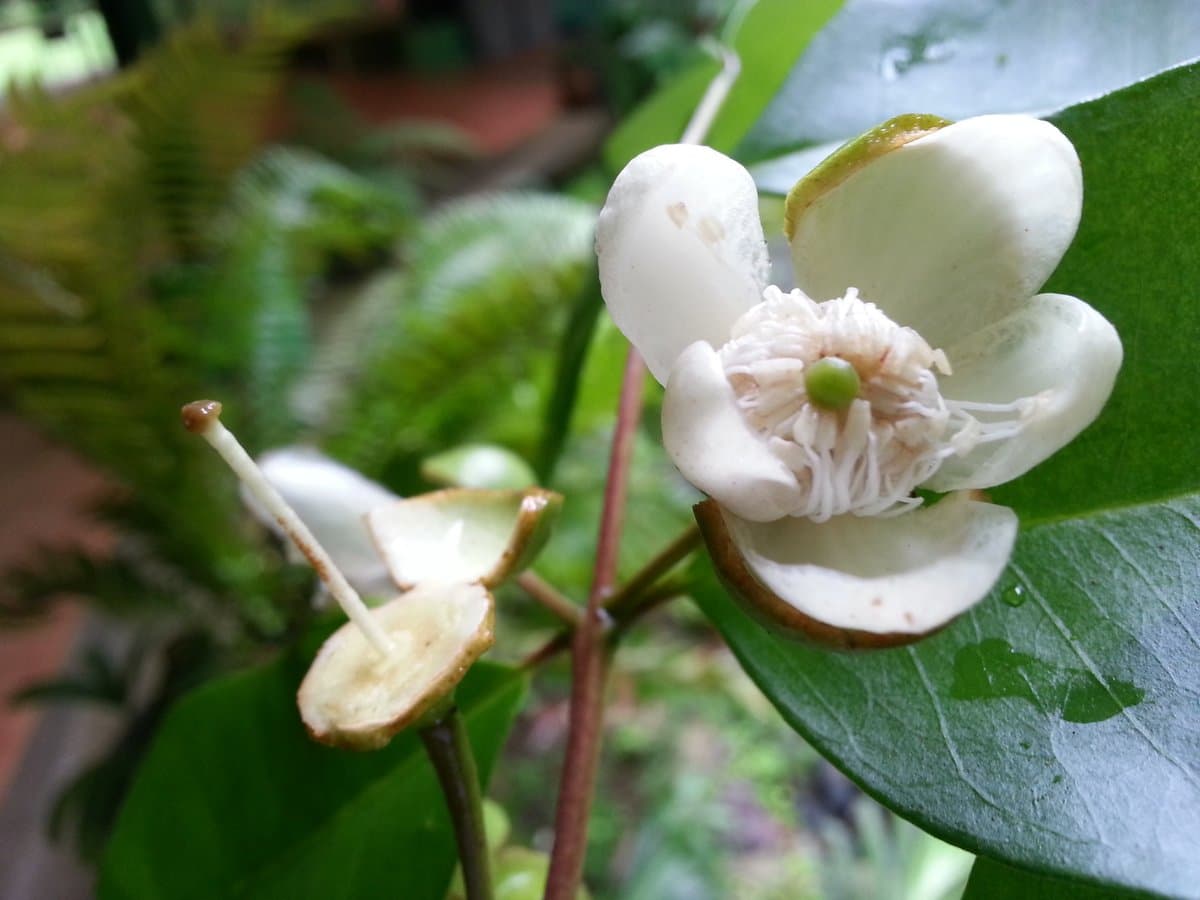
View source ↗Whole tree
📷 (c) ernestors, some rights reserved (CC BY-NC)(CC BY-NC)
View source ↗Leaves
📷 (c) Jean Carlo Barrantes Rodríguez, some rights reserved (CC BY-NC)(CC BY-NC)
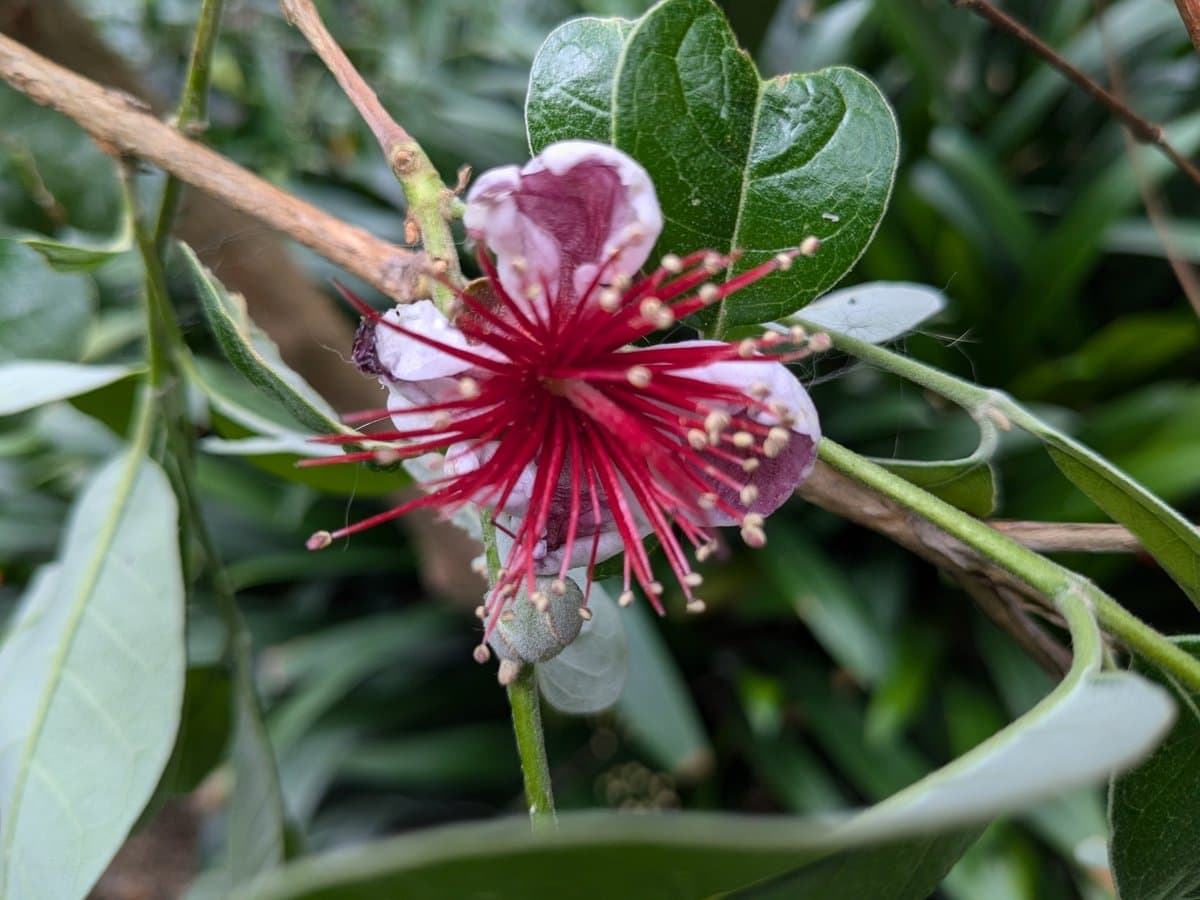
View source ↗Whole tree
📷 (c) Jean Carlo Barrantes Rodríguez, some rights reserved (CC BY-NC)(CC BY-NC)
View source ↗Photos sourced from iNaturalist's community science database. Browse all observations →↗
Taxonomy & Classification
Why "Rose Apple"?
The name perfectly describes this fruit:
The Rose Connection
Fragrance:
- Fruits smell distinctly of roses
- Floral, sweet, unmistakable aroma
- Fragrance permeates when ripe
Flavor:
- Tastes like roses smell
- Lightly sweet, floral
- Crisp, apple-like texture
- Refreshingly mild
Origin of Names:
- Pomarrosa = Spanish "rose apple"
- Manzana rosa = Another Spanish name
- Rose Apple = English common name
- Jambu = Original Malay name (hence jambos)
Physical Description
Tree Form
The Pomarrosa forms a dense, spreading evergreen tree perfect for shade. Its symmetrical crown and glossy foliage make it an attractive landscape specimen.
Identifying Features
The Rose Apple Fruit
Characteristics
How to Enjoy
Eating Rose Apples
Fresh Consumption (most common):
- Wash the fruit
- Bite directly (skin is edible)
- Work around the hollow center with seeds
- Discard seeds
Tips:
- Best served chilled
- Eat same day for crispest texture
- The fragrance is as important as flavor
- Try with lime juice and salt (Costa Rican style)
Other Preparations:
- Light jam/jelly (mild flavor)
- Fruit salads
- Stewed with sugar and spices
- Stuffed (Asian preparations)
Many Costa Ricans enjoy pomarrosa sprinkled with lime juice and a pinch of salt—this combination enhances the rose flavor and adds a refreshing contrast. It's a popular way to eat the fruit on hot summer days.
Distribution in Costa Rica
Where to Find
Naturalization Status
The Pomarrosa is considered naturalized in Costa Rica and some other tropical regions. While valued as an ornamental and fruit tree, it can spread aggressively in disturbed areas and along waterways. In some locations, it's considered invasive and can displace native vegetation.
In Costa Rica: Generally well-integrated into the landscape and not considered a major invasive threat, but its spread is monitored in some conservation areas.
The Syzygium Family
The Pomarrosa belongs to a large genus with many edible members:
The related Manzana de Agua (Syzygium malaccense), which is also common in Costa Rica, is a close relative with larger, red fruits. Both species are sometimes confused, but the Pomarrosa's yellow color and stronger rose fragrance make it easily distinguishable.
Uses
Traditional & Modern
Cultivation
Growing Pomarrosa
Propagation
Growing Rose Apple
From Seed (most common):
- Fresh seeds germinate readily
- Germination: 2-6 weeks
- Plant immediately after extraction
- First fruit: 4-6 years
From Air Layering:
- Faster to fruit (2-3 years)
- Maintains parent characteristics
- Best done in wet season
Care:
- Water regularly when young
- Mulch to retain moisture
- Minimal pruning needed
- Tolerates some drought once established
Ecological Role
In Costa Rica's Environment
Conservation Status
IUCN Status: Least Concern (LC) in native range
In Costa Rica: The Pomarrosa is not threatened—quite the opposite. As an introduced species that has naturalized, it requires no protection and may even need management in some conservation areas where it competes with native vegetation.
Balance:
- Valued ornamental and fruit tree
- Important in traditional gardens
- Monitored in protected areas
- Part of Costa Rica's cultural landscape
Cultural Significance
Though introduced from Asia, the Pomarrosa has become thoroughly Costa Rican. It graces countless gardens, school patios, and park corners throughout the Central Valley. The experience of picking ripe rose apples on a warm afternoon, their fragrance filling the air, is a shared memory for many Costa Ricans. This adopted tree has earned its place in the country's botanical and cultural heritage.
Where to See Pomarrosa
Where to Find Pomarrosa in Costa Rica
Urban & Garden Settings:
Rural & Farm Settings:
Visit during the flowering season (March-May) to see the spectacular white pompom flowers, or during fruit season (May-August) to smell and taste the rose-scented fruit. The coppery-pink new growth in early rainy season is also particularly attractive.
External Resources
Community observations and photos
Kew Gardens botanical database
Comprehensive uses database
Missouri Botanical Garden nomenclature
Global biodiversity occurrence data and distribution maps
Conservation status and species assessment
References
📚 Scientific References & Further Reading
Morton, J.F. (1987). Rose Apple (Syzygium jambos). Fruits of Warm Climates
Whistler, W.A. (2000). Tropical Ornamentals: A Guide. Timber Press
Govaerts, R. et al. (2008). World Checklist of Myrtaceae. Royal Botanic Gardens, Kew
Craven, L.A. & Biffin, E. (2010). An infrageneric classification of Syzygium (Myrtaceae). Blumea
The Pomarrosa (Syzygium jambos) demonstrates how a well-adapted introduced species can become beloved over generations. Its rose-scented fruits offer a unique sensory experience—eating something that tastes the way a rose smells. Whether shading a garden in Alajuela or lining a street in Cartago, the Pomarrosa has become an integral part of Costa Rica's living landscape.
Safety Information Disclaimer
Safety information is provided for educational purposes only. Individual reactions may vary significantly based on age, health status, amount of exposure, and individual sensitivity. Always supervise children around plants. Consult a medical professional or certified arborist for specific concerns. The Costa Rica Tree Atlas is not liable for injuries or damages resulting from interaction with trees described in this guide.
• Always supervise children around plants
• Consult medical professional if unsure
• Seek immediate medical attention if poisoning occurs
Information compiled from authoritative toxicology sources, scientific literature, and medical case reports.
Help improve this page
Know something about this tree? Share local knowledge, suggest a correction, or submit a photo to improve this guide for everyone.