Orey
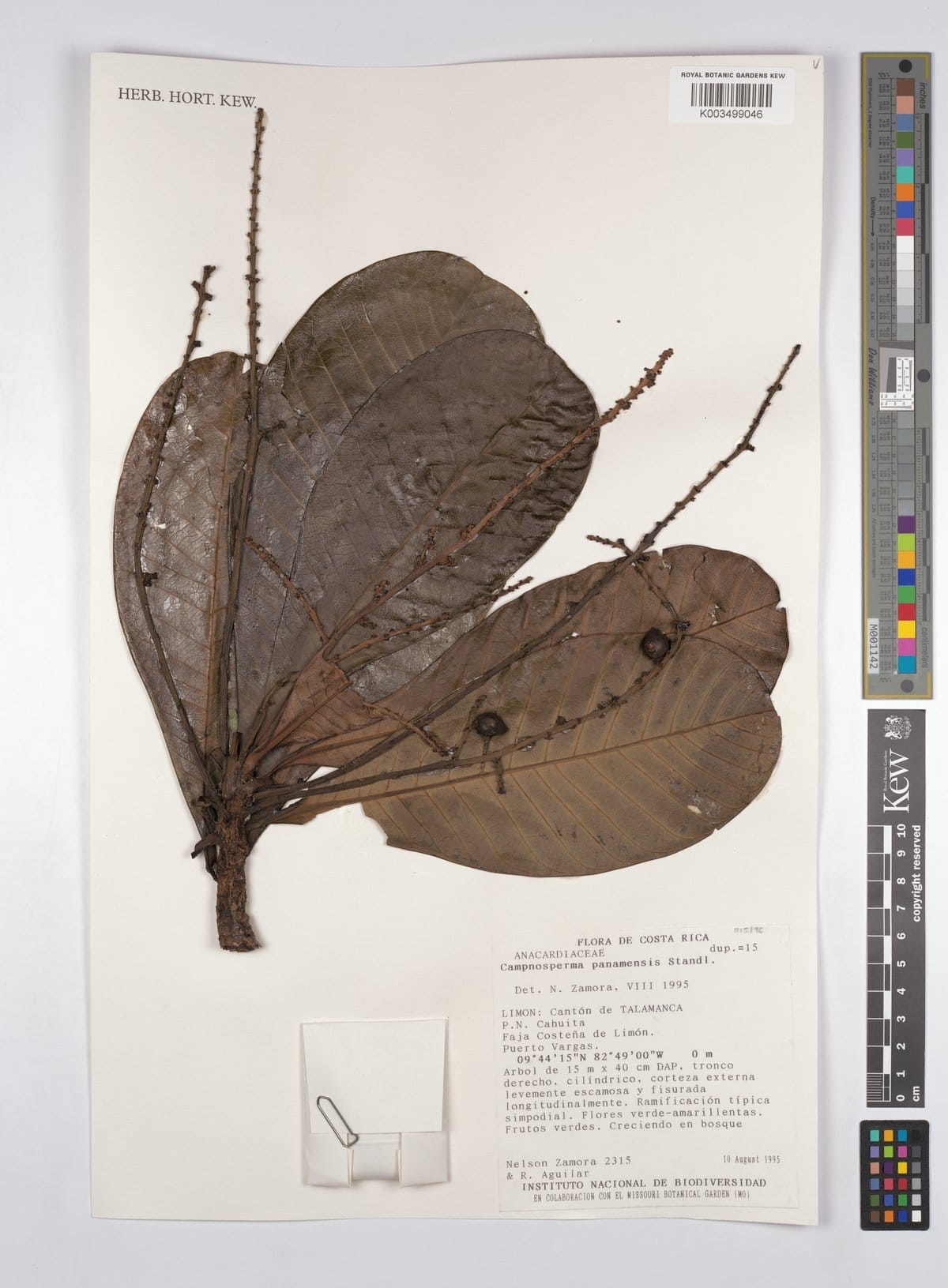
Campnosperma panamense
Quick facts
Native Region
Central America
Max Height
25-35 meters (82-115 feet)
Family
Anacardiaceae
Conservation
LC — Least Concern
Uses
Safety Information
Toxicity Details
Orey (Campnosperma panamense) is in the Anacardiaceae family, which includes cashew, mango, and poison ivy. However, Orey appears to have low toxicity levels. No significant ingestion hazards documented, though as with other Anacardiaceae, caution is warranted. Not considered a dangerous tree, but family relationship suggests mild caution. Generally safe in landscapes.
Skin Contact Risks
As a member of Anacardiaceae, Orey may contain trace amounts of urushiol or similar compounds in sap and bark. Most people can handle the tree without reaction. Some sensitive individuals (especially those with cashew, mango, or poison ivy allergies) may experience mild contact dermatitis. The tree is much less aggressive than poison ivy relatives. Wash skin if sap contact occurs. Serious reactions are uncommon.
Allergenic Properties
Individuals with strong allergies to other Anacardiaceae (cashew, mango, poison ivy) should exercise caution. Cross-reactivity possible but typically mild. Most people tolerate contact without issue. Wood dust may cause respiratory irritation during processing (use protective equipment).
Structural Hazards
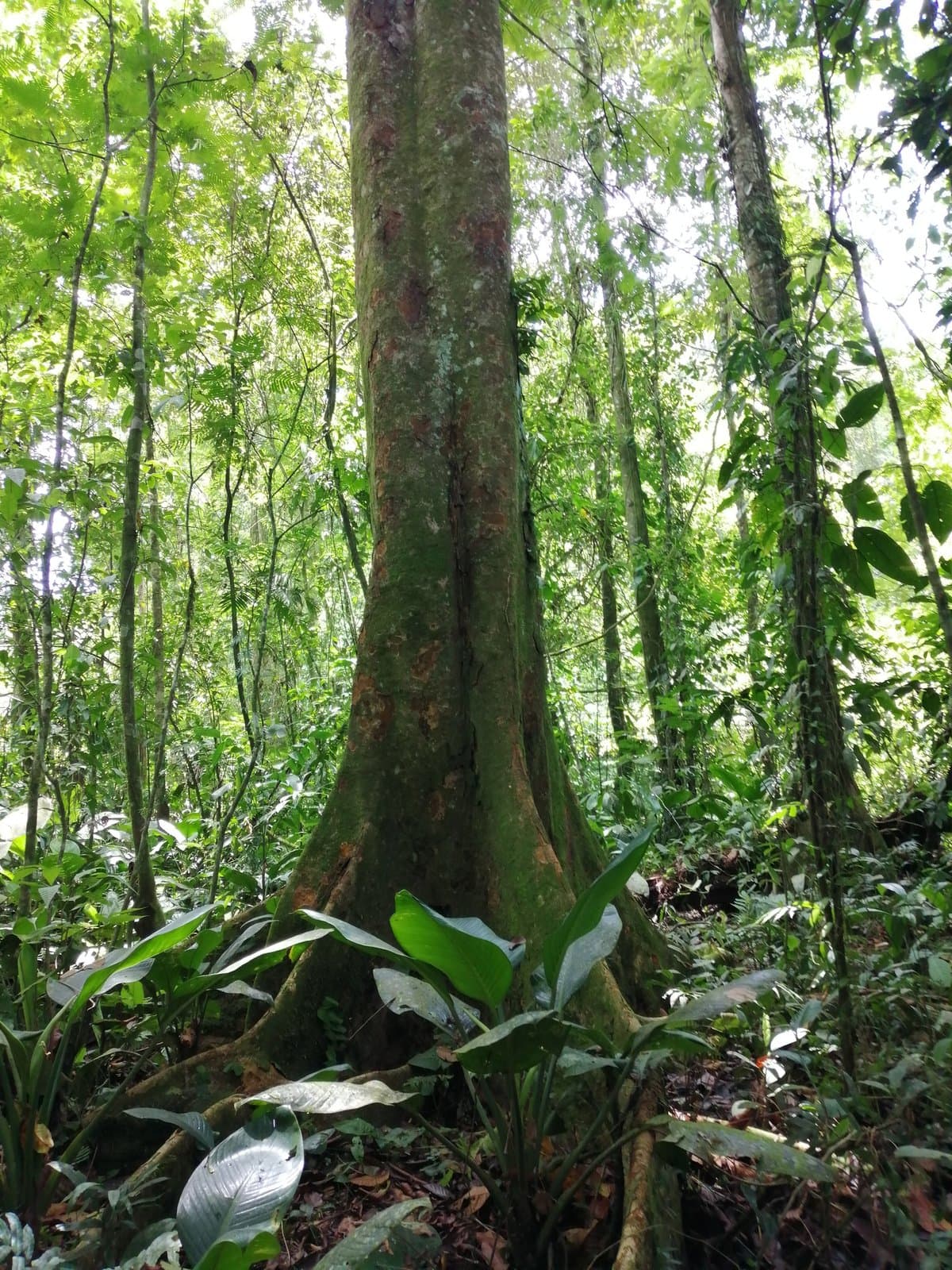
Medium tree (25-35 meters) with distinctive stilt roots. The stilt roots create uneven ground and trip hazards at tree base. Branches can fall during storms. Grows in wetland areas where footing may be unstable. Consider these factors when planting near paths or structures.
Wildlife & Pet Risks
Safe for wildlife. Important wetland habitat tree. No significant toxic effects on animals documented.
Season
Flowering
Jan-Feb, Dec
Fruiting
Mar-May
How to identify
Orey
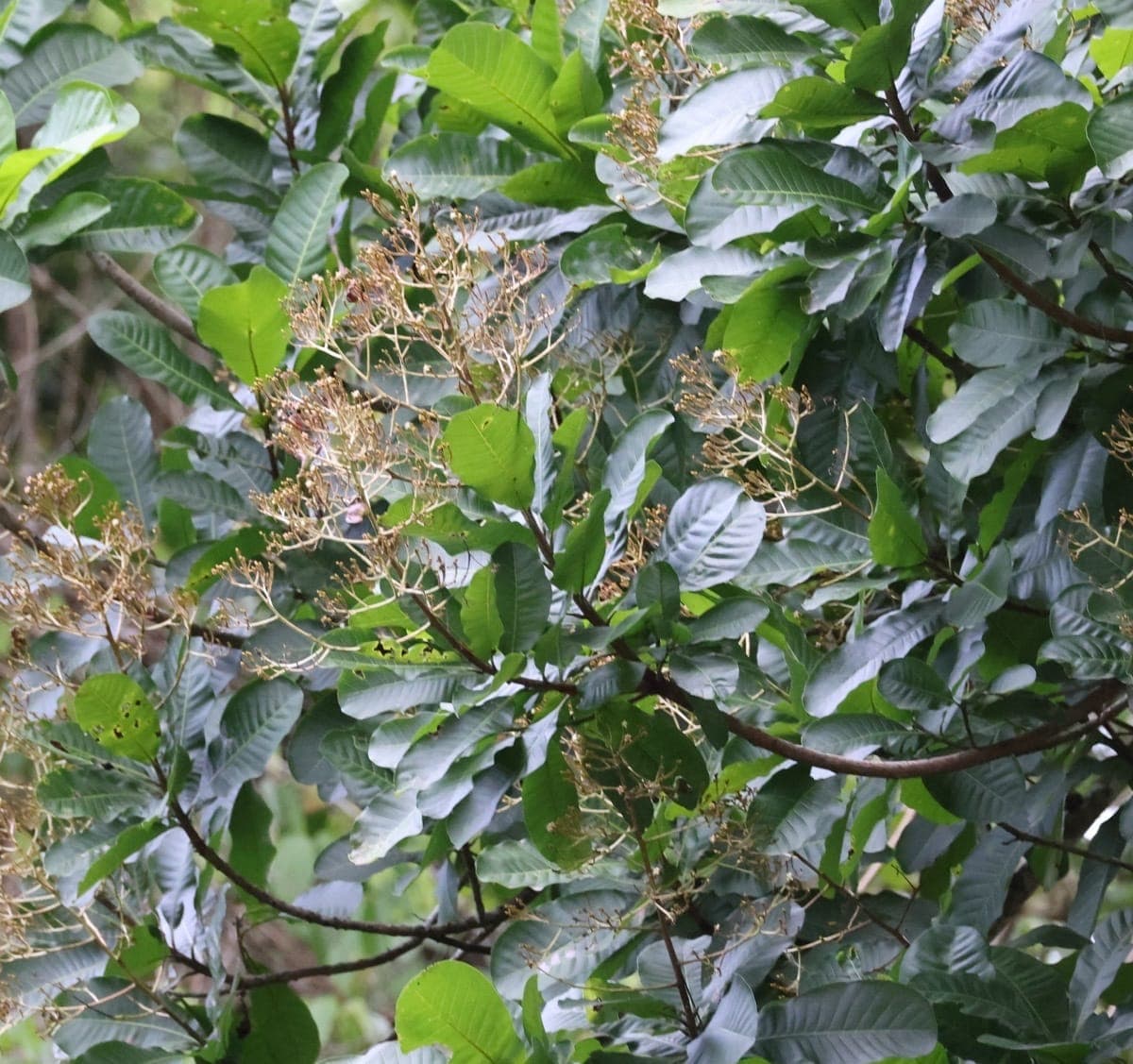
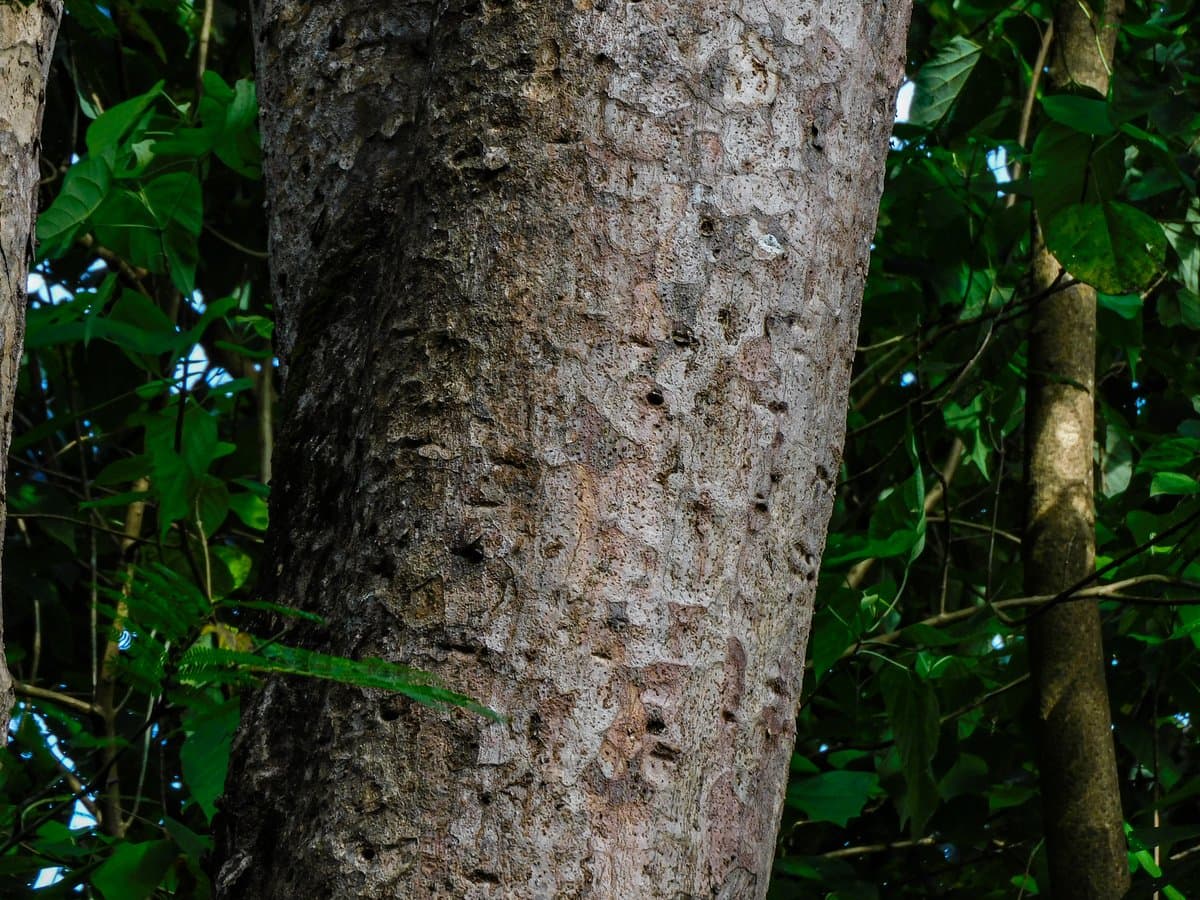
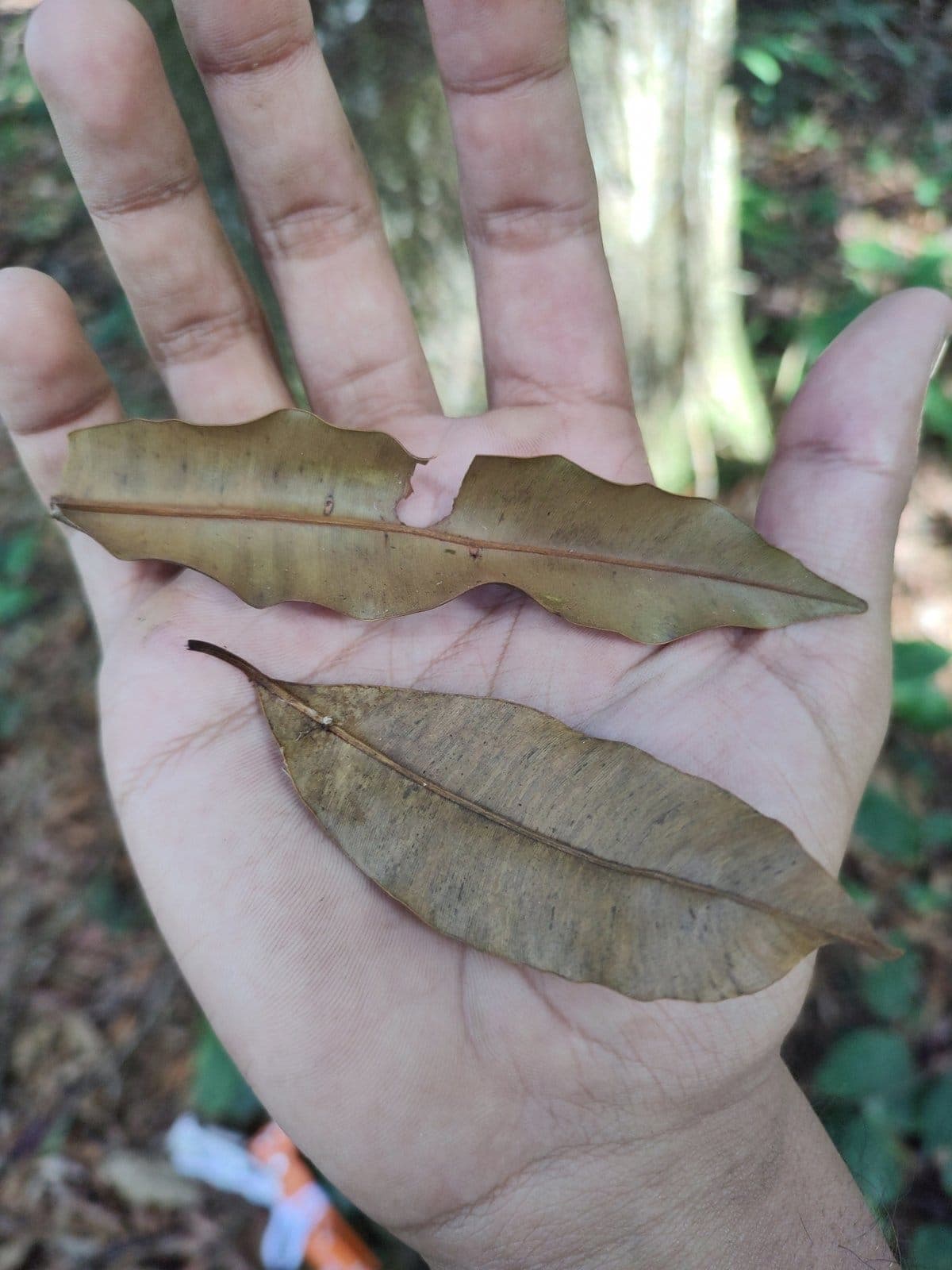
Orey (Campnosperma panamense) is a remarkable wetland specialist that dominates the flooded forests of Costa Rica's Caribbean lowlands. With its distinctive stilt roots and ability to thrive in permanently waterlogged conditions, it represents one of nature's most specialized tree adaptations.
Quick Reference
iNaturalist Observations
Community-powered species data
📸 Photo Gallery
The Orey (Campnosperma panamense) is one of Costa Rica's least documented tree species. It grows primarily in remote, flooded swamp forests that are difficult to access, and very few photographs exist in scientific databases.
Help document this rare species! If you photograph Orey in the wild, please contribute to iNaturalist↗ or GBIF↗ to help build the scientific record.
Taxonomy & Classification
Geographic Distribution
Geographic Distribution
Where to Find Orey in Costa Rica
Primary Habitats:
Elevation: Sea level to ~300 m
Habitat & Ecology
Ecological Role
Orey creates unique wetland ecosystems:
Wildlife Associations
Animals found in Orey swamps:
Orey forests are significant peat-forming ecosystems. The waterlogged, oxygen-poor conditions slow decomposition, allowing organic matter to accumulate over millennia. These peat deposits store enormous amounts of carbon.
Botanical Description
Wood Properties
Appearance
Physical Properties
Uses & Applications
Despite its wetland origin, Orey produces good quality veneer for plywood production. The straight grain and workability make it valuable for interior applications where durability is less critical.
Conservation Status
Conservation Concerns
Threats to Orey:
Growing Orey
Where to See Orey Trees
Best Locations in Costa Rica
Protected Areas:
Tips:
External Resources
Community observations, photos, and distribution data
Global observations
Botanical information and nomenclature
Missouri Botanical Garden
Conservation status and species assessment
References
📚 Scientific References & Further Reading
Myers, R.L. (1990). Palm swamps in the neotropics. Ecosystems of the World 15B: Forested Wetlands
Holdridge, L.R., et al. (1971). Forest Environments in Tropical Life Zones. Pergamon Press, Oxford
The Orey (Campnosperma panamense) exemplifies nature's ability to adapt to extreme conditions. Rising on stilt roots from permanently flooded forests, this tree has mastered an environment where few others can survive. As Costa Rica's wetlands face mounting pressures, protecting Orey forests means preserving unique ecosystems that have developed over millennia.
🌳 ¡Pura Vida!
Safety Information Disclaimer
Safety information is provided for educational purposes only. Individual reactions may vary significantly based on age, health status, amount of exposure, and individual sensitivity. Always supervise children around plants. Consult a medical professional or certified arborist for specific concerns. The Costa Rica Tree Atlas is not liable for injuries or damages resulting from interaction with trees described in this guide.
• Always supervise children around plants
• Consult medical professional if unsure
• Seek immediate medical attention if poisoning occurs
Information compiled from authoritative toxicology sources, scientific literature, and medical case reports.
Help improve this page
Know something about this tree? Share local knowledge, suggest a correction, or submit a photo to improve this guide for everyone.