Tamarindo
Tamarindus indica
Quick facts
Native Region
Tropical Africa (possibly tropical Asia)
Max Height
15-25 meters
Family
Fabaceae
Conservation
LC — Least Concern
Uses
Safety Information
Toxicity Details
Tamarind fruit is safe and highly nutritious. The pulp is commonly consumed worldwide. Seeds are edible when cooked. No toxic parts. Safe for children and pets in normal quantities. Tamarind is a common food ingredient with a long history of safe consumption. The fruit is naturally high in tartaric acid which gives it the sour taste - this is not harmful and is actually beneficial.
Skin Contact Risks
No significant skin hazards. The fruit pulp, leaves, and bark do not cause skin irritation. The pods are handled safely. No latex or irritating compounds present. Generally safe to handle.
Allergenic Properties
Tamarind allergy is rare but documented. Reactions can include oral allergy syndrome, skin rashes, or in rare cases anaphylaxis. Cross-reactivity with other legumes (soy, peanuts) is possible but uncommon. The seeds contain trypsin inhibitors which are inactivated by cooking. Most people tolerate tamarind well - it's a common food ingredient worldwide.
Season
Flowering
May-Jul
Fruiting
Jan-Mar, Dec
How to identify
Tamarindo (Tamarind)
The Tamarind (Tamarindus indica) is a grand leguminous tree that has conquered the tropical world with its irresistibly tangy fruit. Originally from Africa, tamarind traveled along ancient trade routes to become essential in cuisines from India to Mexico, Thailand to the Caribbean. Its brown, sticky pulp—sweet, sour, and complex—flavors countless dishes, beverages, and candies. In Costa Rica, no summer is complete without ice-cold "refresco de tamarindo," and vendors hawk tamarind candies at every town fiesta. Beyond its culinary gifts, the Tamarind is a magnificent shade tree, its feathery foliage and massive trunk making it one of the most recognizable and beloved trees in the tropical landscape.
Quick Reference
iNaturalist Observations
Community-powered species data
📸 Photo Gallery
Whole tree
📷 (c) Riley Jauniaux, some rights reserved (CC BY-NC)(CC BY-NC)
View source ↗Leaves
📷 (c) Riley Jauniaux, some rights reserved (CC BY-NC)(CC BY-NC)
View source ↗Whole tree
📷 (c) Wolfgang Bittermann, some rights reserved (CC BY-NC)(CC BY-NC)
View source ↗Leaves
📷 (c) Federico A. Chinchilla Romero, some rights reserved (CC BY-NC)(CC BY-NC)
View source ↗Whole tree
📷 (c) mayer212, some rights reserved (CC BY-NC)(CC BY-NC)
View source ↗Photos sourced from iNaturalist community science database. View all observations →↗
Taxonomy and Classification
- Tamarindus: From Arabic "tamar hindi" (Indian date) - indica: From India (where Arabs first encountered it) - The tree is actually African, but reached India early - Only species in its genus (monotypic)
Common Names
Physical Description
Overall Form
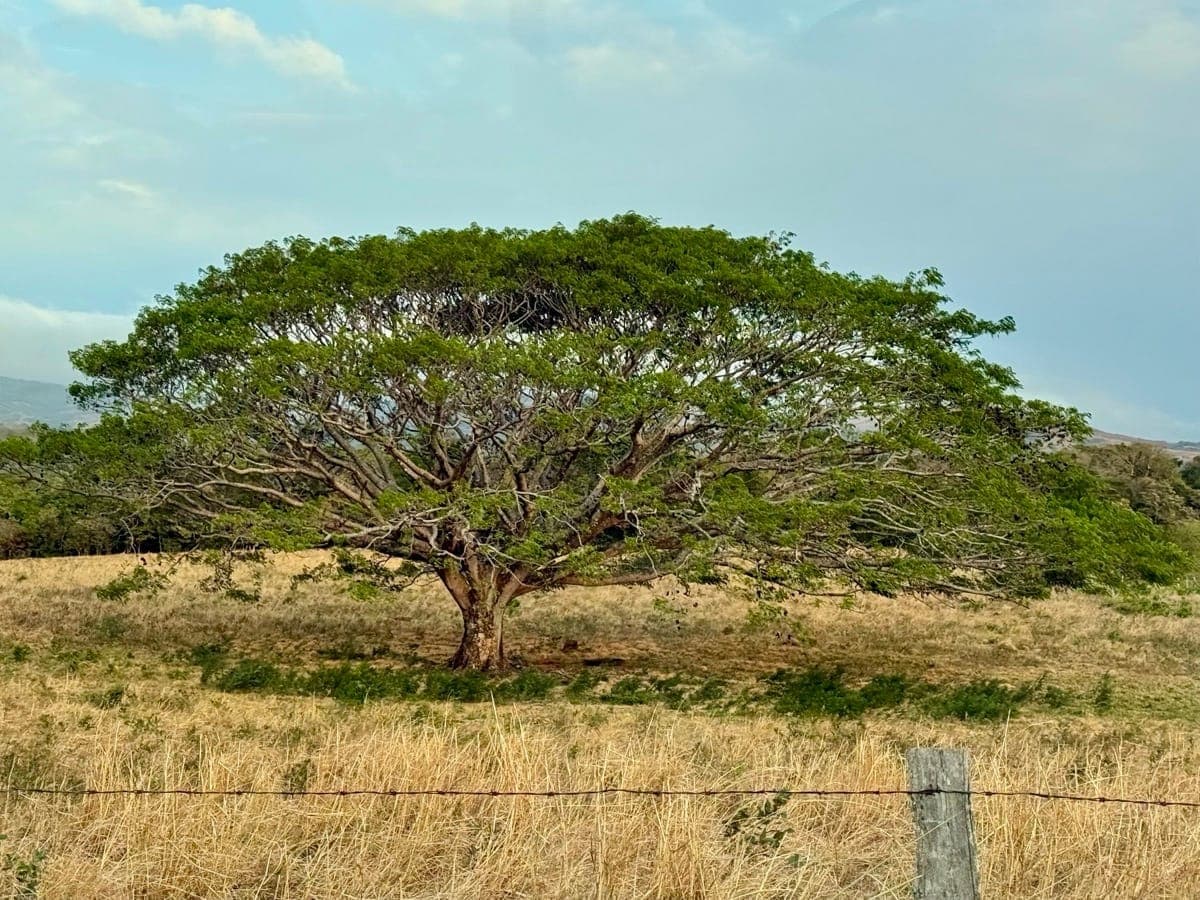
The Tamarind is a large, long-lived evergreen tree with a dense, spreading crown and massive trunk. Old specimens are truly impressive—their thick, gnarled trunks and vast canopies dominating the landscape. The tree can live for several hundred years, becoming landmarks in their communities.
Distinctive Features
Leaves
- Type: Pinnately compound
- Leaflets: 10-40 pairs, small
- Size: Leaflets 1-2.5 cm each
- Texture: Delicate, feathery
- Behavior: Close at night (nyctinasty)
- Evergreen: In wet climates; deciduous in dry
Bark
- Color: Dark gray to black
- Texture: Deeply fissured, rough
- Pattern: Scaly, rugged
- Appearance: Ancient-looking even when young
The Tangy Pods
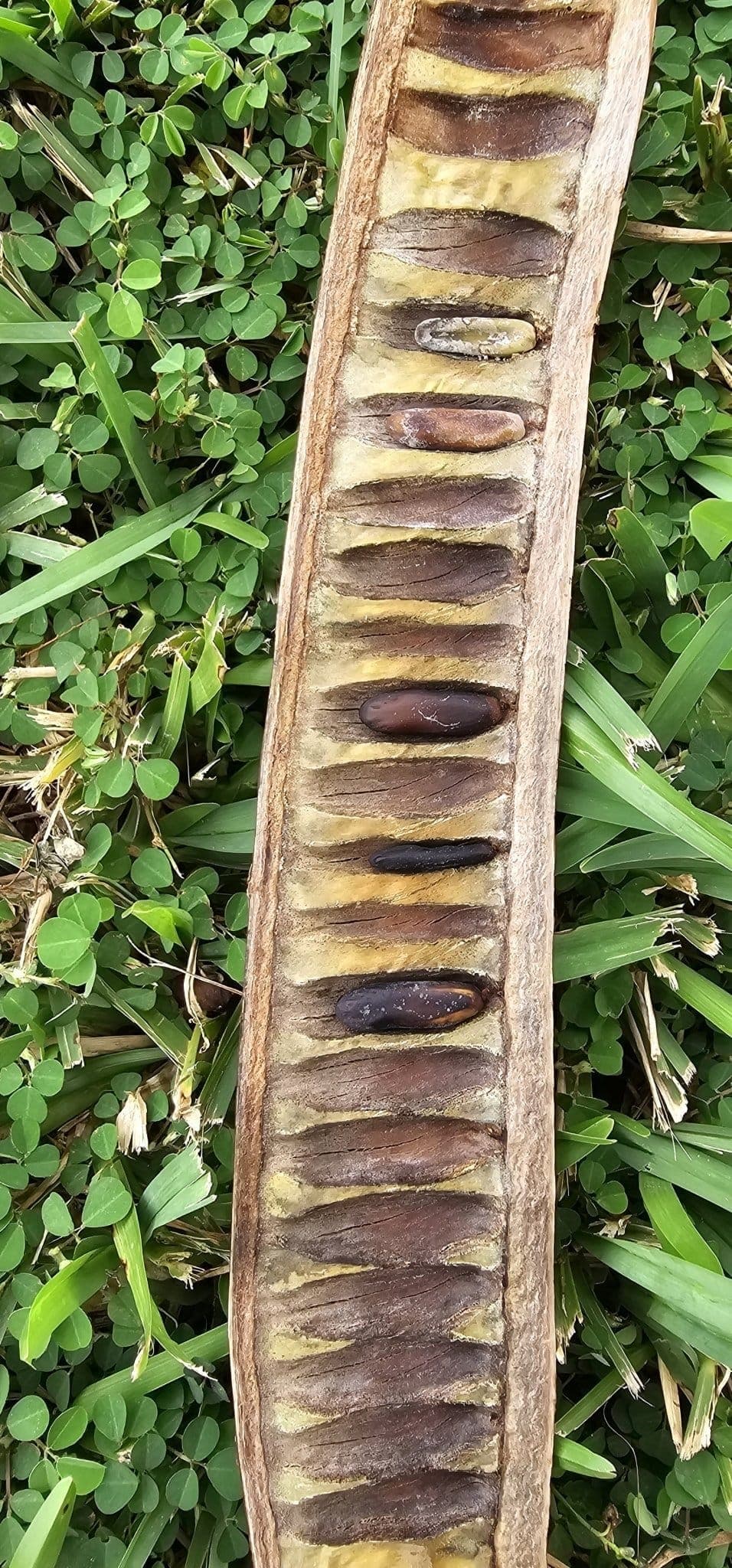
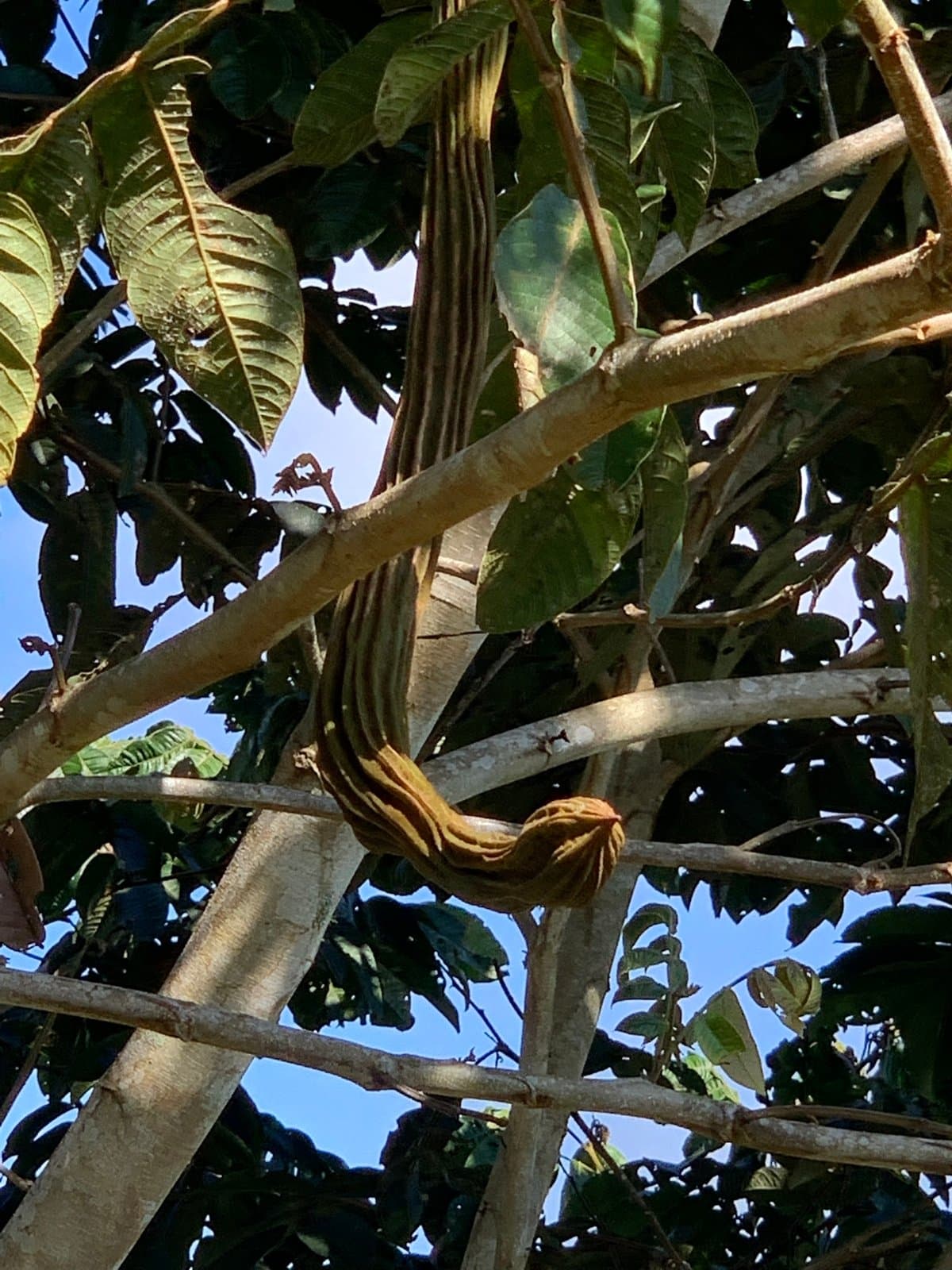
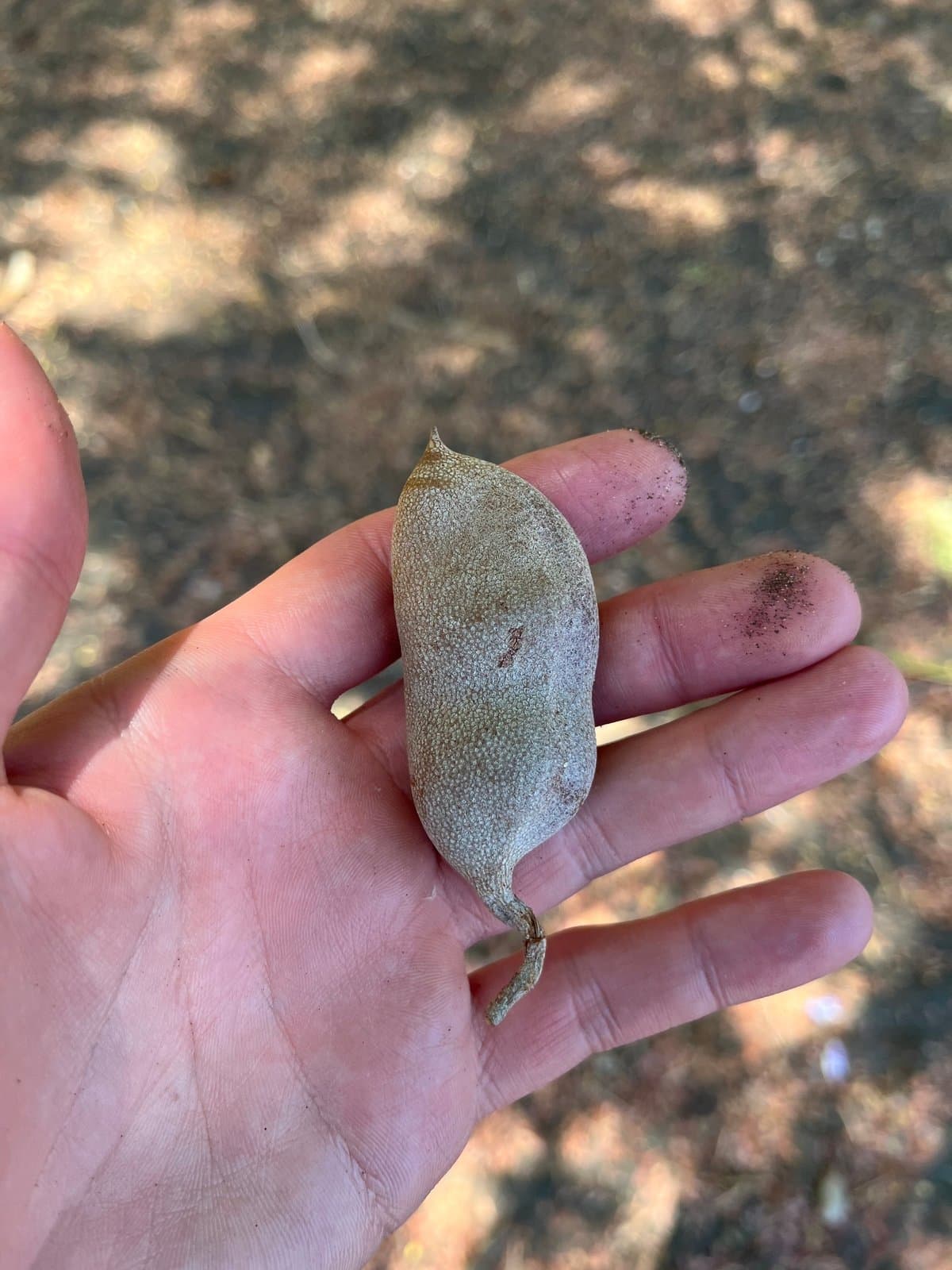
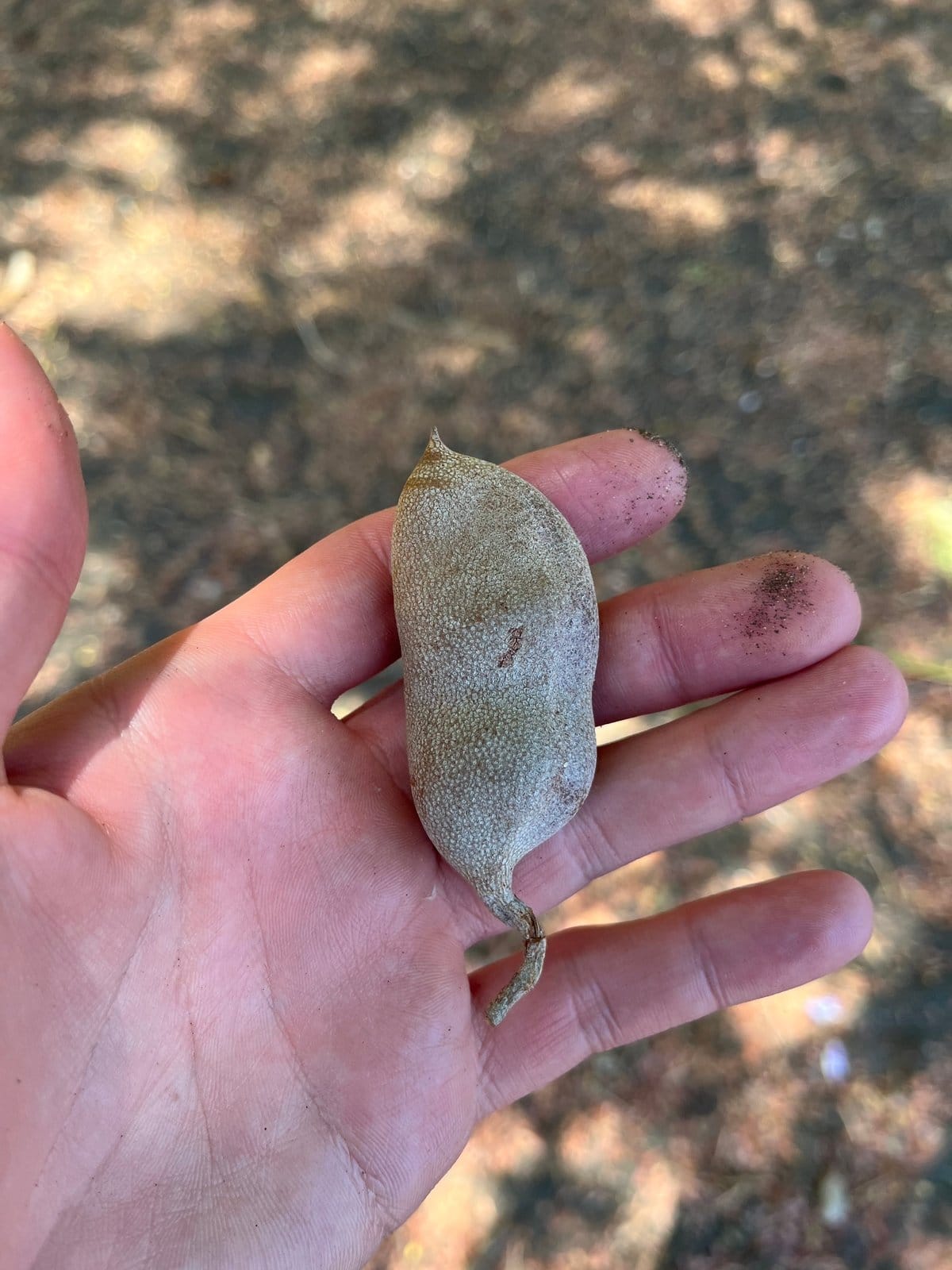
- Shape: Elongated, curved, lumpy
- Length: 7-20 cm
- Shell: Brittle brown when ripe
- Pulp: Sticky, brown, fibrous
- Seeds: 4-12 per pod, hard, shiny
- Flavor: Sweet-sour, complex
Flowers
- Type: Small, inconspicuous
- Color: Yellow with red veins
- Size: 2.5 cm across
- Arrangement: Few-flowered racemes
- Timing: Dry season
Tamarind's flavor is a masterclass in sweet-sour balance: Taste Profile: - Tartaric acid: Principal sour component - Natural sugars: Up to 30-40% in ripe fruit - Fruity complexity: Hints of dried fruit, caramel - Tangy finish: Refreshing and moreish This unique flavor profile makes tamarind irreplaceable in: - Pad Thai and other Asian dishes - Agua de tamarindo (Latin America) - Worcestershire sauce - Indian chutneys and sambar - Candies worldwide
History and Global Spread
From Africa to the World
An Ancient Traveler
Tamarind's journey across the world: African Origins: - Native to tropical Africa (Sudan region) - Wild populations still exist there - Ancient cultivation history Spread to Asia: - Reached India thousands of years ago
- Became so integrated that Arabs called it "Indian date" - Central to Indian cuisine ever since To the Americas: - Spanish and Portuguese brought it (1500s-1600s) - Spread throughout Caribbean and Latin America - Now naturalized in suitable climates Today: - Grown in over 50 countries - India is largest producer - Thailand major exporter - Essential ingredient globally
Distribution and Habitat
Global Distribution
Geographic Distribution
Distribution in Costa Rica
The Town of Tamarindo
Costa Rica's famous beach town Playa Tamarindo in Guanacaste was named for the tamarind trees that grow in the area. - Popular surf and tourist destination - Large tamarind trees still present - Town's identity linked to the tree A visit to Tamarindo isn't complete without trying "agua de tamarindo" under the shade of the namesake trees!
Habitat Preferences
Ecological Role
Wildlife Value
Fruit Consumers
- Monkeys: Love the pods
- Parrots and Parakeets: Important food
- Many bird species: Attracted to fruit
- Bats: Some species eat pulp
- Livestock: Goats, cattle eat fallen pods
- Insects: Various attracted to flowers/fruit
Tree Services
- Major shade provider: Huge canopy
- Nitrogen fixation: As a legume
- Nesting habitat: Large branches
- Windbreak: Dense crown
- Soil improvement: Leaf litter enriches soil
Uses and Products
Culinary Uses
A World of Flavor
Tamarind's culinary applications span the globe: Beverages: - Agua de tamarindo (Latin America) - Tamarind juice (worldwide) - Sodas and soft drinks
- Cocktail ingredient Savory Dishes: - Pad Thai (Thailand) - Sambar and rasam (India) - Worcestershire sauce (UK) - Fish and meat sauces - Soups and stews Sweet Treats: - Tamarind candy (Mexico, worldwide) - Tamarind balls (Caribbean) - Chutneys and pastes - Ice cream and popsicles Condiments: - Tamarind paste/concentrate - Sauces and dips - Marinades
Agua de Tamarindo
Making traditional "agua de tamarindo": Ingredients: - Tamarind pods (shelled) - Water - Sugar to taste Method: 1. Soak tamarind pulp in warm water 2. Mash and strain to remove seeds/fibers 3. Add cold water to dilute 4. Sweeten to taste 5. Serve very cold, often with ice Tips: - Adjust sweetness to balance sourness - Can add lime for extra tang - Best made fresh
- Perfect for hot days! In Costa Rica, this is one of the most refreshing "refrescos naturales."
Other Uses
The Wood
Tamarind wood is highly valued: Characteristics: - Very hard and dense - Heartwood dark red-brown - Fine grain - Takes excellent polish - Durable Uses: - Fine furniture - Wood turning - Tool handles - Carving - Flooring The large size and slow growth mean quality specimens are increasingly valuable.
Sources: Morton, Fruits of Warm Climates - Tamarind↗, El-Siddig et al. (2006)↗, GBIF species profile↗
Nutritional Value
Cultivation
Growing Tamarind
Cultural Significance
In Costa Rica
Tamarind in Costa Rican culture: - Refresco de Tamarindo: Essential summer drink - Dulce de Tamarindo: Popular candy - Tamarindo Beach: Famous surf destination - Plaza Trees: Shading town squares - Market Staple: Fresh pods and pulp The sour-sweet taste of tamarindo is quintessentially tropical and evokes lazy hot afternoons, beach days, and fiestas.
Global Importance
- India: Central to cuisine, temple trees
- Thailand: "Queen of Fruits," essential ingredient
- Mexico: Tamarind candy is iconic
- Africa: Traditional use continues
Identification Guide
How to Identify Tamarind
Where to See Tamarind in Costa Rica
For the full tamarind experience in Costa Rica: Visit During Dry Season (December-April): - Pods are ripe and harvesting occurs - Fresh tamarind available at markets - Best "agua de tamarindo" season What to Do: - Try fresh pods (break shell, eat pulp around seeds) - Order "agua de tamarindo" everywhere - Buy tamarind candies - Admire the magnificent old trees Don't miss trying tamarind in its various forms—it's a quintessential tropical taste!
External Resources
Community observations and photos
Agricultural information
Detailed botanical reference
Global biodiversity occurrence data and distribution maps
Conservation status and species assessment
References
📚 Scientific References & Further Reading
Morton, J.F. (1987). Tamarind in Fruits of Warm Climates. Julia F. Morton, Miami
El-Siddig, K. et al. (2006). Tamarind: Tamarindus indica L.. Southampton Centre for Underutilised Crops
Gunasena, H.P.M. & Hughes, A. (2000). Tamarind. International Centre for Underutilised Crops
From its origins in the African savanna to its status as an essential ingredient in cuisines from Bangkok to Guanacaste, the Tamarind has traveled farther and embedded itself deeper than almost any other fruit tree. Its secret is that irresistible sweet-sour complexity— a flavor impossible to replicate synthetically, that somehow works equally well in a Thai curry, a Mexican candy, and a Costa Rican refresco. But beyond its culinary magic, the Tamarind is simply a magnificent tree: those massive, ancient-looking trunks, the delicate feathery foliage that folds at dusk like a prayer, the dense shade that has cooled generations of tropical towns. When you drink an ice-cold agua de tamarindo in the shade of a centuries-old tree, you're participating in a tradition that spans continents and millennia. That's the gift of the Tamarind—a taste of the tropical world in every tangy-sweet sip.
Safety Information Disclaimer
Safety information is provided for educational purposes only. Individual reactions may vary significantly based on age, health status, amount of exposure, and individual sensitivity. Always supervise children around plants. Consult a medical professional or certified arborist for specific concerns. The Costa Rica Tree Atlas is not liable for injuries or damages resulting from interaction with trees described in this guide.
• Always supervise children around plants
• Consult medical professional if unsure
• Seek immediate medical attention if poisoning occurs
Information compiled from authoritative toxicology sources, scientific literature, and medical case reports.
Help improve this page
Know something about this tree? Share local knowledge, suggest a correction, or submit a photo to improve this guide for everyone.