Zapatero
Hieronyma oblonga
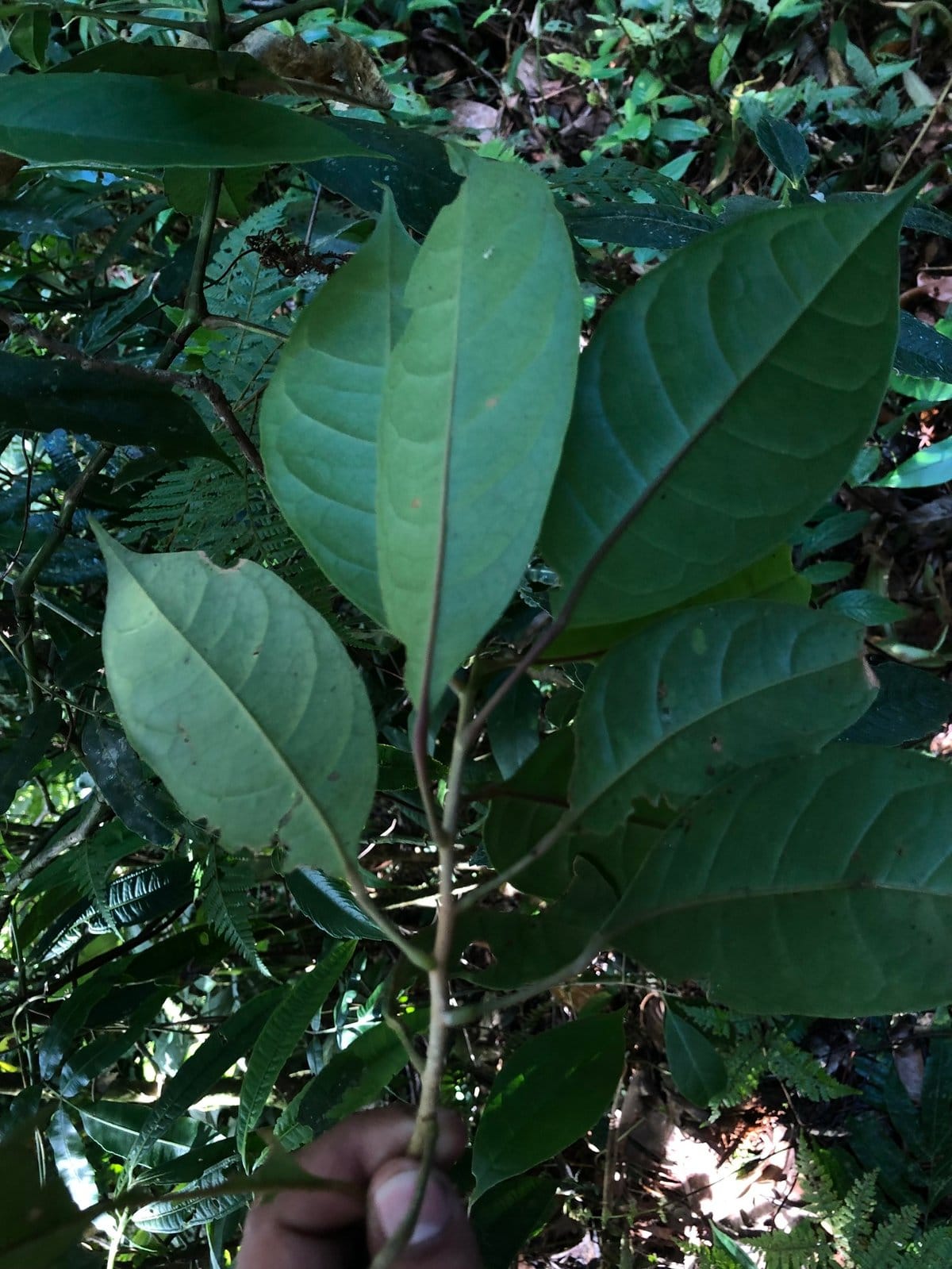
Quick facts
Native Region
Central and South America
Max Height
25-40 meters
Family
Phyllanthaceae
Conservation
LC — Least Concern
Uses
Safety Information
Toxicity Details
Zapatero (Hieronyma oblonga) is in the Phyllanthaceae family and is generally safe. The distinctive red inner bark contains tannins and red pigments but is not significantly toxic. The tree has been used traditionally for dyes, indicating the compounds are not dangerous when handled. No significant ingestion hazards documented. Overall, a safe timber tree.
Skin Contact Risks
The red inner bark may stain skin and clothing but is not caustic or severely irritating. The red coloration comes from tannins and natural dyes. Most people can handle the bark without significant skin reactions. Some individuals may experience mild irritation from bark compounds. Wash skin if contact with bark sap occurs. Generally safe to handle.
Allergenic Properties
Minimal allergenic properties. Pollen may cause mild seasonal allergies in sensitive individuals. Wood dust during processing may cause respiratory irritation (use protective equipment when sawing). Overall allergen risk is low.
Structural Hazards
Medium to large tree (25-40 meters) growing in wet forests. Falling branches possible during storms. The wood is hard and durable, providing good structural integrity. Consider appropriate spacing from structures and high-traffic areas.
Wildlife & Pet Risks
Safe for wildlife. Provides forest habitat. No toxic effects on animals documented.
Season
Flowering
Mar-May
Fruiting
Jun-Sep
How to identify
Zapatero
Zapatero (Hieronyma oblonga) is one of Costa Rica's most durable native hardwoods, prized for heavy construction where strength matters. Its distinctive red inner bark has given rise to traditional uses for dyes and medicines across Central America.
Quick Reference
iNaturalist Observations
Community-powered species data
📸 Photo Gallery
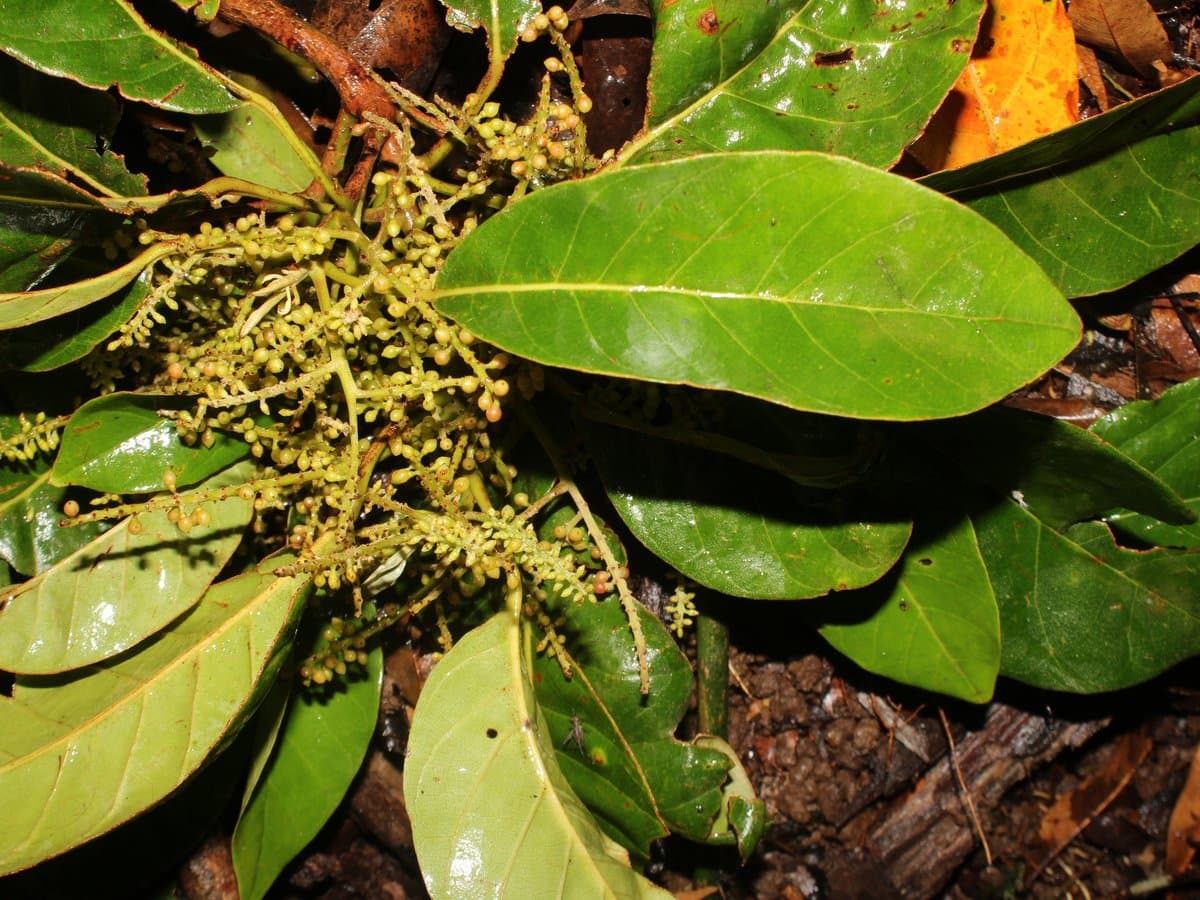
Whole tree
📷 (c) ariel_delgado, some rights reserved (CC BY-NC)(CC BY-NC)
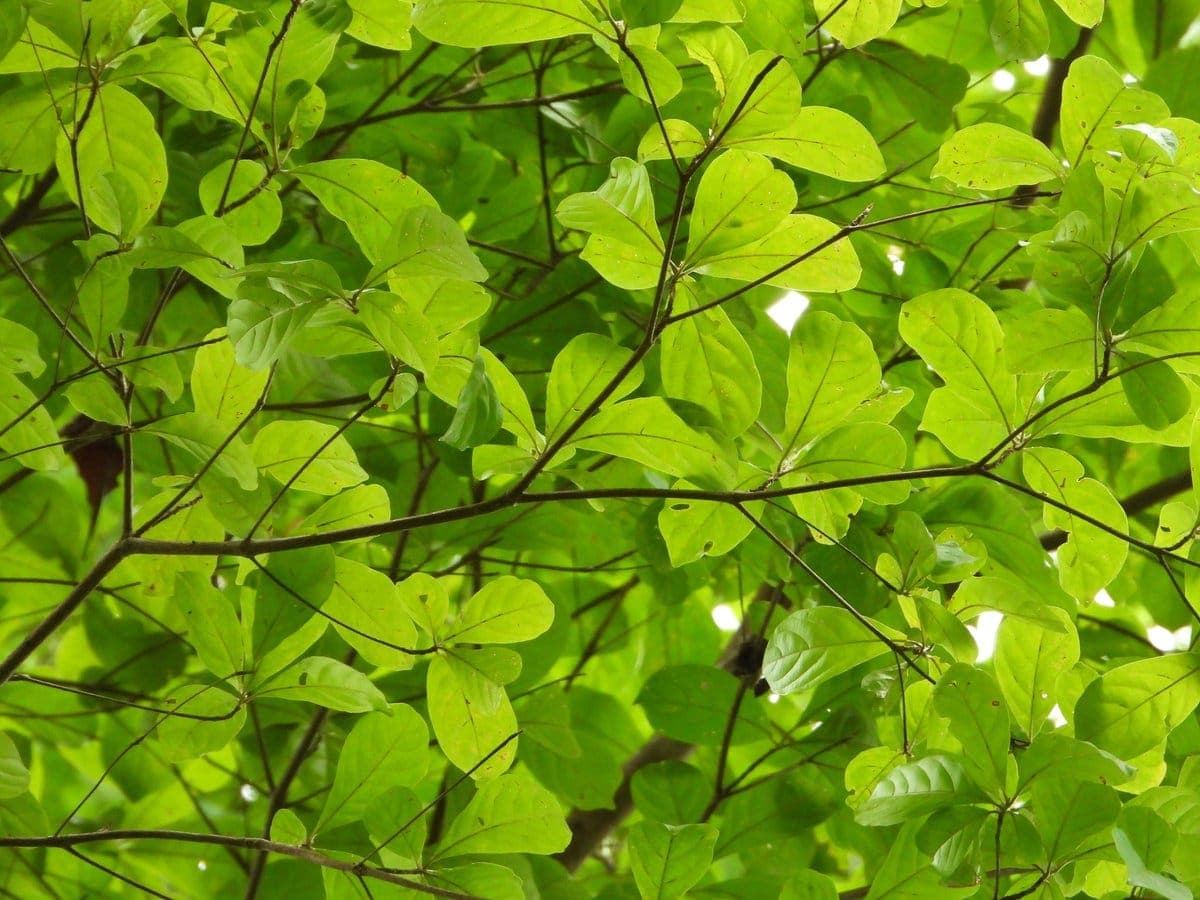
View source ↗Leaves
📷 (c) ariel_delgado, some rights reserved (CC BY-NC)(CC BY-NC)
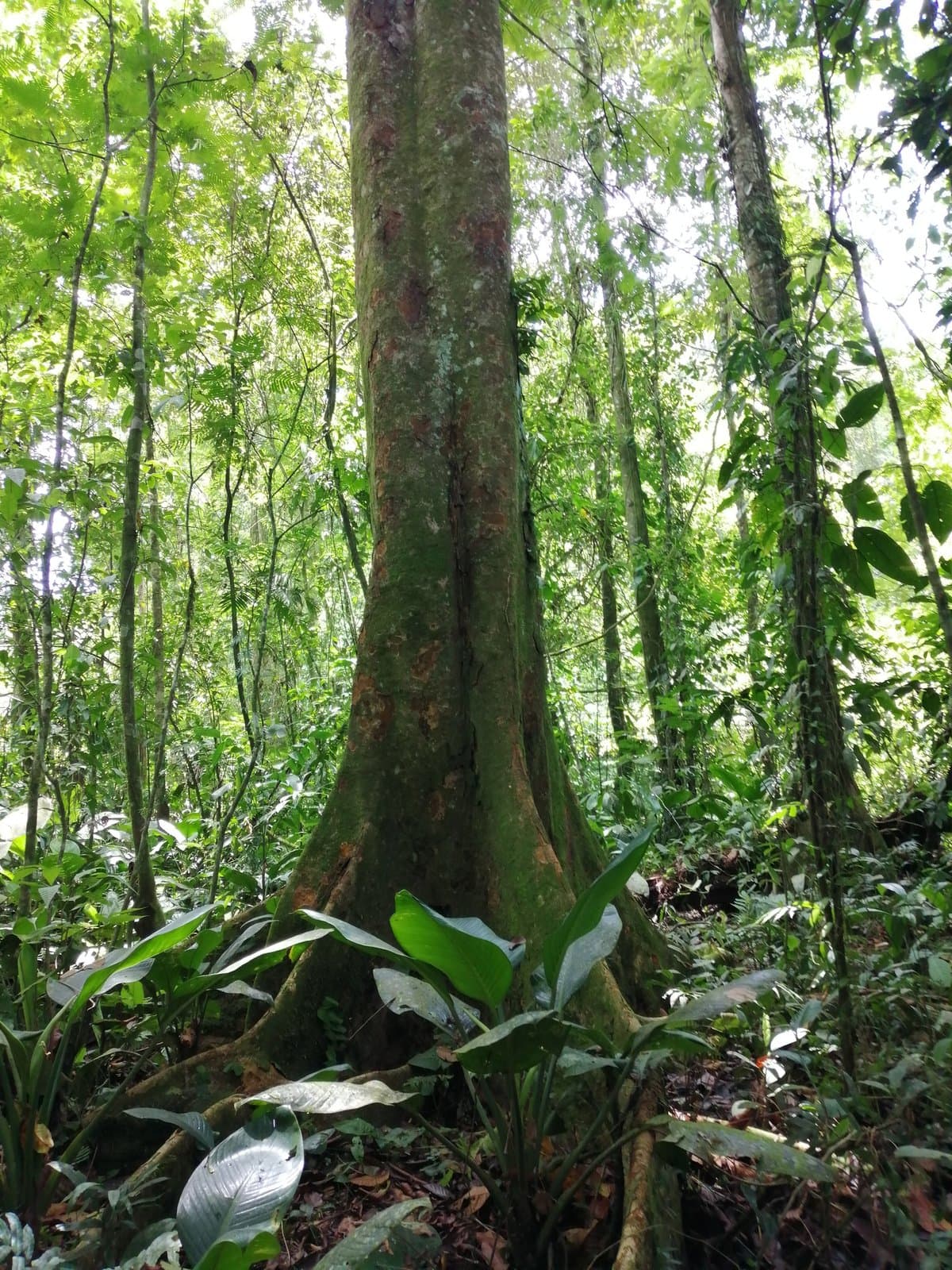
View source ↗Whole tree
📷 (c) Leo R Quirós, some rights reserved (CC BY-NC)(CC BY-NC)
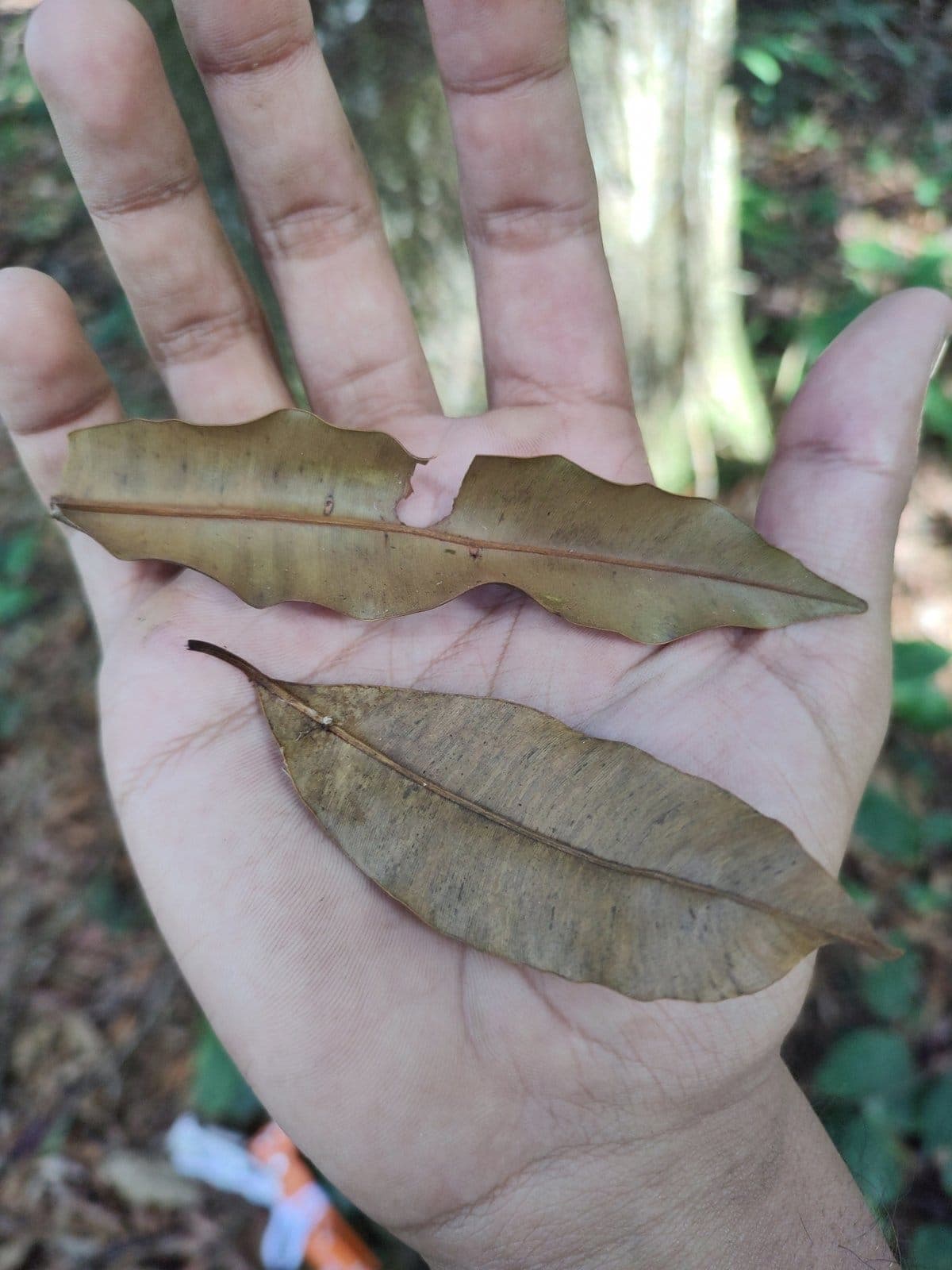
View source ↗Leaves
📷 (c) ariel_delgado, some rights reserved (CC BY-NC)(CC BY-NC)
View source ↗Whole tree
📷 (c) Leonardo Álvarez-Alcázar, some rights reserved (CC BY-NC)(CC BY-NC)
View source ↗Photos sourced from iNaturalist's citizen science database. View all observations →↗
Taxonomy & Classification
Geographic Distribution
Geographic Distribution
Where to Find Zapatero in Costa Rica
Primary Distribution:
Elevation: Sea level to ~1,500 m
Habitat & Ecology
Forest Role
Zapatero's ecological position:
Wildlife Value
Ecological interactions:
Botanical Description
Wood Properties
Appearance
Physical Properties
Zapatero wood is extremely durable and resistant to decay, making it ideal for applications requiring strength and longevity. The high density means it's heavy but very strong.
Uses
Conservation Status
Conservation Status: Stable
Population generally healthy:
Growing Zapatero
Similar Species
Where to See Zapatero
Best Locations in Costa Rica
Protected Areas:
Identification Tips:
External Resources
Community observations, photos, and distribution data
Global observations
Global biodiversity occurrence data and distribution maps
Conservation status and species assessment
References
📚 Scientific References & Further Reading
Holdridge, L.R. & Poveda, L.J. (1975). Árboles de Costa Rica. Centro Científico Tropical
Hieronyma oblonga represents the best of Costa Rica's native hardwoods — extremely durable, rot-resistant, and perfect for applications where strength matters. The distinctive red inner bark makes identification easy and connects to traditional uses that span centuries. While not as famous as some tropical timbers, Zapatero quietly supports structures that last generations.
🌳 ¡Pura Vida!
Safety Information Disclaimer
Safety information is provided for educational purposes only. Individual reactions may vary significantly based on age, health status, amount of exposure, and individual sensitivity. Always supervise children around plants. Consult a medical professional or certified arborist for specific concerns. The Costa Rica Tree Atlas is not liable for injuries or damages resulting from interaction with trees described in this guide.
• Always supervise children around plants
• Consult medical professional if unsure
• Seek immediate medical attention if poisoning occurs
Information compiled from authoritative toxicology sources, scientific literature, and medical case reports.
Help improve this page
Know something about this tree? Share local knowledge, suggest a correction, or submit a photo to improve this guide for everyone.