Fruta Dorada
Virola koschnyi
Quick facts
Native Region
Central America
Max Height
35-45 meters
Family
Myristicaceae
Conservation
VU — Vulnerable
Uses
Safety Information
CAUTION
Use caution with this tree. Not recommended for residential areas with children. Red sap is irritating and potentially toxic. Do not eat any part of the tree including the arils (seed coverings). This is primarily a wildlife food tree—arils are safe for toucans and monkeys but not verified safe for humans. Plant in natural areas or wildlife gardens, not near homes or play areas. The nutmeg family has variable toxicity and many species contain concerning compounds.
Toxicity Details
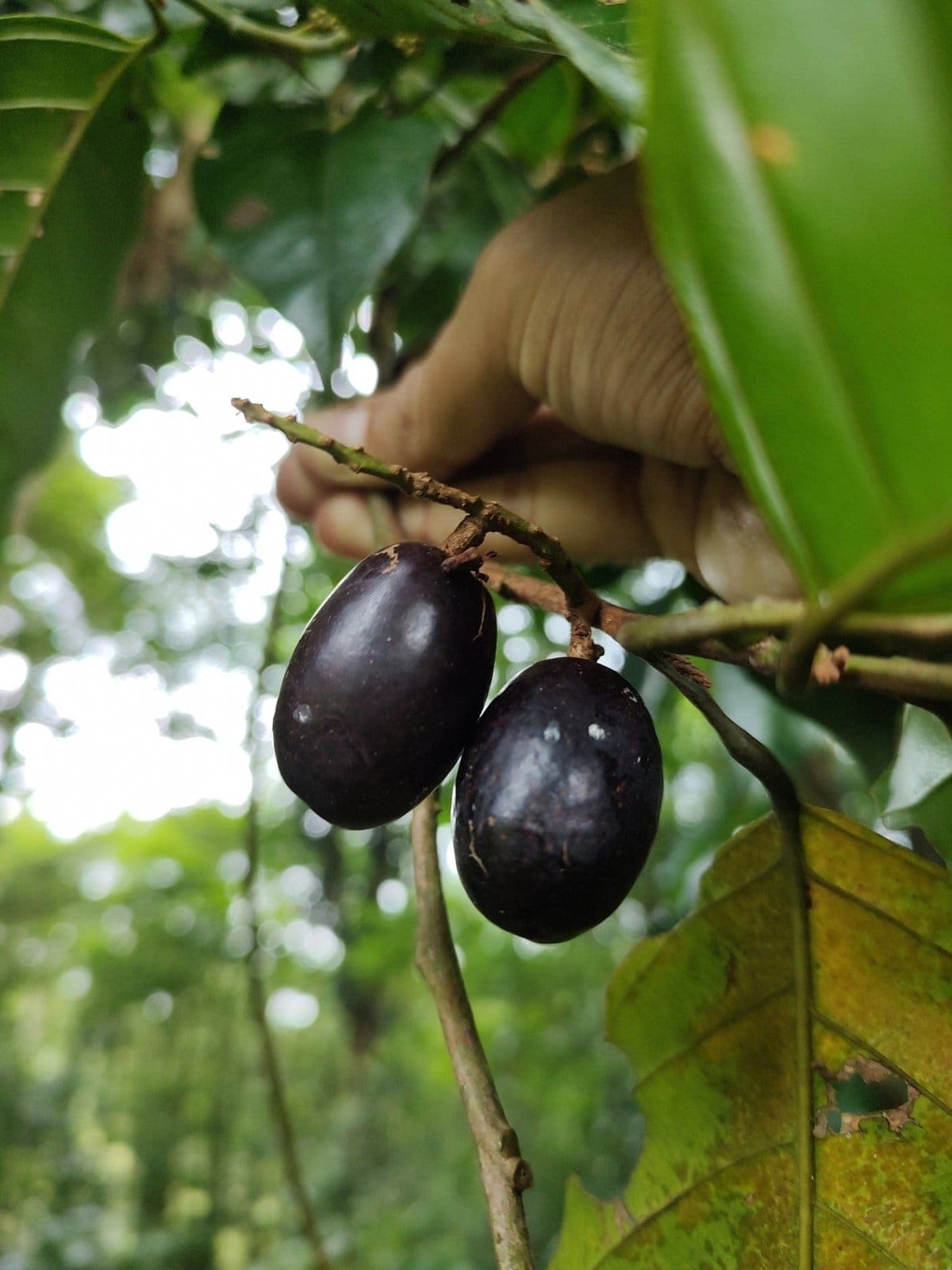
MODERATE TOXICITY. Member of Myristicaceae (nutmeg family), which contains species with toxic and psychoactive compounds. Red sap contains compounds that can be irritating or toxic if ingested in quantity. While not as dangerous as some relatives (wild nutmegs can contain myristicin, a hallucinogenic compound), this species should be treated with caution. Fruits have golden arils that are eaten by wildlife but should not be consumed by humans without expert knowledge.
Skin Contact Risks
Red sap can cause moderate skin irritation, dermatitis, or allergic reactions in sensitive individuals. Avoid contact with sap. Wash thoroughly if contact occurs. Some people may develop contact dermatitis from handling bark or fresh wood.
Allergenic Properties
Low to moderate allergen risk. Wood dust may cause respiratory irritation in sensitive individuals. Sap contact can cause allergic reactions.
Wildlife & Pet Risks
MODERATE RISK TO PETS: While wildlife safely eats the fruits, domestic animals should not consume parts of this tree. Red sap is irritating. Keep pets away from fallen fruits and damaged bark. Safe for native wildlife species that have co-evolved with this tree.
First Aid & Emergency Response
• If ingested, seek immediate medical attention. Do not induce vomiting unless directed by medical professional.
• If sap contacts skin, wash immediately with soap and water. Seek medical attention if blistering or severe irritation occurs.
• If sap enters eyes, flush immediately with clean water for 15 minutes and seek emergency medical care.
Costa Rica Emergency: 911
Costa Rica Poison Control: 2223-1028
Season
Flowering
Feb-Apr
Fruiting
Jun-Sep
How to identify
Fruta Dorada
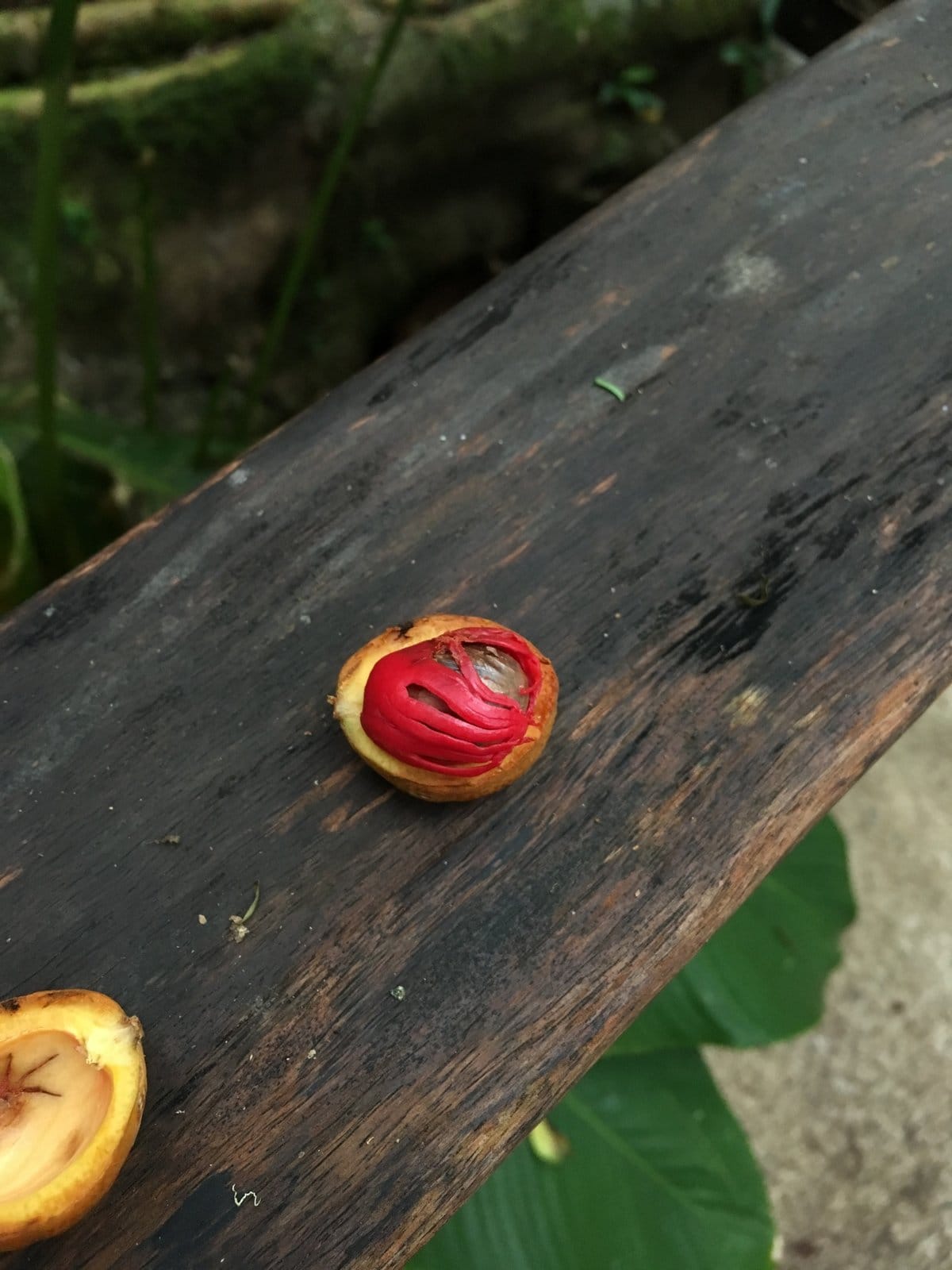
The Fruta Dorada (Virola koschnyi), or Golden Fruit tree, is a majestic rainforest canopy tree whose distinctive bright red fruits split open to reveal golden-yellow arils that are irresistible to toucans, monkeys, and dozens of other wildlife species. This member of the nutmeg family is a keystone species for rainforest food webs.
Quick Reference
iNaturalist Observations
Community-powered species data
📸 Photo Gallery
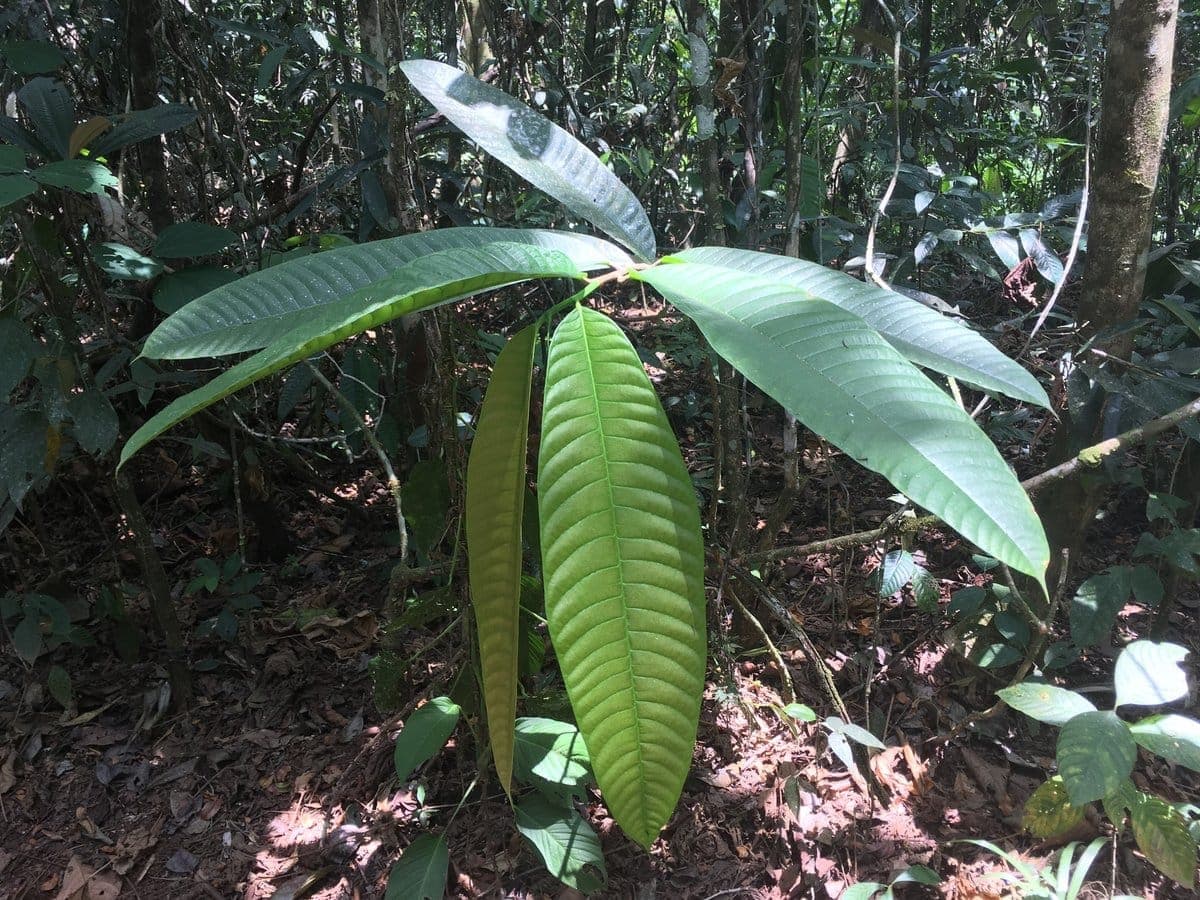
Whole tree
📷 (c) Leonardo Álvarez-Alcázar, some rights reserved (CC BY-NC)(CC BY-NC)
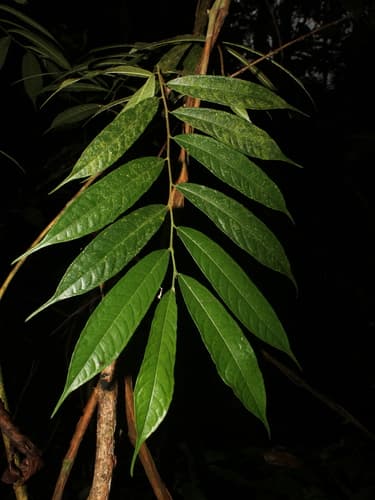
View source ↗Leaves
📷 (c) Giovanni Carraro, some rights reserved (CC BY-NC)(CC BY-NC)
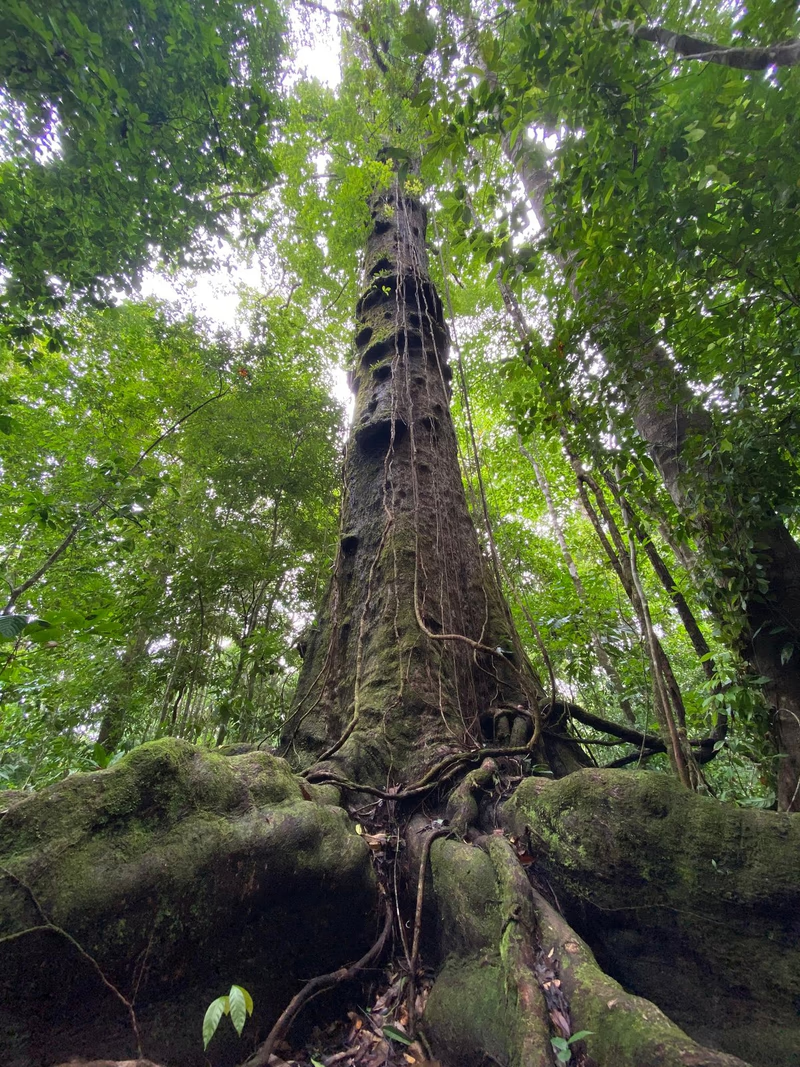
View source ↗Habitat
📷 (c) Lena Struwe, some rights reserved (CC BY-SA)(CC BY-SA)
View source ↗Whole tree
📷 (c) Giovanni Carraro, some rights reserved (CC BY-NC)(CC BY-NC)
View source ↗Leaves
📷 (c) Lena Struwe, some rights reserved (CC BY-SA)(CC BY-SA)
View source ↗Photos sourced from iNaturalist's citizen science database. View all observations →↗
Taxonomy & Classification
Geographic Distribution
Geographic Distribution
Where to Find Fruta Dorada in Costa Rica
Primary Habitats:
Elevation: Sea level to ~800 m
Habitat & Ecology
Ecological Role
Fruta Dorada plays a crucial ecological role:
Wildlife Associations
Animals depending on Fruta Dorada:
Fruiting Fruta Dorada trees are hotspots for wildlife viewing. The bright golden arils are highly nutritious and visible from a distance, attracting large frugivorous birds and mammals that can travel considerable distances for this reliable food source.
Botanical Description
Wood Properties
Appearance
Physical Properties
Despite its low durability, Virola's light weight and straight grain make it excellent for rotary-peeled plywood veneers. It was heavily exported from Central America for plywood manufacture in the 20th century.
Uses
Conservation Status
Conservation Status: Vulnerable
Fruta Dorada faces multiple threats:
Growing Fruta Dorada
Similar Species
Where to See Fruta Dorada Trees
Best Locations in Costa Rica
Protected Areas:
Tips:
External Resources
Community observations, photos, and distribution data
Global observations
Conservation status and threats
IUCN
Global biodiversity occurrence data and distribution maps
References
📚 Scientific References & Further Reading
Howe, H.F. & Vande Kerckhove, G.A. (1981). Removal of wild nutmeg (Virola surinamensis) crops by birds. Ecology 62(4): 1093-1106
Wheelwright, N.T. (1983). Fruits and the ecology of Resplendent Quetzals. The Auk 100: 286-301
The Fruta Dorada (Virola koschnyi) is a perfect example of why rainforest conservation matters beyond timber. While its soft wood has commercial value, its ecological role as a keystone fruit source for toucans, monkeys, and countless other species makes each tree a vital node in the forest food web. Protecting these trees means protecting entire communities of wildlife.
🌳 ¡Pura Vida!
Safety Information Disclaimer
Safety information is provided for educational purposes only. Individual reactions may vary significantly based on age, health status, amount of exposure, and individual sensitivity. Always supervise children around plants. Consult a medical professional or certified arborist for specific concerns. The Costa Rica Tree Atlas is not liable for injuries or damages resulting from interaction with trees described in this guide.
• Always supervise children around plants
• Consult medical professional if unsure
• Seek immediate medical attention if poisoning occurs
Information compiled from authoritative toxicology sources, scientific literature, and medical case reports.
Help improve this page
Know something about this tree? Share local knowledge, suggest a correction, or submit a photo to improve this guide for everyone.