Gavilán
Pentaclethra macroloba
Quick facts
Native Region
Central and South America
Max Height
25-35 meters
Family
Fabaceae
Conservation
LC — Least Concern
Uses
Safety Information
Toxicity Details
Gavilán is essentially non-toxic, though the seeds are not typically consumed by humans (oily, not palatable). The seeds are used for oil extraction in some regions but require processing. No significant toxicity documented. As a legume (Fabaceae), it may contain minor amounts of lectins or tannins in raw seeds, but these pose no practical risk. The tree is used medicinally in traditional practices.
Skin Contact Risks
No skin irritation. Safe to handle bark, leaves, flowers, and pods.
Structural Hazards
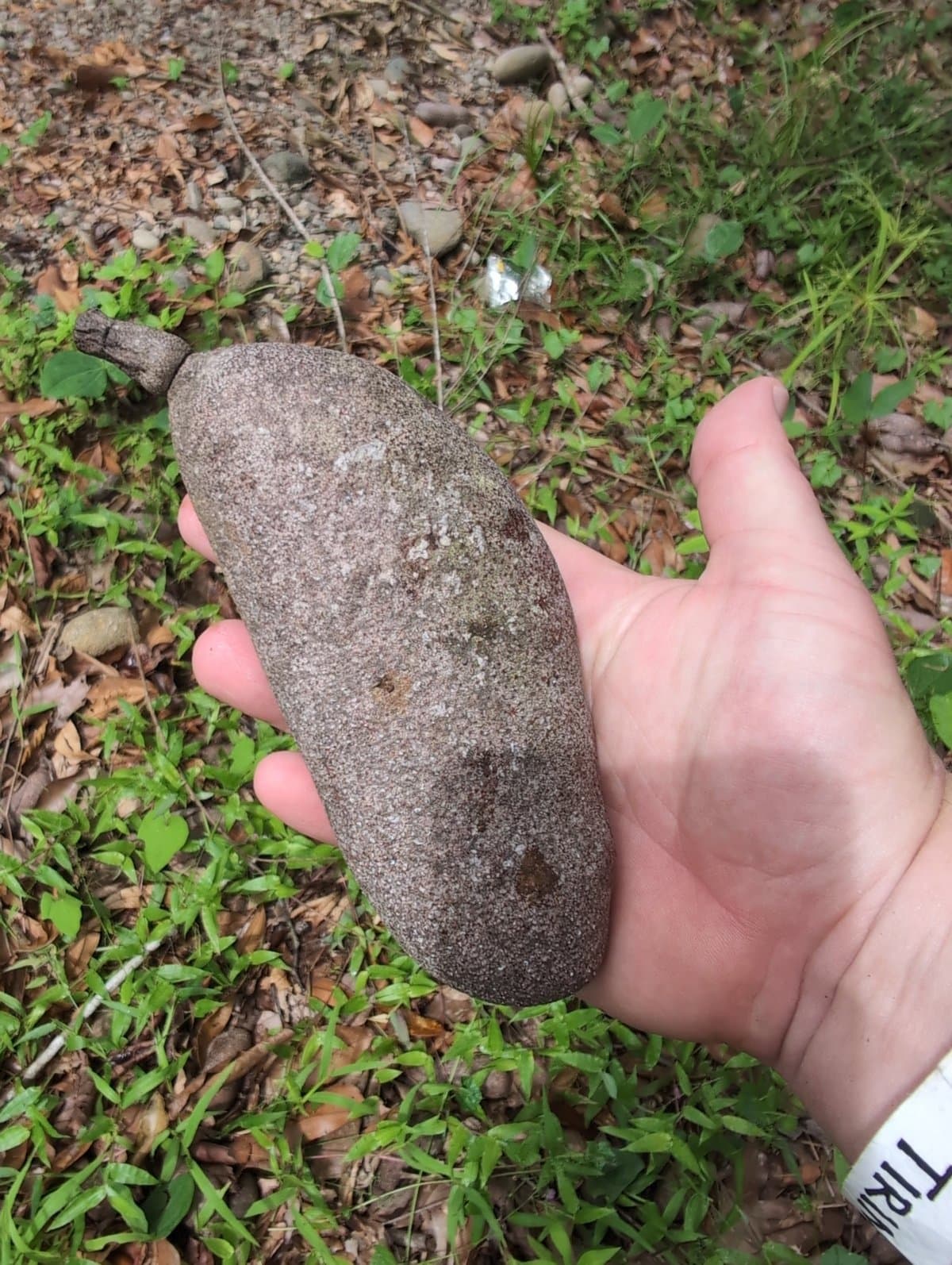
The seed pods are EXPLOSIVE - they twist as they dry and suddenly split open with force, flinging seeds several meters away. This is a dramatic natural seed dispersal mechanism. While the flying seeds are unlikely to cause injury, they can startle people nearby. The explosion sounds like a small firecracker. Keep this in mind when planting near patios or high-traffic areas during fruiting season.
Wildlife & Pet Risks
Safe for domestic animals and wildlife. Seeds are eaten by some wildlife after pod explosion. Provides important ecosystem services through nitrogen fixation.
Season
Flowering
Feb-Mar
Fruiting
Apr-Jun
How to identify
Gavilán
Gavilán (Pentaclethra macroloba), also known as Oil Bean Tree or Pracaxi in South America, is one of the most important—yet least celebrated—trees in Costa Rica's Caribbean lowland rainforests. This legume is often the dominant canopy tree in wet forest communities, where it performs the critical ecological function of nitrogen fixation, feeding nitrogen-poor tropical soils. With its explosive seed pods, distinctive compound leaves, and buttressed trunk, Gavilán shapes the structure and function of Caribbean rainforests. Understanding this tree is key to understanding how these magnificent forests work.
Quick Reference
iNaturalist Observations
Community-powered species data
📸 Photo Gallery
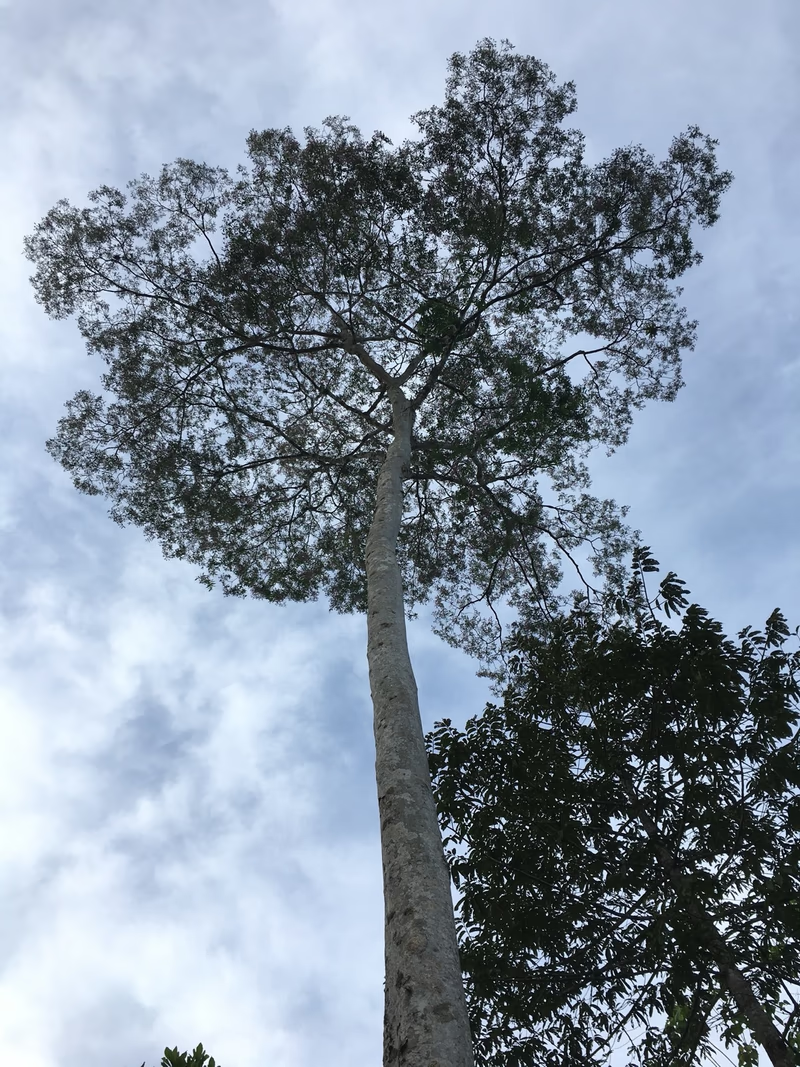
Whole tree
📷 (c) Richard Littauer, some rights reserved (CC BY)(CC BY)
View source ↗Leaves
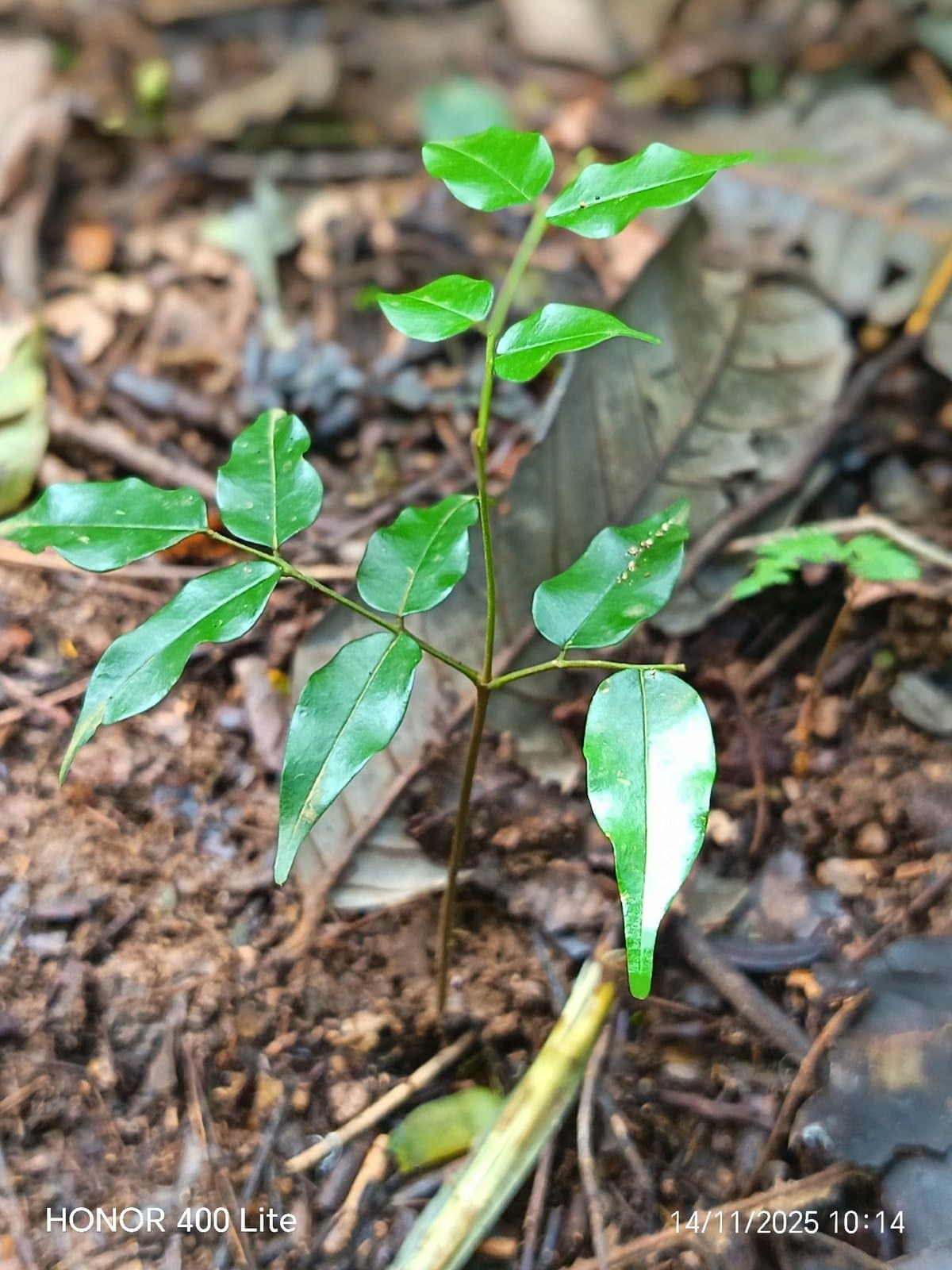
📷 (c) Florencia Grattarola, some rights reserved (CC BY)(CC BY)
View source ↗Whole tree
📷 (c) Florencia Grattarola, some rights reserved (CC BY)(CC BY)
View source ↗Leaves
📷 (c) R.E.Llanos, some rights reserved (CC BY-NC-SA)(CC BY-NC-SA)
View source ↗Whole tree
📷 (c) R.E.Llanos, some rights reserved (CC BY-NC-SA)(CC BY-NC-SA)
View source ↗Photos sourced from the iNaturalist citizen science database. View all observations →↗
Taxonomy and Classification
- Pentaclethra: Greek "pente" (five) + "kleithron" (bar) - reference to stamens - macroloba: Greek "makros" (large) + "lobos" (pod) - large pods - Family Fabaceae is the legume/bean family - Important nitrogen-fixing subfamily
Common Names
Related Species in Costa Rica
Physical Description
Overall Form
Gavilán is a medium to large canopy tree with a straight trunk, often developing prominent buttresses with age. The crown is rounded and dense, with the characteristic feathery appearance of compound-leaved legumes. It's notably one of the most abundant canopy trees in Caribbean lowland forests.
Identifying Features
The Explosive Pods
- Shape: Flat, curved, woody
- Size: 25-50 cm long!
- Color: Brown when mature
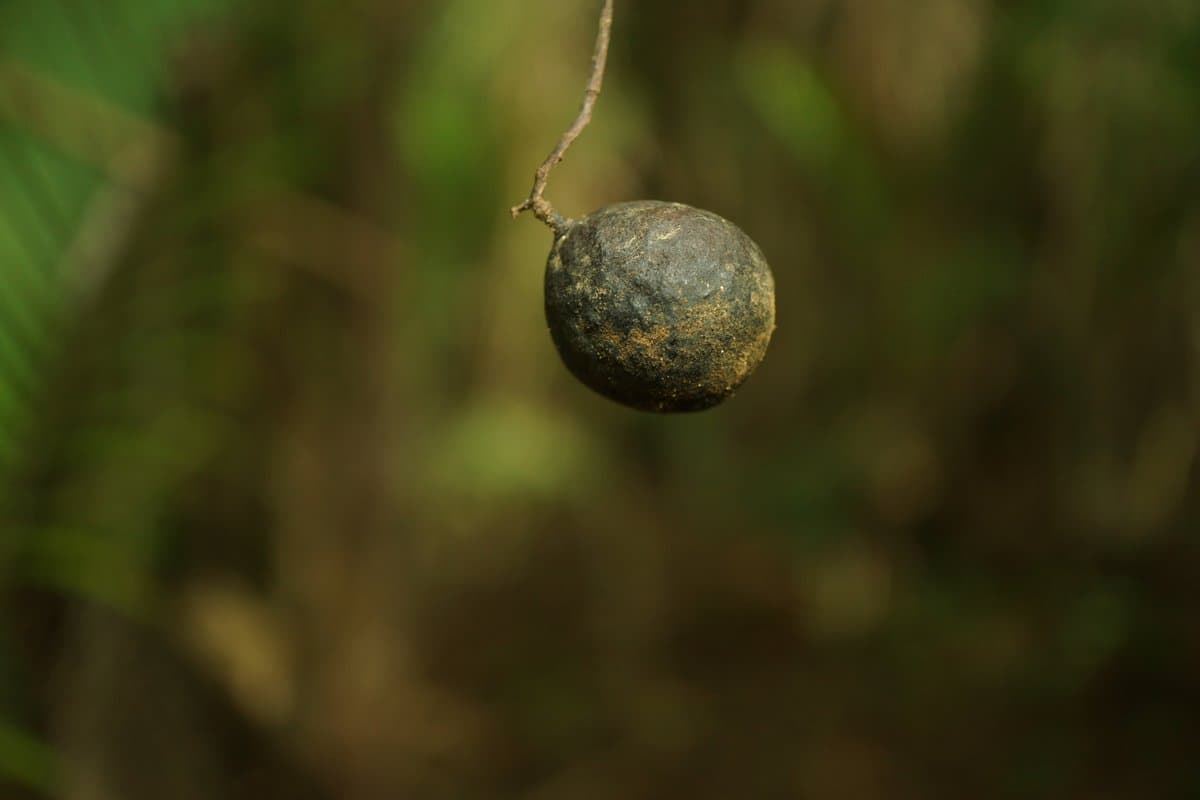
- Seeds: Large, flat, oily
- Action: EXPLOSIVE dehiscence!
- Sound: Loud cracking when pods open
- Dispersal: Seeds flung meters away
Bark and Trunk
- Bark color: Gray-brown, rough
- Texture: Fissured with age
- Inner bark: Reddish (bleeds)
- Buttresses: Well-developed, spreading
- Exudate: Dark red sap when cut
Leaves
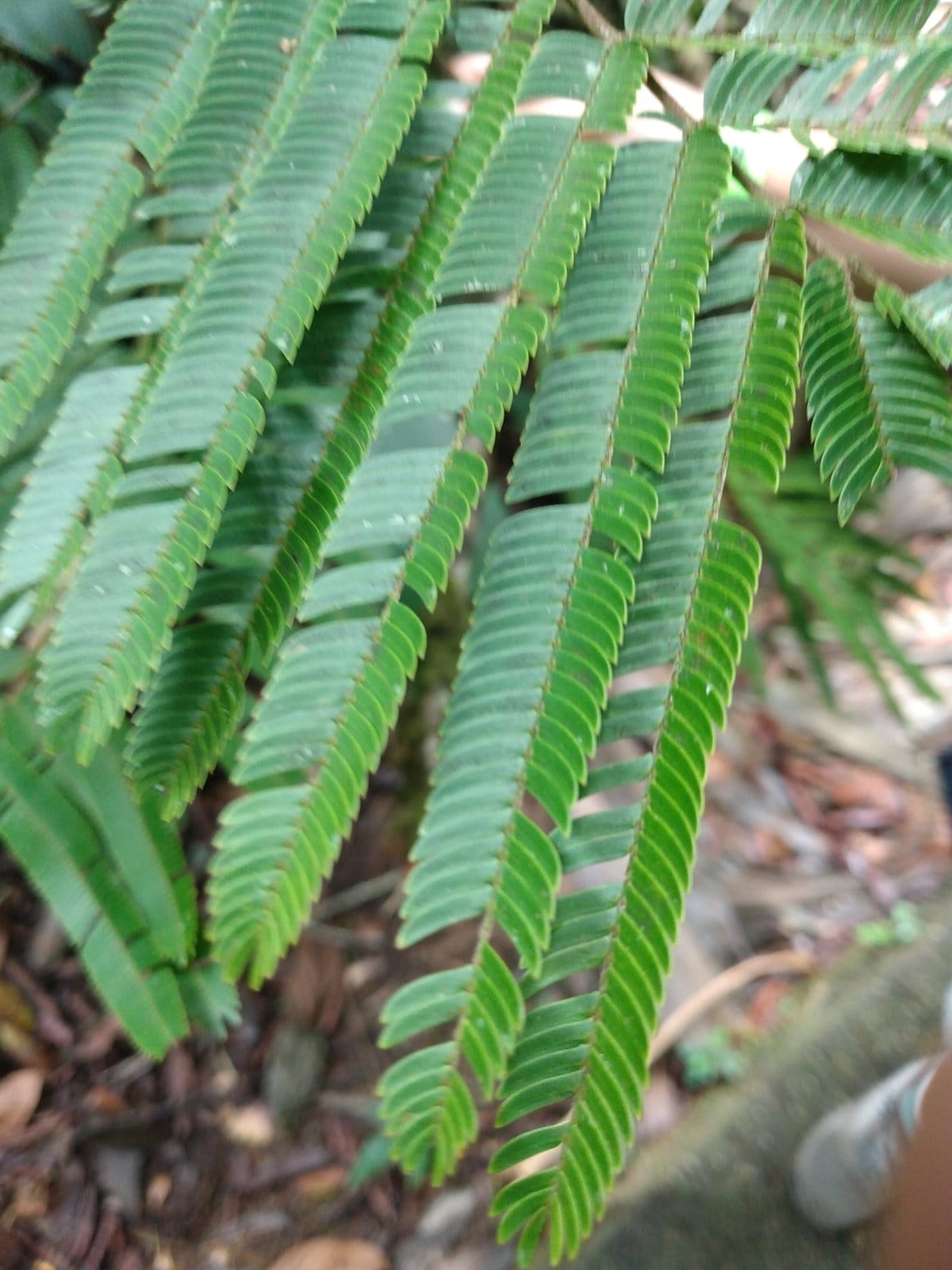
- Type: Bipinnate compound
- Length: 20-40 cm
- Leaflets: Small, numerous (8-20 pairs per pinna)
- Pinnae: 10-20 pairs
- Texture: Delicate, feathery appearance
- Glands: Present on rachis
Flowers
- Type: Bottle-brush spikes
- Color: Cream to yellowish
- Size: Spikes 8-15 cm long
- Fragrance: Strongly scented
- Timing: Mainly dry season
Gavilán pods are famous for their violent dehiscence: The Explosion: - Pods dry and twist under tension - Suddenly CRACK open with loud sound - Seeds hurled up to 10+ meters! - Can startle hikers in the forest When It Happens: - Mainly dry season - Hot, sunny days - Often midday heat triggers opening Be Aware: - Seeds can sting if they hit you - Sounds like gunshot/branch breaking - One of the loudest seed dispersals This ballistic dispersal gets seeds away from the parent tree to avoid competition and disease!
Distribution and Habitat
Global Distribution
Geographic Distribution
Distribution in Costa Rica
Habitat Preferences
Ecological Importance
The Nitrogen Fix
Keystone Nitrogen Fixer
Gavilán's most critical ecological function is nitrogen fixation: How It Works: - Root nodules harbor bacteria (Rhizobium and relatives) - Bacteria convert atmospheric N₂ to usable forms - Tree gets nitrogen, bacteria get sugars - Nitrogen enriches surrounding soil Why It Matters: - Tropical soils are often nitrogen-poor - Gavilán can add 40-100 kg N/ha/year! - Supports growth of neighboring trees - Enables high forest productivity Dominance Explained: - Self-sufficient nitrogen supply = competitive advantage - Can thrive where others struggle - Explains why it's often the most common tree In nutrient-poor tropical rainforests, Gavilán is essentially a fertilizer factory—fueling the entire ecosystem!
Wildlife Value
Seed and Pod Users
- Agoutis: Major seed predators and dispersers
- Peccaries: Eat fallen seeds
- Squirrels: Cache and consume
- Parrots: Eat developing seeds
- Monkeys: Consume young seeds
Other Ecological Roles
- Canopy structure: Major framework tree
- Microhabitat: Bark and branches host epiphytes
- Nutrient cycling: Leaf litter enriches soil
- Shade provision: Dense canopy creates understory
- Forest composition: Shapes plant community
Agoutis and Gavilán have an interesting relationship: The Interaction: - Agoutis eat many Gavilán seeds (predation) - BUT they also cache/bury seeds for later - Many cached seeds are forgotten - Forgotten seeds germinate Net Result: - Agoutis are both predators AND dispersers - They move seeds away from parent (good) - They bury seeds (good for germination) - Net effect: Beneficial to tree Conservation Link: - Where agoutis are hunted out, Gavilán regeneration suffers - Protecting agoutis = protecting forest composition This is why hunting can have cascading effects on forest tree populations!
Dominance in Caribbean Forests
In many Caribbean lowland rainforests, Gavilán is THE dominant tree: Abundance Data: - Can comprise 15-30% of all canopy trees - Often #1 in basal area (total trunk coverage) - Hundreds of individuals per hectare - Defines forest structure Why So Dominant?: 1. Nitrogen advantage: Makes own fertilizer 2. Shade tolerance: Seedlings survive understory 3. Longevity: Lives centuries if undisturbed 4. Aggressive dispersal: Explosive pods spread seeds Research Hub: - La Selva Biological Station: Gavilán is most-studied tree - Long-term demography plots track population - Model species for tropical forest dynamics Recognition Gap: Despite its importance, Gavilán is far less famous than trees like Ceiba or Guanacaste—but arguably more ecologically significant in wet forest ecosystems!
Uses
Limited Human Applications
The oil-rich seeds of Gavilán have attracted industrial interest: Pracaxi Oil (South American name): - Seeds contain 40-50% oil - Used in cosmetics and pharmaceuticals - Potential for sustainable harvest - Currently limited extraction in Brazil In Costa Rica: - Not commercially harvested - Research interest growing - Could provide forest income without logging The main value remains ecological services—nitrogen fixation and forest structure.
Cultivation
Growing Gavilán
Identification Guide
How to Identify Gavilán
Where to See Gavilán in Costa Rica
In Caribbean wet forests, Gavilán is almost impossible to miss: Where to Look: - Any lowland Caribbean rainforest - Primary and older secondary forest - Look for buttressed trunks - Listen for exploding pods (dry season) Best Indicators: - Large flat pods on ground or tree - Bipinnate feathery leaves - Often the largest/most common tree Best Time: - Dry season: Pods and explosions - Year-round: Leaves and trunk visible At La Selva Biological Station, you literally can't walk 50 meters without passing a Gavilán!
Conservation and Research
Gavilán is one of the most intensively studied tropical trees: Research at La Selva: - Long-term demography studies (40+ years) - Nitrogen fixation rates measured - Seed dispersal and predation studied - Model for tropical tree population biology Key Findings: - Maintains dominance through shade tolerance - Nitrogen fixation varies with conditions - Hunting impacts regeneration (agouti loss) - Climate change may affect distribution Conservation Status: - Not globally threatened (wide range) - Locally dependent on intact forest - Sensitive to hunting of seed dispersers - Important indicator of forest health Gavilán teaches us how tropical forests work!
External Resources
Community observations and photos
Major research site
OTS research programs
Global biodiversity occurrence data and distribution maps
Conservation status and species assessment
References
📚 Scientific References & Further Reading
Hartshorn, G.S. & Hammel, B.E. (1994). Vegetation types and floristic patterns in La Selva. La Selva: Ecology and Natural History (eds. McDade et al.)
Guariguata, M.R. & Ostertag, R. (2001). Neotropical secondary forest succession. Forest Ecology and Management
Janzen, D.H. (1991). Historia Natural de Costa Rica. Editorial Universidad de Costa Rica
Walk through a Caribbean lowland rainforest in Costa Rica, and you're walking through Gavilán's domain. This tree—unremarkable to the casual eye, its name unknown to most visitors, its presence simply assumed—is quite possibly the most important organism in the forest. Deep in its roots, symbiotic bacteria are doing the impossible: pulling nitrogen from thin air and transforming it into the building blocks of life. That nitrogen flows outward: into leaves that fall and decay, into soil that feeds neighboring trees, into an ecosystem that couldn't maintain its lush productivity without this quiet engine of fertility. Above ground, Gavilán shapes the forest structure—its buttressed trunks and spreading crowns forming the framework within which countless other species live. And once a year, in the dry season's heat, the forest fills with sounds like distant gunfire: pods exploding, seeds hurtling through the air, the tree's aggressive claim on the future. Understanding Gavilán is understanding how tropical rainforests work—not through spectacular individual trees, but through the slow, persistent, vital processes that make everything else possible.
Safety Information Disclaimer
Safety information is provided for educational purposes only. Individual reactions may vary significantly based on age, health status, amount of exposure, and individual sensitivity. Always supervise children around plants. Consult a medical professional or certified arborist for specific concerns. The Costa Rica Tree Atlas is not liable for injuries or damages resulting from interaction with trees described in this guide.
• Always supervise children around plants
• Consult medical professional if unsure
• Seek immediate medical attention if poisoning occurs
Information compiled from authoritative toxicology sources, scientific literature, and medical case reports.
Help improve this page
Know something about this tree? Share local knowledge, suggest a correction, or submit a photo to improve this guide for everyone.