Guachipelín
Diphysa americana
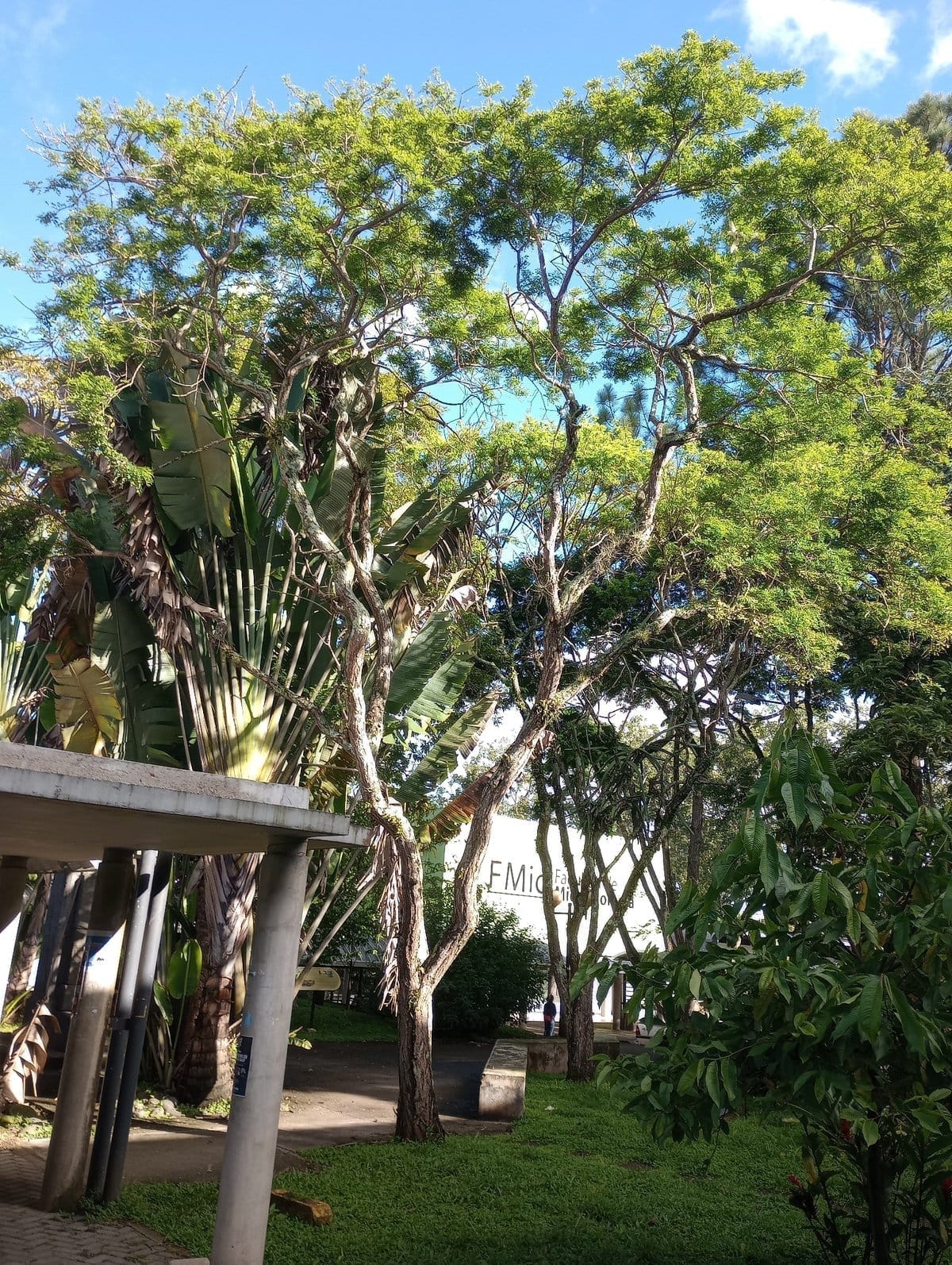
Quick facts
Native Region
Mexico to Costa Rica
Max Height
8-15 meters (26-50 feet)
Family
Fabaceae
Conservation
LC — Least Concern
Uses
Safety Information
Toxicity Details
Guachipelín is NON-TOXIC with NO documented reports of toxicity or danger to children, pets, or livestock. The bark contains tannins, alkaloids, and flavonoids that provide medicinal properties (anti-inflammatory, analgesic, antioxidant) but these do not pose poisoning risk in normal circumstances. Seeds, bark, and leaves are not described as poisonous or problematic for animals or people. The tree is SAFE for gardens, parks, farms, and areas where children and pets are present. Widely used for living fences throughout Costa Rica, demonstrating general safety in agricultural and landscape settings where livestock and people interact with it daily.
Skin Contact Risks
No skin irritation risk from contact with any part of the tree. Leaves, bark, flowers, and sap do not cause dermatitis or allergic reactions. Safe to handle and work with. The durable, rot-resistant wood is widely used for fence posts with no reports of skin reactions during handling or cutting.
Allergenic Properties
NO allergen risk. Flowers are bee-pollinated (excellent for beekeepers and honey production), not wind-pollinated, so no airborne pollen concerns. Wood dust is not documented as a respiratory sensitizer or allergen. Safe for woodworkers without special respiratory precautions beyond normal dust control. Birds and wildlife are attracted to flowers and seeds with no adverse effects.
Season
Flowering
Feb-Apr
Fruiting
Apr-Jun
How to identify
Guachipelín (Yellow Flowering Acacia)
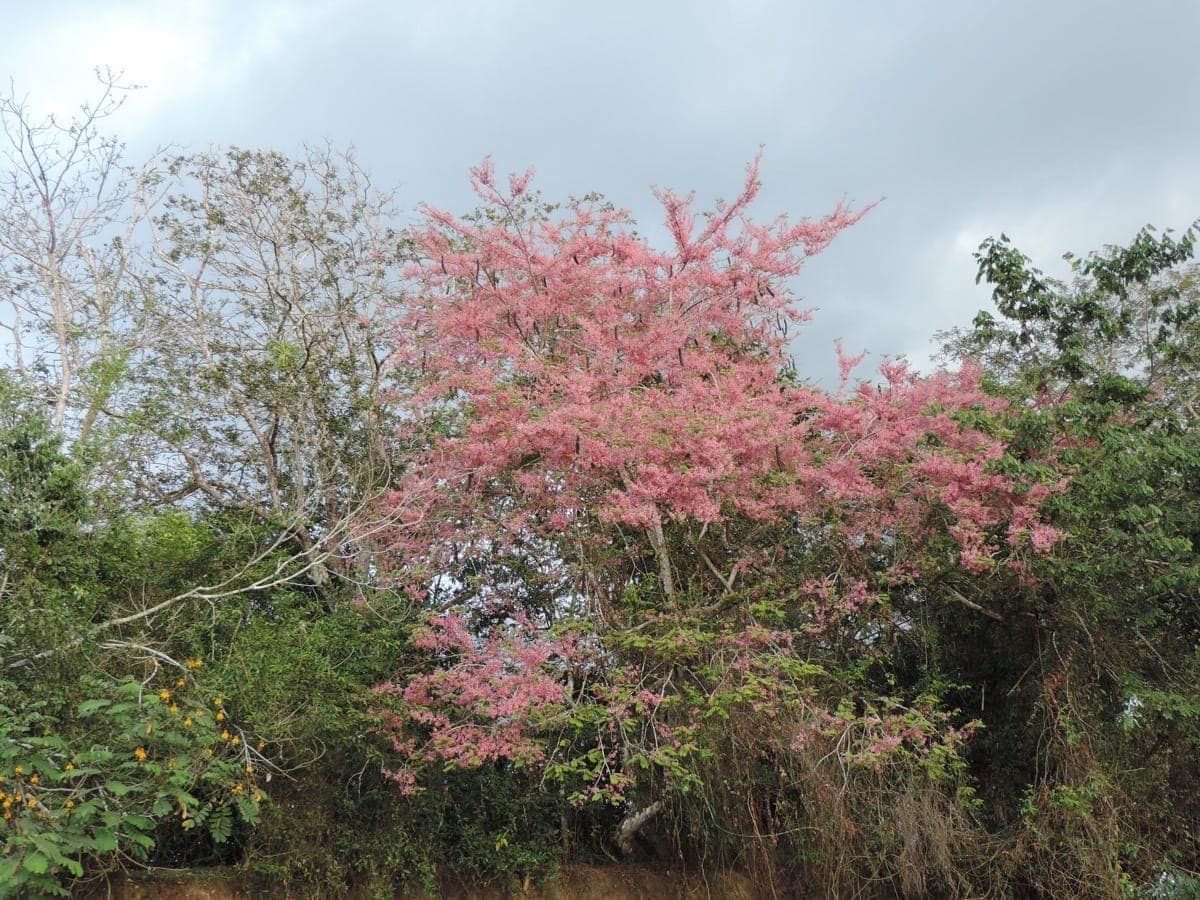
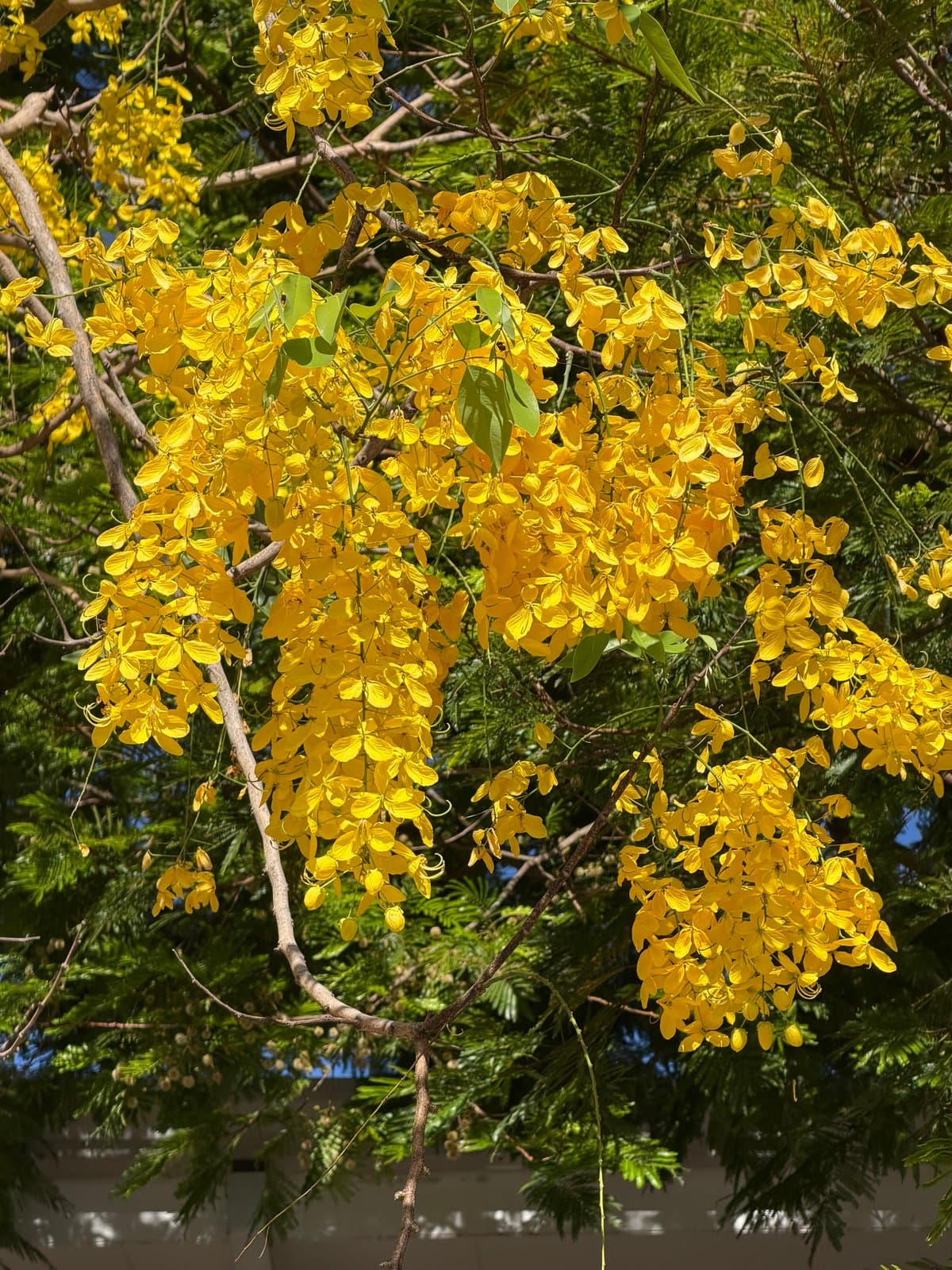
The Guachipelín (Diphysa americana) is one of the most celebrated flowering trees of Costa Rica's dry forests. When these small trees burst into bloom during the dry season, entire hillsides become rivers of gold. The wood is legendary among farmers for making fence posts that last decades without rotting.
Quick Reference
iNaturalist Observations
Community-powered species data
📸 Photo Gallery
Whole tree
📷 no rights reserved(CC0)
View source ↗Leaves
📷 no rights reserved(CC0)
View source ↗Whole tree
📷 no rights reserved(CC0)
View source ↗Leaves
📷 no rights reserved(CC0)
View source ↗Whole tree
📷 (c) jonathan_chama_corrales, some rights reserved (CC BY-NC)(CC BY-NC)
View source ↗Photos sourced from iNaturalist community science database. View all observations →↗
Taxonomy and Classification
- Diphysa: Greek for "two bladders" (referring to inflated seed pod) - americana: Of the Americas - Guachipelín: Indigenous name, likely from Nahuatl - Regional names reflect its value for fence posts
Common Names
Physical Description
Overall Form
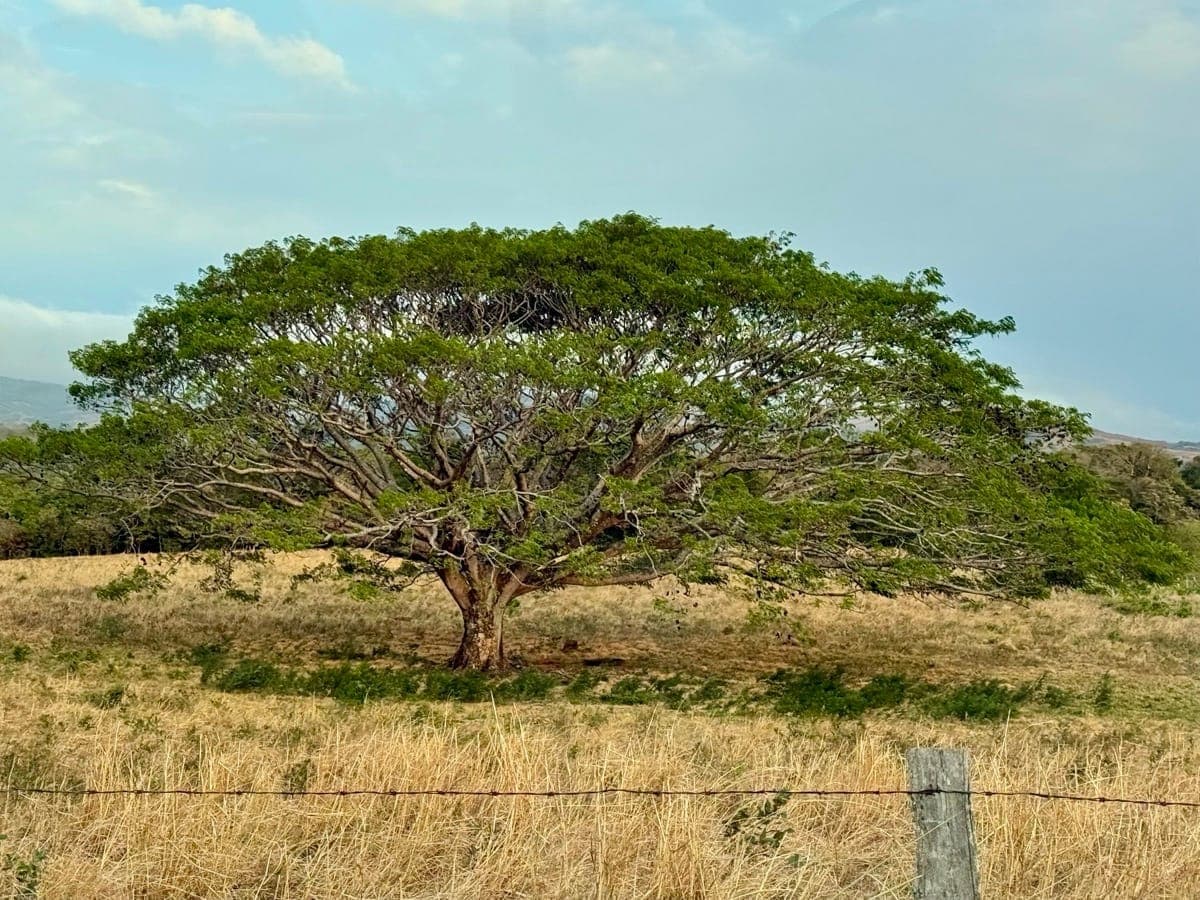
The Guachipelín is a small to medium deciduous tree with an irregular, spreading crown. Its branches often grow at sharp angles, creating a somewhat gnarled appearance. The tree sheds its feathery leaves during the dry season, replaced by masses of golden yellow flowers.
Distinctive Features
Leaves
- Type: Pinnately compound
- Leaflets: 9-21 per leaf
- Size: Each leaflet 1-3 cm
- Shape: Oblong, asymmetrical
- Color: Bright green
- Timing: Deciduous in dry season
Bark
- Color: Gray to brownish
- Texture: Fissured, rough
- Wood: Extremely hard
- Feature: Yellowish heartwood
Flowers
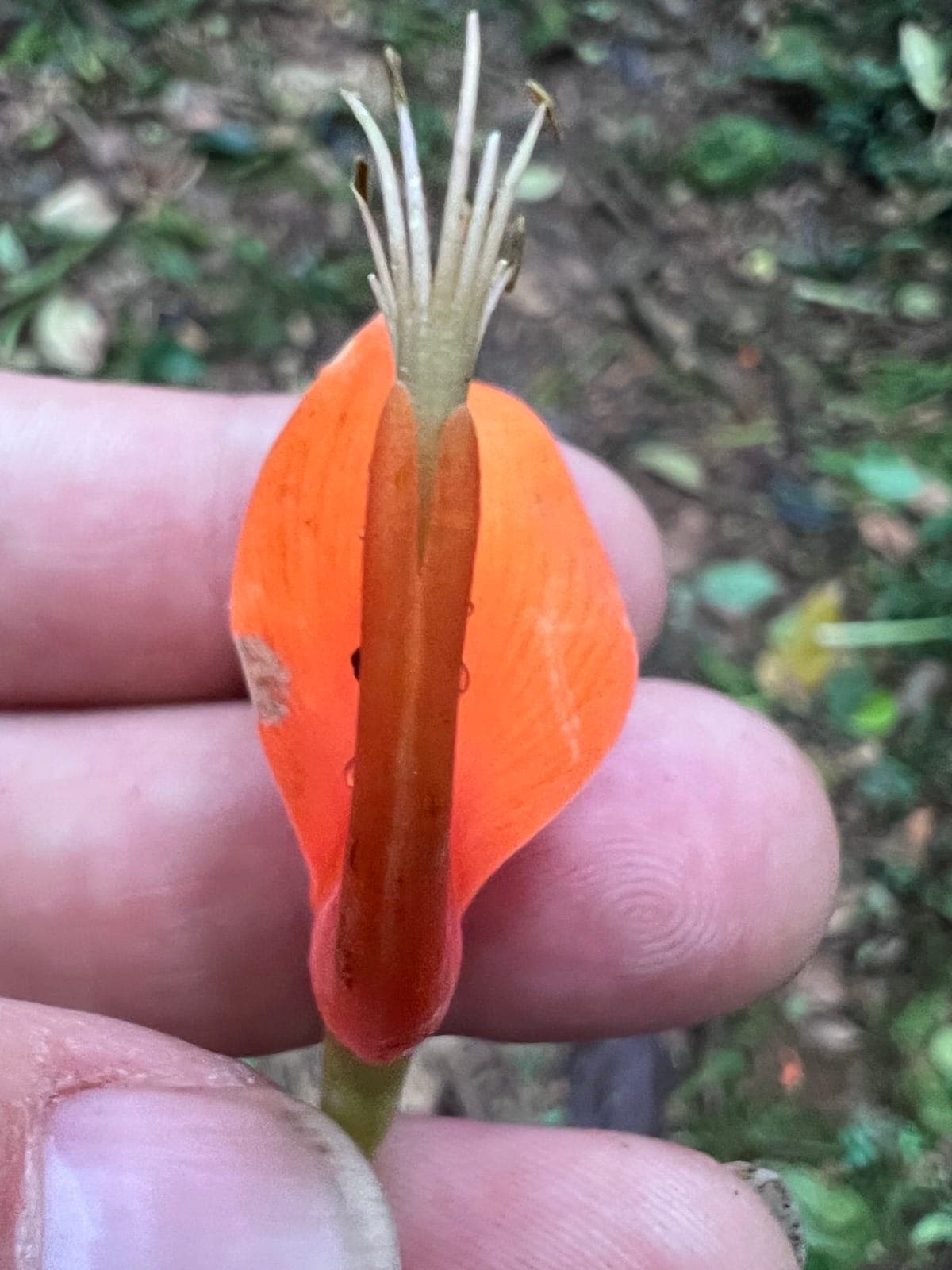
- Type: Papilionaceous (pea-like)
- Size: 1-2 cm long
- Color: Brilliant golden yellow
- Arrangement: Clusters along branches
- Timing: Peak dry season
- Abundance: Spectacular displays
Fruits
- Type: Inflated bladder-like pod
- Size: 3-6 cm long
- Color: Green to brown
- Shape: Distinctively puffy
- Seeds: 1-2 per pod
Ecological Importance
Dry Forest Ecosystem Role
Guachipelín flowering during the dry season provides critical nectar for bees and other pollinators when few other plants are blooming. As a nitrogen-fixing legume, it also enriches poor soils common in Guanacaste's dry forests.
Pollinator Services
- Native bees: Primary pollinators
- Honey bees: Important nectar source
- Butterflies: Regular visitors
- Hummingbirds: Occasional visitors
Soil Benefits
- Nitrogen fixation via root nodules
- Leaf litter enriches soil
- Deep roots access groundwater
- Erosion control on slopes
Distribution in Costa Rica
Guachipelín is primarily found in Costa Rica's Pacific dry forests, especially in Guanacaste Province. It occurs from sea level to about 1,000 meters in areas with distinct dry seasons.
Key Observation Sites
Traditional Uses
The Ultimate Fence Post
Guachipelín wood is so resistant to decay that fence posts made from it can last 25-30 years in the ground—an incredible feat in tropical conditions where most wood rots within a few years. This has made it one of the most valued trees for rural landowners.
Wood Properties
- Extremely hard and dense
- Natural decay resistance
- Termite resistant
- Doesn't split easily
- Yellowish heartwood color
Agricultural Uses
- Fence posts (primary use)
- Living fence support
- Tool handles
- Construction poles
- Firewood and charcoal
Medicinal Uses
Traditional medicine applications include:
- Bark tea for digestive complaints
- Wound treatment preparations
- Anti-inflammatory uses
- Skin condition remedies
Growing Information
Cultivation Requirements
Agroforestry Applications
Guachipelín is excellent for:
- Living fence systems
- Silvopasture integration
- Dry forest restoration
- Erosion control on slopes
- Bee forage plantations
Seasonal Care Calendar
Propagation and Establishment Protocols
Seed-Based Propagation
- Collect mature pods when they turn brown and begin to split.
- Scarify seed coat lightly or soak seeds overnight in room-temperature water.
- Sow in a sandy, well-drained substrate at 0.5-1 cm depth.
- Keep moist (not saturated); germination commonly starts within 7-21 days.
- Transplant when seedlings have a woody stem and 4-6 true leaves.
Living Stake Method (for fence systems)
- Select healthy branch sections 1-1.5 m long and 4-8 cm thick.
- Plant at least one-third of each stake into moist soil at rainy-season onset.
- Maintain 2-3 m spacing for property boundaries and livestock corridors.
- Refirm soil around each stake after heavy rain to prevent leaning.
- Replace non-rooted stakes during the first rainy season.
First-Year Establishment Targets
- Survival greater than 80% by end of first dry season.
- Single dominant stem in timber-oriented plantings.
- Minimal livestock damage through simple temporary fencing.
- No long weed competition within 0.8 m around each juvenile tree.
Restoration and Silvopastoral Integration
Recommended design patterns
- Living fence grid: Guachipelín every 2.5 m, alternate with madero negro every 7-10 m for complementary flowering periods.
- Silvopasture strips: Double rows along contour lines to reduce erosion on degraded slopes.
- Restoration islands: Cluster 6-10 individuals with native dry-forest companions to accelerate canopy recovery.
Compatible companion species in Costa Rica
- Gliricidia sepium (Madero negro) for rapid early shade.
- Enterolobium cyclocarpum (Guanacaste) for long-term canopy structure.
- Tabebuia rosea (Roble de sabana) for staggered flowering resources.
- Byrsonima crassifolia (Nance) for fruit and pollinator diversity.
Troubleshooting Guide
Similar Species
Interesting Facts
Cultural Significance
In Guanacaste, the Guachipelín holds a special place in rural culture. For generations, it has been the go-to tree for fence posts—a critical resource in cattle country where fences define property boundaries and contain livestock. The local saying "posts de guachipelín duran más que el que los puso" (guachipelín posts last longer than the person who planted them) speaks to both the wood's durability and the tree's deep integration into ranching culture.
The Guachipelín Adventure Park
The tree's name has become synonymous with adventure tourism in Costa Rica. The famous Hacienda Guachipelín near Rincón de la Vieja volcano takes its name from these trees that dot the property. Today, visitors can zipline, horseback ride, and hike among groves of these golden-flowering trees—a fitting tribute to a species so central to Guanacaste's identity.
Where to See Guachipelín
Where to Find Guachipelín in Costa Rica
National Parks & Reserves:
Best Roadside Viewing:
Plan your visit for late February through early April to witness the spectacular golden flowering. The trees bloom during the driest, hottest part of the year when most other vegetation is brown and dormant, making the contrast absolutely stunning.
External Resources
Community observations and photos
Global distribution data
Botanical nomenclature
Kew Gardens taxonomic information
Conservation status and species assessment
References
📚 Scientific References & Further Reading
Zamora, N. et al. (2004). Árboles de Costa Rica Vol. III. INBio, Santo Domingo de Heredia
Janzen, D.H. (1991). Historia Natural de Costa Rica. Editorial Universidad de Costa Rica
Sousa, M. (1990). Adiciones a las Papilionoideae de la Flora Mesoamericana. Annals of the Missouri Botanical Garden
Holdridge, L.R. & Poveda, L.J. (1975). Árboles de Costa Rica Vol. I. Centro Científico Tropical, San José
Safety Information Disclaimer
Safety information is provided for educational purposes only. Individual reactions may vary significantly based on age, health status, amount of exposure, and individual sensitivity. Always supervise children around plants. Consult a medical professional or certified arborist for specific concerns. The Costa Rica Tree Atlas is not liable for injuries or damages resulting from interaction with trees described in this guide.
• Always supervise children around plants
• Consult medical professional if unsure
• Seek immediate medical attention if poisoning occurs
Information compiled from authoritative toxicology sources, scientific literature, and medical case reports.
Help improve this page
Know something about this tree? Share local knowledge, suggest a correction, or submit a photo to improve this guide for everyone.