Poró
Erythrina poeppigiana
Quick facts
Native Region
Central America and northern South America
Max Height
25-35 meters (80-115 feet)
Family
Fabaceae
Conservation
LC — Least Concern
Uses
Safety Information
CRITICAL DANGER
⚠️ CRITICAL WARNING: SEEDS ARE HIGHLY TOXIC. Never allow children/pets to eat seeds. Seeds cause severe illness, paralysis, potentially death. Keep fallen pods/seeds away from play areas. Toxic compounds transfer through livestock milk. Flowers edible in small amounts only. Tree safe for coffee shade and ornamental use when seeds are managed. Living fence posts do NOT sprout, reducing toxicity risk.
Toxicity Details
SEVERE TOXICITY. Seeds contain potent alkaloids (erysodine, erysopine, erysovine) causing CURARE-LIKE PARALYSIS. Historically used as fish/insect poison. FATAL if ingested by children or pets. Leaves, bark, roots also contain alkaloids. Seeds brightly colored—attractive hazard.
Skin Contact Risks
No significant skin irritation from normal contact with tree/flowers.
First Aid & Emergency Response
• If ingested, seek immediate medical attention. Do not induce vomiting unless directed by medical professional.
• If sap contacts skin, wash immediately with soap and water. Seek medical attention if blistering or severe irritation occurs.
• If sap enters eyes, flush immediately with clean water for 15 minutes and seek emergency medical care.
Costa Rica Emergency: 911
Costa Rica Poison Control: 2223-1028
Season
Flowering
Jan-Mar
Fruiting
Apr-May
How to identify
Poró
Poró (Erythrina poeppigiana), also known as the Coral Bean Tree or Mountain Immortelle, is one of Costa Rica's most beloved and economically important trees. Its spectacular orange-red flowers herald the dry season, and its role as a shade tree has been inseparable from Costa Rican coffee culture for over a century.
Quick Reference
iNaturalist Observations
Community-powered species data
📸 Photo Gallery
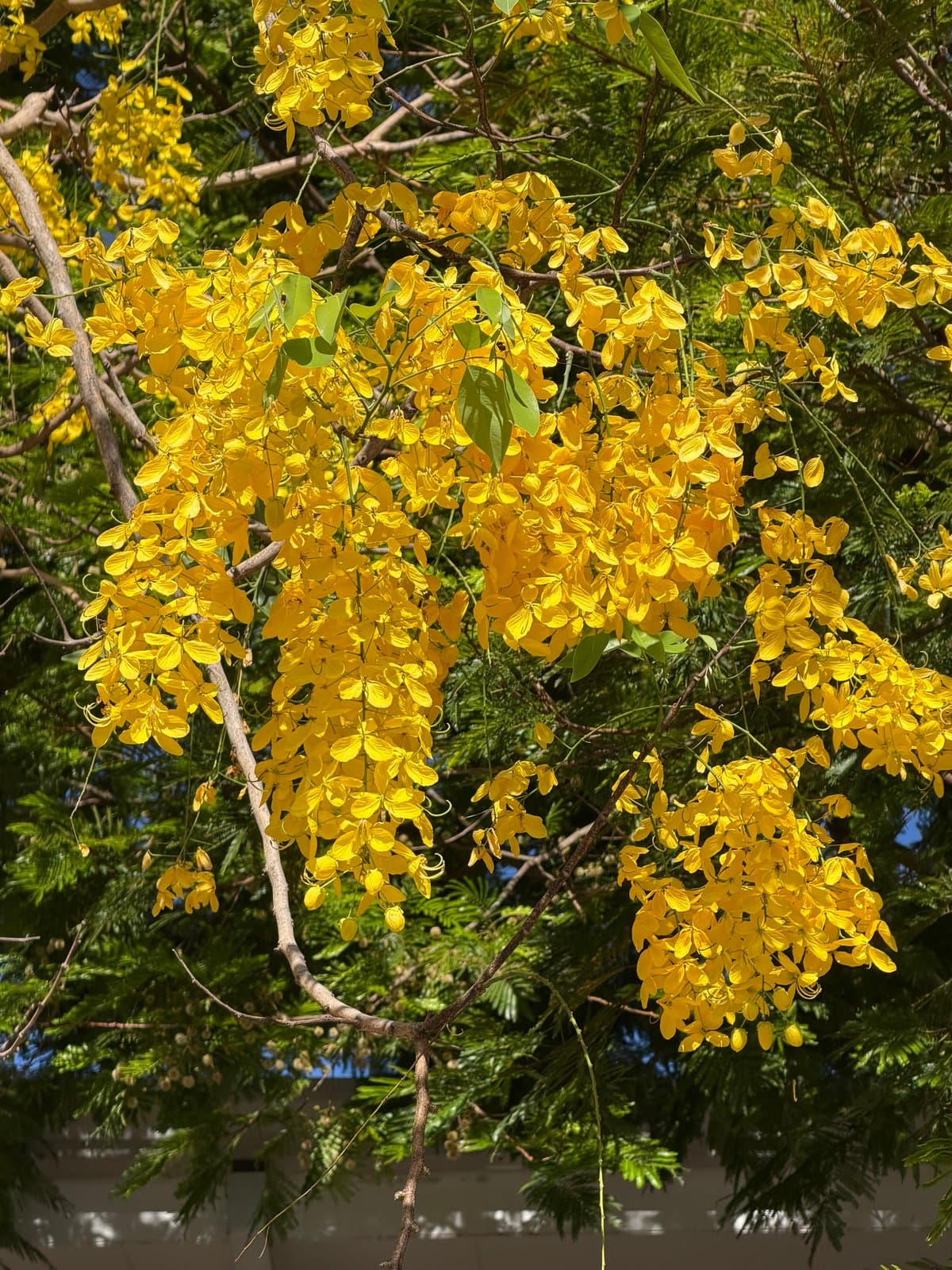
Whole tree
📷 (c) Mark Richman, some rights reserved (CC BY)(CC BY)
View source ↗Leaves
📷 (c) Mark Richman, some rights reserved (CC BY)(CC BY)
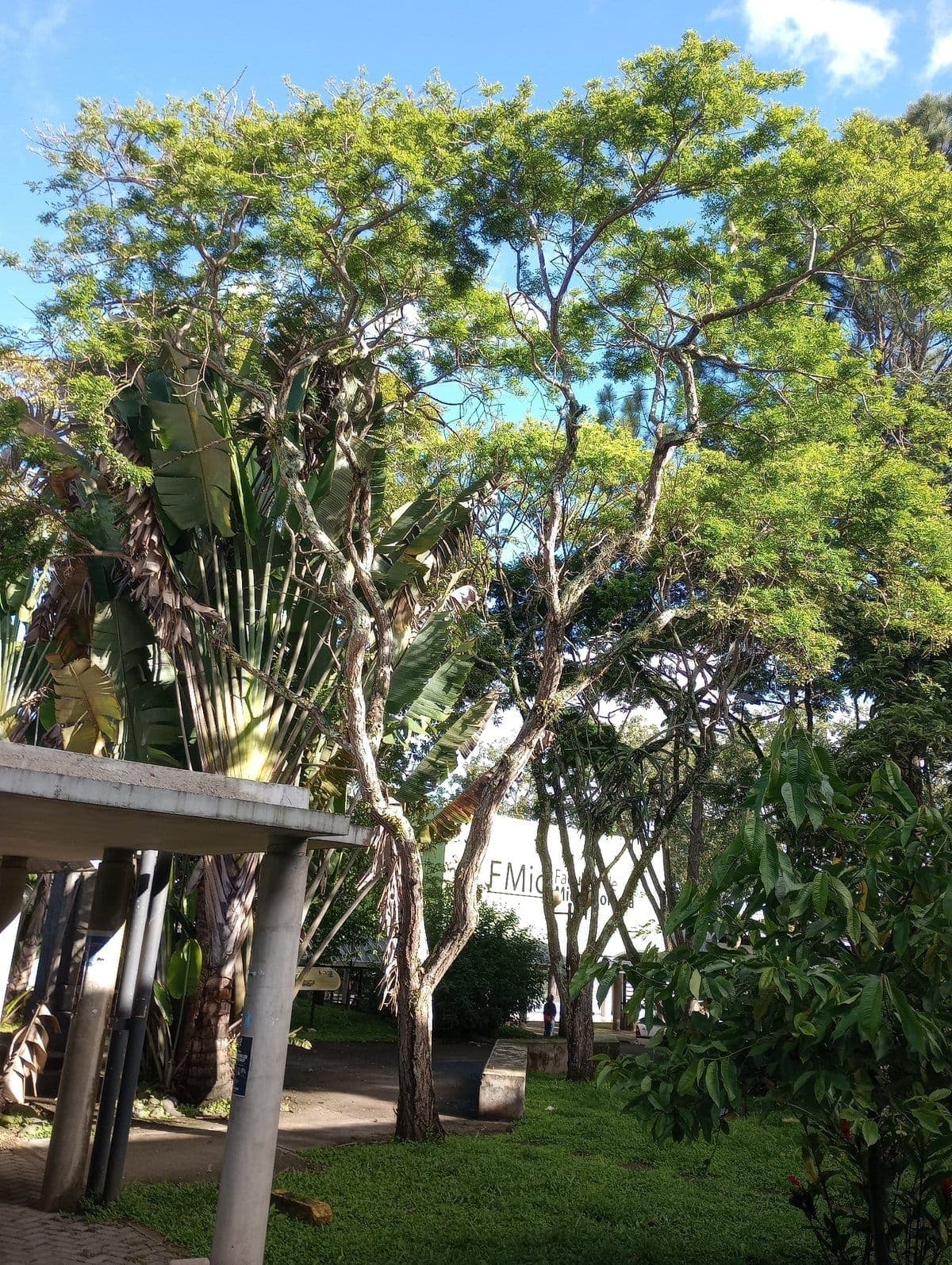
View source ↗Whole tree
📷 (c) Ariel F, some rights reserved (CC BY-NC)(CC BY-NC)
View source ↗Leaves
📷 (c) Mark Richman, some rights reserved (CC BY)(CC BY)
View source ↗Whole tree
📷 (c) Jorge Bogantes Montero, some rights reserved (CC BY-NC)(CC BY-NC)
View source ↗Photos sourced from iNaturalist's community science database. Browse all 1,800+ observations →↗
Taxonomy & Classification
The genus name Erythrina derives from the Greek erythros meaning "red," referring to the brilliant flower color. The species name poeppigiana honors Eduard Friedrich Poeppig (1798–1868), the German botanist and explorer who extensively studied South American flora.
Common Names
Physical Description
Overall Form
The Poró is a large deciduous tree with a distinctive spreading crown and characteristic flowering habit that makes it one of the most visually striking trees in Costa Rica during the dry season.
Distinctive Features
Trunk & Bark
- Bark: Light gray to brownish, becoming furrowed with age
- Spines: Young branches bear curved thorns (often lost in mature trees)
- Wood: Soft, lightweight, and pale-colored
- Buttresses: Moderate buttressing at base in older specimens
Leaves
- Type: Trifoliate (3 leaflets per leaf)
- Leaflet Shape: Broadly ovate to rhomboid
- Size: Central leaflet 10-20 cm long, lateral leaflets smaller
- Texture: Smooth, thin, light green
- Timing: Deciduous in dry season, falling before flowering
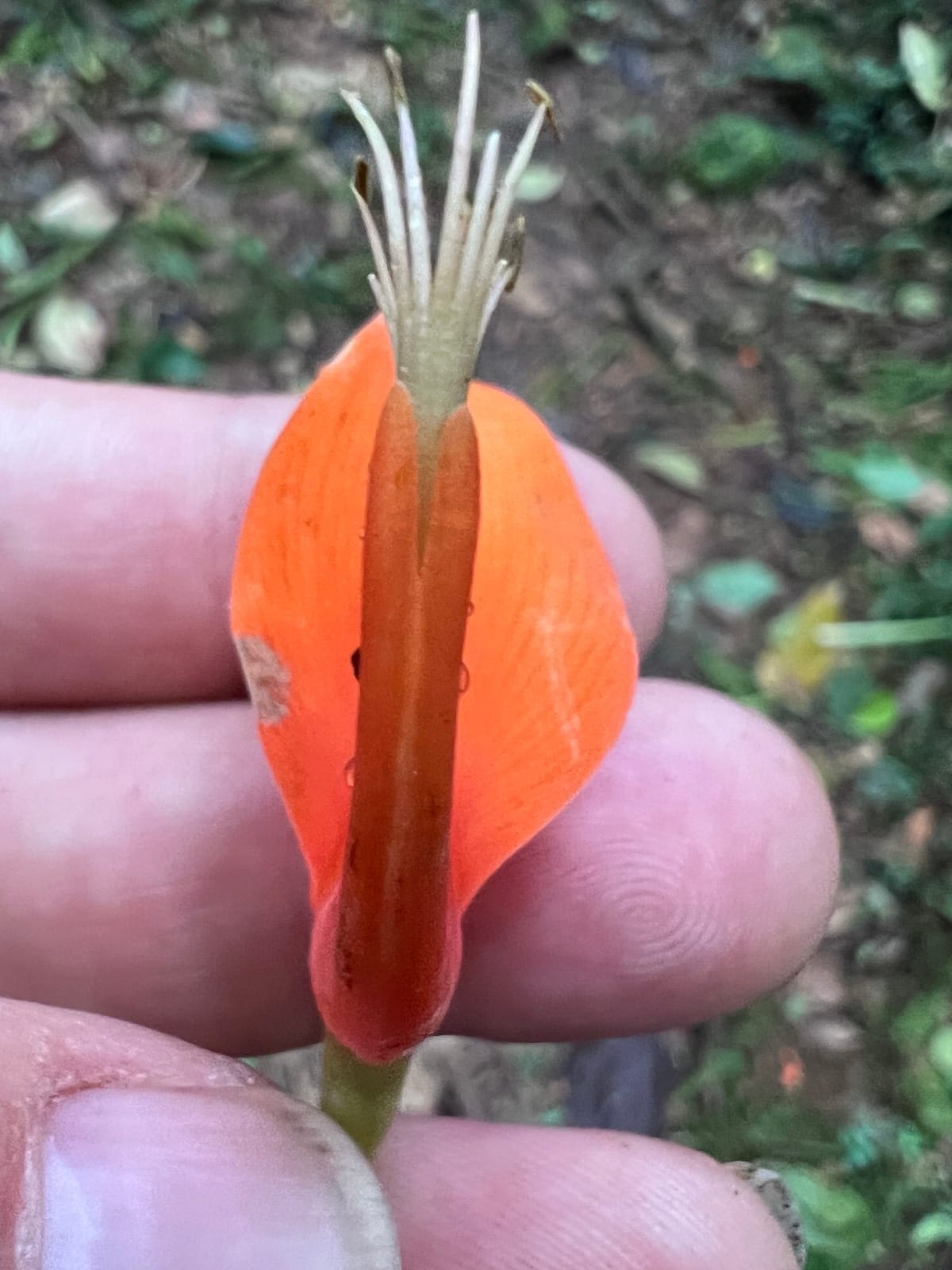
Flowers
- Color: Brilliant orange to coral-red
- Shape: Papilionaceous (butterfly-shaped), typical of legumes
- Size: 4-6 cm long
- Arrangement: Dense terminal racemes
- Season: January to April (peak flowering)
- Pollination: Birds, especially hummingbirds
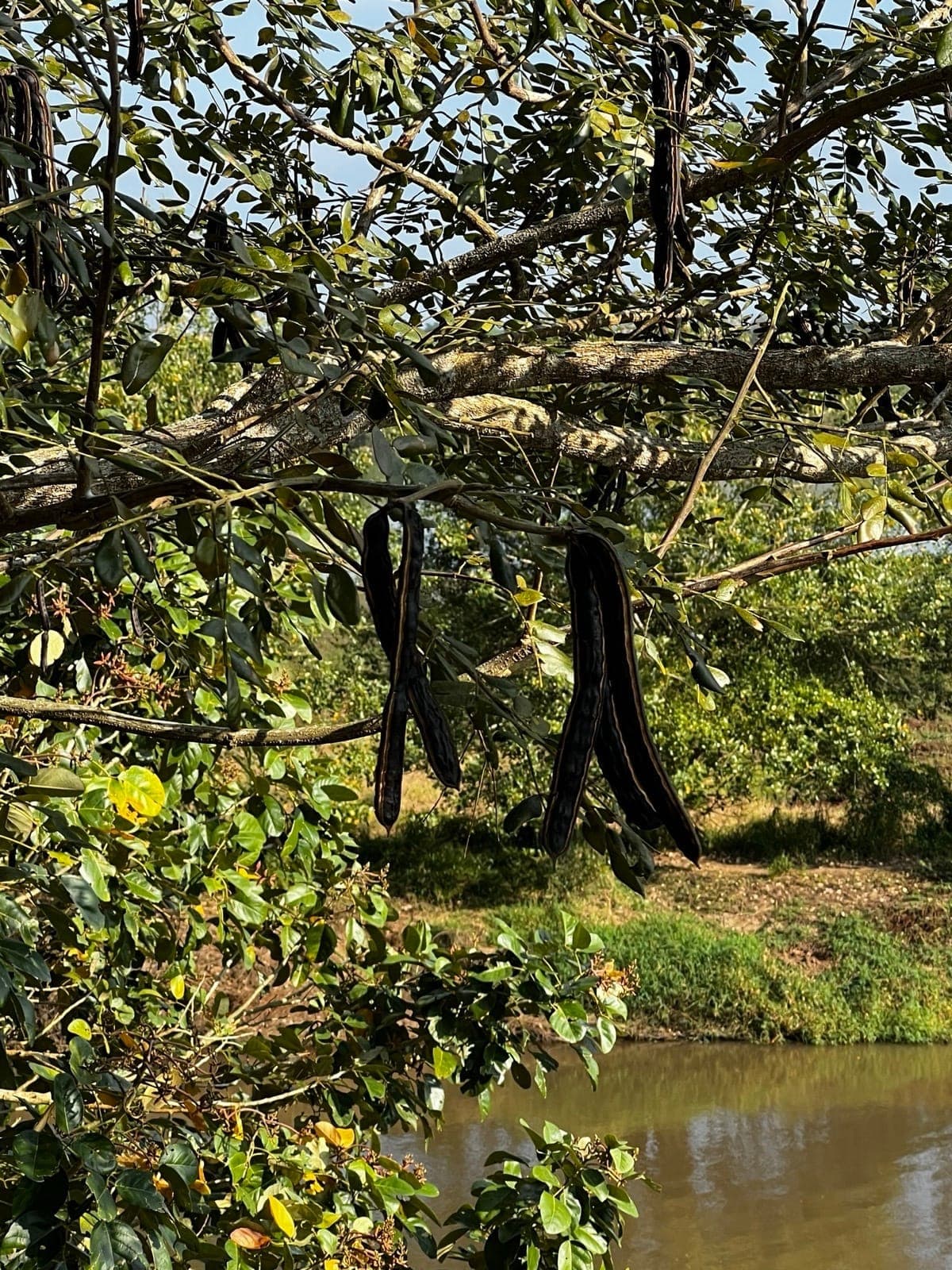
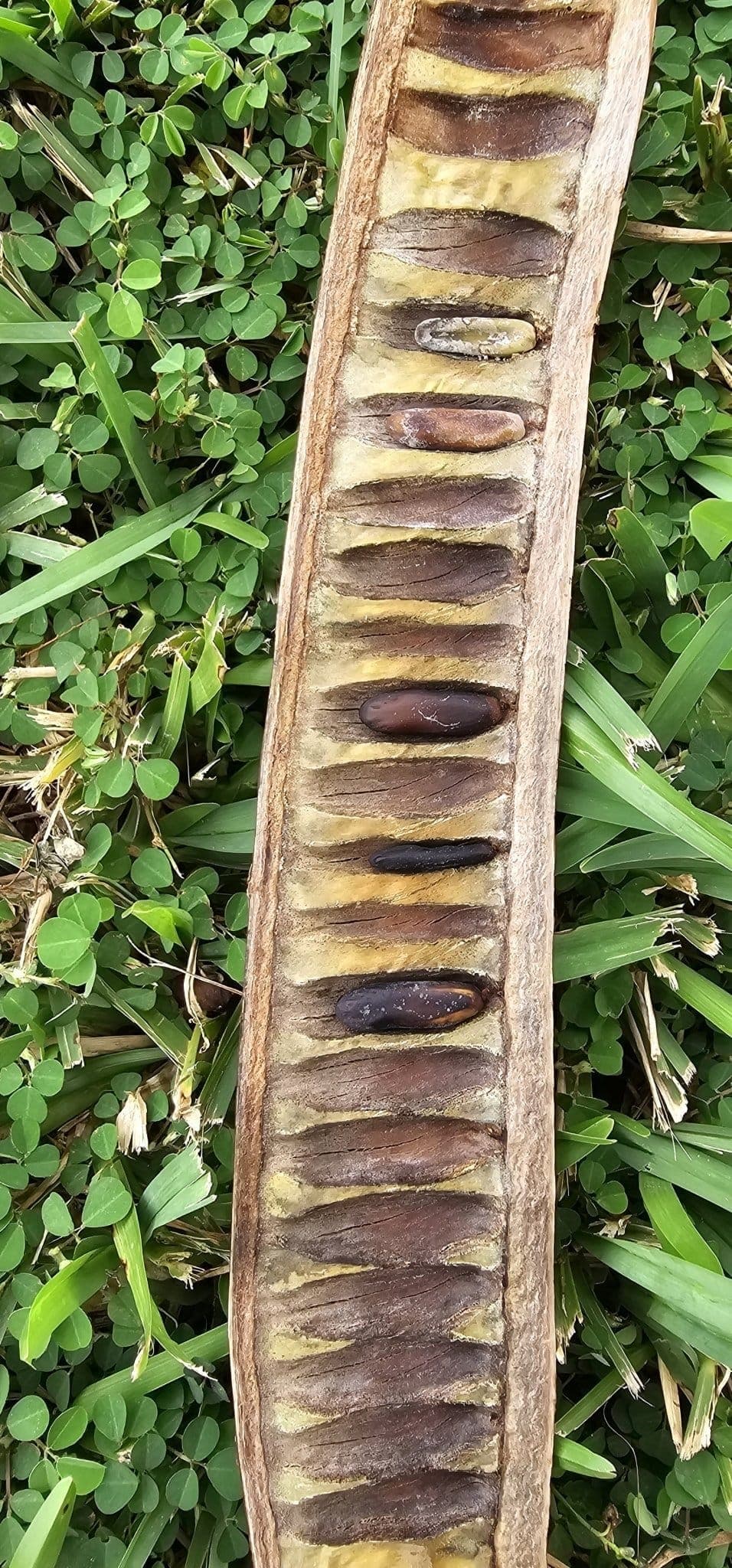
Fruits & Seeds
- Type: Legume pod
- Size: 15-30 cm long
- Color: Dark brown when mature
- Seeds: Bright red with black spot (toxic)
- Dispersal: Gravity, sometimes water
The seeds of Poró contain erythrina alkaloids and are toxic if ingested. Despite their attractive appearance, they should never be eaten. The seeds have caused poisoning incidents in children and livestock.
Distribution & Habitat
Native Range
Geographic Distribution
Distribution in Costa Rica
The Poró is found throughout Costa Rica from sea level to approximately 2,000 meters elevation. It is particularly abundant in the Central Valley and coffee-growing regions.
Preferred Habitat
Ecological Significance
Nitrogen Fixation
As a legume, Poró forms symbiotic relationships with Rhizobium bacteria in its root nodules, converting atmospheric nitrogen into plant-available forms. A single mature Poró tree can fix 150-300 kg of nitrogen per hectare per year, significantly enriching the soil beneath it.
Wildlife Interactions
Pollinators
The brilliant flowers attract numerous bird species:
- Hummingbirds: Primary pollinators, including Rufous-tailed and Green-crowned Brilliant
- Baltimore Orioles: Important visitors during migration
- Tanagers: Scarlet-thighed and other species
- Bananaquits: Frequent nectar feeders
Seed Dispersers & Herbivores
- Parrots: White-fronted and other species feed on seeds
- Squirrels: Cache and disperse seeds
- Insects: Various beetles and caterpillars feed on foliage
- Howler Monkeys: Occasionally eat young leaves
Ecosystem Services
Cultural & Economic Importance
The Coffee Connection
Poró: The Heart of Costa Rican Coffee
For over a century, Poró has been the quintessential shade tree in Costa Rica's coffee plantations. The traditional "café bajo sombra" (shade-grown coffee) system relies heavily on Poró for its multiple benefits: shade regulation, nitrogen input, organic mulch from fallen leaves, and protection from temperature extremes.
Benefits for Coffee
- Optimal Shade: 40-60% canopy cover ideal for arabica
- Nitrogen Boost: Reduces need for synthetic fertilizers
- Leaf Mulch: Fallen leaves add organic matter
- Temperature Buffer: Protects from frost and heat
- Moisture Retention: Reduces irrigation needs
- Pest Control: Supports beneficial insects and birds
Agroforestry Systems
The Poró integrates into multiple farming systems:
- Coffee-Poró: Traditional Central Valley system
- Cacao-Poró: Caribbean lowland plantations
- Silvopastoral: Shade for cattle pastures
- Living Fences: Property boundaries and windbreaks
- Alley Cropping: Rows between annual crops
Cultural Traditions
Traditional Uses
Traditional & Medicinal Uses
Ethnobotanical Applications
The following information is provided for educational purposes only. Traditional uses should not replace professional medical advice. Some parts of Erythrina species are toxic.
Conservation Status
Current Assessment
Conservation Status
Threats & Challenges
Historic Decline
- Sun Coffee Movement: 1970s-1990s saw widespread removal of shade trees
- Urbanization: Central Valley expansion displaced coffee farms
- Monoculture Pressure: Economic incentives for higher-density planting
- Climate Change: Shifting suitable zones for coffee cultivation
Recovery Factors
- Shade Coffee Premium: Market incentives for biodiversity-friendly coffee
- Carbon Credits: Agroforestry systems gaining climate finance
- Certification Programs: Rainforest Alliance, Bird Friendly standards
- Cultural Identity: Poró recognized as integral to Costa Rican heritage
Conservation Opportunities
Cultivation & Propagation
Growing Poró
Propagation Methods
From Cuttings (Most Common)
- Select mature branches 30-60 cm long, 3-5 cm diameter
- Make clean diagonal cut at base
- Plant directly in prepared hole (30-50 cm deep)
- Water well and stake if needed
- Roots develop within 2-4 weeks
- Success rate: 80-95%
From Seeds
- Scarify seed coat (nick with file or soak in hot water)
- Plant in nursery bags with well-drained soil
- Keep moist but not waterlogged
- Germination in 2-3 weeks
- Transplant when 30-50 cm tall
- Note: Seeds are toxic—handle carefully
Growing Conditions
Management Tips
- Pollarding: Cut main branches every 2-3 years to control size
- Timing: Prune after flowering and before rainy season
- Mulching: Leave pruned material around base
- Pests: Watch for stem borers and scale insects
- Companion Planting: Excellent with coffee, cacao, citrus
Identification Guide
How to Identify Poró
Scientific Research
Research Highlights
Current Studies
- Coffee quality under Poró shade vs. sun cultivation
- Carbon storage in traditional agroforestry systems
- Genetic diversity of Costa Rican populations
- Climate adaptation of shade-grown coffee systems
- Pollinator networks in coffee-Poró ecosystems
External Resources
Community observations and photos from Costa Rica
Taxonomic information and specimen records
Research on shade coffee systems
Shade-grown coffee certification
Global biodiversity occurrence data and distribution maps
Conservation status and species assessment
References
📚 Scientific References & Further Reading
Russo, R.O. & Budowski, G. (1986). Effect of pollarding frequency on biomass of Erythrina poeppigiana as a coffee shade tree. Agroforestry Systems
Beer, J., et al. (1998). Shade management in coffee and cacao plantations. Agroforestry Systems
Jiménez-Saa, H. (1967). Los árboles más importantes de la región central de Costa Rica
Neill, D.A. (1988). Experimental studies on species relationships in Erythrina. Annals of the Missouri Botanical Garden
Muschler, R.G. (2001). Shade improves coffee quality in a sub-optimal coffee-zone of Costa Rica. Agroforestry Systems
The best time to see Poró in full bloom is January through March when the trees are leafless and covered in brilliant orange-red flowers. Visit any traditional coffee farm in the Central Valley, or look for them along roadsides throughout the highlands. The town of Santo Domingo de Heredia and the Orosi Valley offer particularly beautiful displays.
Safety Information Disclaimer
Safety information is provided for educational purposes only. Individual reactions may vary significantly based on age, health status, amount of exposure, and individual sensitivity. Always supervise children around plants. Consult a medical professional or certified arborist for specific concerns. The Costa Rica Tree Atlas is not liable for injuries or damages resulting from interaction with trees described in this guide.
• Always supervise children around plants
• Consult medical professional if unsure
• Seek immediate medical attention if poisoning occurs
Information compiled from authoritative toxicology sources, scientific literature, and medical case reports.
Help improve this page
Know something about this tree? Share local knowledge, suggest a correction, or submit a photo to improve this guide for everyone.