Javillo
Hura crepitans
Quick facts
Native Region
Tropical Americas
Max Height
30-60 meters
Family
Euphorbiaceae
Conservation
LC — Least Concern
Uses
Safety Information
CRITICAL DANGER
This is one of the most dangerous trees in the Western Hemisphere. NEVER touch the sap, NEVER consume any part, NEVER stand under during fruiting season. Avoid planting near homes, schools, parks, or public areas. Indigenous Caribs used sap-poisoned arrows for warfare. The tree should only be handled by professionals with full protective equipment including face shields, gloves, and protective clothing. Keep children and pets far away. Do not burn wood—smoke is toxic.
Toxicity Details
All parts of the Javillo are highly toxic. The milky latex contains hurin and creptin (toxic proteins) that cause severe poisoning if ingested. Seeds resemble edible nuts but are EXTREMELY TOXIC—just 1-2 seeds can be fatal to children. Historical use as arrow poison and fish poison demonstrates extreme toxicity. Ingestion causes violent vomiting, diarrhea, abdominal pain, and can lead to death. Seeds contain potent toxins that affect the nervous system.
Skin Contact Risks
The milky sap (latex) is HIGHLY CAUSTIC and causes immediate severe chemical burns on contact with skin. Burns develop rapidly into painful blisters. Eye contact causes excruciating pain, temporary or permanent blindness, and corneal damage. Sap can spray when tree is cut or damaged. Indigenous peoples historically used this sap as arrow poison. Even brief skin contact requires immediate washing. Wear full protective equipment when working near this tree.
Allergenic Properties
Pollen and sap particles can cause respiratory irritation and allergic reactions in sensitive individuals. Wood dust from cutting can cause severe respiratory distress.
Structural Hazards
EXPLOSIVE SEED PODS: The pumpkin-shaped seed capsules (8-15 cm diameter) explode with tremendous force when ripe, creating a sound like a gunshot. Seeds are launched at speeds up to 250 km/h (70 m/s) and travel distances of 40-100 meters. This explosion can cause serious injury if struck—particularly dangerous to eyes and face. SHARP SPINES: Trunk and branches covered in conical woody spines 1-5 cm long that can cause deep puncture wounds. Spines present throughout tree's entire life.
Wildlife & Pet Risks
Seeds are toxic to most mammals including livestock, dogs, and cats. However, some birds and specialized mammals (agoutis, peccaries) can eat seeds safely. Domestic animals should be kept away from this tree.
First Aid & Emergency Response
• If ingested, seek immediate medical attention. Do not induce vomiting unless directed by medical professional.
• If sap contacts skin, wash immediately with soap and water. Seek medical attention if blistering or severe irritation occurs.
• If sap enters eyes, flush immediately with clean water for 15 minutes and seek emergency medical care.
Costa Rica Emergency: 911
Costa Rica Poison Control: 2223-1028
Season
Flowering
Feb-Mar
Fruiting
Apr-Jun
How to identify
Javillo (Sandbox Tree)
The Javillo (Hura crepitans), also known as the Sandbox Tree or Dynamite Tree, is one of the world's most dangerous trees—and one of the most fascinating. Its trunk is covered in sharp conical spines, it exudes caustic milky sap that causes severe burns and blindness, and its pumpkin-shaped seed pods explode with a loud bang, launching seeds at speeds up to 250 km/h over distances of 100 meters. Despite these defenses, it's a magnificent forest giant that plays important ecological roles.
Quick Reference
iNaturalist Observations
Community-powered species data
📸 Photo Gallery
Whole tree
📷 (c) lukas_pirkner, some rights reserved (CC BY-NC)(CC BY-NC)
View source ↗Leaves
📷 (c) lukas_pirkner, some rights reserved (CC BY-NC)(CC BY-NC)
View source ↗Whole tree
📷 (c) Eduardo A. Bolaños Vargas, some rights reserved (CC BY)(CC BY)
View source ↗Leaves
📷 (c) Federico A. Chinchilla Romero, some rights reserved (CC BY-NC)(CC BY-NC)
View source ↗Whole tree
📷 (c) Federico A. Chinchilla Romero, some rights reserved (CC BY-NC)(CC BY-NC)
View source ↗Photos sourced from iNaturalist's community science database. View all observations →↗
Taxonomy and Classification
- Hura: From an indigenous South American name - crepitans: Latin for "crackling" or "rattling"—referring to the explosive sound of the seed pods - Sandbox Tree: Colonial-era use—dried pods were filled with sand and used to blot wet ink - Dynamite Tree: Modern name for the explosive seed dispersal
Common Names
Physical Description
General Form
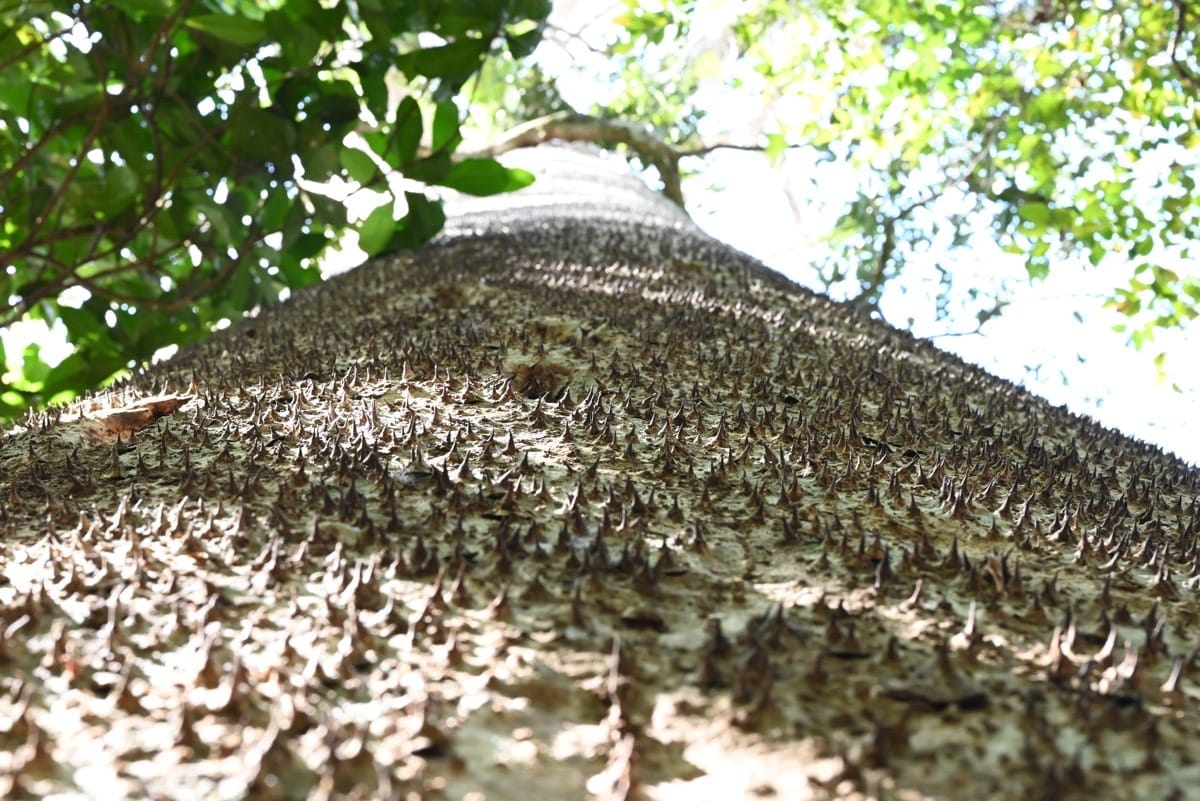
The Javillo is an enormous deciduous tree, among the largest in Central American forests. The trunk is straight, massive, and covered with stout conical spines. The crown is broad and spreading, creating dense shade. Everything about this tree says "stay away"—and for good reason.
Defensive Arsenal
The Spiny Trunk
- Type: Stout, woody, conical spines
- Size: 1-5 cm long
- Coverage: Entire trunk and major branches
- Persistence: Present throughout tree's life
- Purpose: Defense against climbing animals
- Danger: Can cause serious puncture wounds
Toxic Sap
- Color: Milky white latex
- Toxicity: Extremely caustic
- Effects on Skin: Severe burns, blistering
- Effects on Eyes: Temporary or permanent blindness
- Ingestion: Violent vomiting, diarrhea, death possible
- Compounds: Hurin, creptin (toxic proteins)
Explosive Seed Pods
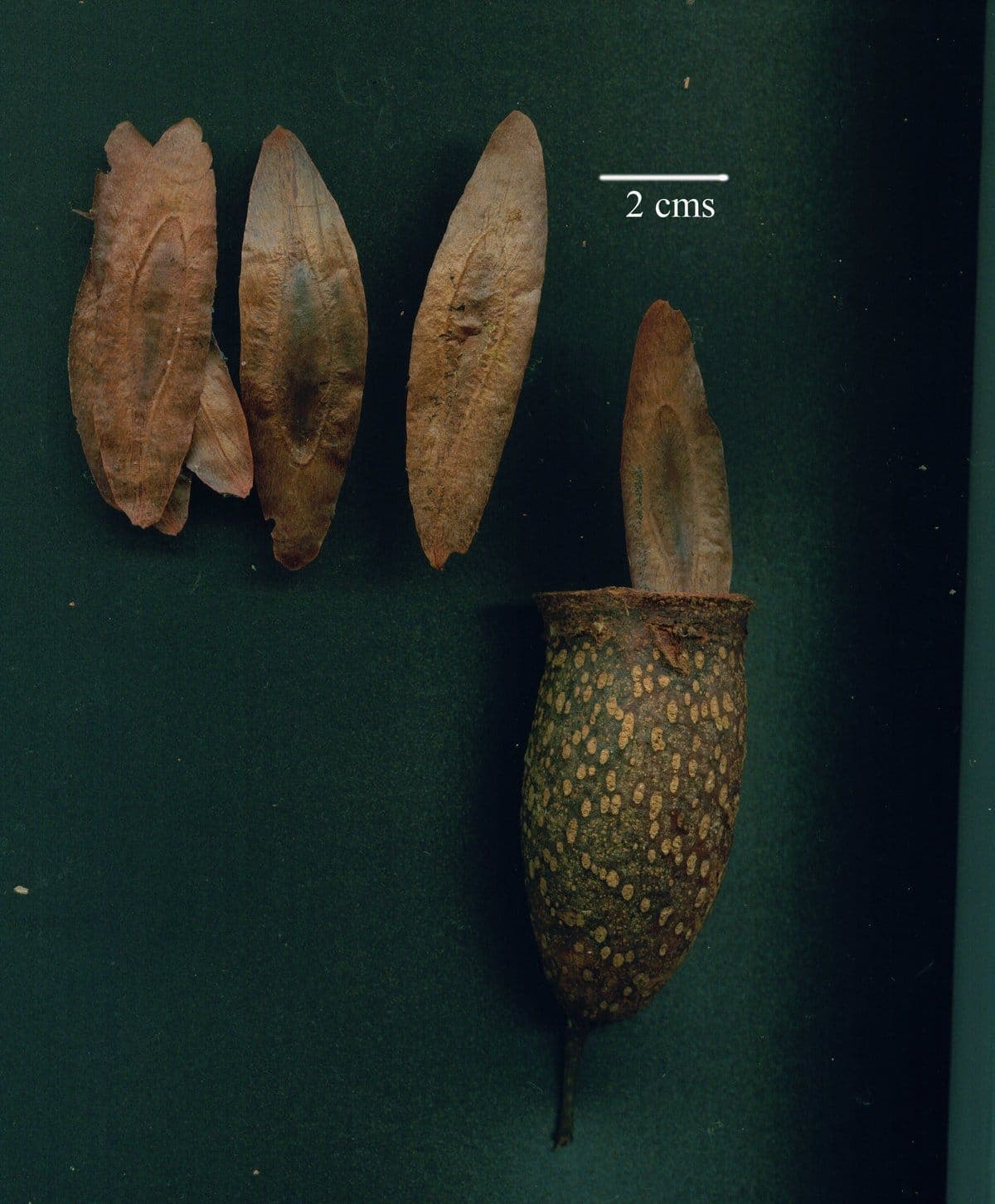
- Shape: Flattened pumpkin, segmented
- Size: 5-8 cm diameter
- Segments: 15-20 carpels
- Mechanism: Dries, tension builds, EXPLODES
- Sound: Loud bang (like gunshot)
- Seed Velocity: Up to 250 km/h (70 m/s)
- Dispersal Distance: Up to 100 meters
- Danger: Can injure people nearby
Leaves & Flowers
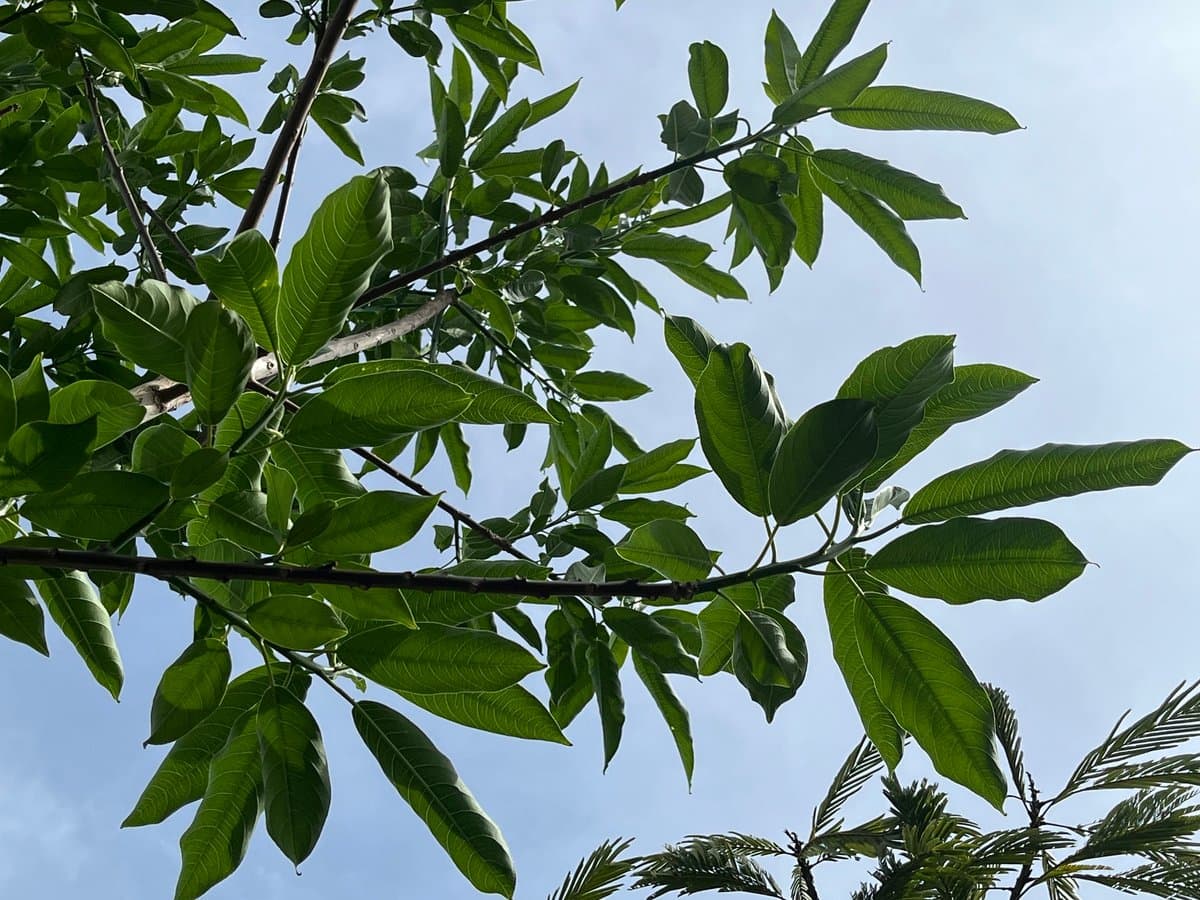
- Leaves: Heart-shaped, large (10-20 cm)
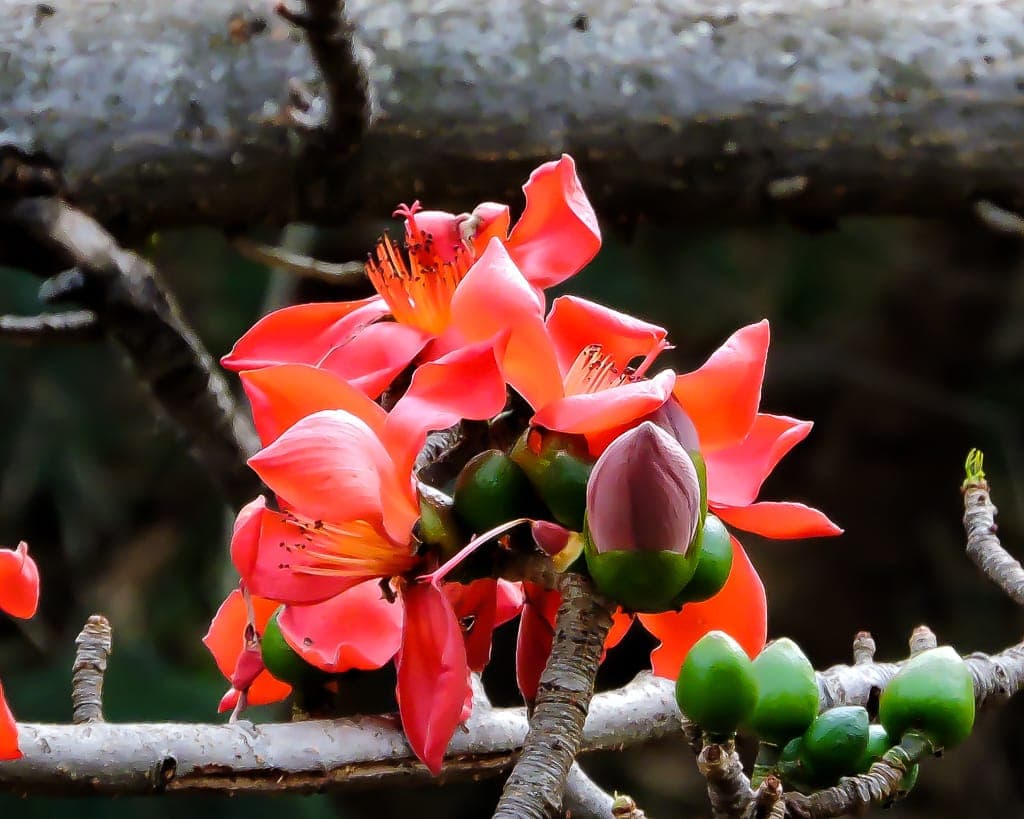
- Flowers: Male = red spikes; Female = inconspicuous
- Deciduous: Drops leaves in dry season
- New Leaves: Bronze-red, beautiful
The Javillo is genuinely dangerous: - NEVER touch the sap — causes severe chemical burns - NEVER get sap in eyes — can cause blindness - NEVER stand under tree with ripe pods — exploding pods can injure - NEVER eat any part — all parts are highly toxic - NEVER burn wood — smoke is irritating and toxic If exposed to sap, wash immediately with large amounts of water and seek medical attention. Woodworkers must use extreme caution.
Distribution and Habitat
Native Range
Geographic Distribution
Distribution in Costa Rica
Found throughout lowland wet and moist forests on both slopes:
Habitat Preferences
Ecological Importance
Despite the Danger...
Despite its fearsome defenses, the Javillo plays vital ecosystem roles: - Canopy Giant: Creates forest structure, microhabitats - Seed Dispersal Innovation: Explosive dispersal colonizes gaps - Food Source: Some animals tolerate toxins - Nesting Sites: Large branches, cavities - Shade Provider: Dense canopy in forest gaps - Carbon Storage: Massive biomass accumulation The tree's defenses evolved against now-extinct megafauna—it's over- defended for today's world but remains ecologically important.
Wildlife Interactions
Adapted Consumers
- Parrots: Some species eat seeds (process toxins)
- Iguanas: Consume leaves with apparent tolerance
- Monkeys: Occasional consumers (learned avoidance mostly)
- Fish: Seeds used as fish poison by indigenous people
Tree Associates
- Epiphytes: Grow on branches (avoiding spines)
- Birds: Nest in canopy
- Insects: Various specialists
- Bats: Use large spreading crown
Ethnobotanical Uses
Traditional Uses
Indigenous Knowledge
Despite its toxicity, indigenous peoples developed uses for Javillo: - Fish Poison: Sap and seeds stupefied fish for easy catching - Arrow Poison: Toxic latex on hunting arrows - Medicine: Carefully prepared for specific ailments - Purgative: Controlled doses as powerful laxative - Ritual: Seeds used in ceremonies (careful handling) These uses required extensive traditional knowledge—DO NOT attempt!
Colonial "Sandbox" Use
In colonial times, before blotting paper was common, the dried seed pods were used as desk accessories: 1. Pods were collected after explosion (or carefully dried to prevent it) 2. Hollow segments were filled with fine sand 3. Placed on desks as inkwells or sand shakers 4. Sand was sprinkled on wet ink to dry it quickly This is how the tree got its English name "Sandbox Tree"—a curious bit of colonial-era office supply history!
Modern Considerations
Sources: CABI Compendium - Hura crepitans↗, GBIF species profile↗, Janzen (1983), Costa Rican Natural History↗
The Explosive Mechanism
How the Pods Explode
Nature's Ballistic Seed Launcher
The Javillo's seed dispersal is a marvel of botanical engineering: 1. Pod Development: Fruit grows as segmented capsule 2. Drying Phase: As pod dries, tissues contract unevenly 3. Tension Builds: Outer layers shrink faster than inner 4. Critical Point: Tension exceeds structural strength 5. EXPLOSION: Pod shatters along segment lines 6. Seed Launch: Seeds ejected at ~70 m/s (250 km/h!) 7. Distance: Seeds travel up to 100 m from parent tree The explosion sounds like a gunshot and can be heard from far away. It's one of the most dramatic seed dispersal mechanisms in nature.
To safely observe (from a distance!): - Timing: Dry season, when pods are mature - Conditions: Hot, dry days trigger more explosions - Distance: Stay at least 50 meters from trees with ripe pods - Sound: Listen for gunshot-like bangs - Aftermath: Look for pod fragments and scattered seeds Never collect ripe pods—they can explode in your hands or car!
Identification Guide
How to Identify Javillo
Where to See Javillo in Costa Rica
When observing Javillo: - Keep distance from the trunk (spines and sap) - Don't stand under trees with ripe pods (dry season!) - Don't touch fallen sap or pod fragments - Photograph from safe distance with zoom lens
- Warn others about the tree's dangers
Risk Management for Existing Trees
Where Javillo already exists near infrastructure, management should prioritize exclusion and communication, not frequent intervention.
External Resources
Community observations and photos
Tropical forest research
Detailed species information
Global biodiversity occurrence data and distribution maps
Conservation status and species assessment
References
📚 Scientific References & Further Reading
Janzen, D.H. (1983). Costa Rican Natural History. University of Chicago Press
Swaine, M.D. & Beer, T. (1977). Explosive Seed Dispersal in Hura crepitans. New Phytologist 78: 695-708
Sakai, S. (2001). Thrips pollination of androdioecious trees, Castilla elastica and Antiaris toxicaria. American Journal of Botany 88: 1004-1010
The Javillo is a tree that commands respect. Its arsenal of spines, toxic sap, and explosive pods represent millions of years of evolution against herbivores and seed predators. In an age when most dangerous megafauna are gone, the Javillo remains ready for battles that rarely come. Standing before one of these magnificent giants, covered in their armor of spines and reaching toward the canopy, you witness a living fortress—beautiful, terrifying, and utterly unforgettable. Just remember to appreciate it from a safe distance!
Safety Information Disclaimer
Safety information is provided for educational purposes only. Individual reactions may vary significantly based on age, health status, amount of exposure, and individual sensitivity. Always supervise children around plants. Consult a medical professional or certified arborist for specific concerns. The Costa Rica Tree Atlas is not liable for injuries or damages resulting from interaction with trees described in this guide.
• Always supervise children around plants
• Consult medical professional if unsure
• Seek immediate medical attention if poisoning occurs
Information compiled from authoritative toxicology sources, scientific literature, and medical case reports.
Help improve this page
Know something about this tree? Share local knowledge, suggest a correction, or submit a photo to improve this guide for everyone.