Yos
Sapium glandulosum
Quick facts
Native Region
Central and South America
Max Height
15-30 meters
Family
Euphorbiaceae
Conservation
LC — Least Concern
Uses
Safety Information
CAUTION
Use caution with this tree. While it's ecologically important as a pioneer species and wildlife food source, the toxic latex makes it unsuitable for high-traffic areas, schools, or playgrounds. Warn children not to break branches or handle sap. The tree is valuable in reforestation but should be planted away from areas where people or pets frequently pass. Birds safely eat the seeds without issue (seeds pass through digestive system).
Toxicity Details
Yos is in Euphorbiaceae (spurge family) and contains TOXIC LATEX. The milky white sap is irritating and mildly toxic if ingested - causes burning sensation in mouth, nausea, vomiting, and diarrhea. Indigenous peoples historically used the latex as fish poison, indicating toxicity to aquatic life and general toxicity. All parts contain some level of toxic compounds. While not as dangerous as some Euphorbiaceae members, the tree should not be planted where children or pets might contact broken branches or leaves. The latex flows freely when any part is damaged.
Skin Contact Risks
MODERATE skin irritation risk. The latex can cause contact dermatitis, redness, itching, and burning sensation on skin. Some individuals develop allergic reactions. Eye contact is particularly problematic - causes burning and irritation. Wash immediately with soap and water if exposed. Avoid touching eyes after handling the tree.
Allergenic Properties
Some individuals may develop allergic contact dermatitis from repeated exposure to the latex.
Wildlife & Pet Risks
TOXIC latex is harmful if pets ingest leaves or bark. Keep dogs and cats away from this tree. Birds eat the seeds safely. The historical use as fish poison indicates toxicity to aquatic life - do not plant near streams or ponds where latex runoff could occur.
First Aid & Emergency Response
• If ingested, seek immediate medical attention. Do not induce vomiting unless directed by medical professional.
• If sap contacts skin, wash immediately with soap and water. Seek medical attention if blistering or severe irritation occurs.
• If sap enters eyes, flush immediately with clean water for 15 minutes and seek emergency medical care.
Costa Rica Emergency: 911
Costa Rica Poison Control: 2223-1028
Season
Flowering
Mar-Apr
Fruiting
Jun-Jul
How to identify
Yos
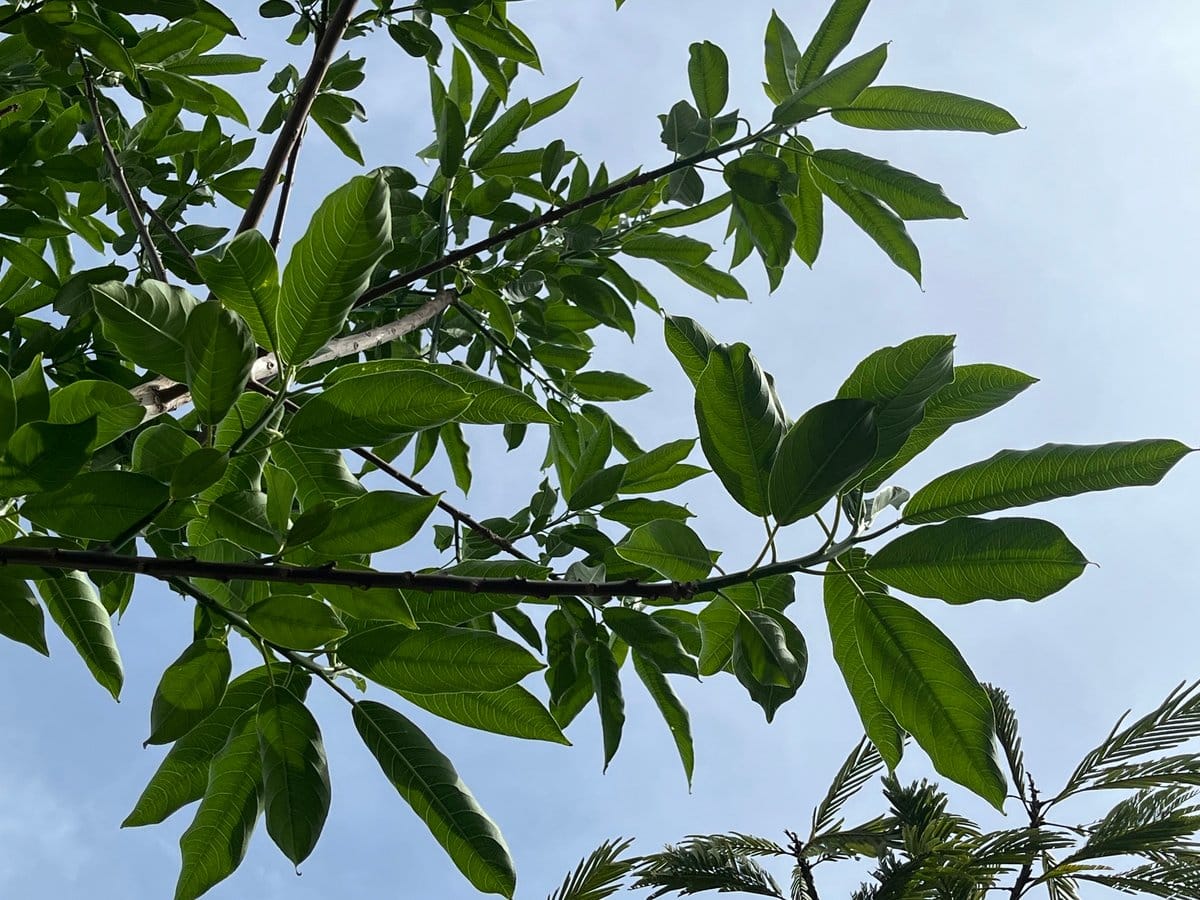
Yos (Sapium glandulosum), also known as Leche de Vaca or Milkwood, is one of Costa Rica's most successful pioneer trees. Easily recognized by the distinctive glands at the top of its leaf stalks and the abundant milky latex that flows when any part is cut, this fast-growing species colonizes disturbed areas and provides critical food resources for wildlife. While it may not be the most glamorous rainforest tree, Yos is an ecological workhorse—one of the first trees to appear after disturbance and a favorite of seed-eating birds across its range.
Quick Reference
iNaturalist Observations
Community-powered species data
📸 Photo Gallery
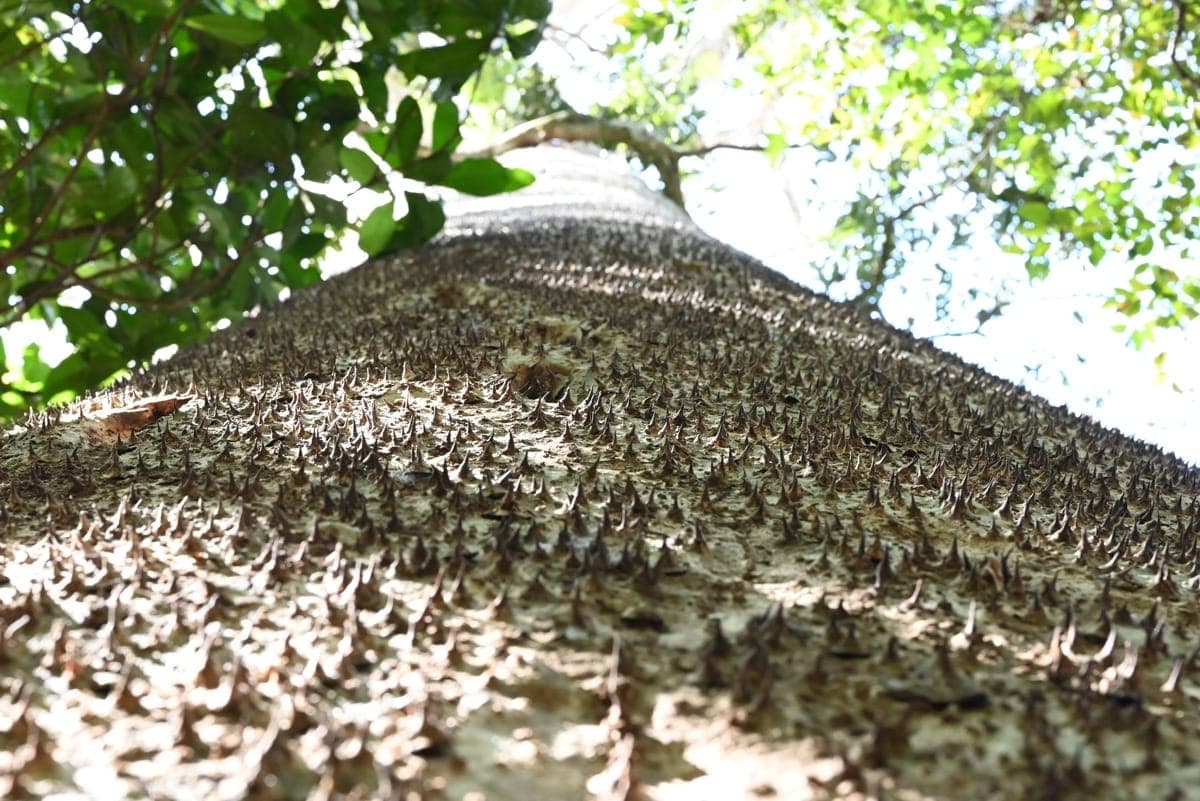
Whole tree
📷 (c) costa_abeja, some rights reserved (CC BY-NC)(CC BY-NC)
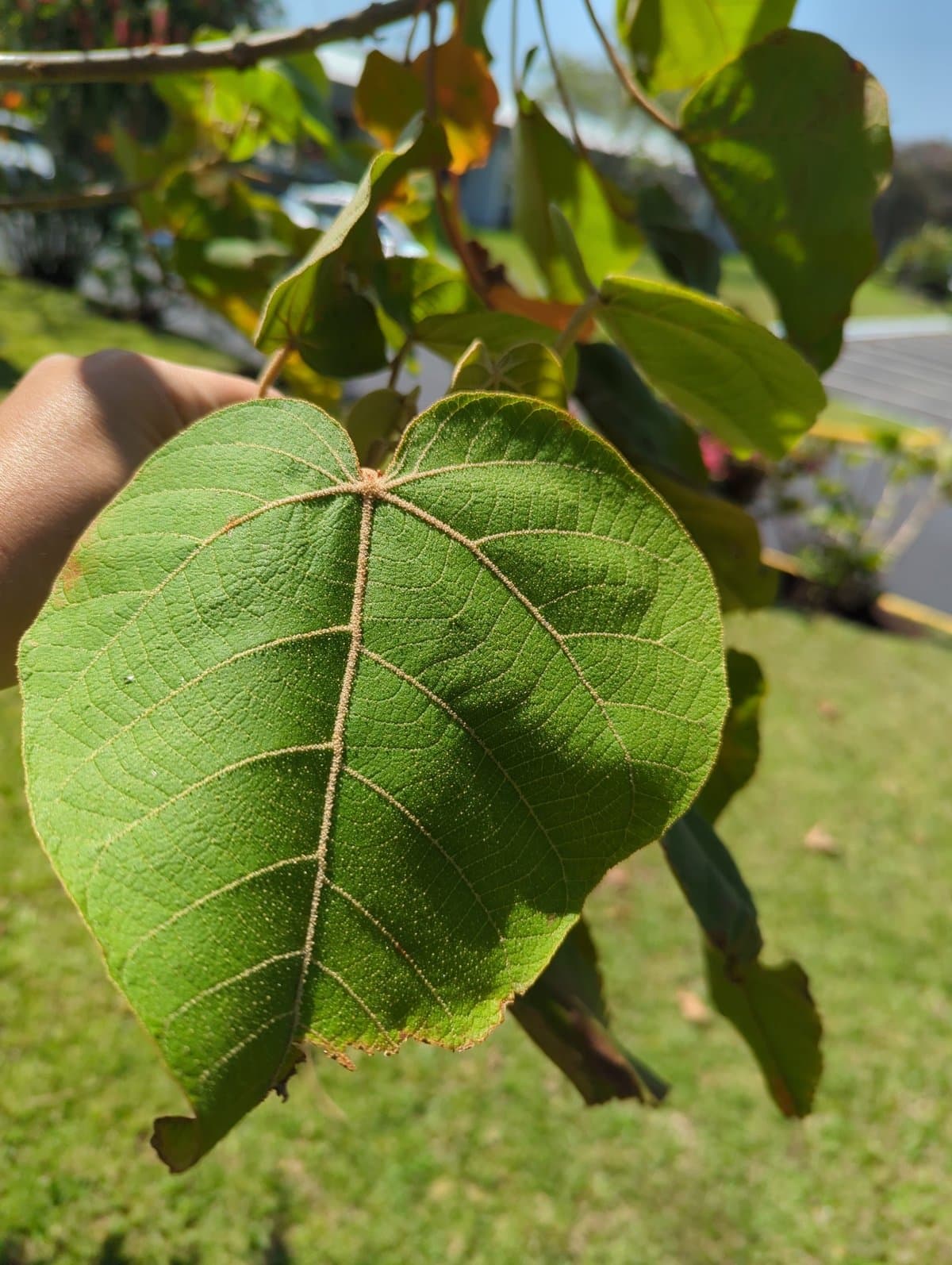
View source ↗Leaves
📷 (c) costa_abeja, some rights reserved (CC BY-NC)(CC BY-NC)
View source ↗Whole tree
📷 (c) mariana1994, some rights reserved (CC BY-NC)(CC BY-NC)
View source ↗Leaves
📷 (c) costa_abeja, some rights reserved (CC BY-NC)(CC BY-NC)
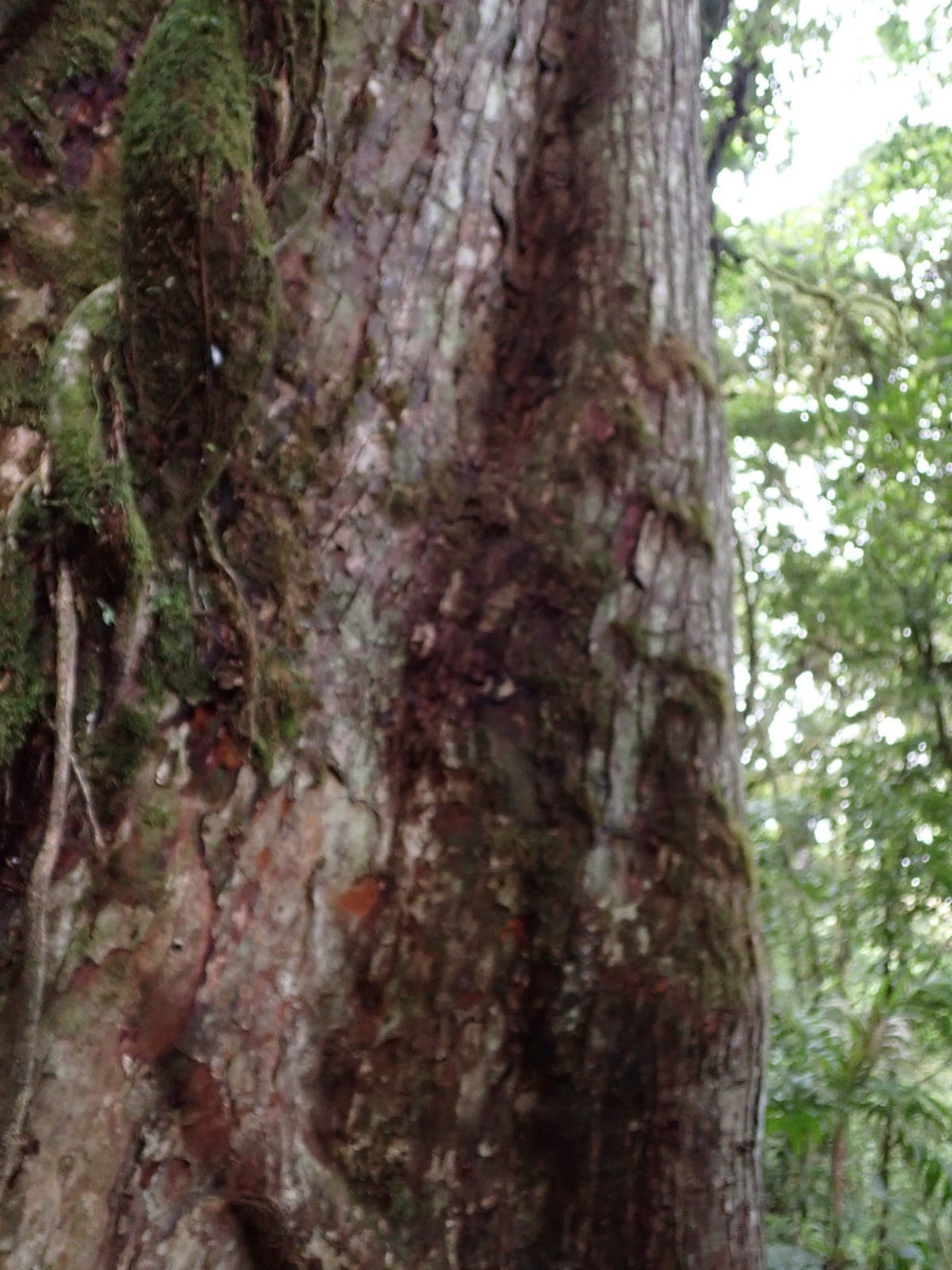
View source ↗Whole tree
📷 (c) sergio_m, some rights reserved (CC BY-NC)(CC BY-NC)
View source ↗Photos sourced from the iNaturalist citizen science database. View all observations →↗
Taxonomy and Classification
- Sapium: From Latin "sapere" (taste/sap) - referring to the latex - glandulosum: Latin for "full of glands" - the petiole glands - Family Euphorbiaceae includes rubber, cassava, poinsettia - Genus contains ~100 species with milky latex
Common Names
Related Species in Costa Rica
Physical Description
Overall Form
Yos is a medium-sized tree with a typically straight trunk and a rounded, somewhat open crown. It's a fast-growing pioneer that can establish quickly in disturbed areas. The tree is semi-deciduous, dropping leaves briefly in the dry season in drier areas.
Identifying Features
The Diagnostic Glands
- Location: Top of leaf stalk (petiole)
- Number: Usually 2 prominent glands
- Color: Often reddish or dark
- Function: Attract ants (extrafloral nectaries)
- Key ID: Most diagnostic feature!
- Visible: Easy to see on fresh leaves
Latex
- Color: White, milky
- Flow: Abundant, quick
- Consistency: Thick, sticky
- Warning: Caustic—can irritate skin/eyes
Leaves
- Arrangement: Alternate, simple
- Shape: Elliptic to ovate
- Size: 8-15 cm long
- Margin: Finely serrated
- Tip: Pointed (acuminate)
- Texture: Somewhat leathery
Flowers and Fruit
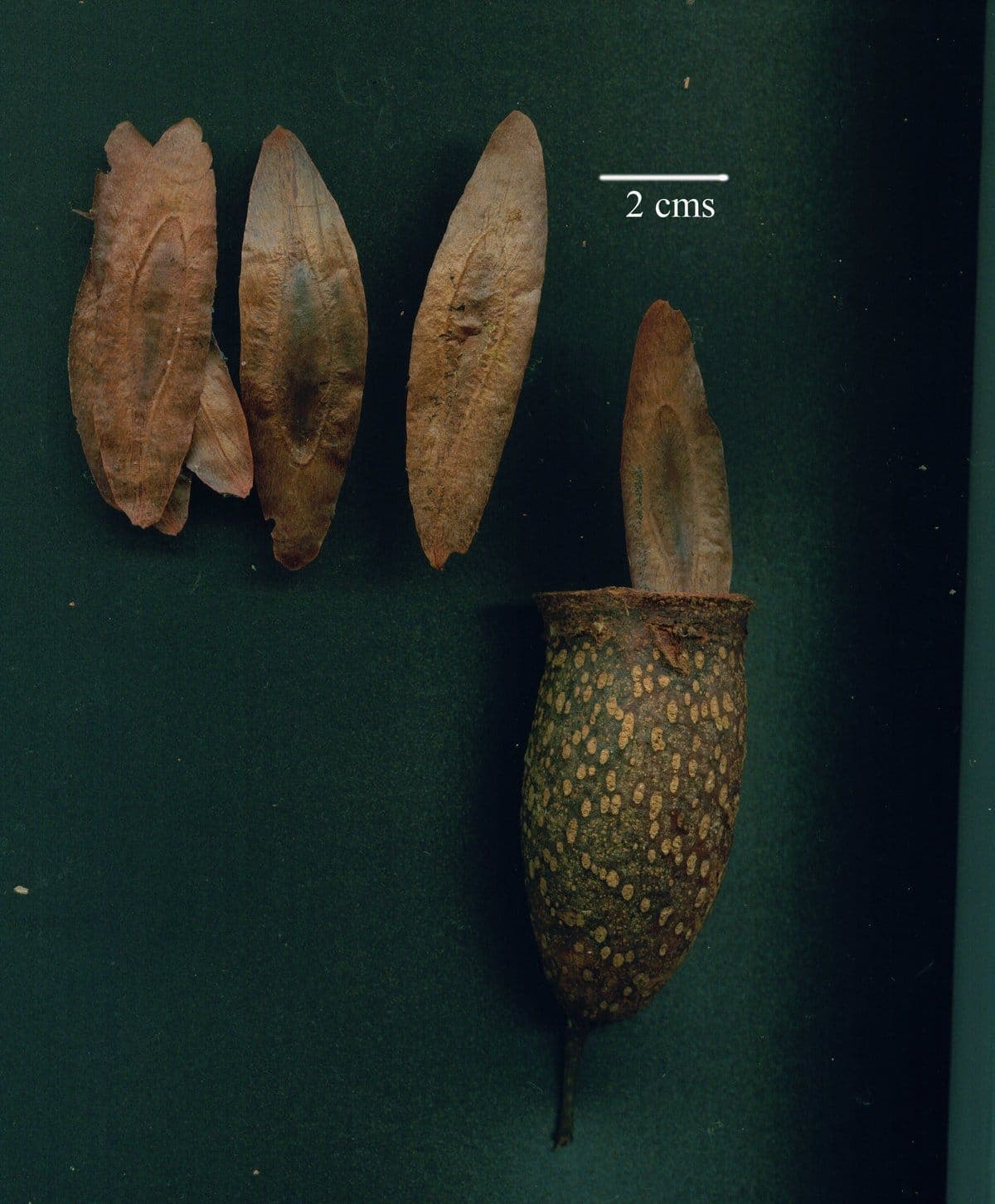
- Flowers: Small, greenish, in terminal spikes
- Fruit: 3-lobed capsule, ~1.5 cm
- Seeds: Dark, 3 per capsule
- Dehiscence: Explosive, loud cracking
- Season: Mainly rainy season
Like many Euphorbiaceae, Yos produces copious milky latex that can cause serious irritation: Cautions: - Skin: Can cause rashes, burning - Eyes: VERY dangerous—can cause temporary blindness - Mouth: Highly toxic if ingested If Exposed: - Wash thoroughly with soap and water - For eyes, flush with clean water, seek medical help - Never burn branches near face (latex vaporizes) Working Safely: - Wear gloves when handling cut branches - Keep away from face when cutting - Avoid during hot weather (latex more fluid) The latex is a defense mechanism against herbivores—effective!
Distribution and Habitat
Global Distribution
Geographic Distribution
Distribution in Costa Rica
Habitat Preferences
Ecological Role
Pioneer Powerhouse
Succession Role
- Early colonizer: Among first trees after disturbance
- Fast growth: Rapid establishment
- Gap specialist: Thrives in forest openings
- Nurse species: Provides shade for slower species
- Nitrogen indifferent: Establishes on poor soils
Wildlife Value
- Seed-eating birds: Major food source
- Oropendolas: Favorite food
- Parrots and parakeets: Consume seeds
- Small mammals: Eat fallen seeds
- Ants: Attracted to petiole glands
Yos is one of the most important food sources for seed-eating birds in Costa Rica: Why Birds Love Yos: - Seeds rich in oils and proteins - Abundant fruit production - Predictable fruiting season - Accessible seed arrangement Regular Visitors: - Oropendolas (Montezuma, Chestnut-headed) - Parakeets (several species) - Toucans (occasionally) - Tanagers - Saltators - Various finches Fruiting Spectacle: When a Yos is in fruit, watch for mixed flocks gathering— sometimes dozens of birds feeding together! This makes Yos valuable for birdwatching locations and wildlife corridors.
Ant-Plant Relationship
Extrafloral Nectaries
Those distinctive glands at the top of the leaf stalks aren't just for identification—they're extrafloral nectaries: How They Work: - Glands produce sugary nectar - Ants feed on the nectar - Ants patrol the plant - Ants attack herbivorous insects Mutual Benefits: - Plant: Gets protection from herbivores - Ants: Get reliable food source - Neither can thrive as well alone Observable: Look closely at Yos leaves and you'll often see ants visiting the petiole glands—a mutualism in action!
Cultural & Historical Significance
Indigenous Knowledge
While Yos is not as culturally prominent as some other Costa Rican trees, it has played various roles in indigenous and rural communities:
Traditional Uses
- Fish Poison: Indigenous peoples discovered the latex's toxic properties and used it to stun fish in streams—a technique called "barbasco" fishing
- Tool Handles: The wood, though not premium quality, was used for tool handles and simple implements
- Wart Removal: Carefully applied latex used to remove warts (though modern alternatives are safer)
- Boundary Markers: Fast-growing trees often planted as living property markers
Cultural Perspectives
- "Lechero" Name: The milk tree designation reflects rural familiarity with its abundant white sap
- Pioneer Recognition: Farmers recognize it as a first colonizer of abandoned fields
- Cattle Shade: Commonly left standing in pastures for livestock shade
- Bird Tree: Known among rural communities as a tree that "brings birds"
Modern Recognition
Today, Yos is increasingly valued for its ecological services rather than direct products:
The story of Yos reflects changing perspectives on forest trees. Once valued primarily for its latex (though never commercially important) and as quick shade, today Yos is appreciated more for its ecosystem services: accelerating forest recovery, feeding wildlife, and providing habitat. This shift from extraction to ecological function represents broader changes in how we value tropical trees.
Conservation & Population Status
Current Status Assessment
Least Concern
IUCN Red List Status
IUCN Red List: Least Concern (LC)
Yos is one of Costa Rica's most successful and abundant pioneer trees. Its conservation status is secure due to:
Factors Supporting Abundance
- Wide Distribution: Found throughout tropical Americas
- Habitat Generalist: Thrives in disturbed and undisturbed areas
- Fast Reproduction: Quick to mature and produce abundant seeds
- High Dispersal: Birds spread seeds widely
- Disturbance Adapted: Benefits from human land use changes
Population Trends
- Stable to Increasing: Population likely increasing in some areas
- Secondary Growth: Abundant in recovering forests
- Agricultural Landscapes: Common in pastures and field edges
- Urban Areas: Present in cities and suburbs
- No Major Threats: Faces no significant conservation threats
Ecological Security
Unlike many tropical trees, Yos faces few conservation concerns:
Yos represents an interesting conservation case: it's secure not because of protection efforts, but because its biology and ecology align well with human-modified landscapes. While we work to protect threatened species, Yos reminds us that some native trees thrive alongside human activities. The challenge is ensuring that our landscapes support both adaptable pioneers like Yos and the more sensitive species that need intact forests.
Seasonal Changes & Phenology
Annual Cycle
While Yos is semi-deciduous and may briefly drop leaves in dry seasons, its most notable seasonal changes involve flowering and fruiting:
Flowering Details
Flower Characteristics
- Type: Small, greenish, unisexual
- Arrangement: Terminal spikes (racemes)
- Timing: Primarily March-April (dry season transition)
- Duration: ~4-6 weeks
- Pollination: Wind and small insects
- Visibility: Not showy—easy to miss
Fruiting Timeline
- Fruit Set: April-May
- Development: May-July (2-3 months)
- Maturation: July-September (peak)
- Seed Release: Explosive dehiscence
- Sound: Audible "pop" when capsules open
- Dispersal: Seeds eaten by birds immediately
Peak Activity: July-September
During peak fruiting season, a productive Yos tree becomes a wildlife feeding station:
- Early Morning (6-9 AM): Mixed flocks of tanagers, parakeets, and oropendolas arrive
- Mid-Morning (9-11 AM): Larger birds like toucans may visit
- Afternoon (3-5 PM): Another feeding wave, often with different species
- Best Days: After rain, when birds are especially active
What to Bring: Binoculars, bird guide, camera with telephoto lens, patience!
Leaf Phenology Variation
Yos shows different deciduous behavior depending on location:
Uses
Traditional and Modern Applications
While Yos has traditional medicinal uses, the caustic latex makes it potentially dangerous: - Traditional uses: Warts, skin conditions (external) - Extreme care needed with any application - Internal use is dangerous - Modern alternatives usually preferred Do not attempt self-treatment with Yos latex!
Cultivation
Growing Yos
Identification Guide
How to Identify Yos
Where to See Yos in Costa Rica
Yos is one of the easiest trees to find in Costa Rica: Where to Look: - Forest edges everywhere - Secondary growth areas - Along rural roads - In pastures (often left for shade) - Recent clearings Identification Tips: - Look for paired glands on leaf stalks (easiest ID) - Break a small twig—abundant white latex flows - Listen for exploding seed capsules in fruiting season Best Time for Birds: - When fruiting (mainly rainy season)
- Morning hours - Look for mixed flocks feeding Yos is so common that once you learn it, you'll see it everywhere!
The Euphorbiaceae: A Family of Contrasts
The spurge family (Euphorbiaceae) is remarkably diverse, but almost all members share one trait: milky latex: Costa Rican Family Members: - Yos (Sapium) - This tree - Javillo (Hura) - Explosive sandbox tree - Croton (Targuá) - Many shrubby species - Manihot (Yuca) - Cassava, the food crop - Euphorbia - Poinsettias and spurges - Hevea - The source of natural rubber The Latex Defense: - Discourages herbivores - Quick-sealing wound response - Often contains toxic compounds - Varies in potency between species Economic Importance: - Natural rubber (Hevea) - Cassava (Manihot) - major food crop - Ornamentals (poinsettia, crotons) - Castor oil (Ricinus) Yos represents this important family in Costa Rica's forests!
External Resources
Community observations and photos
Botanical information
Regional botanical reference
Global biodiversity occurrence data and distribution maps
Conservation status and species assessment
References
📚 Scientific References & Further Reading
Burger, W. & Huft, M. (1995). Flora Costaricensis: Euphorbiaceae. Fieldiana Botany
Janzen, D.H. (1991). Historia Natural de Costa Rica. Editorial Universidad de Costa Rica
Stiles, F.G. & Skutch, A.F. (1989). A Guide to the Birds of Costa Rica. Cornell University Press
In a country famous for towering emergents, magnificent buttresses, and rare hardwoods, the Yos might seem unremarkable—a common tree found along every road and forest edge. Yet this milkwood pioneer is one of the unsung heroes of Costa Rica's forests. When a tree falls, when land is abandoned, when a gap opens in the canopy, Yos is among the first to arrive, quickly establishing and beginning the slow process of forest recovery. Its branches become feeding stations for dozens of bird species, its petiole glands sustain armies of protective ants, and its shade nurtures the seedlings of slower-growing species that will eventually overtake it. Every forest has to start somewhere, and more often than not, that somewhere includes Yos. Next time you pass by one of these common trees, take a moment to check those characteristic glands on the leaf stalks, maybe watch for a moment as birds feast on its seeds, and appreciate this humble workhorse of tropical forest succession.
Safety Information Disclaimer
Safety information is provided for educational purposes only. Individual reactions may vary significantly based on age, health status, amount of exposure, and individual sensitivity. Always supervise children around plants. Consult a medical professional or certified arborist for specific concerns. The Costa Rica Tree Atlas is not liable for injuries or damages resulting from interaction with trees described in this guide.
• Always supervise children around plants
• Consult medical professional if unsure
• Seek immediate medical attention if poisoning occurs
Information compiled from authoritative toxicology sources, scientific literature, and medical case reports.
Help improve this page
Know something about this tree? Share local knowledge, suggest a correction, or submit a photo to improve this guide for everyone.