Magnolia
Magnolia poasana
Quick facts
Native Region
Costa Rica and Panama
Max Height
15-30 meters (50-100 feet)
Family
Magnoliaceae
Conservation
NT — Near Threatened
Uses
Safety Information
Toxicity Details
The living tree is safe. Magnolia bark from medicinal species (like M. officinalis) contains bioactive alkaloids and neolignans (magnolol, honokiol) with pharmacological effects. M. poasana bark composition is not fully documented but should be assumed to contain similar compounds. Do not consume bark or make medicinal preparations without expert guidance. Flowers, leaves, and wood are non-toxic for normal contact.
Skin Contact Risks
No skin contact risk from touching the tree, bark, leaves, or flowers. Safe to handle and be around.
Allergenic Properties
LOW allergen risk. Not a significant pollen or contact allergen. Standard wood dust precautions apply during woodworking.
Season
Flowering
Mar-May
Fruiting
Aug-Oct
How to identify
Magnolia (Candelilla)
The Magnolia poasana, known locally as Candelilla, is one of Costa Rica's most beautiful highland trees. Named after Poás Volcano, this species belongs to one of the most ancient flowering plant families on Earth. Magnolias appeared over 95 million years ago, before the diversification of modern bee lineages, and were pollinated by beetles. Today, this Near Threatened species is restricted to the cloud forests of Costa Rica's volcanic ranges, a living link to the deep past.
Quick Reference
iNaturalist Observations
Community-powered species data
An Ancient Lineage
Magnolias: Among the First Flowers
Magnolias are among the most primitive flowering plants still alive today:
- Origin: Appeared in the Early Cretaceous (95+ million years ago)
- Dinosaur contemporaries: Flourished when dinosaurs roamed
- Pre-bee pollination: Evolved before the diversification of modern bees—pollinated by beetles
- Primitive features: Spiral flower parts, undifferentiated tepals
- Living fossils: Little changed over tens of millions of years
When you see a magnolia flower, you're looking at a design that predates most modern flower forms.
Why Costa Rica Has Magnolias
Magnolias today are found mainly in East Asia and the Americas—a distribution pattern called "disjunct." This reflects their ancient origins when continents were differently arranged. Costa Rica's magnolias, including M. poasana, represent the Central American branch of this ancient lineage.
📸 Photo Gallery
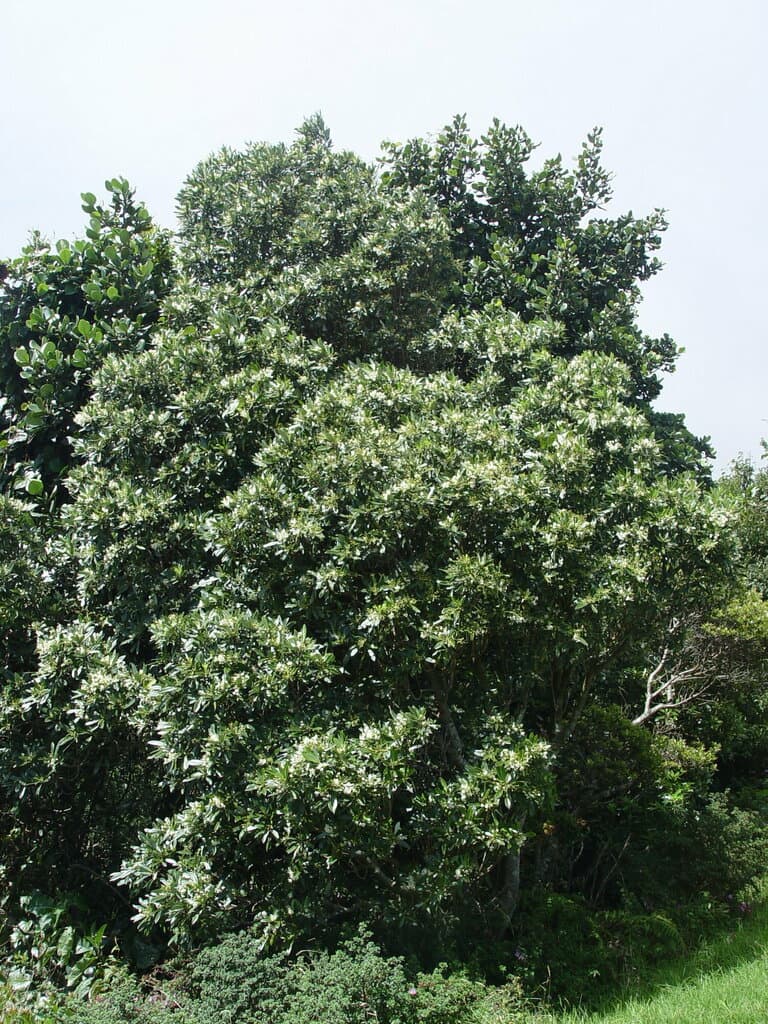
Whole tree
📷 (c) Eduardo Chacón Madrigal, some rights reserved (CC BY)(CC BY)
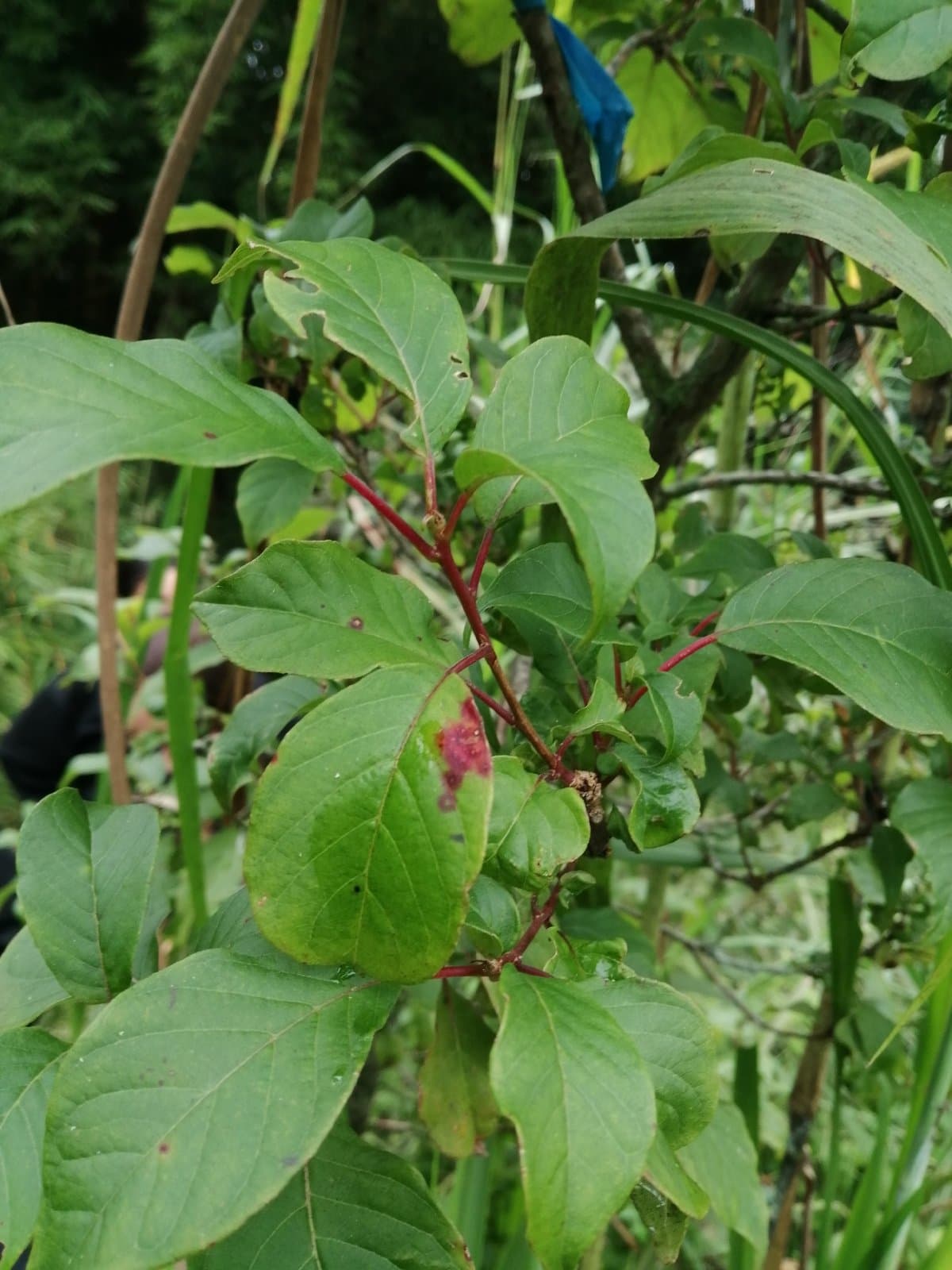
View source ↗Leaves
📷 (c) Eduardo Chacón Madrigal, some rights reserved (CC BY)(CC BY)
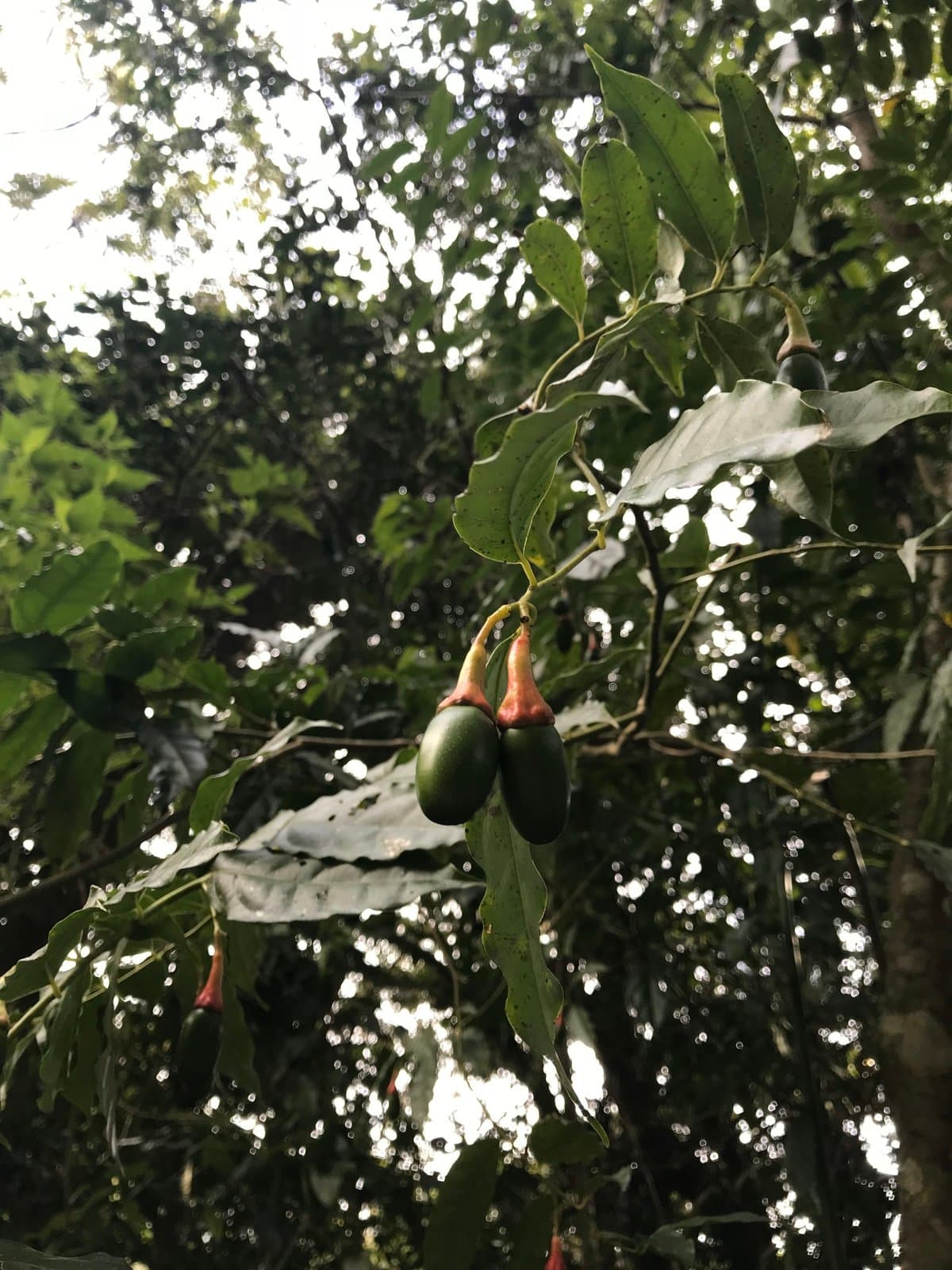
View source ↗Whole tree
📷 (c) Leonardo Álvarez-Alcázar, some rights reserved (CC BY-NC)(CC BY-NC)
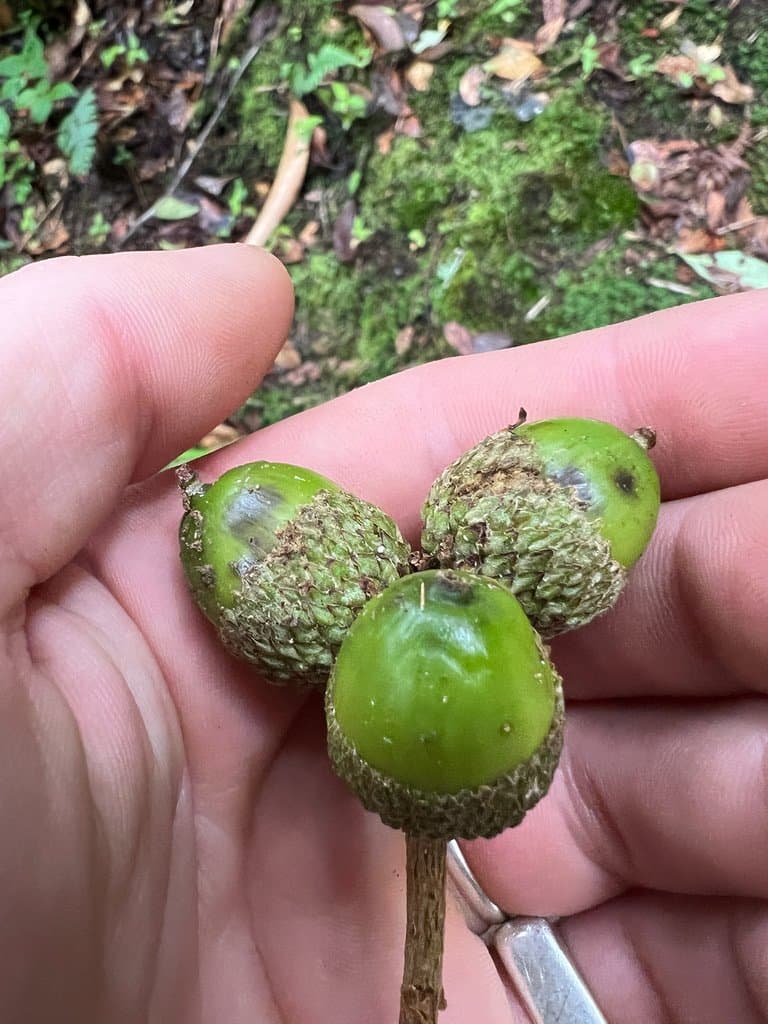
View source ↗Whole tree
📷 (c) Maryse Neukomm, some rights reserved (CC BY-NC)(CC BY-NC)
View source ↗Whole tree
📷 (c) Jasen Liu, some rights reserved (CC BY-NC)(CC BY-NC)
View source ↗Photos sourced from iNaturalist's community science database. Browse all observations →↗
Taxonomy & Classification
The Magnoliaceae contains about 227 species in 7 genera. The genus Magnolia itself has about 210 species. Costa Rica has several native magnolias, but M. poasana is perhaps the most distinctive and well-known. The family is named after French botanist Pierre Magnol (1638-1715).
Common Names
Physical Description
Overall Form
Magnolia poasana is a medium to large tree of the cloud forest understory and canopy. Its form is typically upright with a dense, rounded crown.
Distinctive Features
Leaves
- Size: 15-30 cm long, 6-12 cm wide
- Shape: Elliptical to obovate
- Texture: Leathery, glossy above
- Underside: Often paler, sometimes rusty-pubescent
- Arrangement: Alternate, clustered at branch tips
Flowers
- Size: 8-10 cm diameter
- Color: Creamy white, fragrant
- Tepals: 9-12, thick and waxy
- Stamens: Numerous, spirally arranged
- Fragrance: Sweet, penetrating
- Timing: Individual flowers short-lived
Spectacular Blooms
When a Magnolia poasana blooms in the misty cloud forest, the effect is magical. The large, creamy-white flowers emerge from fuzzy buds, opening to reveal their spiral arrangement of thick, waxy tepals. The sweet fragrance carries through the fog, attracting beetle pollinators as it has for millions of years.
Fruit & Seeds
Aggregate Fruit
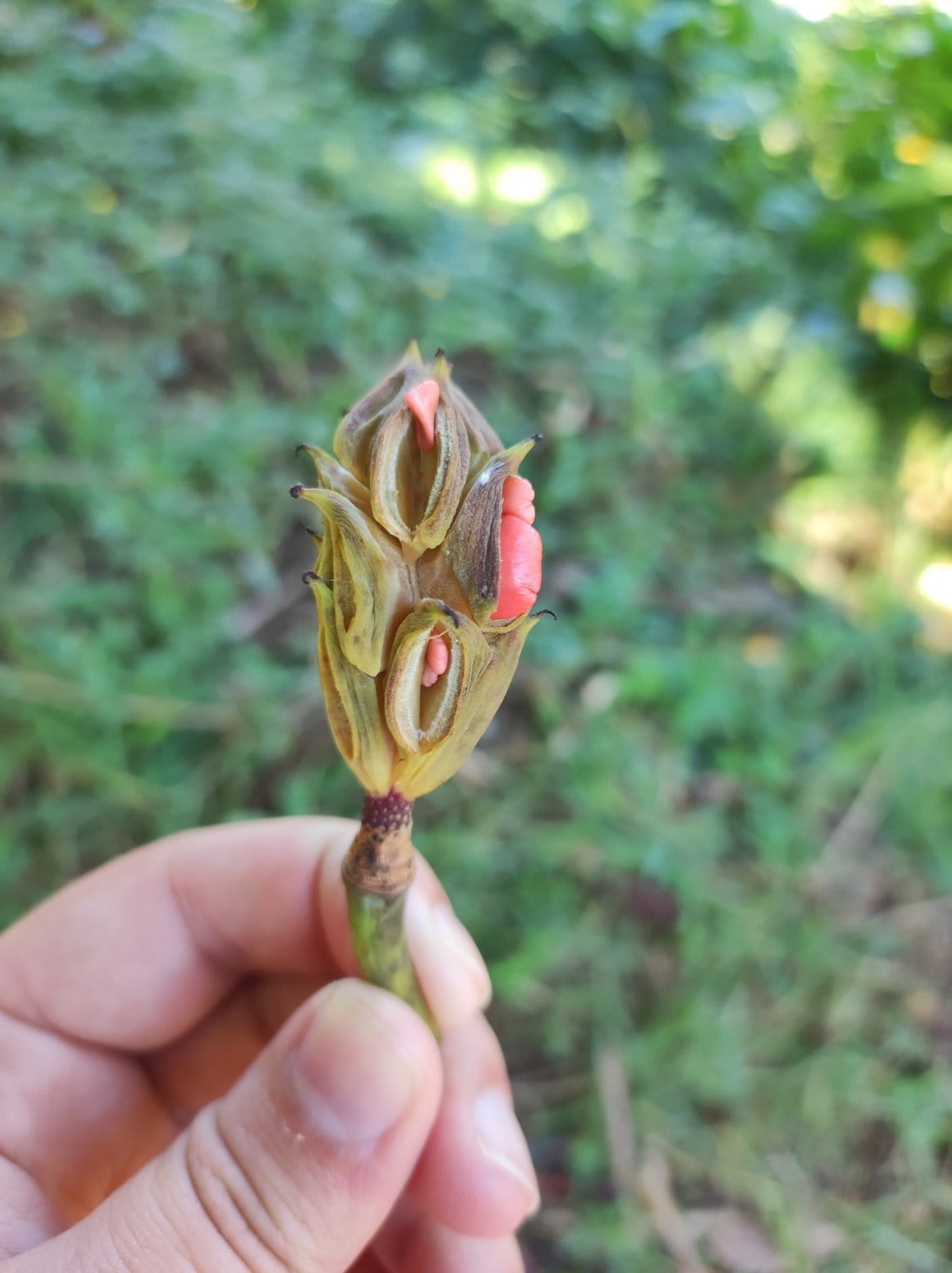
- Structure: Cone-like cluster of follicles
- Size: 5-10 cm long
- Color: Green ripening to pink/red
- Follicles: Each contains 1-2 seeds
Seeds
- Covering: Bright red/orange aril
- Dispersal: Birds attracted to colorful arils
- Viability: Short-lived, must germinate quickly
- Germination: Requires specific conditions
Habitat & Distribution
Cloud Forest Specialist
Magnolia poasana is found in the cool, moist cloud forests of Costa Rica's Central Volcanic Range and Talamanca Mountains.
Habitat Requirements
- Forest type: Montane wet forest, cloud forest
- Elevation: 1,300-2,400 m (optimal 1,500-2,000 m)
- Climate: Cool, with frequent mist/fog
- Rainfall: 2,500-4,000 mm/year
- Temperature: 10-20°C average
- Soil: Rich, organic, well-drained
Conservation Status
IUCN Assessment
Near Threatened
IUCN Red List Status
Why Near Threatened?
Magnolia poasana faces several threats:
- Habitat loss: Cloud forests cleared for agriculture, pasture
- Climate change: Cloud base rising, drying forests
- Fragmentation: Isolated populations
- Limited range: Restricted to specific elevational band
- Slow reproduction: Long generation time
While not immediately endangered, the combination of specialized habitat requirements and ongoing threats justifies the Near Threatened status.
Climate Change Vulnerability
Cloud forest species like Magnolia poasana face a unique threat from climate change:
- As temperatures rise, the cloud layer moves upslope
- Trees cannot migrate fast enough to follow
- Species at mountaintops have nowhere to go
- Forecast models predict significant habitat loss
Costa Rica's cloud forests are considered among the most climate-vulnerable ecosystems in the country.
Conservation in Protected Areas
Where It's Protected
Uses & Cultural Significance
Wood Properties
Timber Characteristics
- Color: Yellowish to light brown
- Grain: Fine, even texture
- Weight: Medium density
- Workability: Good, takes polish well
- Durability: Moderate
Traditional Uses
- Furniture: Fine cabinet work
- Plywood: Quality veneers
- Carving: Decorative items
- Construction: Interior applications
Ornamental Value
Magnolia poasana has significant ornamental potential:
- Spectacular fragrant white flowers
- Glossy evergreen foliage
- Attractive form and structure
- Cool-climate adaptation
- Red fruit clusters
The species is cultivated in botanical gardens and could be more widely planted in appropriate climates.
Ecological Relationships
Pollination: The Beetle Connection
Unlike most modern flowers, magnolias evolved with beetle pollinators:
- Beetles are among the oldest insects
- Thick tepals resist beetle damage
- Strong scent attracts beetles
- Flowers provide beetle food and shelter
- Relationship predates bees by millions of years
This ancient partnership continues in Costa Rica's cloud forests today.
Seed Dispersal
Identification Guide
Where to See Magnolia in Costa Rica
Growing Magnolia poasana
Cultivation Requirements
Climate Needs
- Temperature: Cool, 10-20°C
- Humidity: High (>75%)
- Rainfall: Abundant, well-distributed
- Frost: Tolerates light frost
- Altitude: Best above 1,200 m
Planting Guidelines
- Soil: Rich, organic, well-drained
- Light: Partial shade when young
- Spacing: Allow for crown development
- Growth rate: Moderate
- Patience: May take years to flower
Planting Magnolia poasana in appropriate gardens and reserves serves multiple purposes: it preserves genetic diversity, creates habitat islands, and raises awareness of cloud forest conservation.
External Resources
Community observations
Conservation assessment
Research and conservation
Global biodiversity occurrence data and distribution maps
References
📚 Scientific References & Further Reading
Vázquez-García, J.A. (1994). Magnolia (Magnoliaceae) in Mexico and Central America. Brittonia
Rivers, M., et al. (2016). The Red List of Magnoliaceae. Botanic Gardens Conservation International
IUCN (2014). Magnolia poasana. The IUCN Red List of Threatened Species
The Magnolia poasana is more than a beautiful tree—it's a messenger from deep time, a survivor of epochs that saw dinosaurs rise and fall. Its flowers, opening in the mist of Costa Rica's cloud forests, are essentially unchanged from those that bloomed 95 million years ago. Protecting this species means preserving not just a tree, but an irreplaceable link to Earth's botanical heritage. In its waxy white petals and beetle-attracting fragrance, we see the very origins of flowering plants.
Safety Information Disclaimer
Safety information is provided for educational purposes only. Individual reactions may vary significantly based on age, health status, amount of exposure, and individual sensitivity. Always supervise children around plants. Consult a medical professional or certified arborist for specific concerns. The Costa Rica Tree Atlas is not liable for injuries or damages resulting from interaction with trees described in this guide.
• Always supervise children around plants
• Consult medical professional if unsure
• Seek immediate medical attention if poisoning occurs
Information compiled from authoritative toxicology sources, scientific literature, and medical case reports.
Help improve this page
Know something about this tree? Share local knowledge, suggest a correction, or submit a photo to improve this guide for everyone.