Pilón
Hyeronima alchorneoides
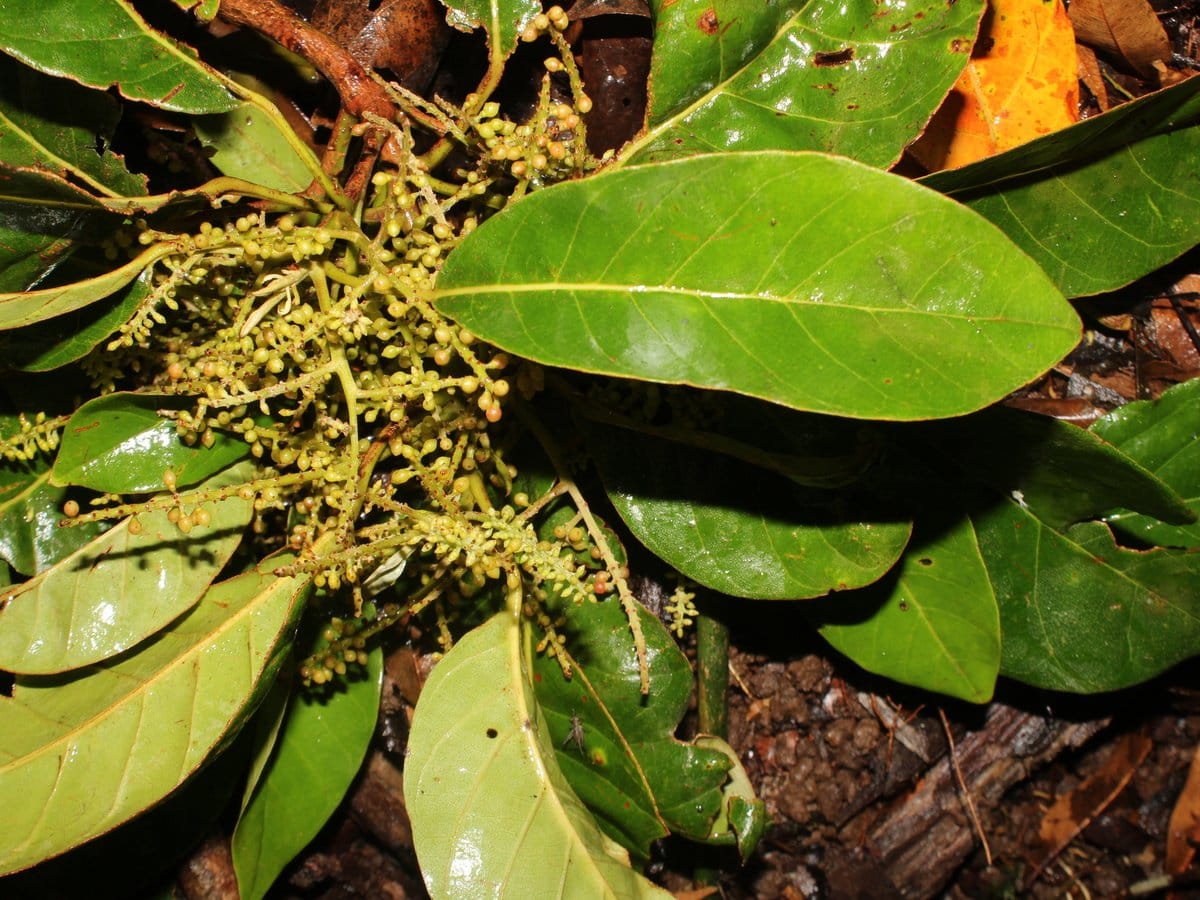
Quick facts
Native Region
Central America and Northern South America
Max Height
25-40 meters (80-130 feet)
Family
Phyllanthaceae
Conservation
NE — Not Evaluated
Uses
Safety Information
Toxicity Details
Pilón (Hyeronima alchorneoides) is non-toxic and safe. No parts of this tree are known to be poisonous to humans or animals. The Phyllanthaceae family includes some species with medicinal properties, but Pilón does not have significant toxic compounds. Safe for use in landscapes, reforestation, and timber production.
Skin Contact Risks
No known skin irritation from bark, sap, or leaves. Wood dust during milling should be managed with standard protective equipment, as with any hardwood. The tree itself poses no dermal hazards. Safe to touch and handle.
Allergenic Properties
Minimal allergenic properties. Some individuals may have mild reactions to pollen during flowering. Wood dust during processing may cause respiratory irritation (mechanical). Overall allergen risk is low.
Structural Hazards
Medium to large tree (25-40 meters) with buttress roots at base. Falling branches possible during storms. Large buttress roots create trip hazards and can interfere with nearby structures. Plant with adequate space. Consider professional maintenance for landscape specimens.
Wildlife & Pet Risks
Safe for wildlife. Provides important habitat and food sources. No toxic effects on animals.
Season
Flowering
Mar-Apr
Fruiting
Jul-Sep
How to identify
Pilón
Pilón (Hyeronima alchorneoides) is not a showpiece wood. It is a trust wood—selected when longevity, strength, and reliability matter. For Costa Rica, it remains one of the most important and quietly dependable native hardwoods.
Quick Reference
iNaturalist Observations
Community-powered species data
📸 Photo Gallery
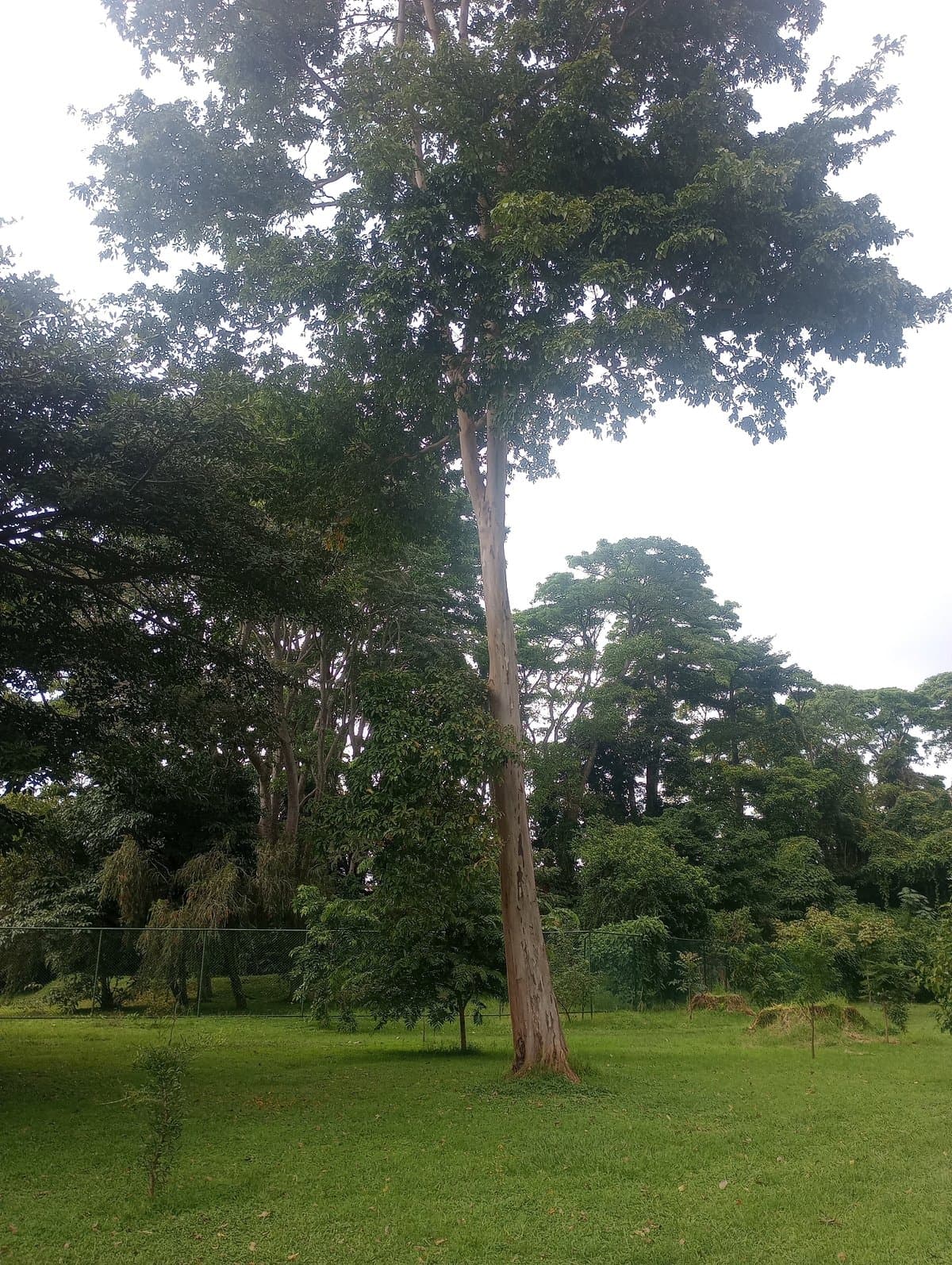
Whole tree
📷 (c) Leonardo Álvarez-Alcázar, some rights reserved (CC BY-NC)(CC BY-NC)
View source ↗Leaves
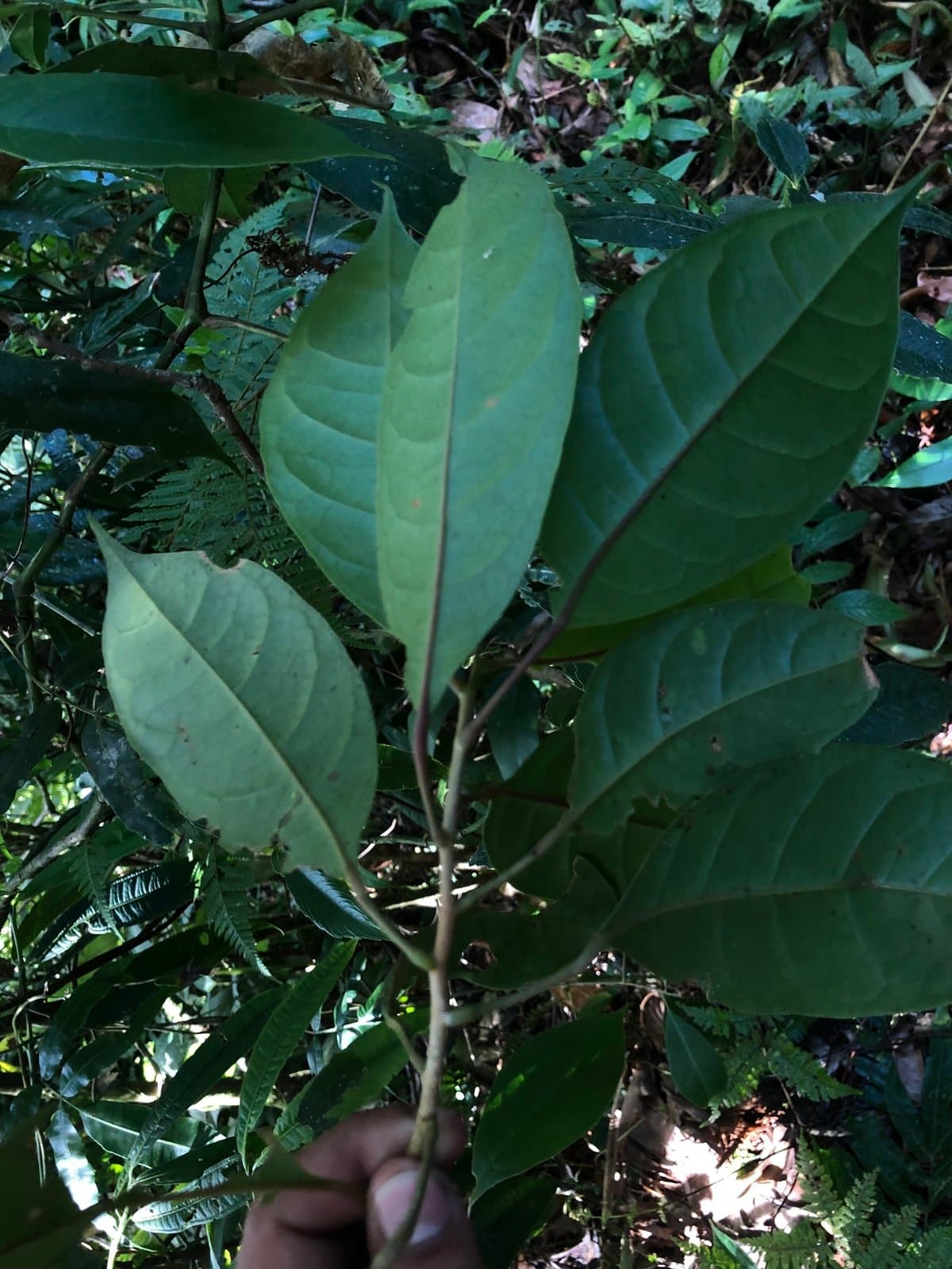
📷 (c) Pedro Blanco, some rights reserved (CC BY-NC)(CC BY-NC)
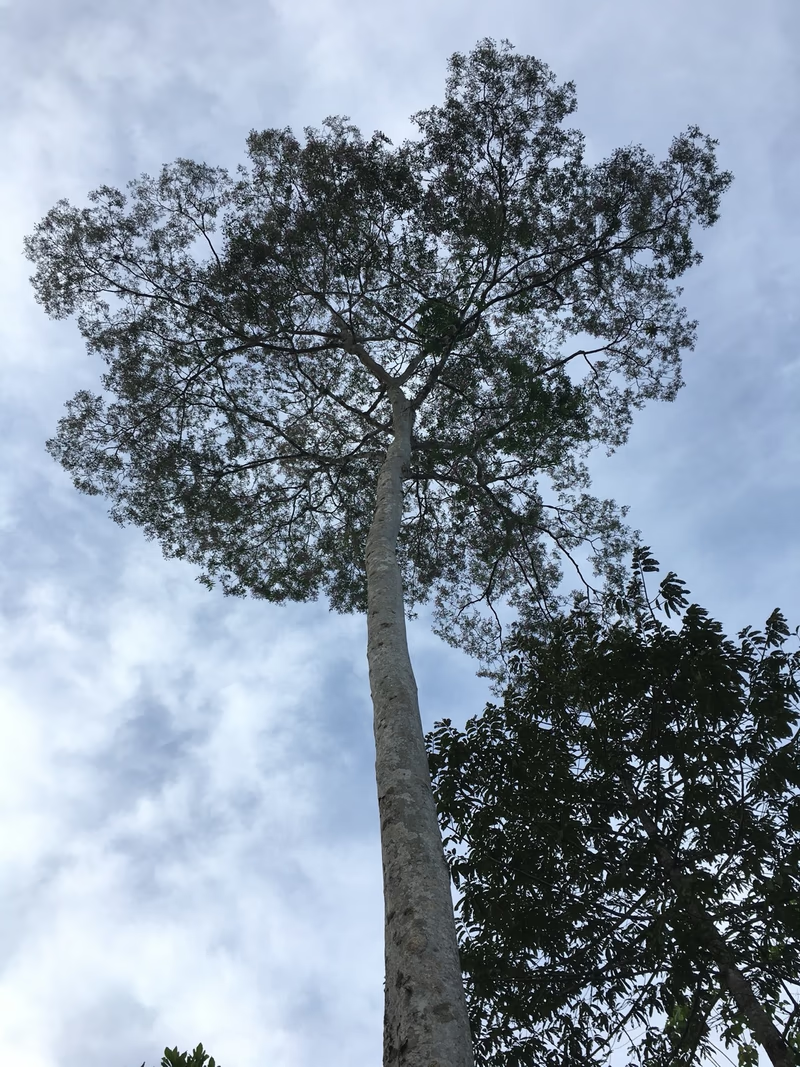
View source ↗Whole tree
📷 (c) Pedro Blanco, some rights reserved (CC BY-NC)(CC BY-NC)
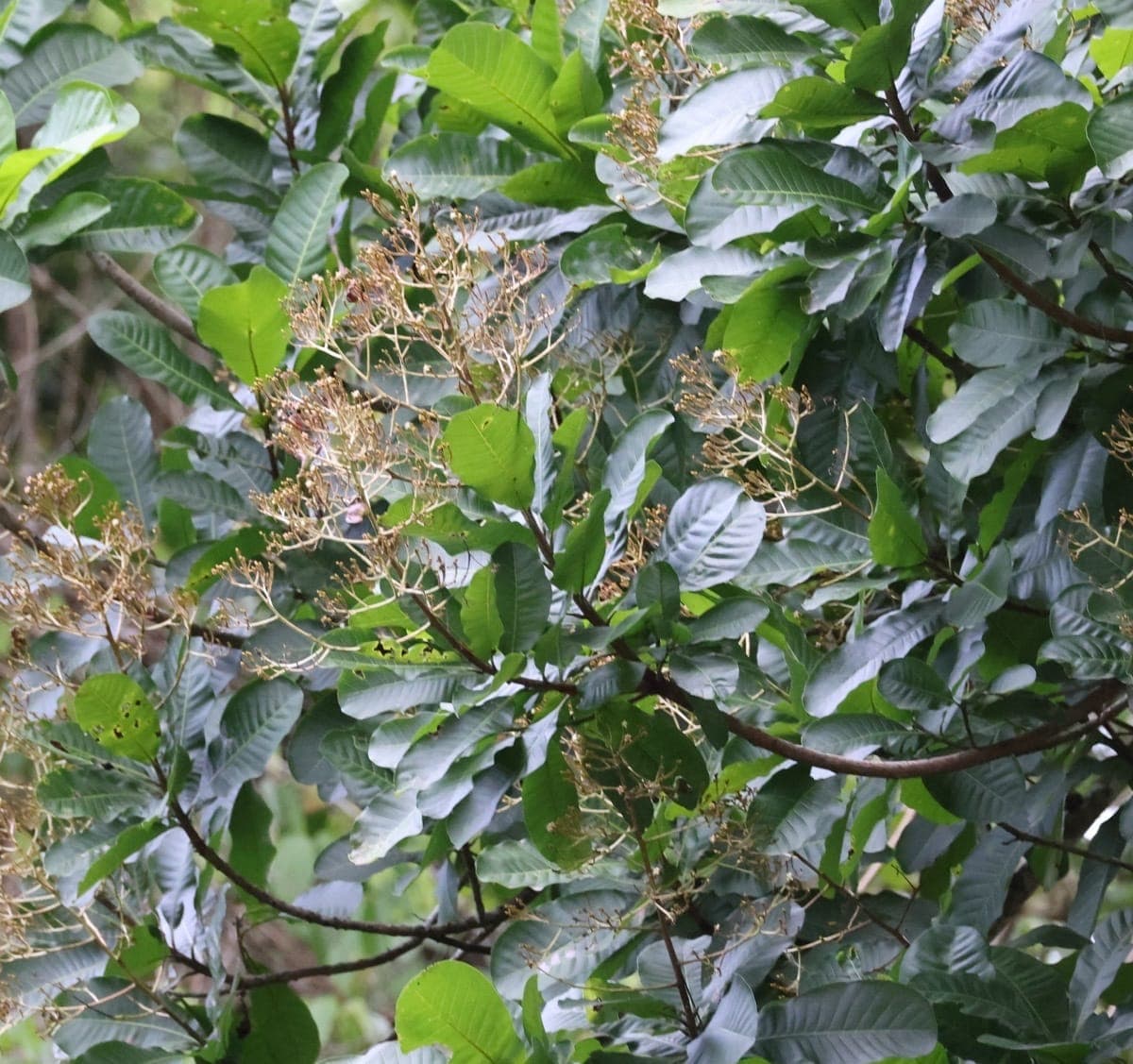
View source ↗Leaves
📷 (c) Pedro Blanco, some rights reserved (CC BY-NC)(CC BY-NC)
View source ↗Whole tree
📷 (c) Pedro Blanco, some rights reserved (CC BY-NC)(CC BY-NC)
View source ↗Photos sourced from iNaturalist's community science database. Browse all 298+ observations →↗
Taxonomy & Classification
Geographic Distribution
Geographic Distribution
Where to Find Pilón in Costa Rica
Primary Habitats:
Elevation: Sea level to ~1,000 m
Habitat & Ecology
Ecological Role
Pilón is a canopy to sub-canopy species that contributes significantly to:
Growth Characteristics
Not a pioneer species — Pilón requires established forest conditions:
Botanical Description
Wood Properties
Color Transformation
Pilón's color transformation over time is one of its subtle charms. The wood darkens from pale pink when freshly cut to a rich, warm brown—developing character rather than deteriorating.
Physical Properties
Working with Pilón
✅ Strengths
⚠️ Considerations
Applications
Pilón is ideal when reliability matters more than visual extravagance. Choose it for projects where longevity, structural integrity, and quiet elegance are priorities.
Sustainability & Conservation
Pilón was historically overharvested due to its excellent properties. Today it is considered a managed resource in Costa Rica—responsible sourcing is essential.
Current Availability
Reforestation Potential
Pilón is included in many Costa Rican reforestation programs through organizations like CATIE and SINAC. Its slow growth is offset by:
Cultural Significance
Pilón represents a traditional Costa Rican approach to wood:
It is a species chosen by experience rather than fashion.
External Resources
Community observations, photos, and distribution data
298+ observations worldwide
Global biodiversity records and specimen data
Global Biodiversity Information Facility
Authoritative taxonomic information from Kew
Royal Botanic Gardens, Kew
Tropical agricultural research and education (forestry programs)
Centro Agronómico Tropical
Conservation status and species assessment
References
📚 Scientific References & Further Reading
Flores, E.M. (2002). Hyeronima alchorneoides Allemão. Tropical Tree Seed Manual, USDA Forest Service[Link ↗]
Montagnini, F., & Jordan, C.F. (2005). Tropical Forest Ecology: The Basis for Conservation and Management. Springer
CATIE (Various). Silvicultura de Especies Promisorias para Producción de Leña en América Central. Technical Reports[Link ↗]
Pilón (Hyeronima alchorneoides) is not a showpiece wood. It is a trust wood—selected when longevity, strength, and reliability matter. For Costa Rica, it remains one of the most important and quietly dependable native hardwoods.
Safety Information Disclaimer
Safety information is provided for educational purposes only. Individual reactions may vary significantly based on age, health status, amount of exposure, and individual sensitivity. Always supervise children around plants. Consult a medical professional or certified arborist for specific concerns. The Costa Rica Tree Atlas is not liable for injuries or damages resulting from interaction with trees described in this guide.
• Always supervise children around plants
• Consult medical professional if unsure
• Seek immediate medical attention if poisoning occurs
Information compiled from authoritative toxicology sources, scientific literature, and medical case reports.
Help improve this page
Know something about this tree? Share local knowledge, suggest a correction, or submit a photo to improve this guide for everyone.