Roble Encino (Highland Oak)
Quercus spp.
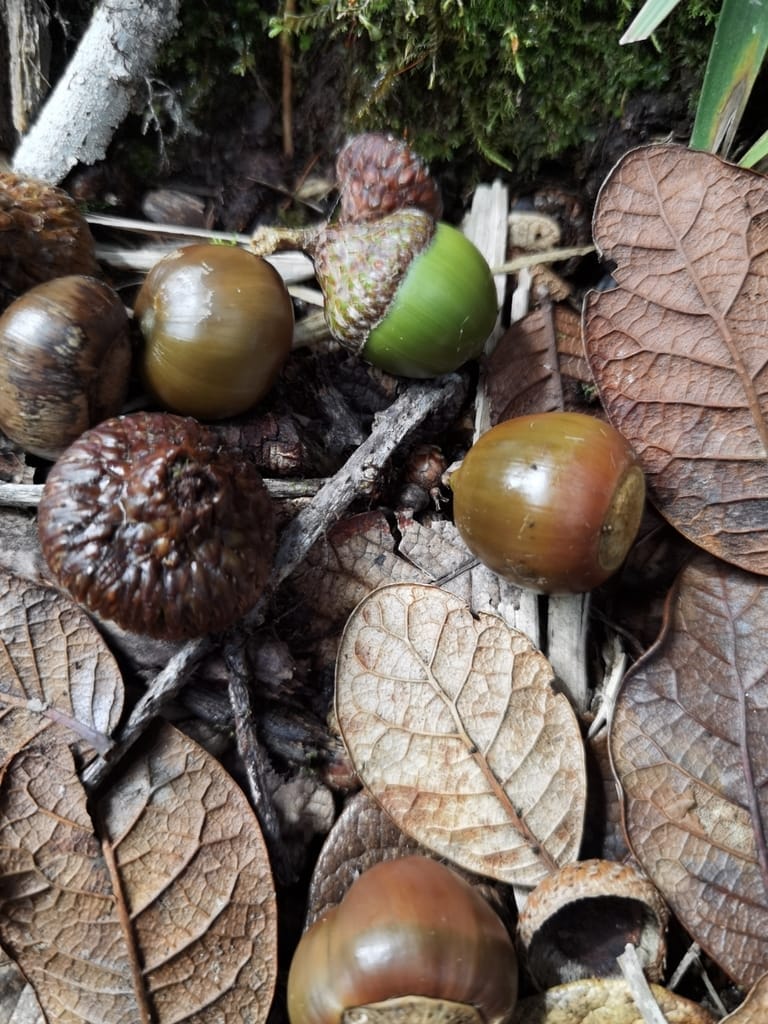
Quick facts
Native Region
Central American highlands
Max Height
30-50 meters (100-165 feet)
Family
Fagaceae
Conservation
NE — Not Evaluated
Uses
Safety Information
Toxicity Details
Low toxicity. Acorns contain tannins which can be mildly toxic if eaten raw in large quantities, causing stomach upset, nausea, and constipation. However, tannins can be leached out by soaking, making acorns edible—they have been used as food by indigenous peoples worldwide. Leaves also contain tannins but are rarely eaten. Not dangerously toxic to humans but not palatable raw.
Skin Contact Risks
No skin irritation from any part of the tree. Safe to handle.
Allergenic Properties
Moderate allergen risk. Oak trees are wind-pollinated and produce allergenic pollen that can trigger hay fever, allergic rhinitis, and asthma in sensitive individuals during spring flowering season. Wood dust from sawing can also cause respiratory irritation in some people.
Wildlife & Pet Risks
LOW RISK TO PETS: Acorns contain tannins that can cause gastrointestinal upset in dogs if eaten in large quantities—vomiting, diarrhea, abdominal pain. Rarely serious but monitor pets. Horses and cattle can be affected by eating large amounts of acorns or oak leaves (tannin toxicity). However, wildlife species like squirrels, deer, and wild pigs safely eat acorns as a primary food source.
Season
Flowering
Feb-Apr
Fruiting
Sep-Nov
How to identify
Roble Encino (Highland Oak)
The Highland Oaks (Quercus spp.) are the defining trees of Costa Rica's mountain forests. These majestic trees create unique ecosystems that support the famous Resplendent Quetzal and countless other species found nowhere else on Earth.
Quick Reference
iNaturalist Observations
Community-powered species data
📸 Photo Gallery
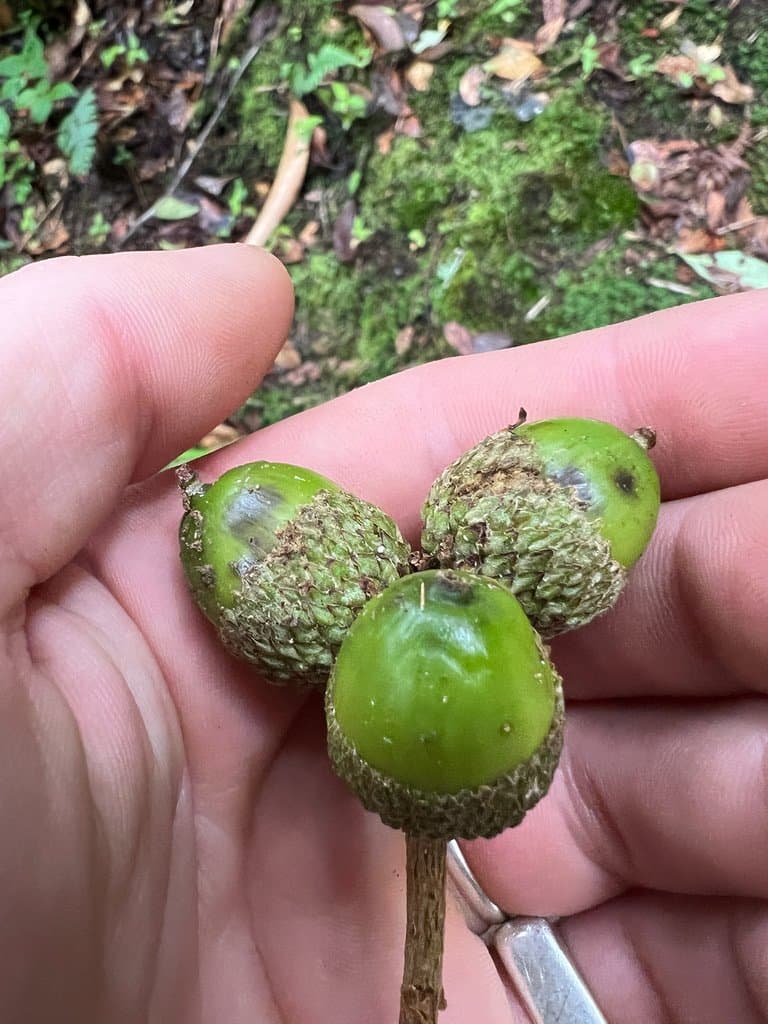
Leaves & Acorns
📷 (c) Carlos Venegas-Elizondo, some rights reserved (CC BY-NC)(CC BY-NC)
View source ↗Leaves
📷 (c) Trevor Van Loon, some rights reserved (CC BY)(CC BY-NC)
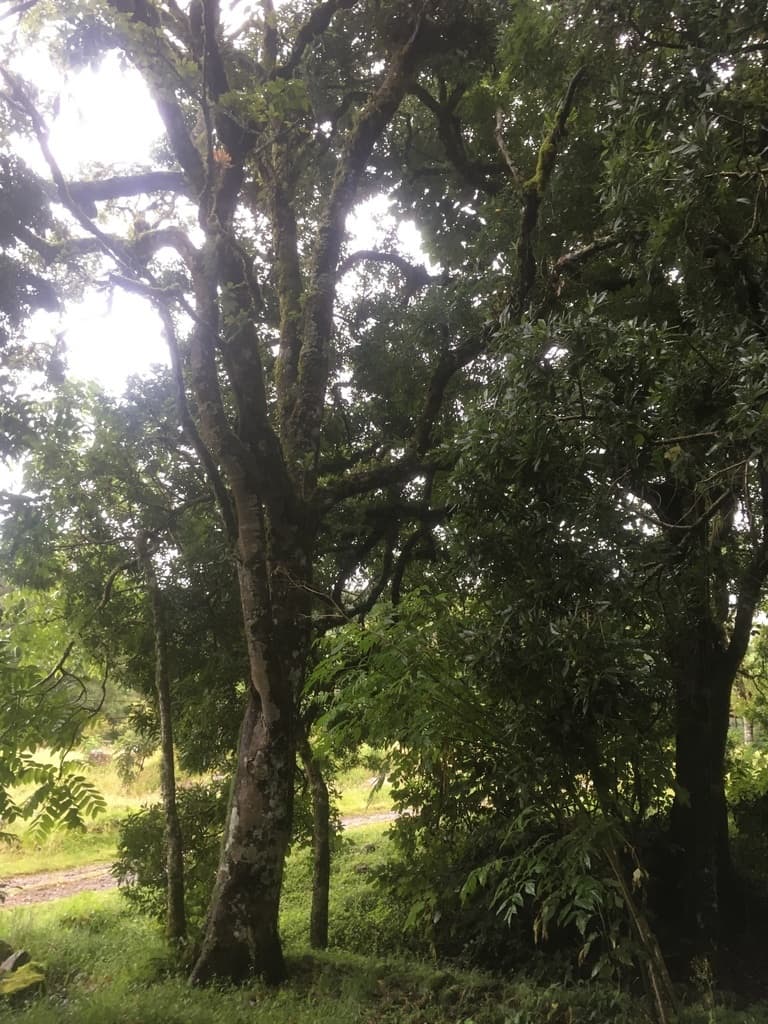
View source ↗Habitat
📷 (c) Sam Kieschnick, some rights reserved (CC BY)(CC BY-NC)
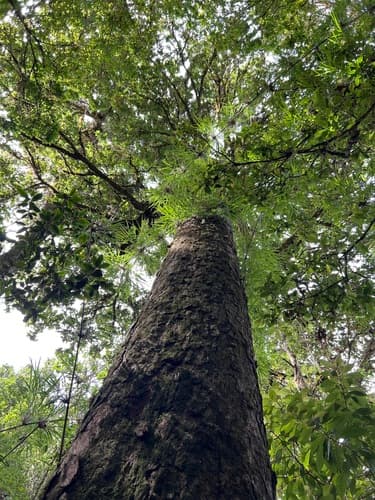
View source ↗Whole tree
📷 (c) Trevor Van Loon, some rights reserved (CC BY)(CC BY-NC)
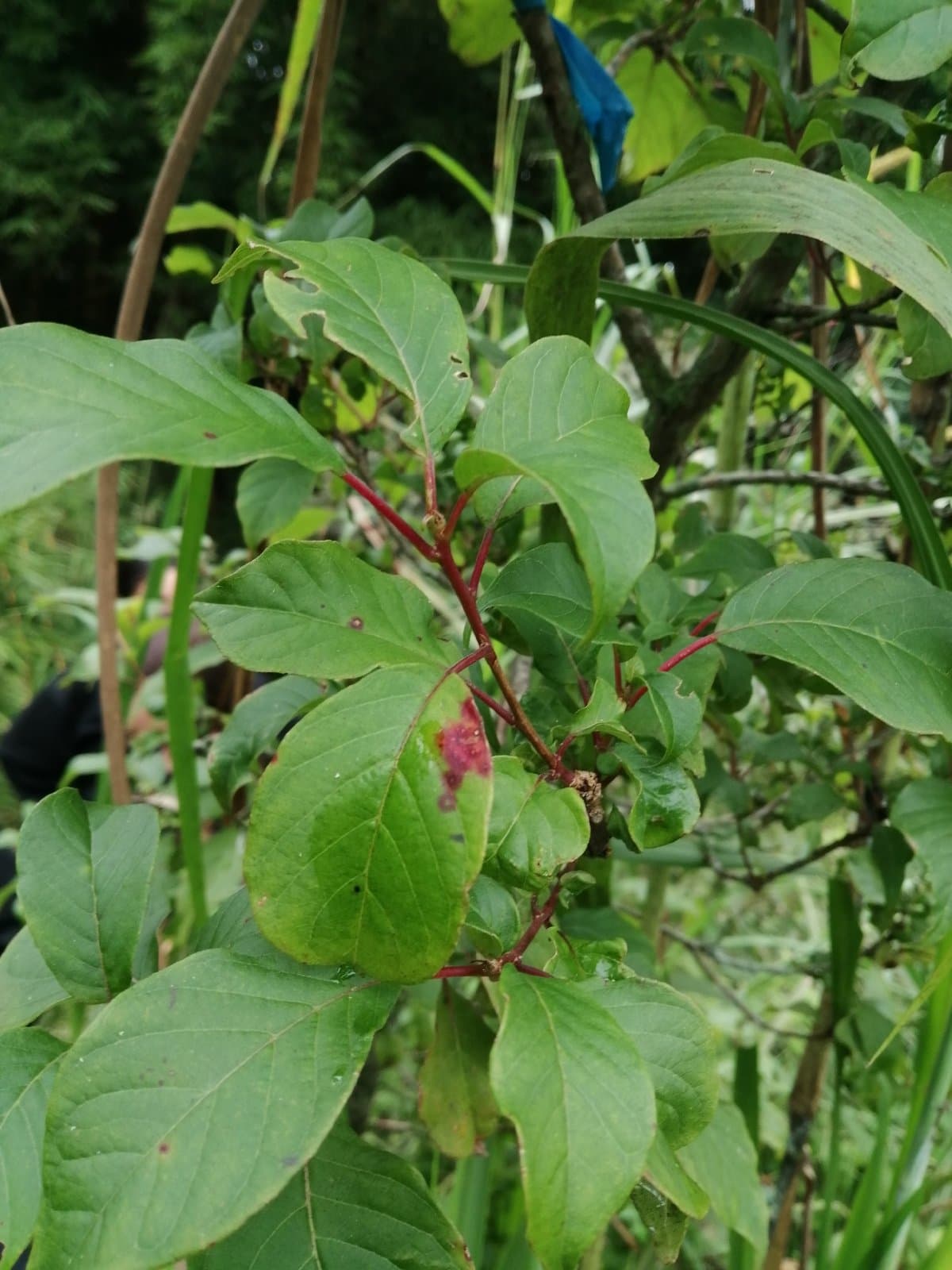
View source ↗Leaves
📷 (c) Trevor Van Loon, some rights reserved (CC BY)(CC BY-NC)
View source ↗Photos sourced from iNaturalist's community science database. Browse Costa Rica oak observations →↗
Species Overview
Costa Rica hosts approximately 25 species of native oaks. This profile covers the major highland species as a group, as they share similar ecological roles and characteristics.
Three of the species below now have their own dedicated, individually-cited pages: Chicalaba (Quercus insignis, the giant-acorn oak), Roble de Altura (Quercus costaricensis, Costa Rica's highest-growing oak), and Roble Corrugata (Quercus corrugata — note that Costa Rican academic sources document "Roble Encino" as this exact species' common name too, distinct from this genus-level overview page). This page remains a general introduction to the highland oak group; visit the linked pages for species-specific taxonomy, conservation status, and citations.
Taxonomy & Classification
Geographic Distribution
Geographic Distribution
Where to Find Highland Oaks in Costa Rica
Primary Habitats:
Elevation: 1,500-3,500 m (varies by species)
Habitat & Ecology
Ecological Importance
Highland oaks are keystone species in cloud forest ecosystems:
The Quetzal Connection
The Resplendent Quetzal depends on oak forests:
Costa Rican oak forests support exceptional biodiversity. A single large oak tree can host over 100 species of epiphytic orchids, bromeliads, ferns, and mosses, plus countless insects, birds, and mammals.
Botanical Description
Wood Properties
Appearance
Costa Rican oak produces dense, strong wood suitable for heavy construction, flooring, and furniture. The wood is similar to North American red oak in properties.
Physical Properties
Due to the ecological importance of oak forests for quetzals and other wildlife, timber harvesting from natural forests is restricted. Most legal oak wood comes from fallen trees or regulated extraction.
Uses & Applications
Conservation Status
Conservation Concerns
Highland oak forests face multiple threats:
Cloud forests are particularly vulnerable to climate change. As temperatures rise, the cloud base moves upward, potentially leaving oak forests without their characteristic moisture regime. This threatens both the trees and the species that depend on them.
Growing Highland Oaks
Where to See Highland Oaks
Best Locations in Costa Rica
Protected Areas:
Tips:
External Resources
Community observations of Quercus in Costa Rica
iNaturalist
Botanical information and nomenclature
Missouri Botanical Garden
Global biodiversity occurrence data and distribution maps
Conservation status and species assessment
References
📚 Scientific References & Further Reading
Kappelle, M. (2006). Ecology and Conservation of Neotropical Montane Oak Forests. Ecological Studies, Vol. 185, Springer
Nixon, K.C. (2006). Global and Neotropical Distribution and Diversity of Oak (genus Quercus) and Oak Forests. Ecology and Conservation of Neotropical Montane Oak Forests
The Highland Oaks of Costa Rica are far more than trees—they are living monuments that support entire ecosystems. From the iconic Resplendent Quetzal to hundreds of orchid species, countless organisms depend on these ancient forests. Protecting oak forests means protecting Costa Rica's mountain heritage for future generations.
🌳 ¡Pura Vida!
Safety Information Disclaimer
Safety information is provided for educational purposes only. Individual reactions may vary significantly based on age, health status, amount of exposure, and individual sensitivity. Always supervise children around plants. Consult a medical professional or certified arborist for specific concerns. The Costa Rica Tree Atlas is not liable for injuries or damages resulting from interaction with trees described in this guide.
• Always supervise children around plants
• Consult medical professional if unsure
• Seek immediate medical attention if poisoning occurs
Information compiled from authoritative toxicology sources, scientific literature, and medical case reports.
Help improve this page
Know something about this tree? Share local knowledge, suggest a correction, or submit a photo to improve this guide for everyone.