Zapote
Pouteria sapota
Quick facts
Native Region
Mexico to Central America
Max Height
25-40 meters
Family
Sapotaceae
Conservation
LC — Least Concern
Uses
Safety Information
Toxicity Details
Non-toxic and safe. Fruit is edible and delicious, widely consumed throughout Central America. Ripe fruit flesh is completely safe to eat. Seeds should not be eaten but are not dangerously toxic. Sapotaceae family fruits are generally safe.
Skin Contact Risks
Tree produces mild latex when cut, which can cause minor skin irritation in some sensitive individuals. Generally safe to handle. Ripe fruit flesh causes no skin issues.
Allergenic Properties
Very low allergen risk. Not known to cause significant allergic reactions. Occasional contact dermatitis from latex in sensitive individuals.
Wildlife & Pet Risks
Safe for wildlife. Fruits are eaten by various animals including birds and mammals. Safe for livestock in moderate amounts.
Season
Flowering
Jun-Jul
Fruiting
Jan-Feb, Nov-Dec
How to identify
Zapote (Mamey Sapote)
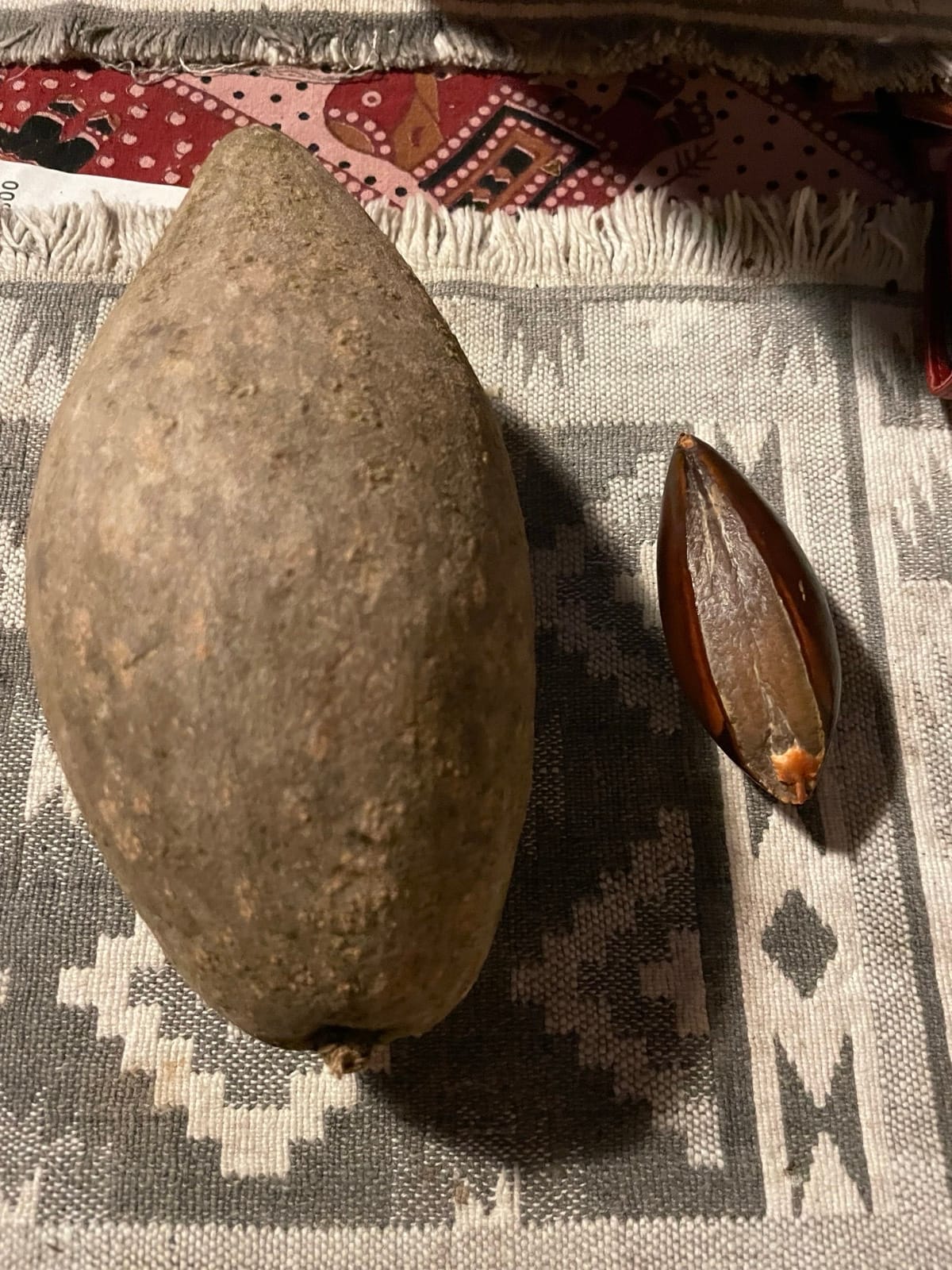
The Zapote (Pouteria sapota), known in English as Mamey Sapote, produces one of the most distinctive and cherished fruits of the Central American tropics. Inside its rough brown exterior lies flesh of an almost surreal salmon-pink to deep red color, with a creamy texture and a complex sweetness that's impossible to describe without tasting. Native from southern Mexico through Central America, the zapote has been cultivated since pre-Columbian times and remains beloved across the region. In Costa Rica, few pleasures rival a cold batido de zapote—the fruit blended with milk into a thick, salmon-colored shake that tastes like nothing else on Earth.
Quick Reference
iNaturalist Observations
Community-powered species data
📸 Photo Gallery
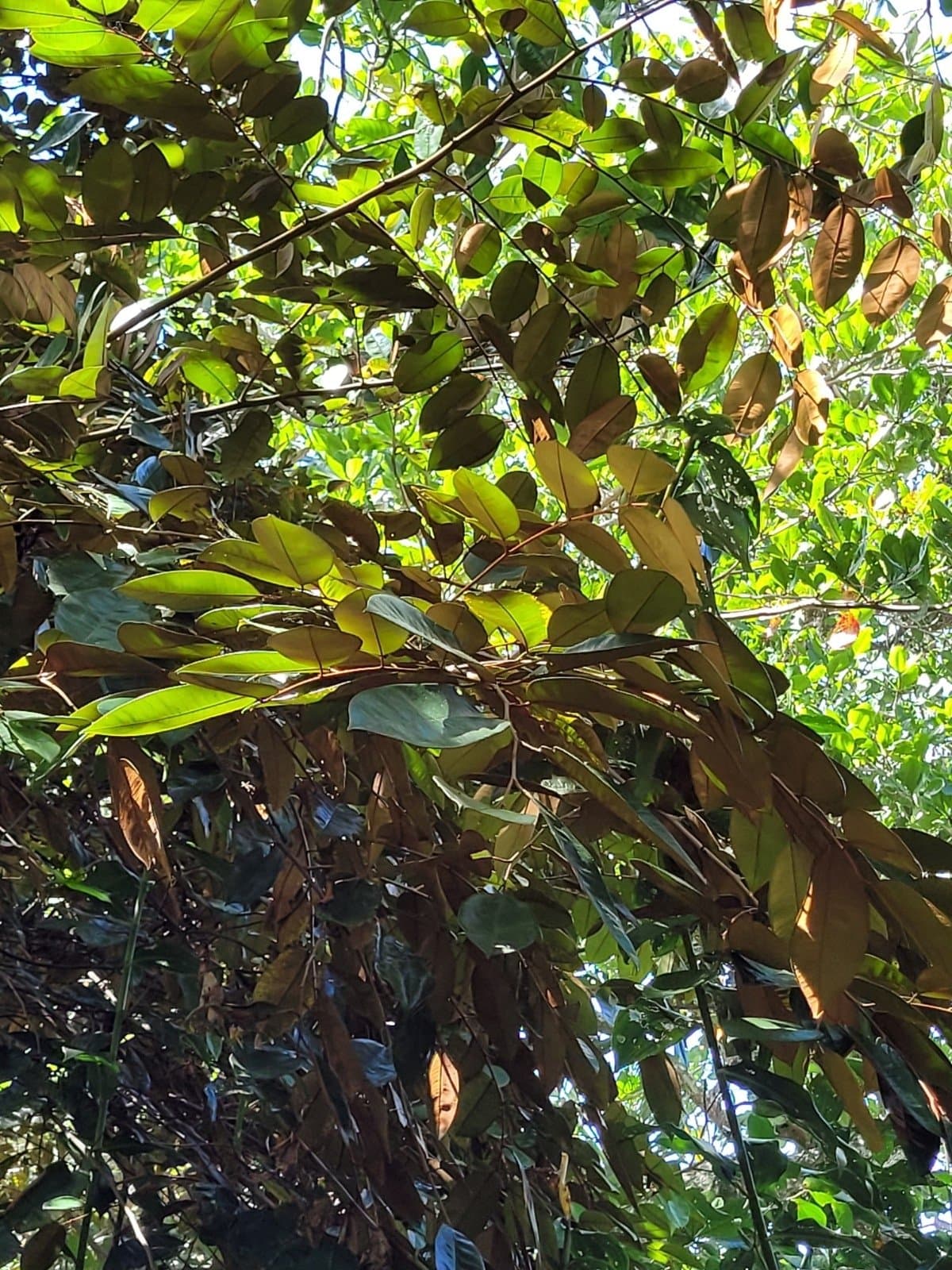
Whole tree
📷 (c) livenletlive, some rights reserved (CC BY-NC)(CC BY-NC)
View source ↗Leaves
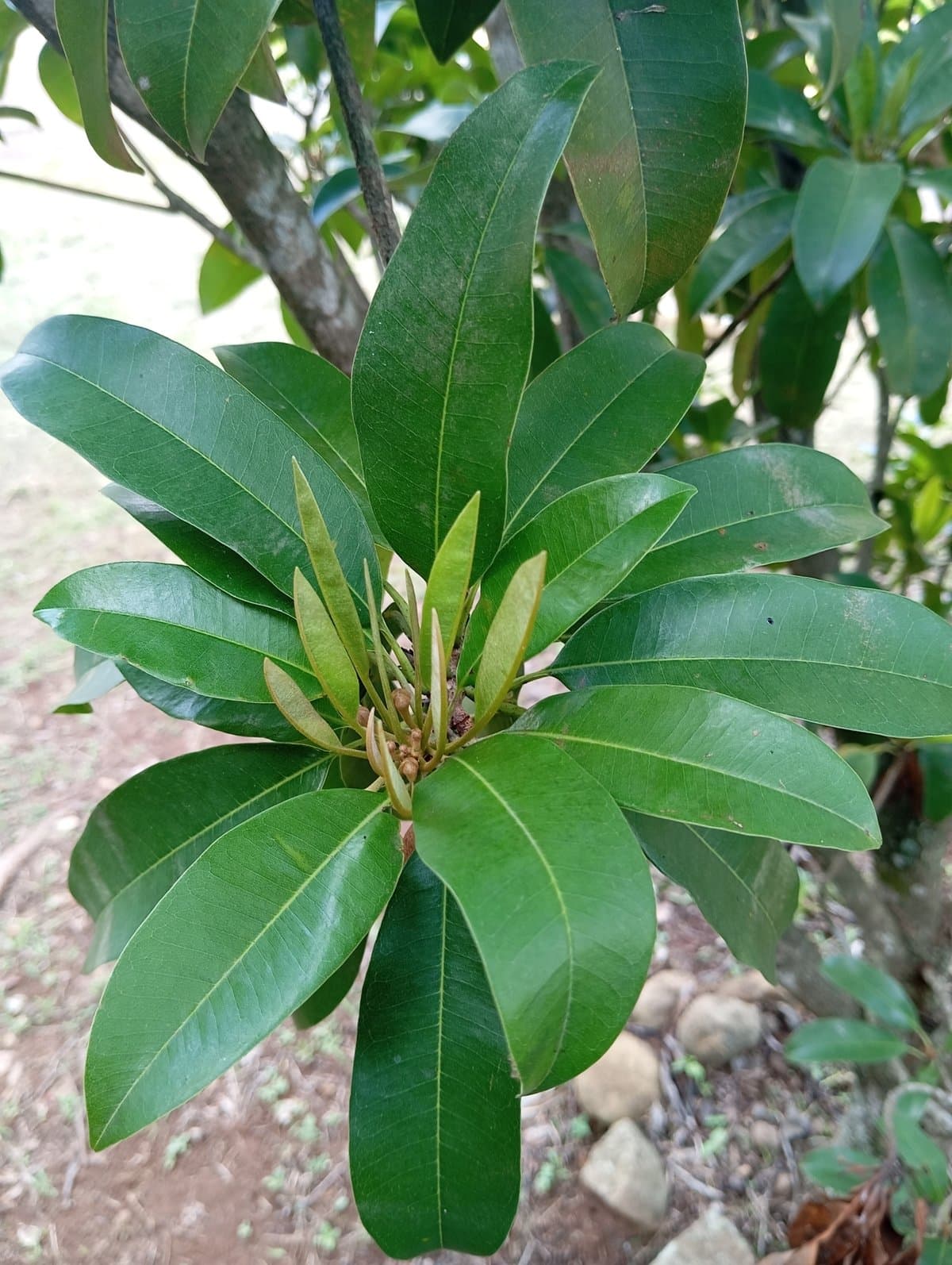
📷 (c) valkyrieblaze, some rights reserved (CC BY-NC)(CC BY-NC)
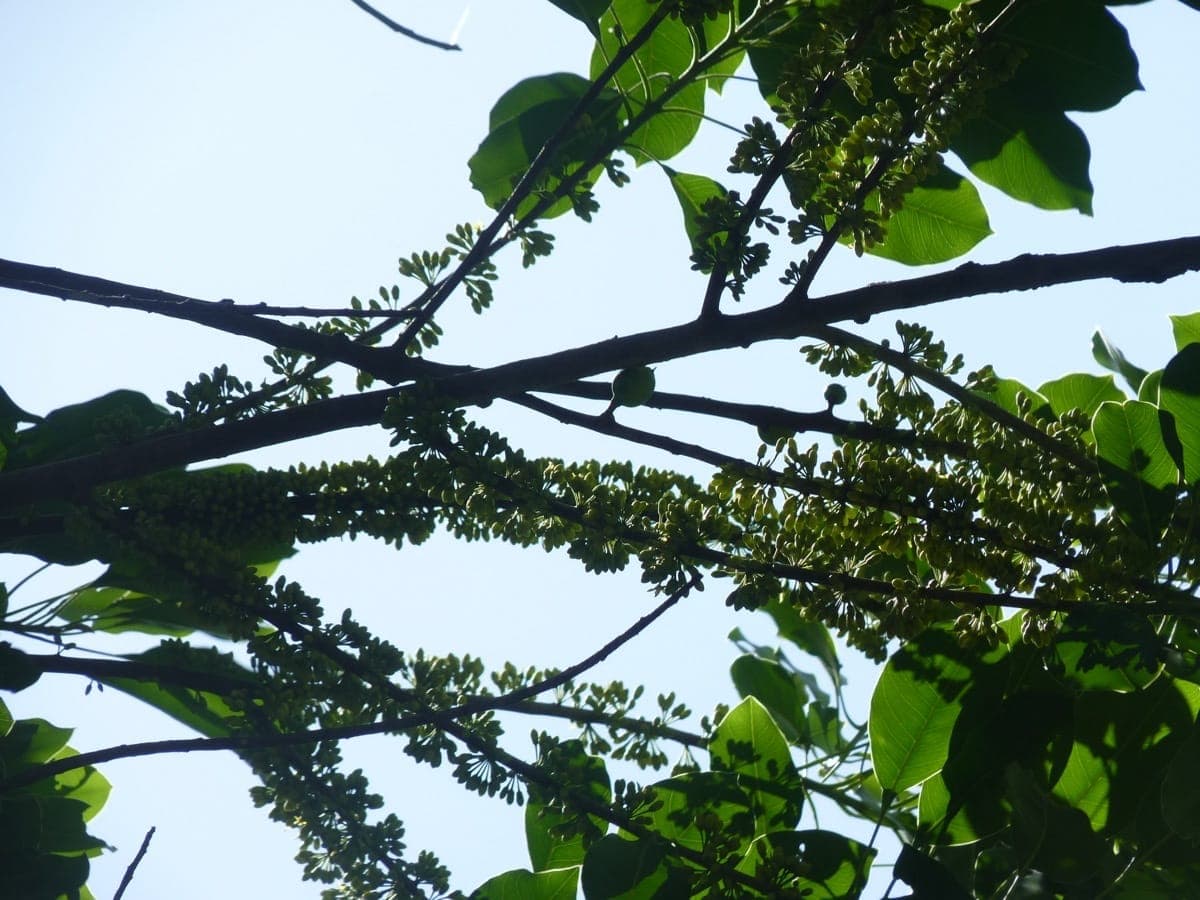
View source ↗Whole tree
📷 (c) valkyrieblaze, some rights reserved (CC BY-NC)(CC BY-NC)
View source ↗Leaves
📷 (c) gringuitica, some rights reserved (CC BY-NC)(CC BY-NC)
View source ↗Whole tree
📷 (c) hawleyja, some rights reserved (CC BY-NC)(CC BY-NC)
View source ↗Photos sourced from the iNaturalist citizen science database. View all observations →↗
Taxonomy and Classification
- Pouteria: From the South American vernacular name - sapota: From Nahuatl "tzapotl" (generic fruit name) - Sapotaceae: The sapote or sapodilla family - Many different fruits are called "zapote" - this is the "mamey" variety
Common Names
Related Species (Sapote Name Confusion)
The word "zapote" comes from Nahuatl "tzapotl" which meant any sweet, soft fruit. Today, MANY different fruits are called "zapote" in Spanish: - Zapote / Mamey Sapote (Pouteria sapota) - THIS species - Chicozapote / Níspero (Manilkara zapota) - the chicle tree - Zapote verde (Pouteria viridis) - green sapote - Zapote blanco (Casimiroa edulis) - white sapote - Zapote negro (Diospyros nigra) - black sapote In Costa Rica, "zapote" without qualifier usually means Pouteria sapota - the mamey sapote with salmon-pink flesh.
Physical Description
General Form
The Zapote is a medium to large evergreen tree with a dense, rounded crown. It has large, clustered leaves at branch tips and produces substantial fruits directly on branches and trunk. The tree can become quite large in favorable conditions.
Identification Features
Bark and Trunk
- Bark color: Grayish-brown
- Texture: Fissured, somewhat rough
- Latex: White sap when cut (less than níspero)
- Trunk: Straight, often buttressed at base
Leaves
- Type: Simple, alternate
- Arrangement: Clustered at branch tips
- Shape: Oblanceolate (widest above middle)
- Size: 15-30 cm long
- Texture: Leathery, glossy above
- Color: Dark green
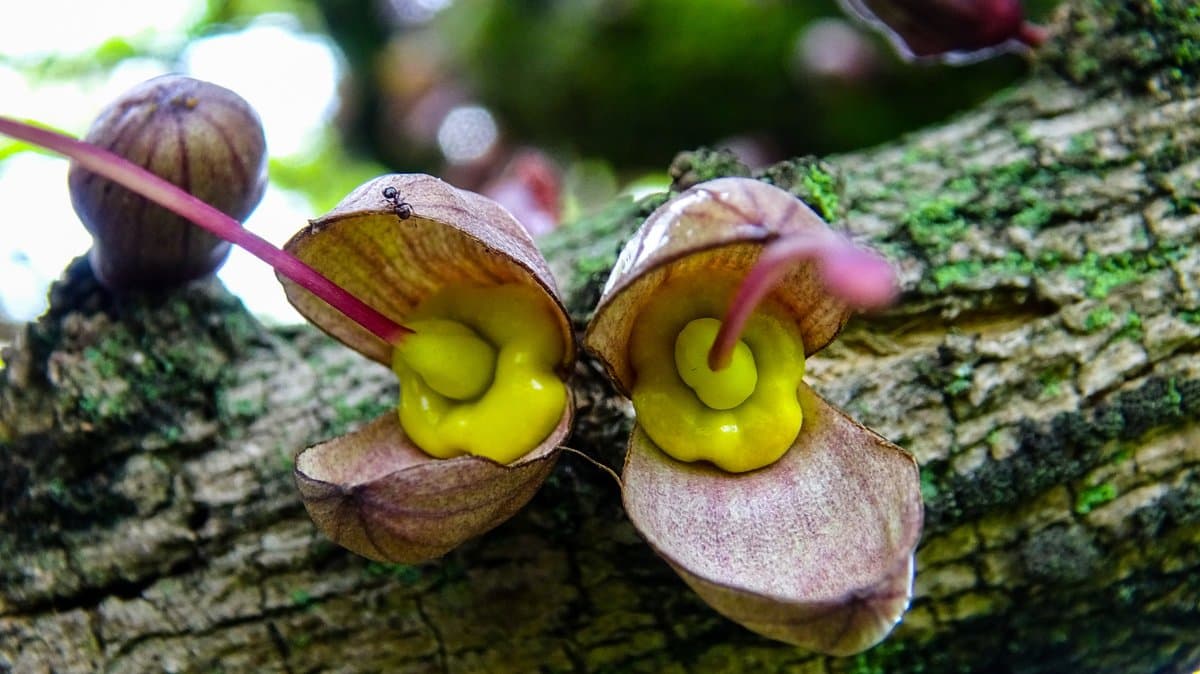
Flowers
- Location: On branches and trunk (cauliflorous)
- Size: Small, inconspicuous
- Color: Whitish to greenish
- Fragrance: Mild
- Timing: Throughout year
Fruit
- Shape: Oval to ellipsoidal
- Size: 10-25 cm long (!!)
- Skin: Brown, rough, sandpaper-like
- Flesh: Salmon-pink to deep red
- Texture: Creamy, smooth
- Seed: 1 large, shiny, black
- Taste: Sweet, complex, unique
Knowing when a zapote is ripe is crucial - unripe ones are inedible: Testing for Ripeness: 1. Scratch the skin with a fingernail 2. If flesh underneath is green = NOT ripe 3. If flesh underneath is salmon/pink = RIPE 4. Also: Should yield to gentle pressure 5. May have slight give, like a ripe avocado Buying Tips: - Buy slightly firm, ripen at home - Room temperature ripening - Refrigerate only when ripe - Don't refrigerate before ripe (damages flesh) The Seed: - Large, shiny black seed inside - Hard, smooth, beautiful - Traditionally used for decoration - NOT edible (contains compounds similar to bitter almond)
Distribution and Habitat
Global Distribution
Geographic Distribution
Distribution in Costa Rica
Habitat Preferences
The Zapote Fruit
A Fruit Like No Other
The mamey sapote fruit is truly distinctive: Physical Characteristics: - Size: 10-25 cm long (can exceed 2 kg!) - Shape: Oval to football-shaped - Skin: Brown, rough like sandpaper - Flesh: Salmon-pink to deep red - Texture: Creamy, smooth, dense - Seed: 1 large, shiny black Flavor Profile: - Sweet but not cloying - Notes of: sweet potato, pumpkin pie, honey - Some describe: apricot, caramel, almonds - Truly unique - must be tasted! Nutrition: - High in vitamin A (beta-carotene) - Good vitamin C - Potassium, iron - Fiber - Antioxidants (from color) Season: - Main season varies by region - Costa Rica: Often February-May - Some production year-round
Culinary Uses
In Costa Rica, the batido de zapote is legendary: Basic Recipe: - Ripe zapote flesh (seeds removed) - Cold milk - Sugar to taste - Ice - Blend until smooth Result: - Thick, creamy shake - Beautiful salmon-pink color - Sweet, complex flavor - Absolutely delicious Where to Try: - Any "soda" (local restaurant) in season - Fresh fruit stands - Traditional markets - Ask for "batido de zapote" or "zapote con leche" When zapote is in season, you'll see the fruits piled at fruit stands and the batidos everywhere. Don't miss it!
Ecological Importance
Wildlife Value
Mammals
- Bats: Major dispersers
- Monkeys: Eat fruit in canopy
- Agoutis: Fallen fruit
- Peccaries: Ground feeding
Birds
- Toucans: Eat smaller fruits
- Parrots: May feed on flesh
- Various frugivores: When available
The zapote's large seeds pose an interesting ecological question: The Problem: - Seeds are too big for most birds - Too big for most mammals to swallow - Who disperses them in the wild? Possible Answers: - Large extinct megafauna (ancient dispersers) - Large frugivorous bats - Water dispersal in some cases - Human cultivation now primary Ecological Anachronism: Like the avocado, the zapote may be an example of a tree adapted to dispersal by now-extinct large mammals. Humans have taken over this role through cultivation.
Uses
Food
Traditional Medicine
While the FRUIT is delicious and safe: The SEED contains: - Hydrocyanic compounds - Should NOT be eaten - Seed oil used externally only Safe Practices: - Eat only the flesh - Discard the seed (or save for crafts) - The seed kernel is NOT edible - Children should be supervised
Other Uses
Cultivation
Growing Zapote
Identification Guide
How to Identify Zapote Tree
Where to See Zapote in Costa Rica
The best way to experience zapote: In Season (Feb-May typically): - Visit any feria del agricultor - Ask for zapote at fruit stands - Order "batido de zapote" at sodas - Buy whole fruit to try at home Selecting Fruit: - Scratch test for ripeness - Should yield slightly to pressure - No soft spots or damage - Can ripen at home First Time: - Let it fully ripen (soft) - Cut in half lengthwise - Scoop out flesh with spoon - Or try as batido first! The batido is the best introduction - blended smooth, you can appreciate the unique flavor without the texture unfamiliarity.
External Resources
Community observations and photos
California Rare Fruit Growers
Global biodiversity occurrence data and distribution maps
Conservation status and species assessment
References
📚 Scientific References & Further Reading
Morton, J.F. (1987). Fruits of Warm Climates: Sapote. Julia F. Morton Publications
Azurdia, C. (2006). Sapotaceae of Guatemala. USDA Forest Service Proceedings
There are fruits that travelers seek out, and then there is zapote— a fruit so distinctive, so unlike anything else, that it becomes a defining taste of a region. Crack open that rough brown exterior to reveal flesh the color of a tropical sunset, dip in a spoon, and taste something that exists nowhere else in nature. Is it like sweet potato? Pumpkin pie? Caramel and almonds? All of these and none of them—it is simply zapote. The Maya cultivated this tree for millennia, the Aztecs traded its fruits, and today in Costa Rica the tradition continues in backyard trees and market stalls. When zapote season comes, the batidos flow—thick, salmon-colored, impossibly delicious shakes that cool the tropical heat and satisfy the soul. This is indigenous American gastronomy at its finest: a fruit domesticated here, beloved here, representing thousands of years of careful selection and appreciation. To eat a ripe zapote is to taste deep time and deep culture, the inheritance of peoples who knew their trees intimately and chose this one to cultivate and carry forward through the generations.
Safety Information Disclaimer
Safety information is provided for educational purposes only. Individual reactions may vary significantly based on age, health status, amount of exposure, and individual sensitivity. Always supervise children around plants. Consult a medical professional or certified arborist for specific concerns. The Costa Rica Tree Atlas is not liable for injuries or damages resulting from interaction with trees described in this guide.
• Always supervise children around plants
• Consult medical professional if unsure
• Seek immediate medical attention if poisoning occurs
Information compiled from authoritative toxicology sources, scientific literature, and medical case reports.
Help improve this page
Know something about this tree? Share local knowledge, suggest a correction, or submit a photo to improve this guide for everyone.