Tempisque
Sideroxylon capiri
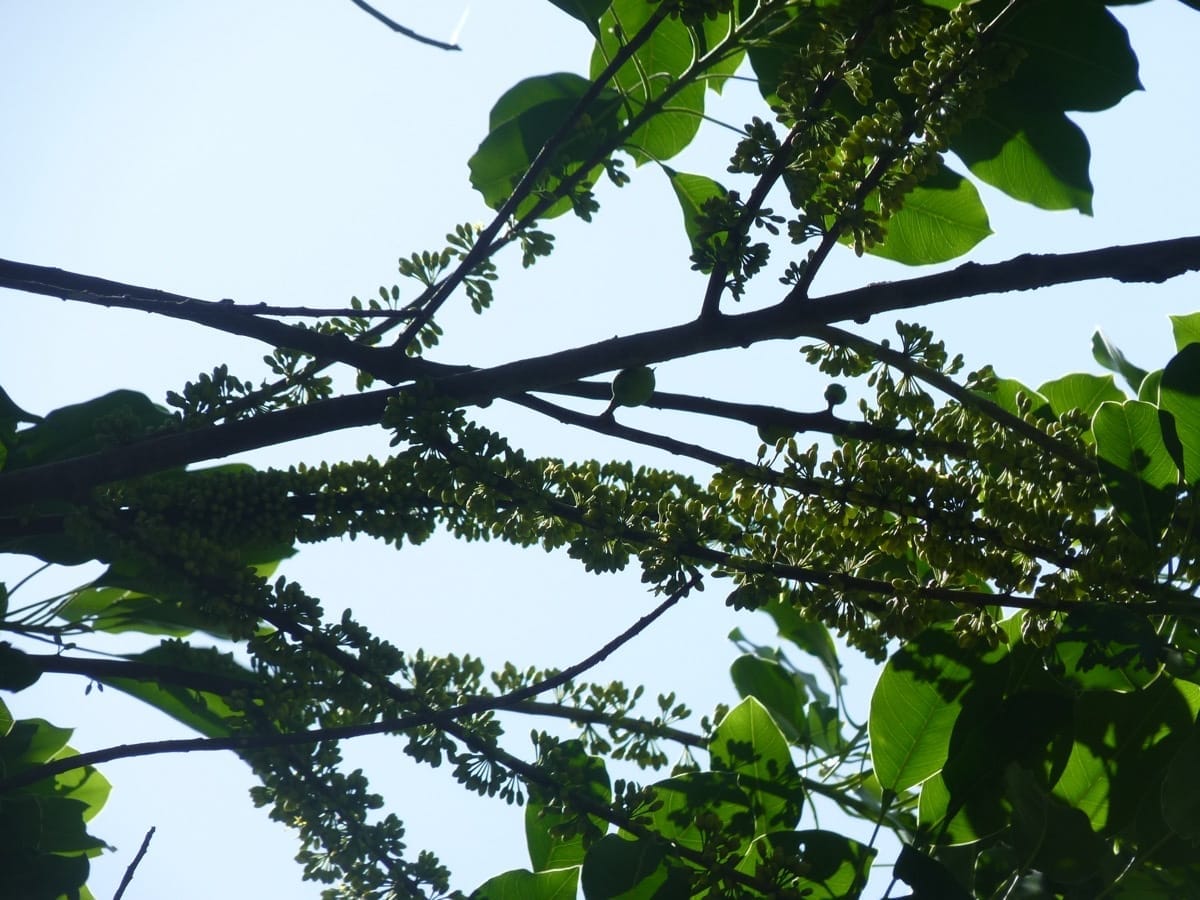
Quick facts
Native Region
Central America and Mexico
Max Height
20-35 meters
Family
Sapotaceae
Conservation
LC — Least Concern
Uses
Safety Information
Toxicity Details
Non-toxic tree. Fruits are edible and sweet, eaten by humans and wildlife. Leaves and other parts are also non-toxic. Sapotaceae family fruits are generally safe and many are edible (sapodilla, mamey, etc.).
Skin Contact Risks
No skin irritation from any part of the tree. Safe to handle bark, leaves, and fruits.
Allergenic Properties
Very low allergen risk. Not known to cause allergic reactions. Wood dust from sawing is not notably allergenic compared to other hardwoods.
Wildlife & Pet Risks
Completely safe for wildlife. Fruits are an important food source for birds, monkeys, coatis, and other animals. Safe for livestock.
Season
Flowering
Mar-May
Fruiting
Apr-Jun
How to identify
Tempisque
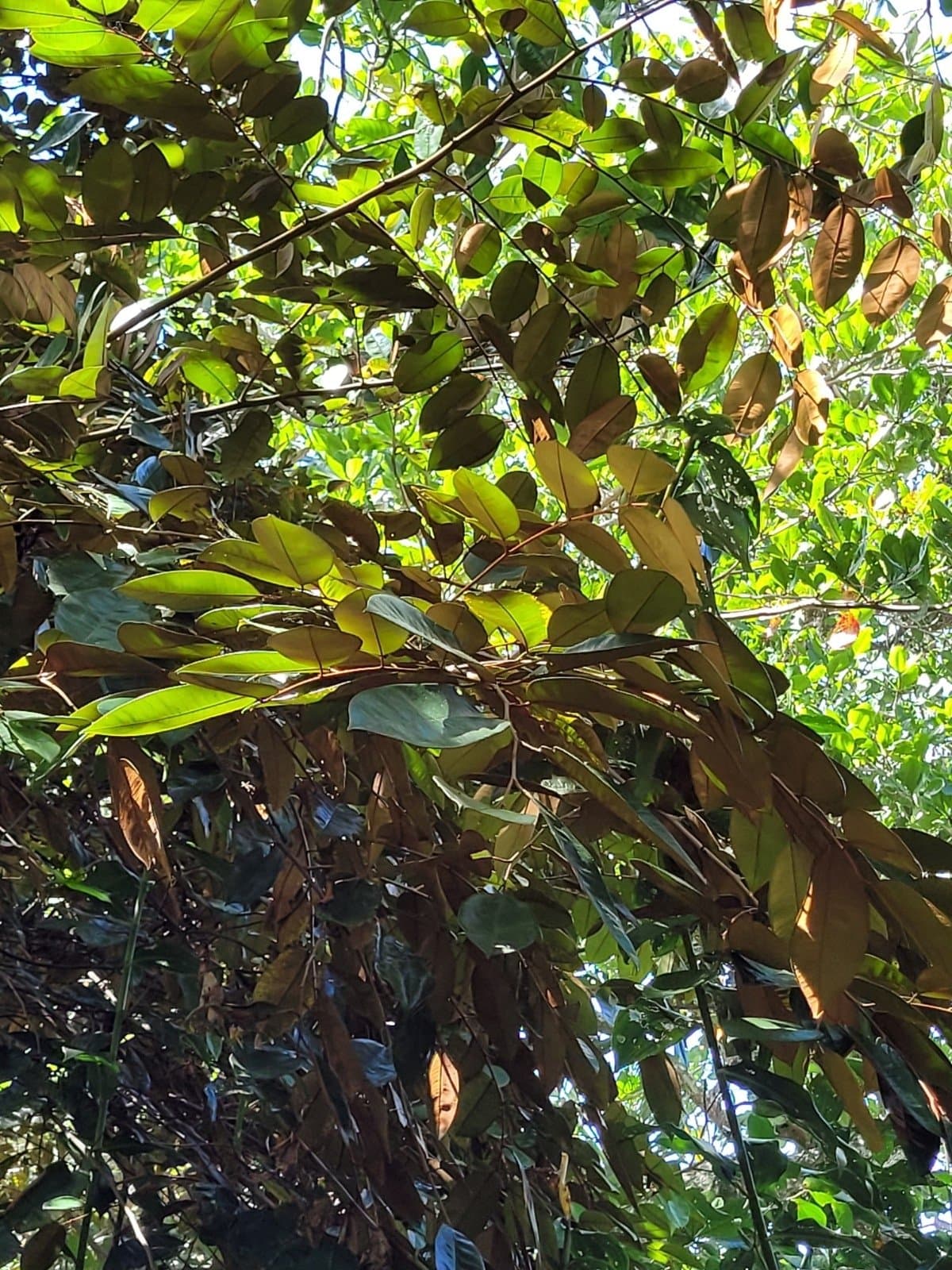
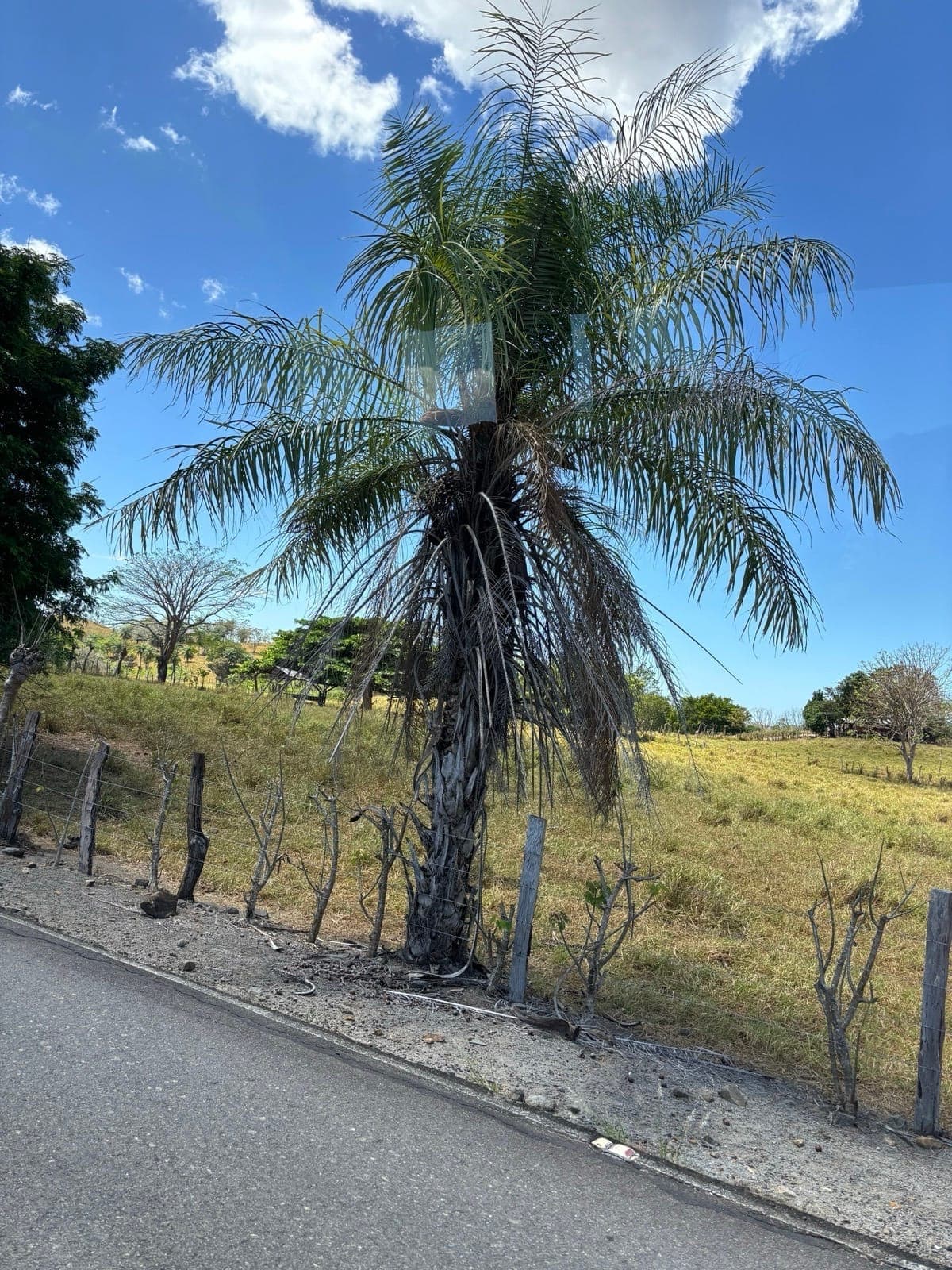
Tempisque (Sideroxylon capiri), one of Costa Rica's most valuable native hardwoods, is so central to the Guanacaste landscape that it gave its name to the region's great river—the Río Tempisque. This magnificent dry forest tree produces wood so dense it sinks in water, earning it comparisons to ironwood. Deciduous during the harsh dry season, Tempisque reveals its massive branching architecture against the blue sky, then clothes itself in fresh green leaves with the first rains. Its sweet fruits attract diverse wildlife, making it a keystone species of the tropical dry forest ecosystem.
Quick Reference
iNaturalist Observations
Community-powered species data
📸 Photo Gallery
Whole tree
📷 (c) Nate Hartley, some rights reserved (CC BY-NC)(CC BY-NC)
View source ↗Leaves
📷 (c) Nate Hartley, some rights reserved (CC BY-NC)(CC BY-NC)
View source ↗Whole tree
📷 (c) Fabrício Mil Homens Riella, some rights reserved (CC BY)(CC BY)
View source ↗Leaves
📷 (c) Nate Hartley, some rights reserved (CC BY-NC)(CC BY-NC)
View source ↗Whole tree
📷 (c) mario-93, some rights reserved (CC BY-NC)(CC BY-NC)
View source ↗Photos sourced from the iNaturalist citizen science database. View all observations →↗
Taxonomy and Classification
- Sideroxylon: Greek "sideros" (iron) + "xylon" (wood) - ironwood - capiri: Indigenous Central American name - Sapotaceae is the sapodilla family (chicle, níspero) - Genus contains many valuable hardwoods
Common Names
Related Species in Costa Rica
Physical Description
Overall Form
Tempisque is a large deciduous tree with a thick, often fluted trunk and broad spreading crown. In the dry season, it stands completely leafless, its dramatic silhouette revealing massive horizontal branches. With the rains, it rapidly produces fresh foliage and becomes a dense shade tree.
Identifying Features
Bark and Trunk
- Bark color: Dark gray to brownish
- Texture: Deeply furrowed, ridged
- Pattern: Rough, checkered appearance
- Trunk shape: Often fluted or irregular
- Latex: Milky sap when cut (Sapotaceae trait)
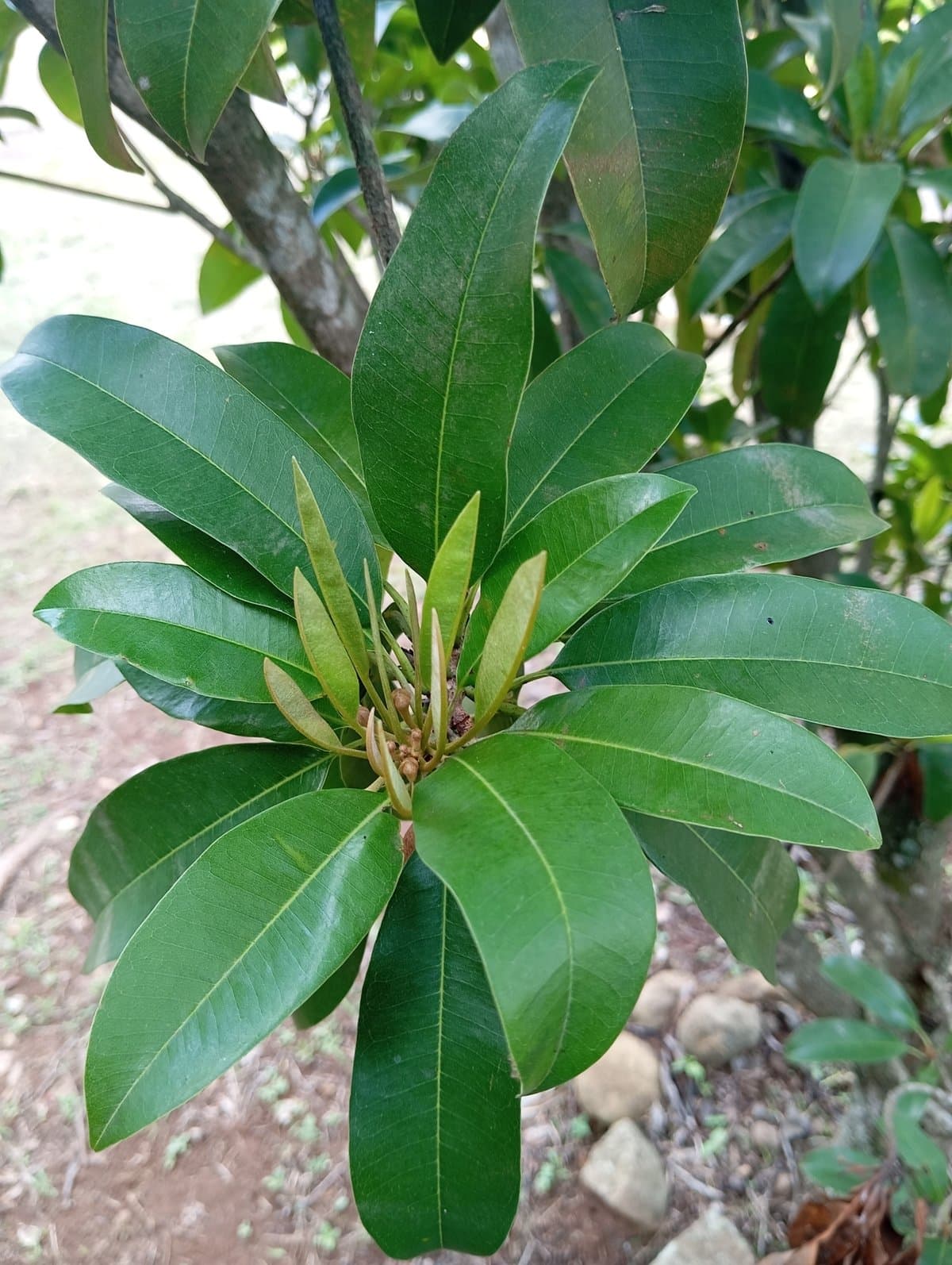
Leaves
- Type: Simple, alternate
- Shape: Elliptical to obovate
- Size: 8-15 cm long
- Texture: Leathery, shiny above
- Behavior: DECIDUOUS in dry season
- Clustering: Often in terminal clusters
Flowers
- Type: Small, clustered in axils
- Color: Greenish-white to yellowish
- Size: Tiny (3-5 mm)
- Fragrance: Sweet scent
- Timing: Dry season (December-March)
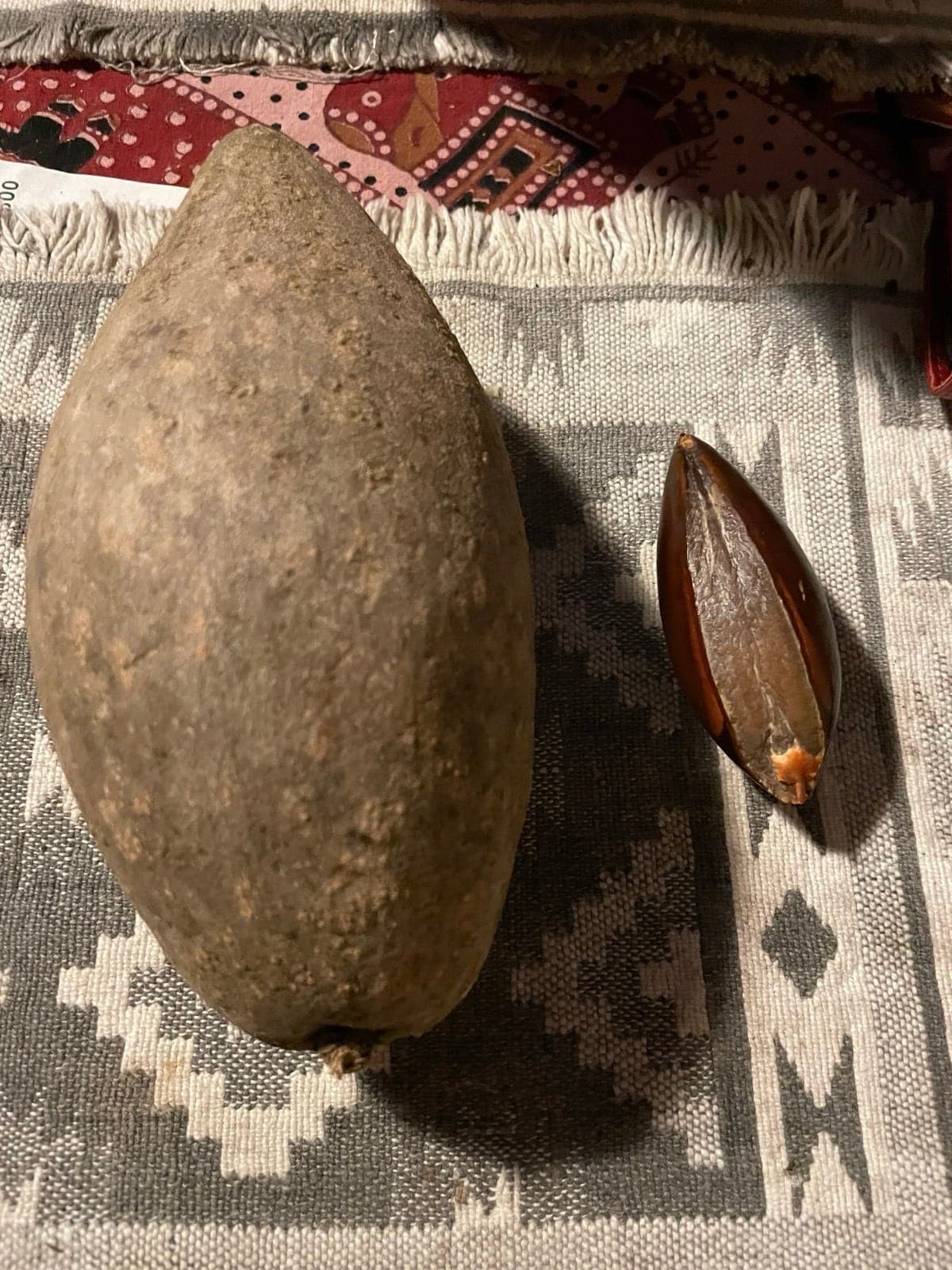
Fruit
- Type: Berry (drupe-like)
- Shape: Ellipsoid
- Size: 2-3 cm long
- Color: Purple-black when ripe
- Flesh: Sweet, edible
- Seeds: 1-2 per fruit
Tempisque wood is extraordinarily dense and heavy: Wood Properties: - Specific gravity: 0.85-0.95 (very heavy) - Sinks in water—true ironwood - Extremely hard and durable - Difficult to work with hand tools - Resists rot and insects Historical Importance: - Pre-Columbian construction material - Colonial-era building foundations - Railroad ties and heavy construction - Tool handles and implements This extreme density made Tempisque one of the most valuable timbers in Mesoamerican history, driving intensive historical harvest.
Distribution and Habitat
Global Distribution
Geographic Distribution
Distribution in Costa Rica
Habitat Preferences
The Río Tempisque Connection
The Río Tempisque, Costa Rica's second-longest river, takes its name from this tree: The Tempisque Basin: - Drains most of Guanacaste Province - 144 km long, flows into Gulf of Nicoya - Historically lined with Tempisque trees - Cultural and ecological heart of dry forest region Why the Name: - Tempisque trees were abundant along riverbanks - Provided shade for indigenous communities - Marked the landscape's identity - Name preserved even as trees declined Modern Significance: - River supports wetlands of international importance - Palo Verde National Park at delta - Agricultural irrigation lifeline - Conservation focus area The tree's decline has been so severe that many who know the river have never seen the tree that gave it its name.
Ecological Importance
Wildlife Value
Fruit Consumers
- Monkeys: Spider and howler monkeys
- Birds: Trogons, toucans, many others
- Bats: Fruit bats disperse seeds
- Peccaries: Eat fallen fruit
- Coatis: Climb for fruit
Ecosystem Role
- Food timing: Fruits in dry season (critical)
- Canopy structure: Major dry forest framework
- Shade: Important for cattle, wildlife
- Soil: Deep roots access groundwater
- Biodiversity: Supports dry forest fauna
Dry Season Food Source
Tempisque fruits ripen during the harshest dry season months: Timing Importance: - Fruits: January-April - When other food scarce - Sustains wildlife through drought - Critical for frugivore survival Consumer List:
- At least 20+ bird species recorded - Multiple mammal species - Important bat-dispersed seeds Keystone Status: - Loss of Tempisque = food gap - Cascading effects on wildlife - Restoration priority species The tree's dry season fruiting makes it a keystone species for the tropical dry forest food web.
Conservation Status
IUCN Global: Least Concern (LC). The IUCN Red List currently classifies Sideroxylon capiri as LC across its Mesoamerican range. Costa Rica context: dry-forest populations have been heavily reduced by historical logging and agricultural conversion — once abundant throughout the Guanacaste lowlands, the species is now uncommon outside protected areas. Current pressures: continued selective logging of dense timber, conversion to pasture, dry-season fire, and slow regeneration (decades to maturity, seed predation by wildlife). Conservation efforts: protected within Santa Rosa, Palo Verde, and other Guanacaste reserves; reforestation programs include the species; research on ecology and propagation continues. Sideroxylon capiri is not listed on any CITES appendix — domestic trade is regulated through Costa Rican forestry permits (SINAC) rather than CITES controls.
Uses
Timber and Construction
Traditional Uses
Indigenous peoples of the Pacific slope knew Tempisque intimately: Historical Uses: - Construction of permanent structures - The "capirí" name is pre-Columbian - Associated with chiefly compounds - Shade trees at gathering places Archaeological Evidence: - Tempisque posts found in excavations - Wood identified in ancient structures - Indicates cultural importance - Durability preserved evidence The tree connected communities along the river that bears its name for millennia.
Cultivation
Growing Tempisque
Identification Guide
How to Identify Tempisque
Where to See Tempisque in Costa Rica
Tempisque is uncommon but distinctive when you find it: Where to Look: - Protected dry forest reserves - Old pastures with remnant trees - Along rivers in Guanacaste - Gallery forest edges Best Time: - Dry season: Dramatic leafless form visible - December-January: Flowering - January-April: Fruiting Identification Tips: - Look for massive, spreading architecture - Dark, deeply furrowed bark - Complete leaf loss in dry season - Check for milky sap if cut Large old trees in pastures often survived because ranchers valued their shade—seek these "heritage trees."
External Resources
Community observations and photos
Trade regulation information
Conservation programs
Global biodiversity occurrence data and distribution maps
Conservation status and species assessment
References
📚 Scientific References & Further Reading
Jiménez, Q. (1999). Árboles Maderables en Peligro de Extinción en Costa Rica. Instituto Nacional de Biodiversidad (INBio)
Janzen, D.H. (1988). Tropical Dry Forests: The Most Endangered Major Tropical Ecosystem. Biodiversity (ed. E.O. Wilson)
Zamora, N. et al. (2004). Árboles de Costa Rica, Vol. III. Editorial INBio
Stand beside the Río Tempisque in the dry season's golden light, and imagine this landscape as it once was: the riverbanks lined with great Tempisque trees, their leafless branches etched against the sky like iron sculptures, their massive trunks providing shade and shelter for the communities that gathered beneath them. This tree gave its name to the river, and through the river, became woven into the identity of an entire region. Its wood, dense enough to sink in water, built the foundations of pre-Columbian villages and colonial churches alike—construction that has outlasted generations. Today, Tempisque trees are rare, scattered survivors in a landscape transformed by cattle ranches and farms. But each one that remains is a living monument to the great dry forests that once covered this land. When they fruit in the desperate months of the dry season, they feed the creatures that depend on them, maintaining ecological connections that span millennia. To plant a Tempisque is to plant for centuries—to invest in a future that your great-grandchildren might see mature. It is an act of faith in the endurance of Guanacaste's wild heritage.
Safety Information Disclaimer
Safety information is provided for educational purposes only. Individual reactions may vary significantly based on age, health status, amount of exposure, and individual sensitivity. Always supervise children around plants. Consult a medical professional or certified arborist for specific concerns. The Costa Rica Tree Atlas is not liable for injuries or damages resulting from interaction with trees described in this guide.
• Always supervise children around plants
• Consult medical professional if unsure
• Seek immediate medical attention if poisoning occurs
Information compiled from authoritative toxicology sources, scientific literature, and medical case reports.
Help improve this page
Know something about this tree? Share local knowledge, suggest a correction, or submit a photo to improve this guide for everyone.